Prevent Period Bleed Start Drop Migraine With Proven Relief Tips
It’s one thing to brace yourself for period cramps, but it’s a whole other level when the first drop of bleeding comes with a pounding migraine. If you’ve ever had that unfortunate timing, you’re not alone. Many people who menstruate notice their migraine patterns tie closely to their cycle — and sometimes, the headaches seem to land right when your period officially starts. I’ve personally had those mornings where I woke up to both my cycle and a migraine knocking on the door, making me wonder if my body had planned a coordinated attack. Let’s dig into why this happens, what might be going on inside your head (and hormones), and how to keep it from hijacking your day.
Why Migraines Hit When Period Bleeding Starts

The first day of menstrual bleeding signals a major hormonal shift — specifically, a steep drop in estrogen and progesterone. For some people, this sudden change is like a trigger switch for migraines. The blood vessels in your brain can become more sensitive, and neurotransmitters like serotonin may fluctuate, setting the stage for pain. If you already have a history of menstrual migraines, that drop in hormones may make the timing feel eerily predictable.
What makes this timing unique compared to migraines a few days before your period is the direct overlap with menstrual cramps, bloating, and fatigue. This means your body is juggling multiple sources of discomfort at once — and unfortunately, they can amplify each other.
Hormonal Fluctuations as a Prime Suspect
Estrogen helps regulate the brain chemicals that influence pain pathways. When levels plummet, the threshold for triggering a migraine lowers. The body also tends to retain more sodium and water during hormonal shifts, which can cause minor swelling in brain tissues — another potential irritant.
- Rapid estrogen decline – often 24–48 hours before bleeding starts
- Serotonin changes – affecting mood, pain sensitivity, and vascular tone
- Prostaglandin release – increasing inflammation and amplifying pain
Recognizing the Specific Signs of Period-Start Migraines

While many migraine symptoms are universal, period-start migraines can have their own rhythm. For example, my own attacks during menstruation tend to start as a dull ache and progress faster than my non-hormonal migraines. Other people report stronger visual auras or more intense nausea during this time.
Common Characteristics
- Pain that peaks within the first 12 hours of bleeding
- Heightened light and sound sensitivity
- Worsening cramps in sync with the migraine peak
- Occasional overlap with migraine aura signs
Managing a Migraine When Your Period Starts

Dealing with both period symptoms and migraine at once means you need a multi-pronged approach. That might mean adjusting your migraine prevention routine in the days leading up to your cycle, as well as managing pain as soon as it starts.
Short-Term Relief Strategies
- NSAIDs before bleeding begins – Some doctors recommend taking an NSAID like naproxen 1–2 days before your expected start to reduce prostaglandin-related pain.
- Targeted triptans – Fast-acting prescription migraine meds can shorten attack length when taken early.
- Heat therapy – A heating pad on your lower abdomen while using a cold compress on your head can help balance discomfort signals.
Longer-Term Prevention Tactics
Cycle-tracking is your best friend here. By marking your migraine days alongside your menstrual calendar, patterns become obvious, making it easier to plan interventions. Some neurologists suggest short-term hormonal strategies or continuous birth control for people with severe cycle-linked migraines — but these require careful discussion with a healthcare provider.
You can also work on reducing your overall migraine threshold by improving sleep quality, maintaining consistent hydration, and limiting known food triggers like processed meats or aged cheese. For reference, the Mayo Clinic notes that even small improvements in lifestyle consistency can make hormonal migraines less intense.
When to Seek Medical Help

If your period-start migraines are debilitating, getting worse over time, or suddenly changing in pattern, it’s time to loop in a professional. This is especially important if you develop new symptoms like vision loss in one eye, numbness, or weakness, as these can mimic other serious neurological events. An evaluation from a neurologist can help pinpoint whether your headaches are strictly hormonal or if there’s another layer at play.
While some people find relief through lifestyle changes alone, others benefit from a combined approach that includes medication, supplements, and preventive therapy. Reading through resources like migraine trigger guides can help you identify other patterns that worsen period-linked headaches.
Additional Resources

- Main pillar guide: Migraines & Headaches Overview
- Related in-depth article: Understanding Menstrual Migraines
- External resource: NHS on managing migraines linked to menstrual cycles
If you’ve already battled a migraine the moment your period starts, you know it’s not just about getting through the pain — it’s also about preventing the next round. For me, the breakthrough came when I stopped thinking of my period-start migraines as isolated events and began treating them as part of an ongoing cycle pattern. Once you anticipate them, you can work ahead of your hormones rather than chasing them with emergency fixes.
Proactive Prevention Before Your Period
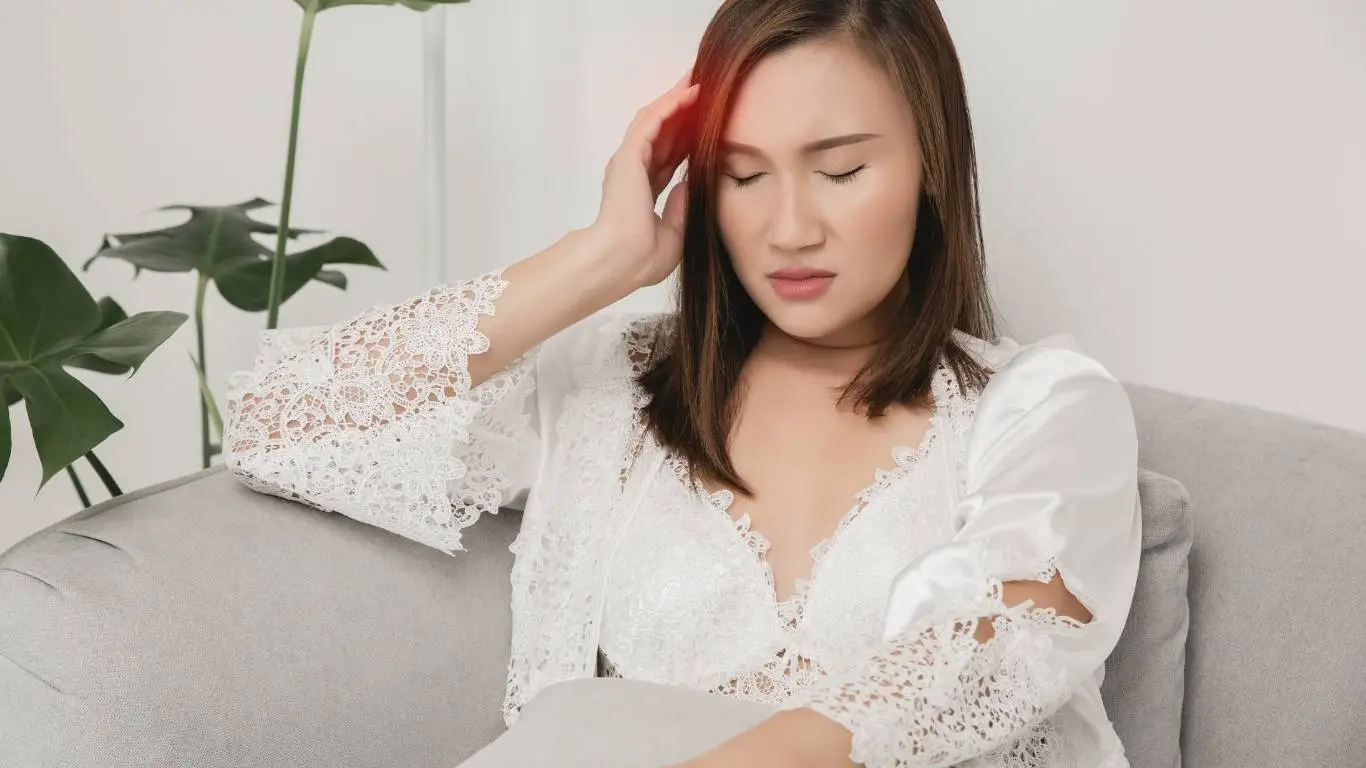
The days leading up to bleeding are your window for proactive defense. This is when estrogen levels start dipping, and for some, this is when the migraine trigger is quietly loading. By the time bleeding starts, the chemical changes in your brain may already be well underway. That’s why neurologists often recommend acting early.
- Track your luteal phase – Keep a journal or app to note ovulation and watch for migraine signs in the 2–3 days before your period.
- Magnesium support – Some studies suggest magnesium can reduce migraine frequency when taken daily, especially during the premenstrual phase.
- Stable sleep and meals – Preventive habits like avoiding skipped meals and sticking to regular bedtimes make hormonal swings less dramatic.
Short-Term Preventive Medication
Certain triptans or NSAIDs can be prescribed for “mini prevention” — meaning you take them for just a few days around your high-risk window. This approach is common for menstrual migraine patterns, and your provider can help tailor the dose and timing. If you also struggle with neck pain during migraines, pairing medication with gentle neck stretches can improve overall comfort.
Natural and Lifestyle-Based Adjustments

Not everyone wants to take medication every month, and that’s okay — there are plenty of lifestyle-based methods that can support your hormonal balance and reduce migraine sensitivity. From my own trial and error, these changes made the biggest difference:
- Hydration loading – Drinking extra fluids in the 48 hours before bleeding can counter fluid shifts and reduce migraine onset.
- Limiting caffeine dips – Sudden caffeine withdrawal can intensify period migraines, so keep intake consistent rather than stopping abruptly.
- Gentle movement – Yoga, walking, or stretching the day before and during your period may boost blood flow and calm your nervous system.
Food Choices that Help
Some find relief by emphasizing anti-inflammatory foods like leafy greens, berries, fatty fish, and whole grains. Avoiding processed snacks, high-sodium meals, and foods known to trigger migraines (like aged cheeses or cured meats) can make your period-start days less volatile. If you’re unsure which foods affect you, keeping a detailed migraine diary can help spot patterns over time.
Alternative Therapies Worth Exploring

Alternative treatments can be especially appealing when the idea of more pills is unappealing. Many people have reported fewer or milder menstrual migraines after integrating these methods:
- Acupuncture – Research supports its role in regulating hormonal cycles and reducing migraine attacks. (read more here)
- Biofeedback – Helps you consciously relax muscle tension that can worsen head pain.
- Essential oils – Peppermint or lavender oil applied to the temples or inhaled can provide quick sensory relief.
Balancing Migraine Management with Period Care

The tricky part about period-start migraines is that your body is already dealing with cramps, fatigue, and emotional changes. This means migraine management often overlaps with general menstrual comfort care. For example, heat therapy helps both cramps and migraine-related muscle tension. Likewise, calming environments — dim lighting, quiet spaces — can reduce overstimulation and lower your pain threshold.
If you work or go to school during your period, having a “migraine kit” on hand can save you from being caught off guard. Mine includes a small ice pack, water bottle, fast-acting migraine meds, and an eye mask. I also let a trusted coworker know if I’m not at my best so they can help cover urgent tasks while I regroup.
When It’s Time to Revisit Your Plan

If you’ve tried multiple prevention strategies and still face monthly disruption, it may be time to explore more advanced options with your doctor. This can include hormonal treatments, nerve blocks, or CGRP inhibitors — newer medications that target migraine activity at a deeper level. Reviewing your plan every 6–12 months ensures your care matches your life changes and your migraine pattern.
Some find that their migraines change over time — for example, easing during pregnancy or after menopause, while others see them persist. The key is staying adaptable and informed through trustworthy resources like the American Migraine Foundation.
Additional Resources

- Main pillar guide: Migraines & Headaches Overview
- Related pillar article: Migraine Prevention
- External resource: Office on Women’s Health on hormonal headaches

Bianca Nala is a compassionate Nurse Practitioner with a strong background in primary and respiratory care. As a health writer for Healthusias.com, she combines her clinical expertise with a talent for clear, relatable storytelling to help readers better understand their health. Bianca focuses on topics like asthma, COPD, chronic cough, and overall lung health, aiming to simplify complex medical topics without losing accuracy. Whether she’s treating patients or writing articles, Bianca is driven by a single goal: making quality healthcare knowledge accessible to everyone.