Does BV Make You Feel Bloated Or Sick? Understanding Hidden Symptoms
I’ve had countless conversations with women who quietly wonder if bacterial vaginosis (BV) is behind some of those nagging, gut-level sensations—like feeling oddly bloated or mildly queasy. It’s not exactly dinner-table talk, yet it comes up more than you’d think when you spend enough time discussing women’s health. From my own early twenties, when I first experienced BV, I remember questioning every weird tummy flutter. Looking back, I wish someone had broken it down in a calm, plain-English way—without the heavy jargon or scare tactics. That’s what this guide aims to do: unravel whether BV can genuinely make you feel bloated or sick, and how to navigate those murky symptoms with a clear head.
Understanding BV Beyond the Basics

BV is fundamentally an imbalance of vaginal flora. Instead of the usual dominance of lactobacilli, a mix of other bacteria gain ground, altering the vaginal pH. According to this overview on bacterial vaginosis, it’s among the most common vaginal conditions, yet often misunderstood. Many women notice the classic thin, grayish discharge and a fishy odor, but others experience subtler effects. This raises the question—can BV’s local imbalance ripple outward and leave you feeling off in your gut?
Why BV Might Trigger Digestive-Like Discomfort

There isn’t one neat study proclaiming, “BV causes bloating,” but the experience is reported often enough that it’s worth unpacking. Here’s how it can plausibly happen:
- Systemic Inflammation: A vaginal imbalance can set off low-grade inflammatory responses. Some research from National Institutes of Health journals points to inflammatory markers spilling over into the bloodstream, which may make you feel tired or a bit unwell.
- Hormonal Crosstalk: BV tends to occur when estrogen levels fluctuate—such as just after menstruation or during pregnancy. Those same hormonal dips and peaks affect fluid retention and gut motility, which can mimic bloating.
- Anxiety Spiral: If you’re worried about the odor or discharge, your nervous system responds. Stress alone can tighten the gut and create bloating sensations—even if the BV itself isn’t directly “causing” it.
I’ve personally noticed that when BV flared during my late twenties, I’d feel a subtle heaviness in my lower belly—like the kind that comes before a period. Once treatment cleared things up, that nagging pressure often eased. It wasn’t a double-blind trial, but the pattern was too consistent to ignore.
BV, Nausea, and Feeling “Off”

Nausea linked to BV is a gray area. Traditional symptoms rarely list “queasiness,” yet women’s forums and clinical anecdotes keep mentioning it. A few factors explain why:
- Secondary Infection: If BV lingers untreated, opportunistic bacteria can climb the reproductive tract, potentially sparking mild systemic symptoms like fatigue or stomach unease.
- Medication Effects: Treatments such as metronidazole can cause temporary nausea—often mistaken as “BV making me sick,” when it’s really a side effect.
- Immune Response: Your immune system ramps up cytokines and other defenders, sometimes creating a flu-like malaise.
These reactions tend to be mild and transient, unlike true food poisoning or viral gastroenteritis. Still, listening to your body is key. Persistent nausea plus fever or pelvic pain is a red flag that warrants medical attention.
Sorting Out BV vs. Other Causes of Bloating

Because bloating is notoriously nonspecific, it’s important not to pin every puffed-up afternoon on BV. Consider these overlaps:
- Diet: Carbonated drinks, salty foods, and dairy can cause real distention—unrelated to vaginal flora.
- Hormonal Cycles: Many experience premenstrual bloating that coincides with—but isn’t caused by—BV.
- Gut Dysbiosis: A separate imbalance in intestinal bacteria can mimic the same swollen belly sensation.
Clinicians emphasize that BV is primarily a localized condition. So while some spillover effects happen, chronic bloating may deserve a broader look, including a gut-friendly diet, screening for IBS, or even mild food intolerances.
Practical Steps If BV Seems Linked to Bloating

Instead of spiraling into worry, a balanced plan helps. Here’s what has worked for me and many clients:
- Get a Clear Diagnosis: Home assumptions can mislead. Reliable testing distinguishes BV from yeast infections—see at-home test accuracy insights.
- Support Vaginal Flora: Introduce probiotics carefully and review guidance on probiotic use for BV.
- Mind Stress Levels: Yoga, journaling, or even a short walk can tame the stress-gut axis that worsens bloating.
- Hydration & Light Meals: Simple adjustments like cutting back on carbonated drinks ease discomfort while addressing the underlying BV.
Combining these with advice from a trusted clinician typically restores equilibrium. More importantly, it breaks the cycle of anxiously Googling every cramp and brings you back to living your life—without second-guessing your gut or your vaginal health.
For deeper dives on prevention strategies, the resource on BV prevention tips connects the dots between lifestyle tweaks and lasting balance. You’ll also find foundational insights in the main bacterial vaginosis guide that ground the conversation in evidence rather than speculation.
Picking up where most guides stop, let’s dig into how to genuinely regain comfort when BV seems to throw your whole system off. I’ve been in that swirl of “why do I still feel puffy even after finishing the meds?” enough times to know it’s rarely a one-note answer. Beyond the basics, sustainable relief means understanding how your body resets, how your gut and vaginal flora talk to each other, and when it’s time to loop in a clinician. This is where practical, daily moves make the biggest difference.
Restoring Balance After Treatment

Once the antibiotics are done, many assume the chapter is closed. Yet residual bloating or malaise can linger. From experience, that “off” feeling often eases when you actively support your body’s reset:
- Repopulate With Good Bacteria: Introduce foods rich in live cultures—plain yogurt, kefir, kimchi—or consider quality probiotics for BV. The aim is to gently tilt the microbiome back toward lactobacillus dominance.
- Limit Irritants: High-sugar diets can fuel less desirable microbes. I learned the hard way that endless sweet lattes prolonged my discomfort.
- Hydrate Consistently: Adequate water helps flush lingering byproducts and keeps digestion moving.
Some women notice their belly feels lighter within days of aligning diet and hydration, while others need a few cycles. Patience is part of the equation—your vaginal ecosystem isn’t a switch you flip overnight.
Addressing Hormonal & Stress Influences
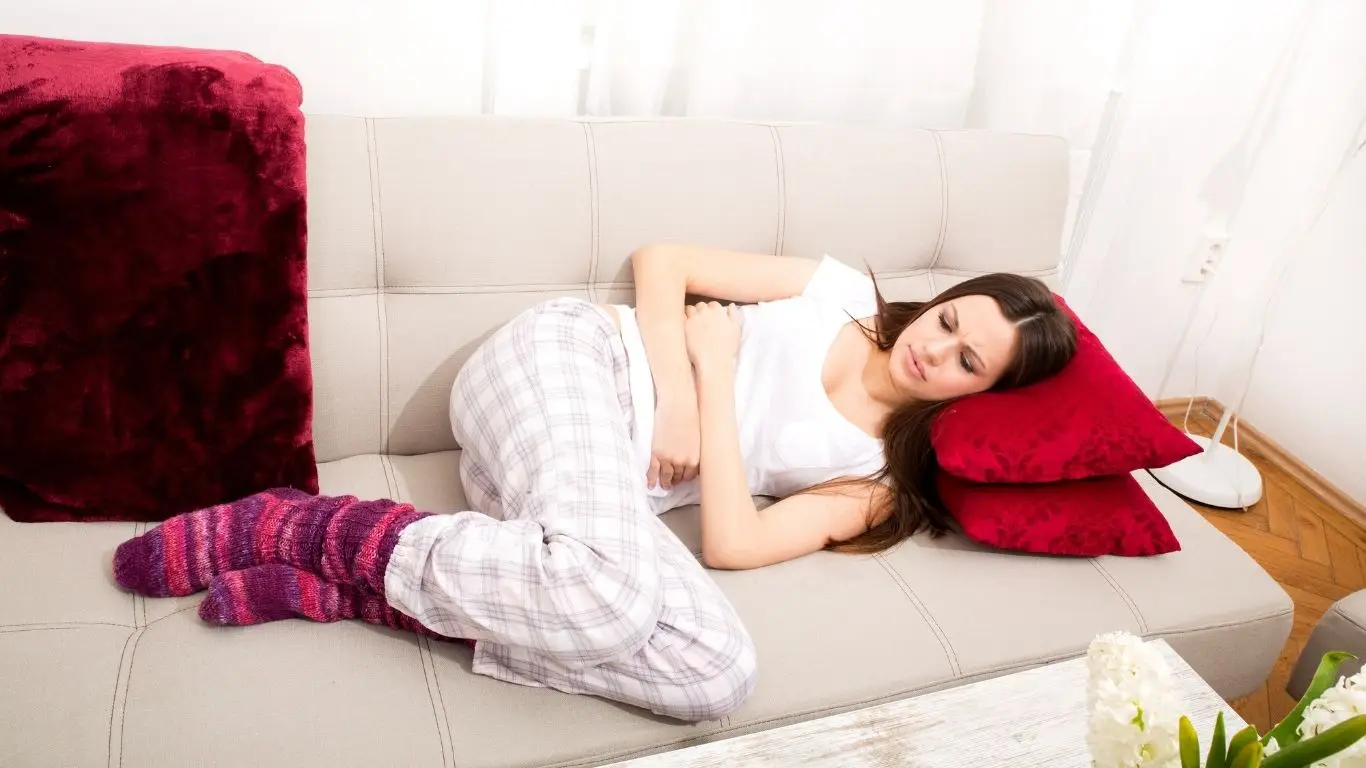
One subtle link I’ve seen in my clients (and in my journaled symptoms) is timing. BV flares often appear alongside hormonal dips—just after periods or during life upheavals. Recognizing those patterns gives you leverage:
- Track Your Cycle: Note when bloating coincides with mid-cycle or premenstrual phases. You might discover BV isn’t the only culprit.
- Tame Cortisol Spikes: Guided breathing or even ten minutes of quiet stretching reduces the gut-clench many confuse for infection-related discomfort.
- Consider Professional Input: If hormonal shifts dominate your pattern, a gynecologist can assess whether perimenopause or contraceptive changes play a role.
Real talk—once I started pairing symptom notes with my cycle calendar, I stopped blaming BV for every bubble in my abdomen. That clarity alone lowered my stress, which ironically made both BV and bloating less frequent.
When Lingering Symptoms Signal a Deeper Issue

While many women see improvement quickly, a subset feels “stuck” in vague discomfort. That’s a prompt to step back and look wider:
- Recurrent BV: If symptoms rebound, consider exploring long-term solutions for BV. Chronic shifts in flora deserve a strategic approach, not just repeated antibiotics.
- Gut Dysbiosis or IBS: Abdominal bloating with irregular bowel patterns may point toward a gastrointestinal focus rather than persistent vaginal imbalance.
- Unrelated Gynecologic Issues: Fibroids, endometriosis, or ovarian cysts occasionally masquerade as “BV bloating.” Imaging or pelvic exams clear up guesswork.
Healthcare providers often emphasize that BV is primarily localized. Persisting systemic complaints—especially nausea, cramps, or low-grade fever—call for professional review. Aligning with evidence-based resources such as CDC guidelines helps keep care grounded.
Practical Lifestyle Anchors for Long-Term Comfort

Recovery isn’t just about extinguishing a flare; it’s about lowering the odds of the next one. Here’s a distilled list that’s kept me and many readers steadier:
- Breathable Fabrics: Cotton underwear minimizes trapped moisture, reducing bacterial overgrowth risk.
- Mindful Hygiene: Avoid harsh douches or scented products—see clarity on douching myths.
- Steady Movement: Gentle exercise supports circulation and hormone balance without spiking stress hormones.
- Balanced Meals: Fiber, lean proteins, and fermented sides improve both digestive comfort and microbial harmony.
Even modest consistency here compounds into fewer flare-ups, calmer digestion, and the bonus confidence of knowing you’re not at the mercy of every twinge or cramp.
Reframing the BV Experience

One of the most liberating shifts for me was realizing BV didn’t define my wellness. Yes, it’s inconvenient—and yes, it sometimes echoes beyond the vaginal tract—but it’s also a manageable, common condition. Anchoring in science, leaning on sensible habits, and not catastrophizing every belly rumble allows you to reclaim agency. The ongoing dialogue between vaginal and gut ecosystems doesn’t have to feel mysterious; it’s simply your body signaling what it needs.
For a bigger-picture strategy that moves beyond symptom chasing, the BV prevention tips guide bridges everyday practices with long-term resilience. Staying informed through the main bacterial vaginosis resource keeps you rooted in evidence, not anecdote—exactly what you want when charting a calmer, bloat-free path forward.

Dr. Gwenna Aazee is a board-certified Internal Medicine Physician with a special focus on hypertension management, chronic disease prevention, and patient education. With years of experience in both clinical practice and medical writing, she’s passionate about turning evidence-based medicine into accessible, actionable advice. Through her work at Healthusias.com, Dr. Aazee empowers readers to take charge of their health with confidence and clarity. Off the clock, she enjoys deep dives into nutrition research, long walks with her rescue pup, and simplifying medical jargon one article at a time.