External Hemorrhoids: Symptoms, Causes & Relief Options
External hemorrhoids are among the most common types of hemorrhoids, affecting millions of people worldwide. Unlike internal hemorrhoids, which form inside the rectum, external hemorrhoids develop beneath the skin around the anus. This location makes them more noticeable and often more uncomfortable, causing pain, swelling, and irritation. Knowing the causes, symptoms, and treatment options for external hemorrhoids is crucial for effective management and relief.
What Are External Hemorrhoids?
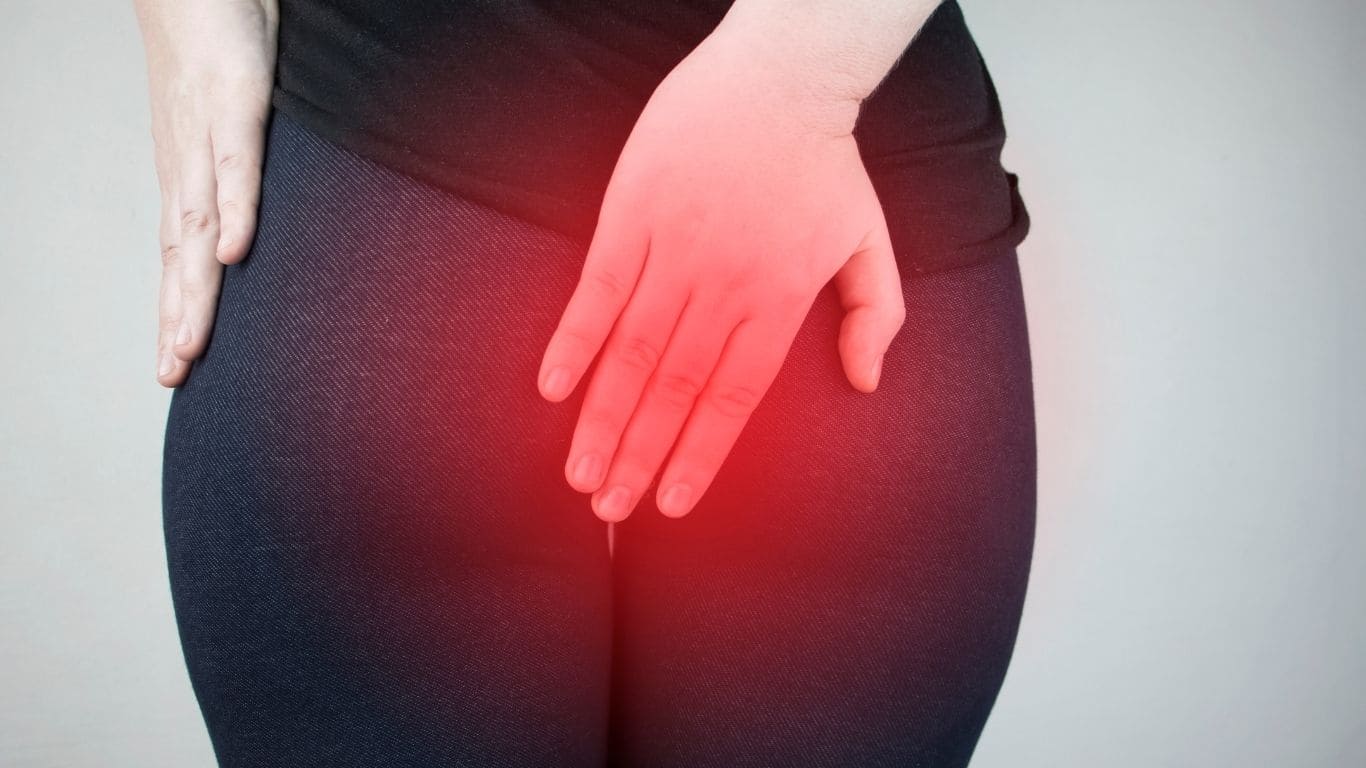
External hemorrhoids are swollen veins located around the anus. Increased pressure in the lower rectal veins causes these veins to enlarge, forming lumps that may be tender or painful. Sometimes, blood clots form inside these veins, resulting in thrombosed hemorrhoids, which can be extremely painful and require prompt treatment.
For a broader understanding of other hemorrhoid types, including internal and thrombosed hemorrhoids, see our Types of Hemorrhoids cluster page.
Causes of External Hemorrhoids
Several factors contribute to the development of external hemorrhoids. Understanding these causes can help in both treatment and prevention:
- Straining During Bowel Movements: Chronic constipation or hard stools can cause straining, which increases pressure in the anal veins. Over time, this pressure leads to vein enlargement and hemorrhoid formation.
- Prolonged Sitting: Sitting for long periods, especially on the toilet, increases pressure on rectal veins. Office workers and those with sedentary lifestyles are at higher risk.
- Pregnancy: During pregnancy, increased pressure from the growing uterus and hormonal changes can weaken veins, leading to hemorrhoids. They are particularly common in the third trimester.
- Obesity: Excess body weight puts additional pressure on the pelvic and rectal veins, increasing the likelihood of hemorrhoid formation.
- Low-Fiber Diet: Diets lacking fruits, vegetables, and whole grains produce harder stools, causing straining during bowel movements. Fiber deficiency is a major contributor to hemorrhoid development.
- Heavy Lifting and Physical Strain: Regular heavy lifting or intense physical activity can temporarily spike abdominal pressure, which affects anal veins.
For a comprehensive overview of the underlying factors, check out our Causes & Risk Factors cluster page.
Recognizing the Symptoms
External hemorrhoids can present with a range of symptoms, from mild discomfort to severe pain. Common signs include:
- Visible Lumps: Small, tender bumps around the anus, often bluish in color.
- Pain or Discomfort: Pain is usually more pronounced than with internal hemorrhoids, especially when sitting or during bowel movements.
- Swelling and Inflammation: The affected area may feel swollen or warm to the touch.
- Bleeding: Minor bleeding may occur if the hemorrhoid is irritated or scratched.
- Itching and Irritation: The skin around the anus can feel itchy or irritated due to inflammation and moisture.
Patients often describe the pain as a constant discomfort or sharp stabbing sensation when moving. To differentiate external hemorrhoids from other conditions, see our Hemorrhoids vs Other Conditions article.
Home Management and Relief
Many external hemorrhoids can be managed at home using lifestyle adjustments and simple remedies:
- Warm Sitz Baths: Sitting in warm water for 10–15 minutes, 2–3 times daily, can reduce swelling and alleviate discomfort. Adding Epsom salt may enhance the soothing effect.
- Topical Treatments: Over-the-counter creams or ointments containing hydrocortisone or witch hazel can relieve itching and irritation.
- Cold Compresses: Applying ice packs or cold compresses for 10–15 minutes can help reduce swelling and numb pain.
- Proper Hygiene: Gently cleansing the anal area with water and mild soap after bowel movements prevents irritation and infection.
- Dietary Adjustments: A fiber-rich diet and adequate hydration soften stools, reduce straining, and relieve pressure on the veins.
- Physical Activity: Gentle exercise, such as walking or yoga, improves blood flow and reduces pressure on anal veins.
For more remedies and guidance on combining treatments safely, see our Home Remedies for Hemorrhoids cluster page.
Medical Treatment Options
If external hemorrhoids cause severe pain, thrombosis, or bleeding, medical intervention may be necessary. Common treatments include:
- Rubber Band Ligation: A small band is placed around the base of the hemorrhoid to cut off blood supply, causing it to shrink over days.
- Sclerotherapy: A solution is injected to shrink the hemorrhoid gradually.
- Hemorrhoidectomy: Surgical removal is considered in severe or recurrent cases. Recovery may take a few weeks, and patients usually receive pain management guidance.
- Topical or Oral Pain Relievers: Prescription-strength creams or analgesics may be used to reduce discomfort.
Explore more on Medical Treatments for Hemorrhoids for detailed procedural information.
Preventing External Hemorrhoids
Prevention strategies are highly effective in reducing both initial occurrence and recurrence. Key preventive measures include:
- High-Fiber Diet: Include fruits, vegetables, legumes, and whole grains to promote regular bowel movements.
- Hydration: Drinking 8–10 glasses of water daily helps prevent constipation.
- Exercise: Regular activity, such as brisk walking or swimming, supports digestive health and reduces vein pressure.
- Healthy Bowel Habits: Avoid straining and respond promptly to the urge to defecate.
- Posture and Sitting Habits: Limit prolonged sitting, especially on hard surfaces, and use cushioned seating when necessary.
- Weight Management: Maintaining a healthy weight reduces pressure on pelvic veins and the risk of hemorrhoid formation.
For detailed tips and dietary guidance, see our Diet & Prevention cluster page.
When to See a Doctor
While many cases improve with home care, immediate medical attention is advised if you experience:
- Persistent or severe pain
- Excessive or recurrent bleeding
- Protruding lumps that do not shrink
- Signs of infection such as redness, pus, or fever
Early medical consultation can prevent complications like strangulated hemorrhoids or chronic prolapse.
Conclusion
External hemorrhoids are common but manageable. Recognizing symptoms, understanding causes, applying home remedies, and seeking medical care when necessary are critical for effective management. Preventive measures, including a fiber-rich diet, hydration, exercise, and healthy bowel habits, can significantly reduce recurrence and improve quality of life. For a complete overview of all hemorrhoid types, treatments, and prevention strategies, visit our Hemorrhoids Pillar Page.