
Understanding Hemorrhoid Pain: Causes, Symptoms, and Relief Options
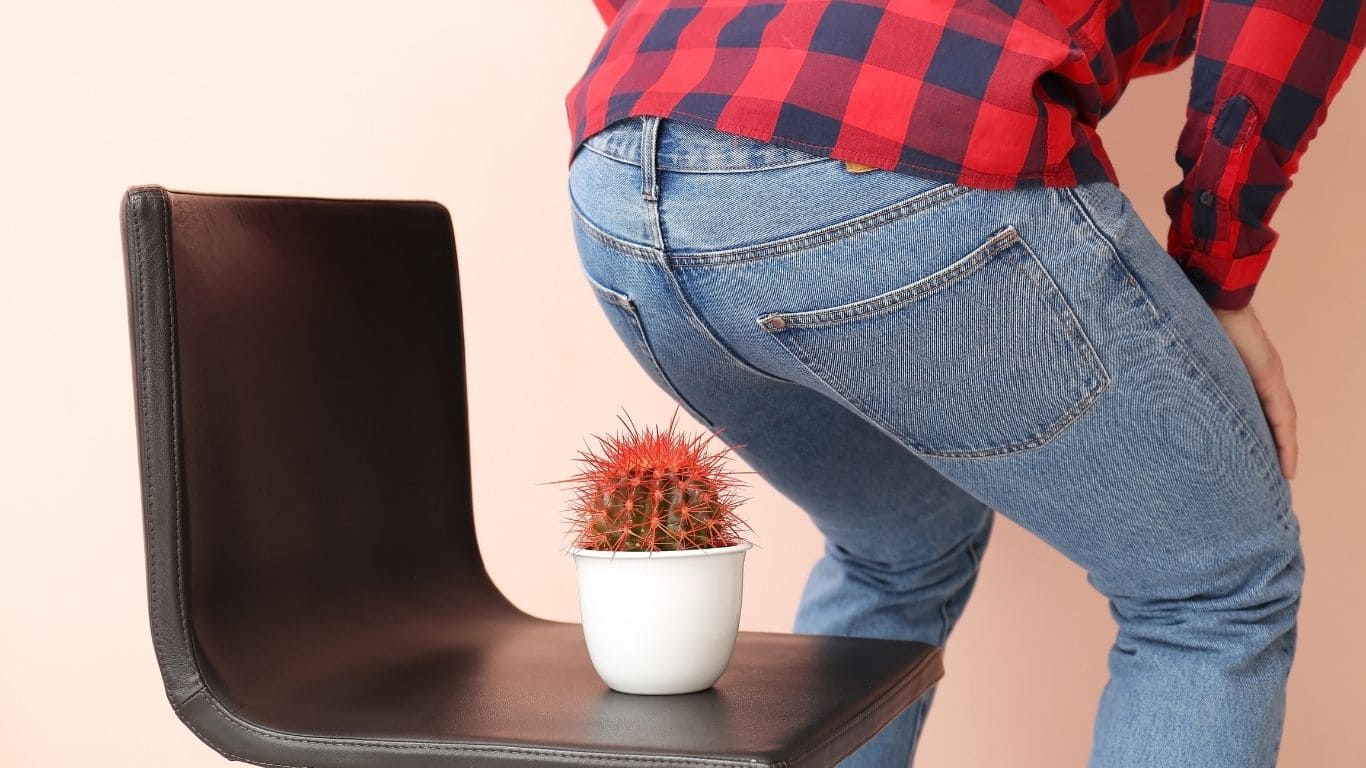
Hemorrhoid pain is one of the most uncomfortable and often misunderstood symptoms people experience when dealing with swollen or inflamed veins around the rectum. While hemorrhoids can appear in different forms, pain is most commonly associated with external or thrombosed hemorrhoids. Many people feel sharp discomfort while sitting, passing stool, or even walking. Because this condition can easily be confused with other anorectal issues, understanding why hemorrhoid pain happens and how to relieve it is important for proper care.
If you’re researching hemorrhoid pain for the first time, you may also find it helpful to explore the complete overview of the condition on the main hemorrhoids pillar page. Having a complete picture of the disorder helps you understand where pain fits into the broader symptom pattern.
What Hemorrhoid Pain Feels Like
The level of discomfort varies widely. Some people report mild irritation, while others experience sudden, intense pain that makes sitting or moving very difficult. This sharp or throbbing sensation usually occurs when a blood clot forms inside an external hemorrhoid, creating a thrombosed hemorrhoid. The swelling stretches sensitive skin around the anus, leading to high levels of discomfort.
Because pain is a common early sign, many individuals start exploring symptoms more deeply by referencing guides on hemorrhoid symptoms and diagnosis. Understanding all associated symptoms helps reduce anxiety and misdiagnosis.
Common Causes of Hemorrhoid Pain
The root cause is pressure. When pressure increases in rectal veins, they swell and become inflamed. Certain triggers raise your risk of painful flare-ups:
- Straining during bowel movements due to constipation
- Prolonged sitting, especially on hard surfaces
- Low-fiber diet that makes stools harder
- Heavy lifting that consistently strains lower abdominal muscles
- Pregnancy, which increases pelvic pressure
While hemorrhoid pain is distinct, it sometimes appears alongside other symptoms such as itching. If irritation is also present, learning the difference by reviewing the related guide on hemorrhoid itching may offer additional clarity.
When Hemorrhoid Pain Becomes Severe
Severe pain is often a sign of thrombosed hemorrhoids. These occur when a blood clot forms under the skin. The discomfort usually appears suddenly and can worsen quickly within hours. Symptoms may include:
- A hard, painful lump near the anus
- A feeling of pressure or fullness
- Swelling and inflammation
- Discomfort while walking, sitting, or using the toilet
If the pain is accompanied by bleeding, it’s important to compare your symptoms with other potential causes. You can learn about the various reasons for rectal bleeding by visiting the related guide on hemorrhoids and rectal bleeding.
How to Relieve Hemorrhoid Pain at Home
Fortunately, most cases of hemorrhoid pain can be treated at home. Here are some effective relief strategies:
1. Warm Sitz Baths
Sitting in warm water for 10–15 minutes helps reduce pain and relax swollen veins. This simple method improves circulation and offers quick soothing relief.
2. Over-the-Counter Creams
Products containing hydrocortisone or lidocaine can reduce pain and inflammation. These treatments provide temporary relief, especially during flare-ups.
3. Cold Compresses
Applying an ice pack helps numb the area and reduce swelling. It’s especially helpful during the first 24–48 hours of a painful episode.
4. Increased Fiber Intake
Eating more fiber softens stool and reduces straining—one of the primary triggers of hemorrhoid pain. Fiber supplements are also an option when diet alone is not enough.
5. Gentle Hygiene
Harsh wiping can worsen pain. Instead, use moist wipes or cleanse with water to avoid irritation.
Medical Treatment Options
If home remedies don’t help, or if the pain is severe and persists, medical treatment may be needed. Doctors typically consider:
- Rubber band ligation for internal hemorrhoids
- Sclerotherapy to shrink swollen veins
- Infrared coagulation for small internal hemorrhoids
- Thrombectomy for painful clots (performed within 48–72 hours of onset)
For chronic or complex cases, minimally invasive procedures may offer long-term relief and prevent recurring pain.
When to See a Doctor
Seek medical advice if:
- The pain is intense and sudden
- There is continuous bleeding
- You suspect a thrombosed hemorrhoid
- Symptoms last longer than one week
- You experience fever or signs of infection
Professional evaluation ensures that the pain is not caused by another condition, such as fissures or inflammatory bowel disease.
For medical accuracy and safe guidance, you may refer to authoritative sources like the Mayo Clinic.
Conclusion
Hemorrhoid pain can interrupt daily life and cause significant discomfort, but the good news is that most cases respond well to simple home remedies and lifestyle adjustments. Understanding the source of the pain, identifying symptoms early, and managing triggers all help reduce flare-ups and prevent complications. With the proper treatment approach and a high-fiber diet, many people find long-term relief and improved comfort.