
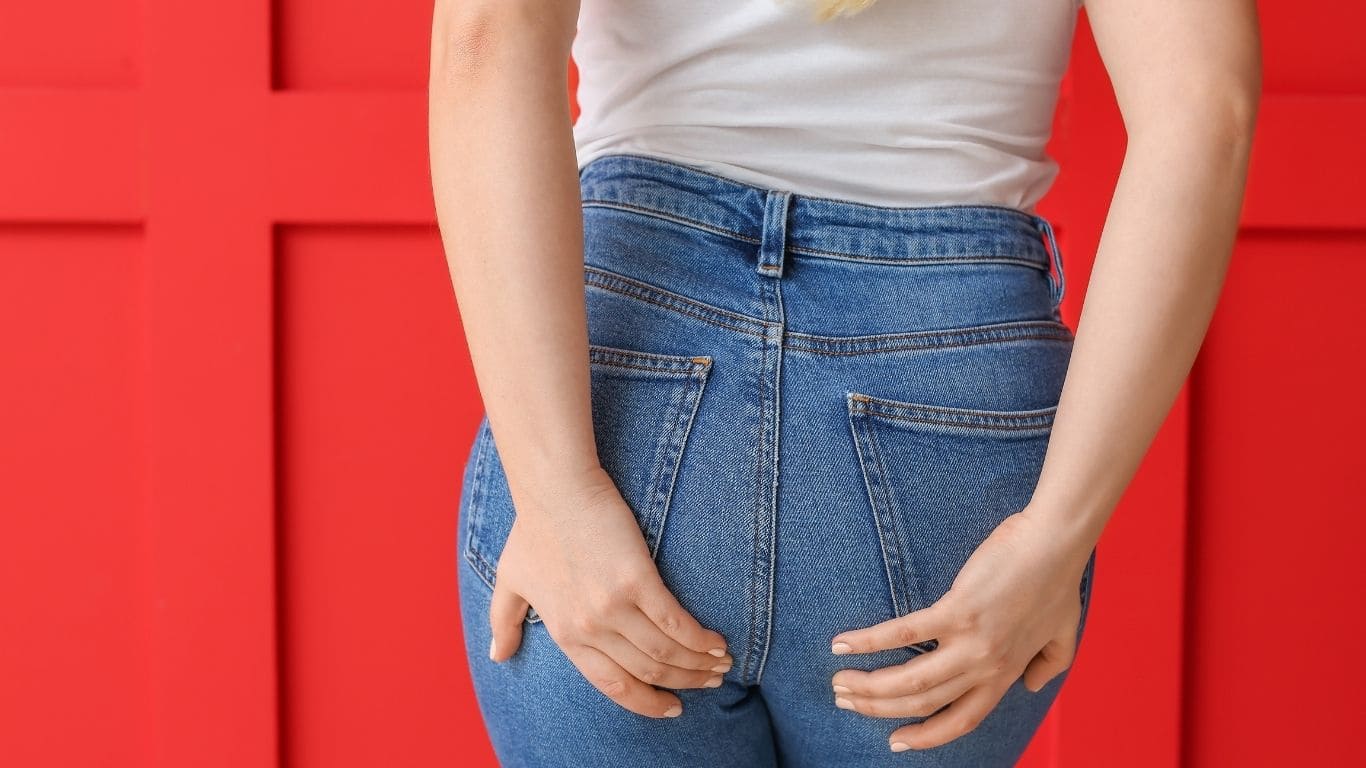
Constipation & Straining: A Major Cause of Hemorrhoids
Constipation is one of the most common digestive issues worldwide, and unfortunately, it’s also one of the biggest triggers for hemorrhoids. When stool becomes hard and difficult to pass, people tend to push harder—this repeated straining puts intense pressure on the veins around the rectum and anus. Over time, those veins can swell, become irritated, and eventually form painful hemorrhoids. Understanding why constipation and straining play such a dominant role is essential for long-term relief and prevention.

If you’re already dealing with hemorrhoids, you may find that constipation makes flare-ups more frequent and more painful. And even after symptoms improve, chronic straining can cause hemorrhoids to come back. The good news is that once you understand the mechanics behind constipation-related hemorrhoids, you can take practical steps to prevent them. In this guide, we’ll break down how constipation leads to hemorrhoids, who’s at risk, and how to reduce straining during bowel movements.
How Constipation Leads to Hemorrhoids
Normally, stool should move smoothly through the colon thanks to adequate hydration, balanced electrolytes, and enough dietary fiber. But when the stool becomes dry or slow-moving, passing it requires more effort. This is where hemorrhoids start to form. Excessive straining increases abdominal pressure, which pushes blood into the hemorrhoidal veins. Over time, the repeated pressure makes these veins enlarge and protrude, creating either internal or external hemorrhoids.
The muscles around the anus are designed to relax during bowel movements. However, when you strain, these muscles tighten instead, forcing stool out through pressure rather than natural movement. This unnatural force irritates the delicate tissues around the anus and rectum. For many people, this is the moment when bright red bleeding occurs or when a small, painful lump forms near the anus.
Constipation & Different Types of Hemorrhoids
Constipation can affect all forms of hemorrhoids, but some types tend to worsen more quickly than others. Internal hemorrhoids may become swollen and painful after repeated straining, while external hemorrhoids can become irritated and itchy. In some cases, the blood inside a swollen vein can clot, leading to a painful thrombosed hemorrhoid. Chronic constipation can even cause hemorrhoids to prolapse, especially when someone has been straining for long periods.
Why People Strain During Bowel Movements
Straining often happens because the stool isn’t soft enough to pass easily. However, it can also be caused by poor toilet habits. Many people spend too much time sitting on the toilet or feel rushed, which causes them to push harder. Sitting at the wrong angle—especially with your knees lower than your hips—can also make bowel movements more difficult.
Some medical conditions increase the risk of chronic straining, including pelvic floor dysfunction, hypothyroidism, and irritable bowel syndrome. In addition, certain medications—such as iron supplements, opioids, and antacids containing aluminum—can also lead to constipation.
Risk Factors That Make Constipation More Likely
Several lifestyle factors contribute to constipation, which in turn raises the risk of hemorrhoids. The most common include:
- Low fiber intake
- Not drinking enough water
- Sedentary lifestyle
- Holding in bowel movements
- Stress or anxiety
- Changes in routine, such as travel
Each of these elements can slow digestion and encourage harder stool formation. When combined with poor toileting habits, this creates an environment where hemorrhoids can develop easily. For example, people who sit for long periods—especially office workers—tend to experience slower bowel movement frequency. This makes stool drier and more difficult to pass.
Signs You Are Straining Too Much
If you frequently strain during bowel movements, your body will send warning signals. Common signs include abdominal discomfort, pain while passing stool, and excessive pushing. Afterward, you may notice blood on toilet paper or a swollen lump near the anus. These symptoms often indicate the beginning of hemorrhoidal irritation.
Chronic straining can also lead to a feeling of incomplete evacuation, which causes some people to push even harder. Unfortunately, this cycle only increases hemorrhoid formation. In severe cases, hemorrhoids may prolapse, meaning they extend outside the anal opening during or after a bowel movement. When this happens repeatedly, it’s a strong indication that constipation is taking a toll on your rectal veins.
How to Reduce Straining and Protect Rectal Health
Preventing constipation is the most effective way to reduce straining. The foundational approach includes adding more fiber, drinking more water, and improving bowel movement habits. A diet rich in fruits, vegetables, and whole grains naturally softens stool, reducing the need to push. You can also try fiber supplements, which many people find helpful when diet alone isn’t enough.
Hydration is equally important. Without enough water, fiber cannot properly bulk or soften stool. Aim for regular hydration throughout the day, not just during meals. Small changes—like taking a short walk after eating or avoiding holding in bowel movements—can improve digestion significantly.
If constipation is persistent, a doctor may recommend medications or additional testing. Some people need stool softeners or osmotic laxatives to keep bowel movements comfortable. These treatments help create softer stool without causing dependency when used responsibly.
Avoiding Recurrence After Hemorrhoid Treatment
Even after hemorrhoids improve, the risk of recurrence remains high if constipation isn’t addressed. This is why improving diet and bowel movement habits is essential for long-term relief. Practicing healthy bathroom habits, staying hydrated, and maintaining consistent fiber intake are the most reliable ways to prevent hemorrhoids from coming back.
If you have already experienced complications, such as severe bleeding or prolapse, working with a healthcare professional may help prevent future issues. For example, avoiding heavy lifting and improving core strength can help reduce abdominal pressure during bowel movements.
When to Seek Medical Help
You should contact a healthcare provider if constipation persists for more than a few days or if hemorrhoid symptoms worsen. Sudden severe pain, excessive bleeding, or a hard lump around the anus may indicate a complication that needs evaluation. Treatments such as rubber band ligation or sclerotherapy may be recommended in more advanced cases.
According to the Mayo Clinic, chronic constipation is one of the most significant risk factors for hemorrhoids, and prevention is far more effective than treatment alone (source).
Internal Links for Silo SEO
For more understanding of how hemorrhoids form, visit the main Hemorrhoids Overview pillar page. To learn about related causes, you can explore the Causes & Risk Factors cluster. You may also find it helpful to read about high-fiber diets and healthy bowel habits, which can prevent constipation and reduce straining naturally.