
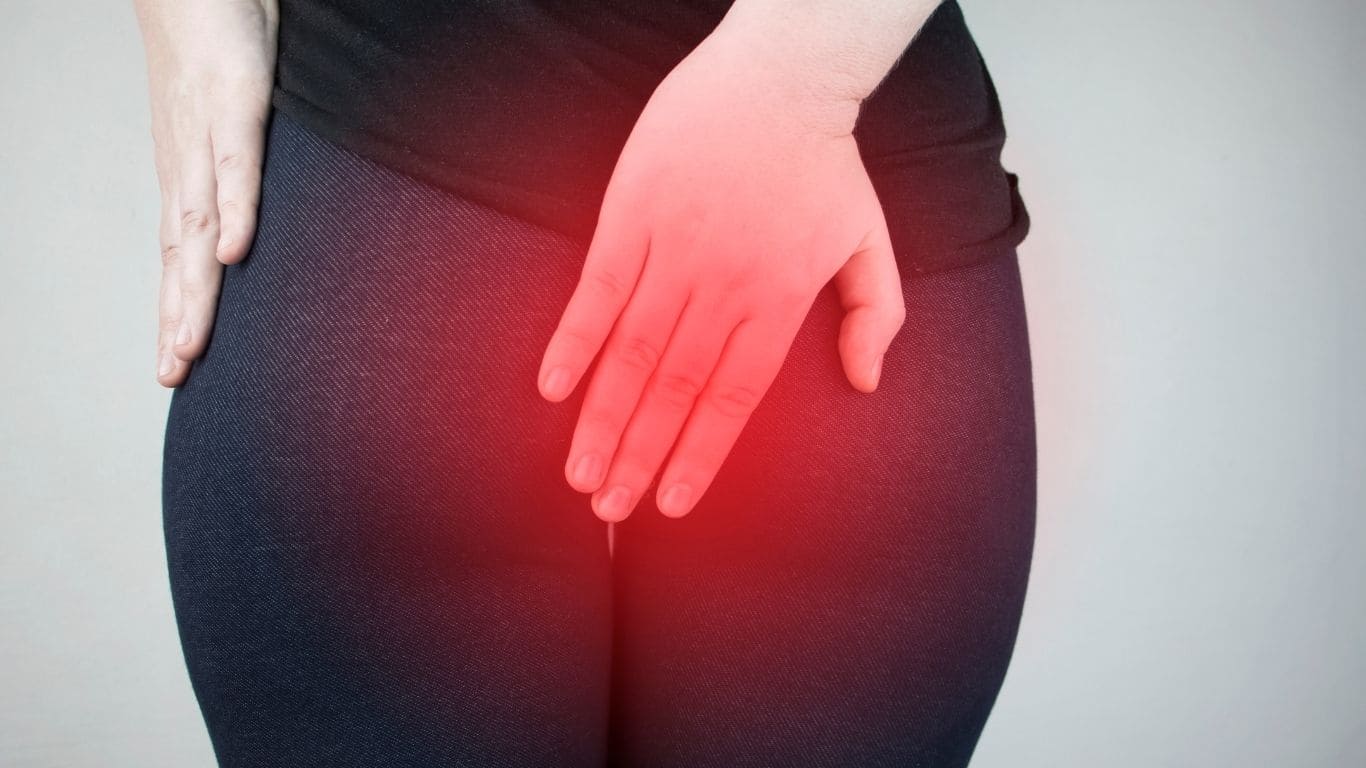
Hemorrhoids During Pregnancy: Why They Happen and How to Find Relief
Hemorrhoids are incredibly common during pregnancy, especially in the third trimester. As your body undergoes intense physical changes—weight gain, hormonal shifts, increased blood volume, and pressure on the pelvic area—the veins around the anus can become swollen and irritated. While pregnancy-related hemorrhoids can feel alarming, they’re usually manageable and often temporary. Still, understanding why they happen can help you prevent discomfort and take the right steps toward relief.
Because hemorrhoids share many causes with other forms of rectal vein swelling, pregnancy-related cases often overlap with factors like constipation and straining. This is one reason the topic is grouped under the broader Hemorrhoid Causes cluster, which covers lifestyle, gastrointestinal issues, and other conditions that increase anal pressure. If you’re experiencing symptoms and wondering whether they’re caused by pregnancy itself, or by other issues such as chronic diarrhea, it helps to break down what’s really happening inside your body.
What Causes Hemorrhoids During Pregnancy?
Several interconnected changes occur throughout pregnancy, all of which can contribute to hemorrhoid formation. These factors can overlap, and the more of them you experience, the higher your risk becomes. Below are the primary reasons pregnancy can trigger hemorrhoids.
1. Increased Pressure on Pelvic Veins
As the uterus expands, it presses on the inferior vena cava—the major vein responsible for carrying blood back to the heart from the lower body. This compression slows down blood flow, increasing pressure in the rectal veins. Over time, these veins become swollen, leading to internal or external hemorrhoids. This is one of the core mechanisms behind pregnancy-related hemorrhoids, especially during late pregnancy.
2. Constipation Caused by Hormonal Changes
Progesterone levels rise significantly during pregnancy. While essential for maintaining a healthy pregnancy, progesterone relaxes smooth muscle—including the muscles of your digestive tract. This slows bowel movement, often resulting in constipation. When constipation leads to straining, hemorrhoids can flare quickly. This is why constipation is also addressed as a general cause within the Hemorrhoid Causes cluster.
3. Increased Blood Volume During Pregnancy
Your body produces up to 50% more blood while supporting a developing baby. This increased blood flow adds pressure to veins throughout the body, especially in the rectal and pelvic region. When combined with slowed circulation from uterine pressure, this can significantly enlarge hemorrhoidal veins.
4. Prolonged Sitting or Standing
Fatigue is normal during pregnancy, especially in the second and third trimesters. Many pregnant women sit more often, whether due to discomfort, swelling, or simply needing rest. Unfortunately, extended sitting increases pressure on rectal veins. The same is true for standing in one spot for long periods. These small daily habits can gradually lead to hemorrhoids.
5. Labor and Delivery
Even if hemorrhoids don’t appear during pregnancy, they can develop during labor due to intense pushing. The force and pressure on the rectal area during the pushing stage can cause veins to swell and prolapse. This is why some women notice hemorrhoids for the first time postpartum, even if pregnancy itself wasn’t symptom-heavy.
Common Symptoms of Pregnancy-Related Hemorrhoids
While symptoms vary from person to person, hemorrhoids during pregnancy often present with:
- Rectal itching or irritation
- Painful bowel movements
- A lump or swelling around the anus
- Light bleeding (usually bright red on toilet tissue)
- Mucus leakage
Hemorrhoids can be internal or external, and pregnant women commonly experience both. External hemorrhoids may feel more uncomfortable due to swelling and friction. Internal hemorrhoids may bleed or prolapse, causing additional discomfort but often less pain.

Are Hemorrhoids Dangerous During Pregnancy?
Hemorrhoids during pregnancy are usually not dangerous, but they can be uncomfortable or frustrating. Most cases resolve after childbirth, especially if you adopt healthy bowel habits and preventive measures. However, severe bleeding, intense pain, or signs of infection should be evaluated by a healthcare professional. According to the Mayo Clinic, complications like thrombosis or strangulated hemorrhoids are rare but require prompt treatment.
How to Relieve Hemorrhoids During Pregnancy
The good news is that you can manage most pregnancy-related hemorrhoids safely at home. These techniques relieve discomfort and may help reduce swelling:
1. Increase Fiber Intake
Eating fiber-rich foods softens stools, making bowel movements easier and reducing the strain that worsens hemorrhoids. Whole grains, fruits, vegetables, and legumes are excellent choices.
2. Stay Hydrated
Dehydration worsens constipation. Aim for at least 8–10 glasses of water per day unless otherwise advised by your doctor.
3. Use Sitz Baths
Sitting in warm water for 10–15 minutes can soothe irritation, reduce swelling, and improve circulation to the anal area.
4. Apply Cold Compresses
A cold pack can provide immediate relief by shrinking swollen tissues. This can be especially helpful for external hemorrhoids.
5. Move Regularly
Gentle movement encourages circulation and helps reduce pelvic pressure. Short walks are a simple yet effective option during pregnancy.
6. Ask About Safe Medications
Some topical creams and medicated wipes are safe during pregnancy, but always check with your healthcare provider first.
Prevention: How to Reduce Your Risk
Preventing hemorrhoids is often easier than treating them, especially during pregnancy. Here are practical steps to minimize your risk:
- Eat a fiber-rich diet
- Stay hydrated throughout the day
- Avoid straining when using the bathroom
- Use a footstool to improve bowel positioning
- Don’t sit for extended periods
- Exercise gently but regularly
These habits also help reduce the risk of other hemorrhoid causes described in the main Hemorrhoids Pillar, making them valuable both during pregnancy and after childbirth.
When to See a Doctor
Although pregnancy-related hemorrhoids are common, seek medical advice if you experience:
- Heavy or persistent bleeding
- Severe pain
- Symptoms that worsen despite home care
- A protrusion that doesn’t go back inside
In rare cases, hemorrhoids may become thrombosed or infected, requiring medical intervention. Your doctor can recommend safe treatments and ensure that symptoms aren’t related to other conditions.
Final Thoughts
Hemorrhoids during pregnancy are uncomfortable but manageable with the right care. Understanding the causes—pressure on pelvic veins, hormonal changes, constipation, and lifestyle factors—can help you take preventive steps and find relief quickly. With gentle self-care and healthy bowel habits, most hemorrhoids improve during pregnancy or shortly after delivery.