
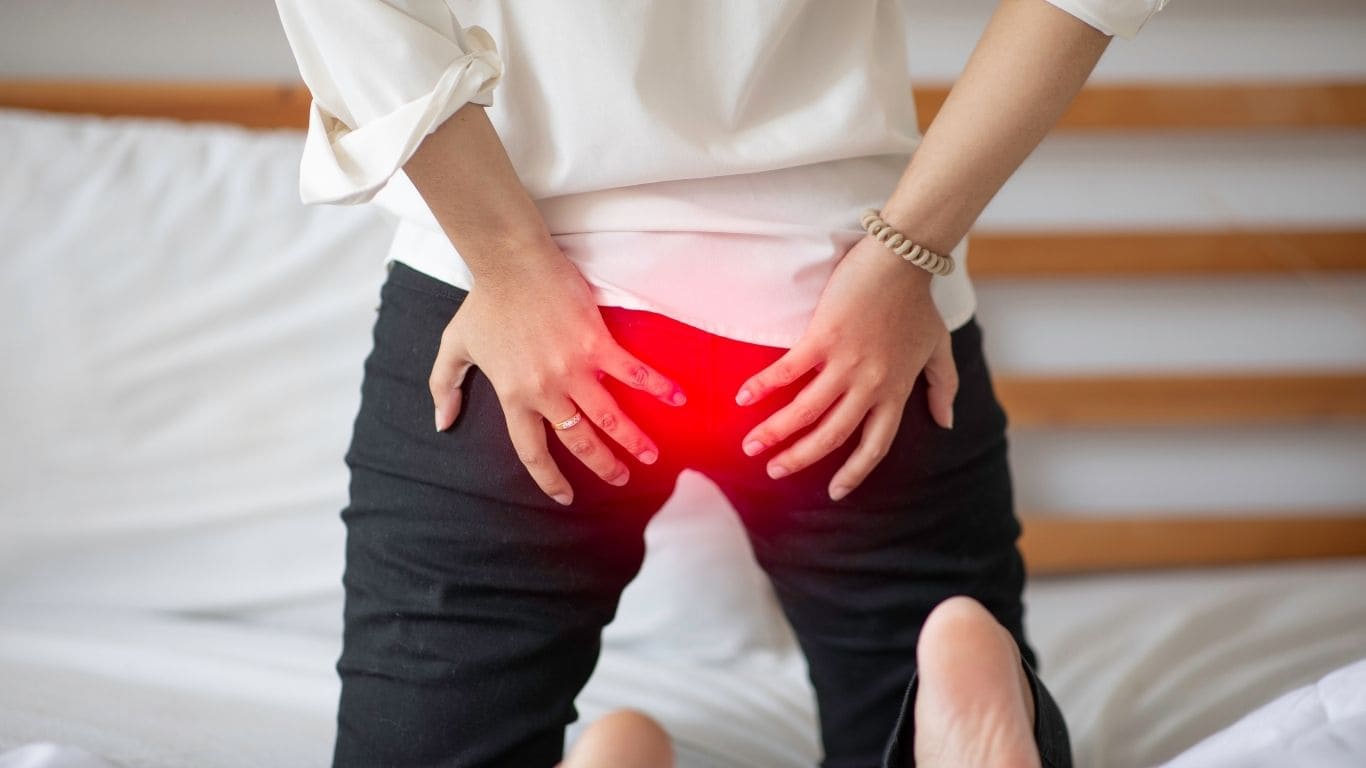
Hemorrhoids Hydration and Water Intake for Faster Relief
When hemorrhoids flare up, the discomfort often leads people to search for creams, wipes, or home remedies. Yet one of the most overlooked—and scientifically supported—strategies is something far simpler: proper hydration. Drinking enough water plays a direct role in stool consistency, bowel regularity, and pressure inside the rectal veins. All three factors matter when you’re dealing with hemorrhoids or trying to keep them from coming back.
This article explains how hydration affects hemorrhoids, how much water you actually need, and practical ways to stay hydrated consistently—especially if constipation or hard stools are already an issue.

Why Hydration Matters for Hemorrhoids
Hemorrhoids develop when veins around the rectum or anus become swollen due to increased pressure. One of the biggest contributors to that pressure is straining during bowel movements. Straining is far more likely when stools are dry, hard, and difficult to pass—something that commonly happens when fluid intake is too low.
Water works hand-in-hand with dietary fiber. Fiber adds bulk to stool, but without enough fluid, that bulk can actually make stools harder. When hydration is adequate, fiber absorbs water, creating softer stools that pass more easily and with less strain. This helps calm irritated hemorrhoidal veins and supports healing over time.
If you’re building long-term lifestyle changes, hydration is a key part of an effective hemorrhoids management plan outlined in the main hemorrhoids pillar guide.
How Dehydration Worsens Hemorrhoid Symptoms
Insufficient water intake affects the digestive system in subtle but meaningful ways. The colon’s job is to absorb water from waste before it leaves the body. When the body senses dehydration, the colon pulls out even more water—leaving stools dry and compact.
This can lead to:
- Hard stools that irritate existing hemorrhoids
- Increased straining during bowel movements
- Longer time spent on the toilet, increasing vein pressure
- Greater likelihood of hemorrhoids recurring
For people already following a hemorrhoid-focused diet, dehydration can undermine progress. That’s why hydration is an essential companion to other nutritional strategies discussed in the parent diet and prevention cluster.
How Much Water Should You Drink?
There’s no single number that works for everyone, but general recommendations offer helpful guidance. Most adults benefit from about 2.7 liters (91 ounces) per day for women and 3.7 liters (125 ounces) per day for men from all fluids combined, including water and water-rich foods.
For hemorrhoid prevention or relief, a practical rule is to drink enough so that your urine is pale yellow throughout the day. Factors that may increase your fluid needs include:
- High-fiber diets or fiber supplementation
- Hot climates or humid environments
- Physical activity or exercise
- Pregnancy or breastfeeding
If you’ve recently increased fiber intake but haven’t increased water intake, hydration may be the missing piece preventing regular, comfortable bowel movements.
Best Fluids for Supporting Bowel Health
Plain water is the gold standard, but hydration doesn’t come only from a glass. Many fluids and foods contribute to overall intake. That said, not all drinks affect hemorrhoids equally.
Helpful Hydration Choices
Water, herbal teas, and diluted fruit-infused water hydrate without irritating the digestive tract. Fruits and vegetables with high water content—like cucumbers, watermelon, oranges, and lettuce—also support hydration while offering fiber.
Drinks to Limit
Caffeinated beverages and alcohol can have mild diuretic effects, especially in larger amounts. While they don’t need to be eliminated entirely, they shouldn’t replace water as your main fluid source. Limiting alcohol is often recommended alongside avoiding other trigger foods discussed in the foods to avoid for hemorrhoids subcluster.
Hydration Timing: Does It Matter?
Yes. Drinking water consistently throughout the day is far more beneficial than consuming large amounts at once. Spreading intake allows the digestive system to maintain steady moisture levels, helping stool retain softness as it forms.
Many people find it helpful to:
- Drink a glass of water upon waking
- Have water with every meal
- Sip water regularly rather than waiting until thirsty
Thirst isn’t always an early indicator of dehydration, especially in older adults. Making hydration a habit rather than a reaction improves bowel health long term.
Combining Hydration with Fiber for Maximum Benefit
Hydration works best alongside adequate fiber intake. Soluble fiber absorbs water and forms a gel-like substance that softens stool, while insoluble fiber helps stool move through the digestive tract more efficiently.
If you’re actively increasing fiber through whole foods or supplements, water intake should increase as well. Otherwise, fiber may worsen constipation. This combination approach is explained in more detail in the high-fiber diet for hemorrhoids article.
For many people, improving hydration and fiber together reduces flare-ups more effectively than topical treatments alone.
Signs You May Need More Water
Beyond dry stools, dehydration can show up in other ways that indirectly affect hemorrhoid risk. Warning signs include infrequent bowel movements, dark urine, fatigue, and dry mouth. Paying attention to these cues may help prevent future discomfort.
If hemorrhoid symptoms persist despite lifestyle changes, medical evaluation is important. According to guidance from the Cleveland Clinic, persistent rectal bleeding or pain should always be assessed to rule out other causes.
Practical Tips to Stay Hydrated Every Day
Consistency is key. Small changes can make a lasting difference:
- Carry a reusable water bottle
- Set reminders if you forget to drink
- Flavor water with lemon or cucumber if plain water is unappealing
- Pair drinking water with regular daily activities
Over time, these habits help normalize bowel movements, reduce straining, and create an environment where hemorrhoids are less likely to worsen or return.
Hydration as a Long-Term Prevention Strategy
Hydration isn’t a quick fix, but it’s one of the most sustainable preventive tools available. When combined with smart dietary choices, healthy bowel habits, and physical activity, it forms the foundation of hemorrhoid prevention.
For a broader look at how diet-related strategies fit together, revisit the hemorrhoids diet and prevention cluster, where hydration plays a central role in minimizing discomfort and recurrence.