
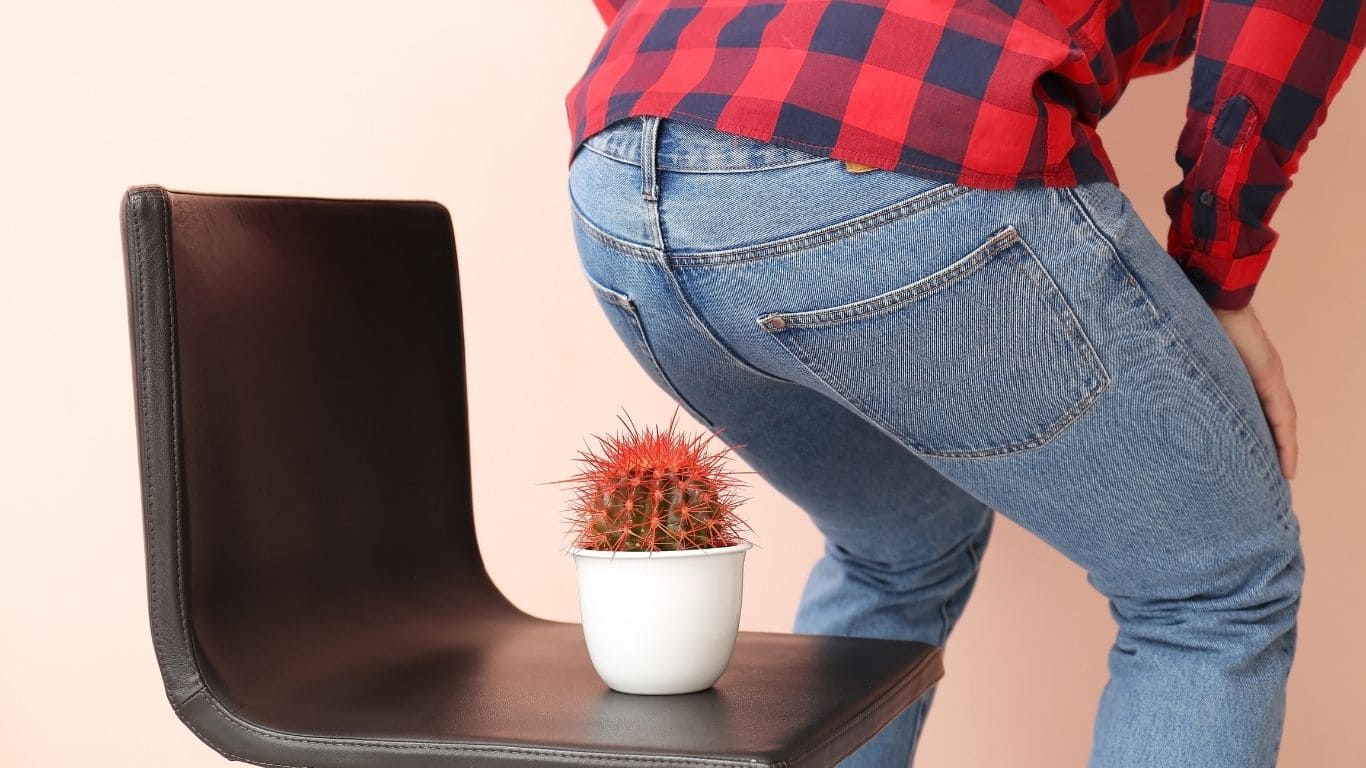
Healthy Bowel Habits That Reduce Hemorrhoids Naturally
Developing healthy bowel habits is one of the most effective yet often overlooked ways to both prevent hemorrhoids and reduce flare-ups if you already have them. Unlike medications or procedures that focus on symptoms, bowel habit changes address a core cause: excess pressure in the rectal veins during bowel movements.
If you’re managing hemorrhoids through dietary changes, this topic directly supports and complements the broader guidance in the hemorrhoids diet approach, where daily routines play just as important a role as what you eat.
Why Bowel Habits Matter for Hemorrhoids
Hemorrhoids develop when veins in the lower rectum or anus become swollen due to repeated strain or pressure. Poor bowel habits—such as holding in stool, straining on the toilet, or ignoring early urges—can turn occasional constipation into a chronic issue that worsens hemorrhoids over time.
Even individuals who consume a reasonable amount of fiber may struggle with hemorrhoids if their bathroom habits disrupt natural bowel reflexes. That’s why bowel behavior matters just as much as nutrition for long-term relief.
Respond Promptly to the Urge to Go
One of the most important bowel habits is listening to your body. Ignoring the urge to have a bowel movement allows stool to remain in the colon longer, where it becomes harder and drier. This often leads to straining, a major risk factor linked to hemorrhoid pain and bleeding.
Establishing a consistent response to natural urges helps maintain stool softness—especially when paired with proper hydration, as discussed in the hydration and water intake guide.
Maintain a Regular Bathroom Schedule
Training your body to have bowel movements at the same time each day supports a healthy gastrocolic reflex. Many people find success by scheduling bathroom time shortly after meals, particularly breakfast, when digestion naturally stimulates colon activity.
Consistency reduces random straining episodes and lowers pressure on hemorrhoidal veins. Over time, your body adapts, making bowel movements easier and more predictable.
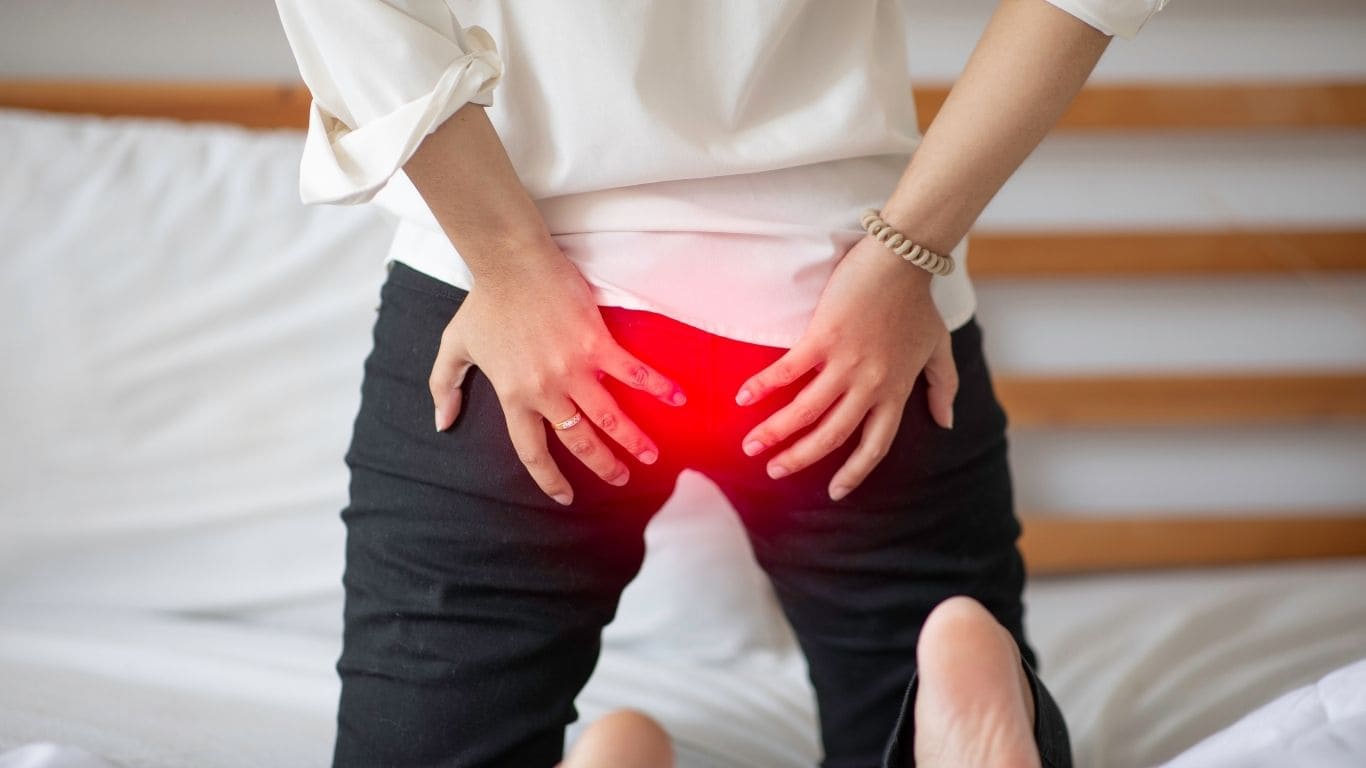
Avoid Straining and Prolonged Sitting
Straining on the toilet dramatically increases pressure in the rectal veins, worsening both internal and external hemorrhoids. If a bowel movement doesn’t happen within a few minutes, it’s better to leave and try again later rather than force the issue.
Equally important is limiting how long you sit on the toilet. Reading, scrolling on your phone, or lingering increases venous pressure in the anal area and can silently aggravate hemorrhoids over time.
Adopt a Proper Toilet Posture
Your body’s natural design favors a squatting position for bowel movements. Since most toilets promote a seated posture, adjusting your position can help. Placing your feet on a small stool elevates your knees above hip level, straightening the rectum and reducing the effort needed to pass stool.
This simple habit often leads to quicker, less strained bowel movements—an immediate win for hemorrhoid prevention.
Support Bowel Habits with Fiber-Rich Eating
Healthy bowel habits work best when supported by proper nutrition. A diet rich in fiber adds bulk and softness to stool, making it easier to pass without straining. This strategy is explored in depth in the high-fiber diet for hemorrhoids resource.
If dietary changes alone don’t provide consistency, fiber supplements may help under medical guidance, as outlined in the fiber supplements subcluster.
Create a Calm, Unrushed Bathroom Environment
Stress and distraction can interfere with the body’s natural elimination reflex. Rushing into and out of the bathroom often leads to incomplete bowel movements, which can trigger repeat urges later in the day.
Try to create a calm, distraction-free environment where you allow your body to work naturally without pressure or expectation.
Teaching Healthy Bowel Habits Early
For households with children or elderly individuals, reinforcing healthy bowel routines early can prevent long-term complications. Encouraging regular bathroom visits, adequate fluid intake, and relaxed postures benefits everyone—especially those at higher risk for hemorrhoids due to age or reduced mobility.
When to Seek Medical Advice
While bowel habit improvements are highly effective for prevention and mild symptoms, persistent bleeding, severe pain, or unexplained changes in bowel patterns should be evaluated by a healthcare provider.
According to the National Institute of Diabetes and Digestive and Kidney Diseases, rectal bleeding is not always caused by hemorrhoids and may signal other conditions requiring treatment (NIDDK – Hemorrhoids).
Building Long-Term Protection Against Hemorrhoids
Healthy bowel habits are not a short-term fix—they’re a lifelong strategy. When combined with proper diet, hydration, and lifestyle choices, they significantly reduce the recurrence of hemorrhoids and improve overall digestive comfort.
For a complete understanding of how bowel habits fit into hemorrhoid prevention and treatment, explore the main hemorrhoids pillar guide, which connects dietary strategies, home remedies, and medical care in a comprehensive approach.
By making small, consistent adjustments to daily routines, you can protect your digestive health and minimize hemorrhoid discomfort naturally and effectively.