Lifestyle Balance for Modern Living
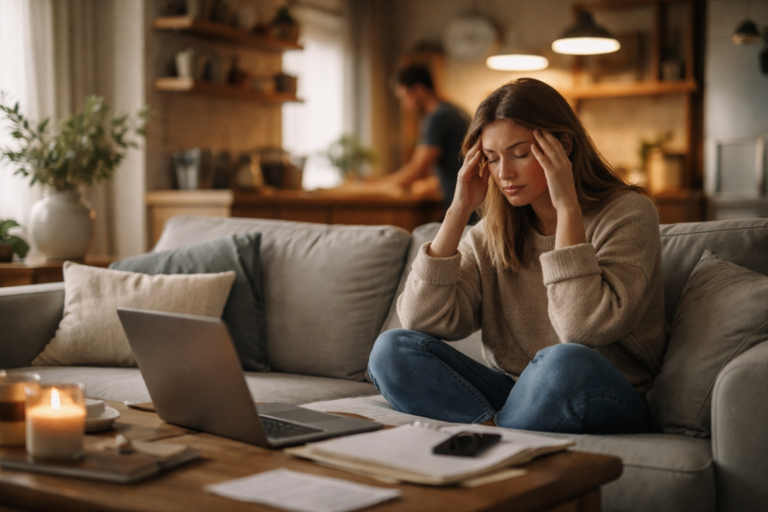
Some days don’t feel chaotic, yet they don’t feel settled either. Everything gets done, conversations happen, screens get turned off at a reasonable hour, and still there’s a quiet sense that the day never quite landed. This in-between feeling is often what people are noticing when they think about lifestyle balance for modern living.
This topic isn’t about doing less or achieving some ideal version of calm. It’s more about how daily life feels from the inside. Many adults sense that time moves quickly, routines stack up, and mental space becomes thinner even when schedules look manageable on paper.
Lifestyle balance for modern living describes this everyday tension between activity and ease, productivity and presence, structure and breathing room. It shows up subtly, woven into ordinary weeks rather than dramatic moments.
This overview explores how that balance is commonly experienced, what tends to shape it, and why it can feel elusive even for people who are organized, capable, and intentional.
For a broader perspective on how daily patterns connect across energy, comfort, and rhythm, you can explore this everyday wellness overview that looks at lifestyle flow as a whole.
What Lifestyle Balance Often Feels Like Day To Day
In everyday life, balance rarely feels like stillness. It feels more like a sense that your internal pace matches what’s happening around you.
When balance feels present, days tend to move with fewer internal interruptions. Tasks still require effort, but they don’t crowd each other mentally. Transitions feel smoother. Even busy schedules leave small pockets of mental quiet.
When balance feels off, it often isn’t dramatic. Instead, it shows up as:
- Evenings that feel heavier than expected
- Free time that doesn’t quite refresh
- Routines that work individually but feel draining together
- A sense that days are full without feeling meaningful
These experiences are common, especially in modern routines shaped by constant access, digital pace, and overlapping responsibilities.
Why Modern Routines Can Feel Subtly Unbalanced
Most people don’t feel overwhelmed because of one big factor. Instead, balance shifts gradually as small pressures accumulate.
Digital communication blurs boundaries. Work tasks extend into personal time without being obvious. Notifications create mental fragmentation even during rest. At the same time, social expectations encourage responsiveness and availability.
Many routines are designed for efficiency rather than ease. Calendars are optimized, but energy isn’t always considered. Even self-care habits can feel like items to complete rather than moments to experience.
Over time, this creates a quiet compression of mental space. Days don’t feel bad, yet they rarely feel spacious.
The Emotional Texture Of Daily Balance
Lifestyle balance isn’t just about time. It’s also about how emotions move through the day.
Balanced days tend to have emotional contrast. There are focused moments, lighter moments, pauses, and transitions that feel distinct. Unbalanced days often feel emotionally flat or heavy, even when they’re productive.
This doesn’t mean emotions need to be managed or fixed. It simply reflects how rhythm influences mental clarity and satisfaction.
When routines leave little room for emotional variation, days can feel repetitive or mentally tiring without a clear reason.
How Timing Shapes Daily Experience
Timing plays a surprisingly large role in lifestyle balance.
When tasks that require focus are clustered too closely, mental fatigue builds faster. When recovery time is delayed or shortened, evenings can feel restless rather than restorative.
Many people notice that balance feels better when there’s a natural ebb and flow to the day. Activity rises and falls instead of staying at one steady, demanding level.
Modern schedules often flatten this rhythm, keeping attention partially engaged for long stretches.
Environment And Its Quiet Influence
Physical and digital environments quietly shape how balanced life feels.
Spaces filled with unfinished cues, open tabs, or constant alerts keep the mind lightly engaged even during downtime. This can make rest feel incomplete without being obviously disrupted.
On the other hand, environments that signal clear transitions tend to support balance. Even small signals, like changing lighting or stepping outside briefly, can shift how the mind experiences the day.
These influences are subtle, but they add up over time.
Common Lifestyle Balance Experiences People Notice
While everyone’s routine is different, certain patterns show up repeatedly in conversations about lifestyle balance for modern living.
Work And Personal Time Feeling Blended
Many people describe a sense that professional and personal roles bleed into each other, making it harder to feel fully off or fully focused. This experience is explored further in this discussion of blurred work-life boundaries.
Mentally Heavy Daily Routines
Some routines feel manageable physically but mentally dense, leaving little room for lightness. This pattern is described in more detail in this look at mentally heavy routines.
Busy Days That Feel Off-Kilter
It’s common to have days packed with activity that still feel unbalanced. You can read more about this familiar experience in this exploration of busy but unsatisfying days.
Habits That Quietly Drain Motivation
Some daily habits seem harmless but gradually reduce energy and engagement. This idea is unpacked further in this overview of motivation-draining habits.
Free Time That Doesn’t Restore
Free time doesn’t always feel restful, especially when attention stays fragmented. This experience is discussed in this look at unrefreshing downtime.
Evenings That Feel Heavier Than Mornings
Routines That Seem Fine Individually
Personal Time Interrupted In Small Ways
Full Days Without Satisfaction
Routines Leaving Little Mental Space
Rest That Doesn’t Feel Complete
Weeks That Feel Compressed
Fragmented Free Time
Slower Days Feeling Richer
Why Balance Is Often Hard To Name
One reason lifestyle balance feels tricky is that it doesn’t have a clear definition. It isn’t about hours worked, steps taken, or tasks completed.
Instead, it’s felt internally. Two people can have similar schedules while experiencing very different levels of balance.
This makes it easy to dismiss discomfort as normal or unavoidable. Many people assume feeling slightly drained is just part of adult life.
Recognizing these patterns doesn’t mean something is wrong. It simply brings awareness to how modern routines shape experience.
Balance As A Living, Shifting State
Lifestyle balance for modern living isn’t something you achieve once and keep. It shifts with seasons, responsibilities, and life phases.
What feels balanced during one period may feel heavy during another. This doesn’t reflect failure or poor habits. It reflects change.
Understanding balance as flexible rather than fixed can make daily experiences feel less frustrating and more understandable.
A Simple Perspective For Everyday Awareness
At its core, this topic invites gentle noticing.
Noticing when days feel full but not nourishing. Noticing when rest doesn’t quite land. Noticing when routines support clarity versus crowd it.
These observations don’t demand action. They simply offer insight into how lifestyle balance shows up in modern life.
By understanding these everyday patterns, many people find it easier to relate to their own experience with curiosity rather than judgment.
Lifestyle balance for modern living isn’t about perfection. It’s about recognizing how daily rhythms feel, and why that feeling matters more than the schedule itself.
This guide offers a lens, not a prescription, for understanding a common experience shared quietly by many.

Camellia Wulansari is a dedicated Medical Assistant at a local clinic and a passionate health writer at Healthusias.com. With years of hands-on experience in patient care and a deep interest in preventive medicine, she bridges the gap between clinical knowledge and accessible health information. Camellia specializes in writing about digestive health, chronic conditions like GERD and hypertension, respiratory issues, and autoimmune diseases, aiming to empower readers with practical, easy-to-understand insights. When she’s not assisting patients or writing, you’ll find her enjoying quiet mornings with coffee and a medical journal in hand—or jamming to her favorite metal band, Lamb of God.