Why Naps Sometimes Make You Feel Worse
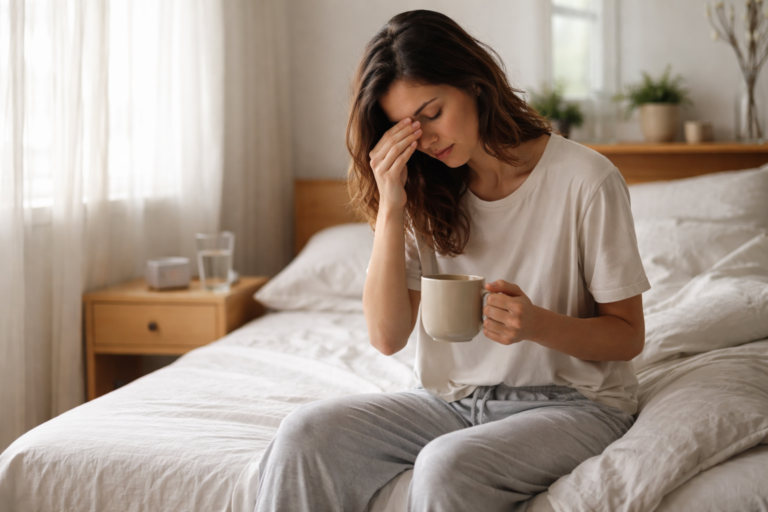
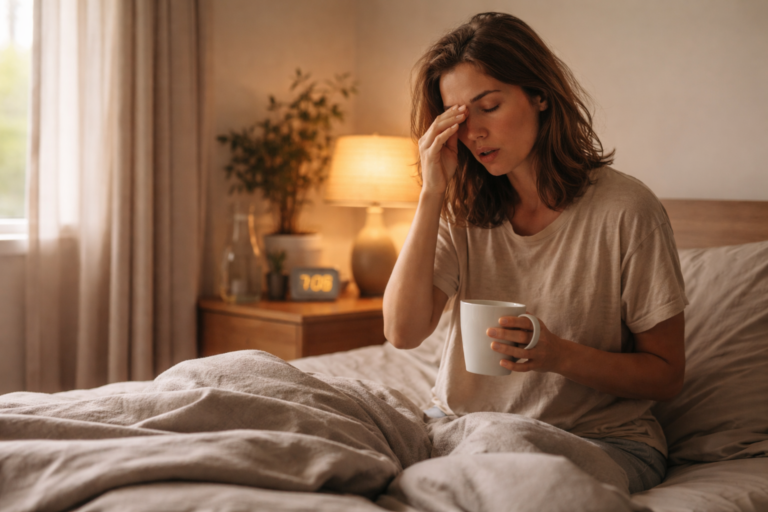
There’s a familiar moment that doesn’t get much attention. You lie down in the middle of the day, drift off for what feels like a short while, and wake up expecting a gentle reset. Instead, things feel heavier. Your head is foggy. Your body feels slow. The day somehow feels more distant than before.
It’s common enough that people mention it casually, almost as a joke. A nap that backfires. The strange feeling of being more tired after resting. It doesn’t always happen, and that’s part of what makes it puzzling.
Why naps sometimes make you feel worse is one of those everyday questions that floats around without a clear answer. It shows up in real life, not in charts or studies, but in afternoon moods, missed focus, and the sense that time slipped sideways.
This page looks at that experience the way many people encounter it: through timing, routines, and small daily rhythms that aren’t always obvious in the moment.
People often notice that naps don’t land the same way every day. Sometimes they feel refreshing. Other times, they leave a strange aftertaste. It’s rarely dramatic, just a quiet mismatch between what you expected and what actually happened.
That Heavy Feeling After Waking
The first few minutes after a nap can feel oddly thick. Your body knows you rested, but your mind hasn’t caught up yet. Sounds feel louder. Light feels sharper. Even familiar spaces can feel slightly off.
This sensation isn’t the same every time. On some days it passes quickly. On others, it lingers longer than expected, stretching into the rest of the afternoon.
What stands out is how unpredictable it feels. The nap itself may have been short. The environment might have been quiet. Nothing obviously “went wrong.” Yet the result still feels heavier than before.
Many people describe this as a kind of internal lag. Not exhaustion exactly, but a dullness that makes simple tasks feel slower.
Timing Has a Quiet Influence
One pattern that comes up often is timing. Not in a strict, clock-watching way, but in how naps seem to land differently depending on when they happen.
A nap taken earlier in the day can feel light and passing. One taken later sometimes feels deeper, even if it wasn’t intended that way. The body seems to slip into something more substantial without warning.
There’s also the sense of interrupting a natural rhythm. Many people notice that their energy shifts naturally across the day, rising and falling without much planning. A nap can either glide along with that flow or bump against it.
When the timing feels slightly off, the nap doesn’t blend into the day. It cuts across it. Waking up then feels like starting over instead of continuing.
The In-Between Hours
The middle of the afternoon sits in an odd place. It’s not quite morning anymore, but not yet evening. A nap here can feel tempting, especially during slower moments.
But this window also carries momentum. Emails, errands, conversations, background noise. Falling asleep during this stretch can feel like stepping out of traffic, only to step back in disoriented.
People often notice that naps taken during these in-between hours are the ones most likely to feel strange afterward.
Depth Without Intention
Another quiet factor is how deeply you fall asleep, even when you don’t mean to. Many people lie down expecting a light rest and wake up feeling like they surfaced from somewhere deeper.
This can happen quickly. The body seems to take advantage of the pause, especially if the day has been long or mentally crowded.
When a nap dips deeper than expected, waking up can feel abrupt. The body may still feel anchored to rest while the day demands movement.
That mismatch can linger. Not as sleepiness, but as a dull drag that makes everything feel slightly delayed.
Environment Shapes the Wake-Up
Where you nap matters more than people often realize. A couch, a bed, a car seat, a quiet room with curtains half-drawn. Each setting carries its own signals.
Napping in a place usually reserved for nighttime can blur boundaries. The body doesn’t always know this rest is meant to be temporary.
Lighting also plays a role in how waking feels. Dim rooms can make it harder to reorient. Bright spaces can feel jarring.
These details don’t cause the experience on their own, but they shape how smoothly someone returns to the day.
Expectations Versus Reality
Part of the discomfort comes from expectation. A nap is often imagined as a reset button. When it doesn’t work that way, the contrast feels sharper.
People rarely expect to feel worse after resting. So when it happens, it stands out more than other small energy dips.
This can make the feeling seem bigger than it is. A mild fog becomes frustrating simply because it wasn’t anticipated.
Over time, some people start associating naps with this disappointment, even though the experience isn’t consistent.
How the Day Was Going Before
Naps don’t exist in isolation. They sit inside the texture of the day that came before them.
A morning filled with noise, screens, or constant decisions can leave a subtle residue. Lying down doesn’t always clear it immediately.
In those cases, waking up can feel like reopening a browser tab that never fully closed.
The nap didn’t create the heaviness, but it didn’t erase it either.
A Familiar Pattern, Not a Problem
For many people, this experience repeats often enough to feel familiar, but not often enough to feel predictable. That’s part of what keeps it confusing.
It’s not a sign that naps are “bad” or that something is wrong. It’s more like a reminder that rest interacts with timing, environment, and daily rhythm in subtle ways.
Some days everything lines up. Other days it doesn’t.
Noticing Without Fixing
What stands out in everyday conversations is how people talk about these naps. There’s usually a shrug involved. A laugh. A sense of mild surprise.
Few people treat it as something to solve. It’s more something to notice and file away mentally.
That awareness alone can change how the experience feels, without needing to define it further.
Part of a Bigger Sleep Picture
This small, specific experience fits into a broader set of everyday sleep patterns that people notice over time. Energy shifts, rest expectations, and daily comfort tend to blend together.
Those patterns are often explored more broadly in discussions around everyday sleep and recovery rhythms, where naps are just one small piece of the picture.
Why naps sometimes make you feel worse doesn’t have a single explanation. It’s more like a collage of timing, depth, and daily context.
For many people, that makes the experience easier to accept. Not everything needs a clear reason. Some things just happen in the flow of ordinary days.
People often notice feeling groggy or off after a daytime nap, especially when it happens later than expected or in the middle of a busy routine.

Robin Abbott is a wellness and lifestyle writer at Healthusias, focusing on everyday health awareness, habits, and life optimization through clear, non-medical explanations.