Why Energy Feels Different Indoors vs Outdoors
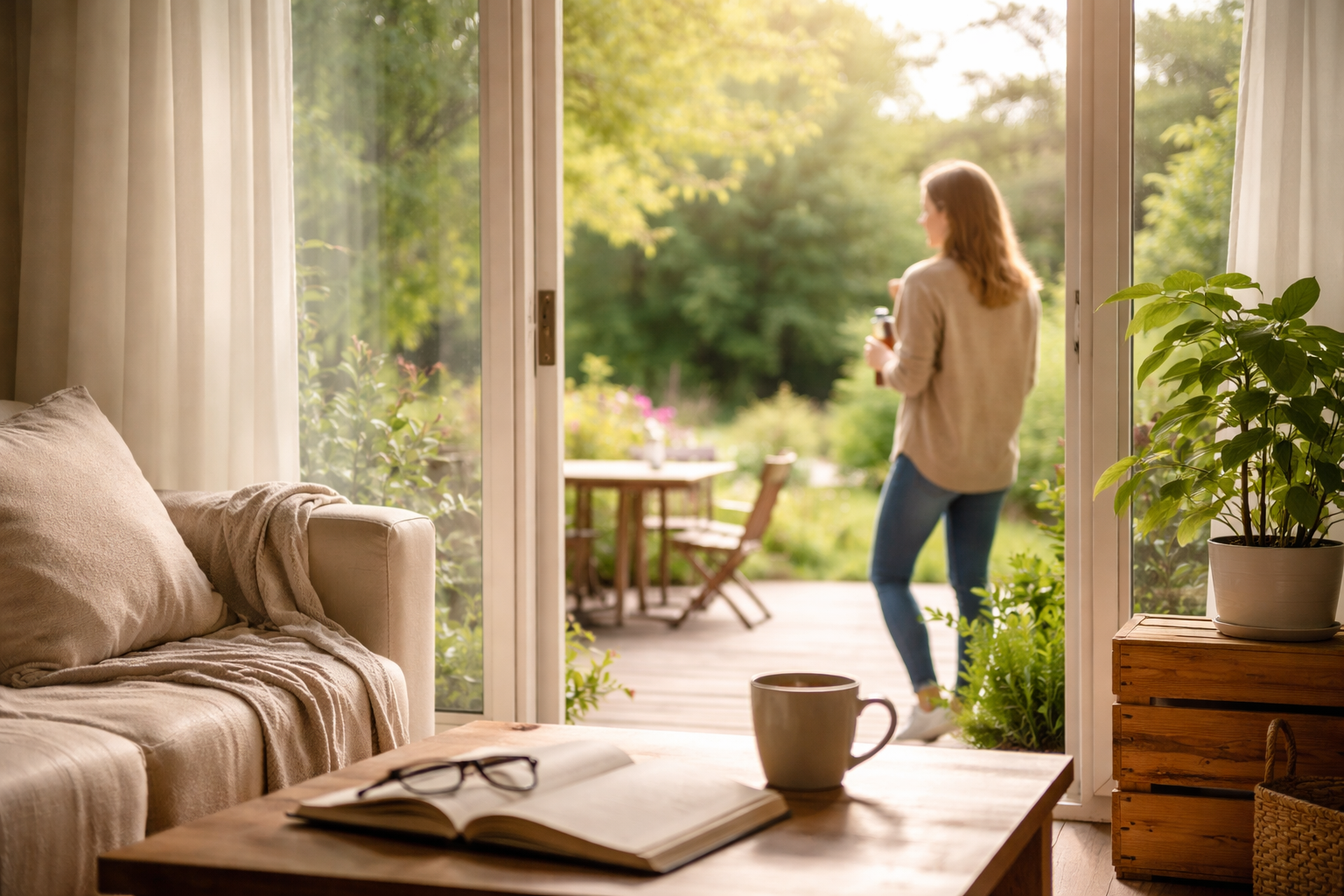
There’s a quiet contrast many people notice without putting words to it. A few minutes outside can feel mentally lighter, even if nothing obvious has changed. Then, stepping back indoors, the mood subtly shifts again. It’s not dramatic, but it’s familiar.
This difference often shows up during ordinary moments: working near a window, running a quick errand, or sitting inside all afternoon and realizing the day feels heavier than expected. People don’t usually question it right away. It just registers as a change in how the day feels.
Why energy feels different indoors vs outdoors is a common experience tied closely to environment, routine, and awareness. It’s less about effort and more about how spaces shape attention, comfort, and the sense of momentum throughout the day.
Noticing the Shift Without a Clear Cause
Most people don’t wake up thinking about indoor or outdoor energy. The contrast becomes noticeable only after moving between spaces. A short walk outside might bring a sense of alertness, while returning indoors can feel quieter or more contained.
This shift isn’t always positive or negative. Sometimes indoor spaces feel calming and steady. Other times they feel draining in ways that are hard to explain. Outdoors can feel refreshing one day and overwhelming the next.
What makes the experience tricky is that it doesn’t announce itself. There’s no single moment when the change happens. It builds quietly, often becoming clear only in hindsight.
How Daily Routines Shape Perception
Modern routines place people indoors for long stretches. Work, errands, meals, and rest often happen in enclosed spaces, sometimes without much variation. Over time, this becomes the baseline.
When stepping outside breaks that baseline, the contrast can feel sharper. Even brief outdoor moments introduce differences in light, sound, and movement that the body registers quickly.
Indoors, routines tend to be predictable. Furniture stays put. Screens hold attention. The day follows a familiar rhythm. Outdoors introduces subtle unpredictability, which can feel energizing simply because it’s different.
Timing Plays a Quiet Role
The time of day often influences how this contrast is felt. Morning outdoor light can feel more activating, while afternoon time outside might feel grounding after hours indoors.
Evenings add another layer. Indoor spaces may feel more comfortable and contained, while outdoor environments can feel expansive or, at times, overstimulating. These shifts happen without much conscious thought.
The Influence of Physical Space
Indoor environments are designed for control. Temperature, lighting, and sound are managed to reduce variables. This can create comfort, but it can also flatten sensory experience.
Outdoors offers less control but more variation. Changes in air, natural sounds, and visual depth subtly engage attention. This engagement can register as increased energy or mental clarity.
Neither setting is inherently better. The difference lies in how each space interacts with daily habits and expectations.
Light and Visual Range
Indoors, lighting is often steady and directional. Outdoors, light shifts constantly. Shadows move. Colors change with the time of day.
This variation gives the eyes more to process, which can create a sense of alertness. Indoors, the visual field is usually narrower, encouraging focus but sometimes contributing to mental fatigue.
Sound, Movement, and Attention
Sound behaves differently across environments. Indoors, noise tends to be repetitive: appliances, screens, background hums. These sounds fade into the background but can quietly affect mood.
Outdoor sounds are less predictable. Footsteps, wind, distant voices, or traffic create a layered soundscape that the mind notices without needing to focus.
Movement also changes. Indoors, movement is often limited and purposeful. Outdoors, even standing still involves subtle shifts in posture and balance, which can affect how present someone feels.
Why Indoor Energy Can Feel Heavier
People often describe indoor energy as heavier, especially after long stretches without going outside. This heaviness isn’t dramatic. It shows up as restlessness, dull focus, or a sense that time is moving slowly.
Part of this comes from repetition. The same walls, same chair, same lighting create a loop that the mind learns too well. Without variation, attention can feel stuck.
Another factor is association. Indoor spaces often carry expectations related to productivity, responsibility, or routine. Those associations can shape how energy feels, even when nothing is actively happening.
Why Outdoor Energy Can Feel Lighter
Outdoor spaces often feel lighter because they interrupt patterns. Even familiar outdoor routes change slightly each day, offering small moments of novelty.
This doesn’t mean outdoor time always feels uplifting. Crowded streets or harsh weather can feel draining. Still, the sense of openness often shifts perception in noticeable ways.
There’s also less pressure to perform outdoors. The absence of screens and structured tasks allows attention to soften, which many people interpret as renewed energy.
Indoor Comfort Versus Outdoor Stimulation
Comfort plays a central role in how energy is experienced. Indoors is usually associated with safety and control. That comfort can support rest and focus.
Outdoors introduces mild stimulation. The body adjusts continuously to small changes, which can feel engaging or tiring depending on the day.
Energy often fluctuates between these two needs. Some days call for contained spaces. Others benefit from openness. Awareness of this balance matters more than choosing one over the other.
How Awareness Changes the Experience
Many people move between indoor and outdoor spaces on autopilot. When attention is elsewhere, the energy shift still happens, but it may feel confusing.
Noticing the pattern doesn’t require analysis. Simply recognizing that environment affects how the day feels can bring clarity.
This awareness helps explain why certain days feel smoother than others without needing to label the experience or search for fixes.
Common Moments When People Notice
- After stepping outside during a busy workday
- Returning indoors after spending time outdoors
- Working near a window versus a closed room
- Running errands compared to staying inside all day
These moments don’t demand action. They simply highlight how responsive energy can be to surroundings.
Why This Topic Resonates So Widely
Why energy feels different indoors vs outdoors comes up often because it touches everyday life. It’s not about extremes. It’s about subtle shifts that repeat across days.
People sense that environment plays a role but may not have language for it. Naming the experience can be reassuring.
This topic also fits naturally within broader conversations about daily energy patterns, where environment, routine, and awareness intersect.
A Neutral Look at a Familiar Pattern
This topic isn’t about changing habits or choosing sides. It’s about understanding a common experience that unfolds quietly in daily life.
Indoor and outdoor spaces each offer something different. Energy shifts between them are natural, not problems to solve.
Recognizing the contrast allows people to feel more at ease with their own rhythms, without pressure to optimize or explain every fluctuation.
Search Overview
Why energy feels different indoors vs outdoors is a common everyday experience influenced by environment, routine, and perception. This overview explores how people often notice subtle shifts in focus and comfort between indoor and outdoor spaces.

Robin Abbott is a wellness and lifestyle writer at Healthusias, focusing on everyday health awareness, habits, and life optimization through clear, non-medical explanations.