Kidney Friendly Vegetables: Best Options for a Renal Diet Plan
Many people first hear about “kidney-friendly vegetables” after being told to pay closer attention to their diet. It can feel confusing at first—especially when vegetables are usually seen as universally healthy. Suddenly, certain choices matter more than others, and understanding why becomes important.
Kidney friendly vegetables are simply vegetables that are easier for the body to process when kidney function is reduced. They tend to be lower in certain minerals like potassium or phosphorus, which can build up in the body when the kidneys are not filtering efficiently.
For those exploring a renal diet plan, learning which vegetables fit better into daily meals can make the process feel more manageable and less restrictive.
What Makes Vegetables “Kidney Friendly”?
When people talk about kidney-friendly vegetables, they’re usually referring to how those foods affect mineral balance in the body. The kidneys help regulate minerals like potassium, sodium, and phosphorus. When kidney function changes, this balance can shift.
Some vegetables are naturally higher in potassium, which may need to be limited depending on individual circumstances. Others are lower and tend to be easier to include regularly.
It’s not about labeling foods as “good” or “bad,” but rather understanding how they fit into a broader eating pattern.
- Lower potassium content – easier for the body to manage
- Minimal added sodium – supports fluid balance
- Fresh or minimally processed – avoids hidden additives
This is why two vegetables that seem equally healthy can have different roles in a renal diet.
Ad
Trying to Make Sense of Kidney-Friendly Foods? This Guide Breaks It Down Simply
Instead of guessing which foods fit into a kidney-conscious lifestyle, some people prefer having everything organized in one place. A structured guide can help connect the dots between everyday meals and long-term habits.
Explore how this approach is laid out step by step
Common Kidney Friendly Vegetables to Know
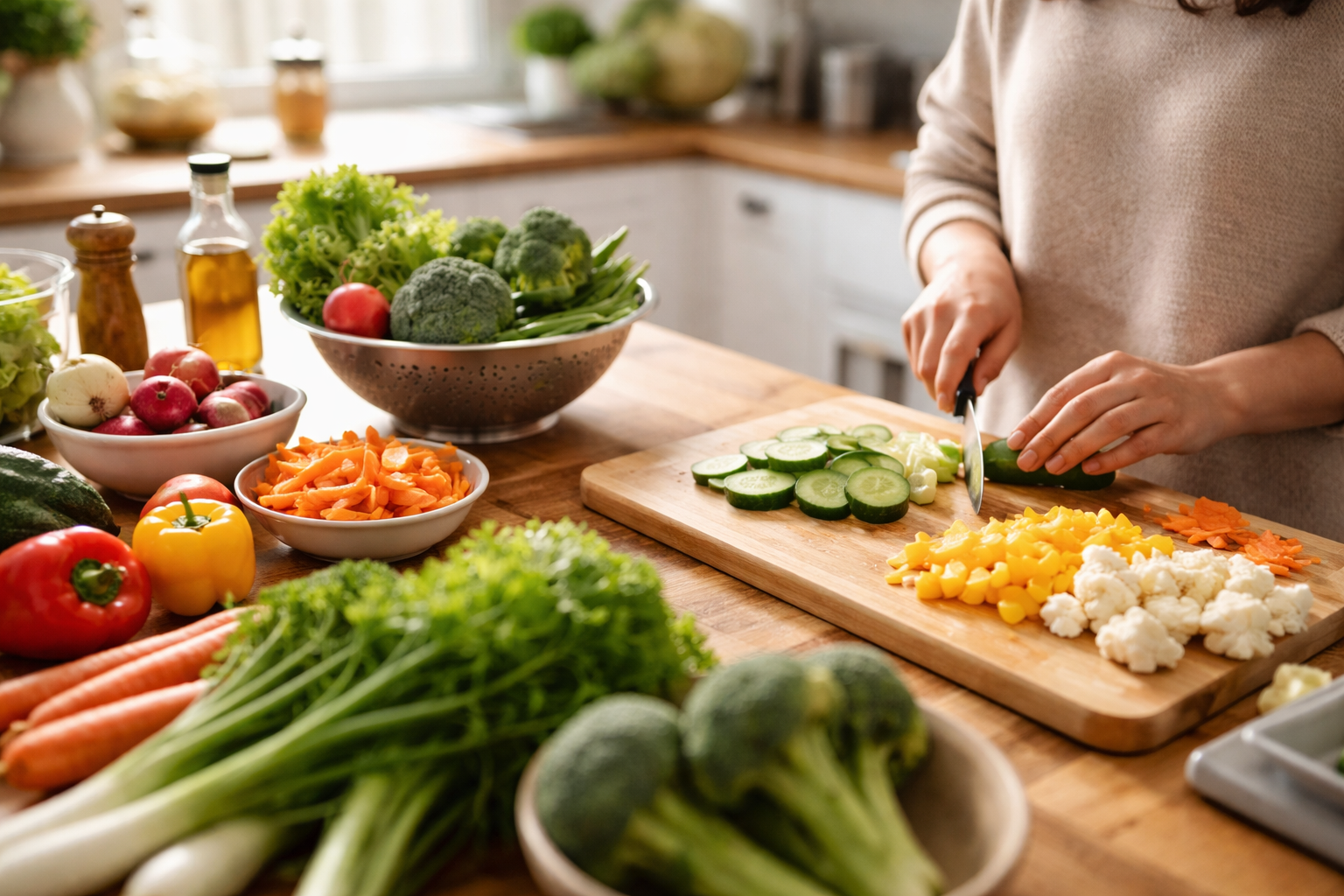
There are several vegetables that are often included in kidney-conscious meal plans due to their relatively lower potassium levels and versatility in cooking.
Leafy Greens (in Moderation)
Not all leafy greens are the same. While some are higher in potassium, others can be used in smaller portions.
- Lettuce (especially iceberg or romaine)
- Cabbage
- Kale (in controlled amounts)
These are often used as a base for salads or side dishes, offering texture without overwhelming mineral content.
Cruciferous Vegetables
These vegetables are commonly included because they are generally lower in potassium compared to others.
- Cauliflower
- Broccoli (moderate portions)
- Turnips
They also tend to be filling, which can help with portion control.
Root Vegetables (Carefully Selected)
Some root vegetables are better suited than others.
- Carrots
- Radishes
- Beets (usually limited depending on portion)
Preparation methods, like boiling and draining, may reduce certain mineral levels, which is something many people explore as part of dietary adjustments.
Other Low-Potassium Options
- Cucumber
- Bell peppers
- Green beans
- Zucchini
These vegetables are often easier to incorporate into everyday meals without major adjustments.
Why Potassium Matters in a Renal Diet
Potassium plays an important role in muscle and nerve function, including the heart. However, when kidney function declines, the body may not remove excess potassium effectively.
This is why people often become more aware of potassium content in foods, including vegetables.
It’s worth noting that potassium needs can vary. Some individuals may need to limit it more strictly, while others may have more flexibility. This is often why dietary plans are personalized.
If you’re looking for a broader overview of how different foods fit into kidney-conscious eating, you can explore the renal diet food approach for more context.
How People Usually Adjust Their Vegetable Intake
Adapting to a kidney-friendly vegetable plan doesn’t usually happen overnight. Most people make gradual changes as they learn what works for them.
Portion Awareness
Even lower-potassium vegetables can add up if eaten in large amounts. Portion size becomes just as important as food choice.
Cooking Methods
Some people use specific cooking techniques to reduce potassium levels, such as:
- Boiling vegetables and discarding the water
- Avoiding steaming or roasting for certain high-potassium vegetables
These methods are often part of practical dietary adjustments rather than strict rules.
Reading Food Labels
Packaged vegetable products may contain added sodium or preservatives. Over time, many people become more aware of labels and ingredient lists.
Vegetables That Are Often Limited
While many vegetables are nutritious, some are higher in potassium and are often consumed in smaller amounts or less frequently in a renal diet.
- Potatoes
- Sweet potatoes
- Tomatoes
- Spinach
- Avocados
This doesn’t necessarily mean they are completely avoided, but they are usually managed more carefully.
For a more complete breakdown of how these foods fit into a larger plan, the renal diet food list can help put things into perspective.
How This Fits Into Daily Eating Habits
One of the biggest adjustments people notice is how their everyday meals change. Instead of focusing on restrictions, many shift toward building meals around what they can include.
This often looks like:
- Choosing a base vegetable that fits their needs
- Adding protein and grains around it
- Keeping seasoning simple to avoid excess sodium
Over time, this approach becomes more natural and less overwhelming.
Related Dietary Considerations
Kidney-friendly eating rarely focuses on just one nutrient. Vegetables are part of a broader picture that includes:
- Sodium intake
- Fluid balance
- Protein choices
- Phosphorus levels
Because of this, many people explore different aspects of diet together rather than in isolation. For example, understanding a low potassium diet for kidney health can provide more clarity on how vegetables fit into the overall plan.
When People Start Looking for More Structured Guidance
At some point, trying to manage everything mentally can feel overwhelming. Tracking potassium, sodium, and portion sizes across multiple meals can become difficult without a system.
This is where some people begin looking for more organized ways to approach kidney-friendly eating. Instead of piecing together scattered information, they prefer something that connects daily habits into a clear structure.
In some cases, readers explore resources like a natural kidney support guide to better understand how food choices, routines, and lifestyle patterns fit together.
Frequently Asked Questions
Are all vegetables safe for kidney health?
Not always. While vegetables are generally healthy, some contain higher levels of potassium or phosphorus. The key is understanding which ones fit better into a kidney-conscious eating pattern and how much to include.
Can I still eat my favorite vegetables?
In many cases, yes—but portion size and frequency may change. Some people continue enjoying their favorite vegetables in smaller amounts or with adjusted preparation methods.
Do cooking methods really make a difference?
They can. Certain methods like boiling may reduce potassium levels in some vegetables, which is why people sometimes adjust how they prepare meals.
Is a kidney-friendly diet the same for everyone?
No. Individual needs can vary depending on overall health, lab values, and other factors. That’s why dietary approaches are often personalized rather than one-size-fits-all.
Where can I learn how everything fits together?
Some people find it helpful to explore structured resources that connect food choices with daily habits. For example, broader guides on kidney health or diet planning can offer a more complete picture without needing to piece information together.
Final Thoughts on Kidney Friendly Vegetables
Understanding kidney friendly vegetables is less about strict rules and more about awareness. Once you begin to recognize which vegetables are easier to include and how they fit into your meals, the process becomes more manageable.
For many people, this is a gradual shift—learning, adjusting, and building habits over time. If you’re trying to connect all the pieces, exploring a more structured approach to kidney health can sometimes make things feel clearer and easier to follow.

Robin Abbott is a wellness and lifestyle writer at Healthusias, focusing on everyday health awareness, habits, and life optimization through clear, non-medical explanations.