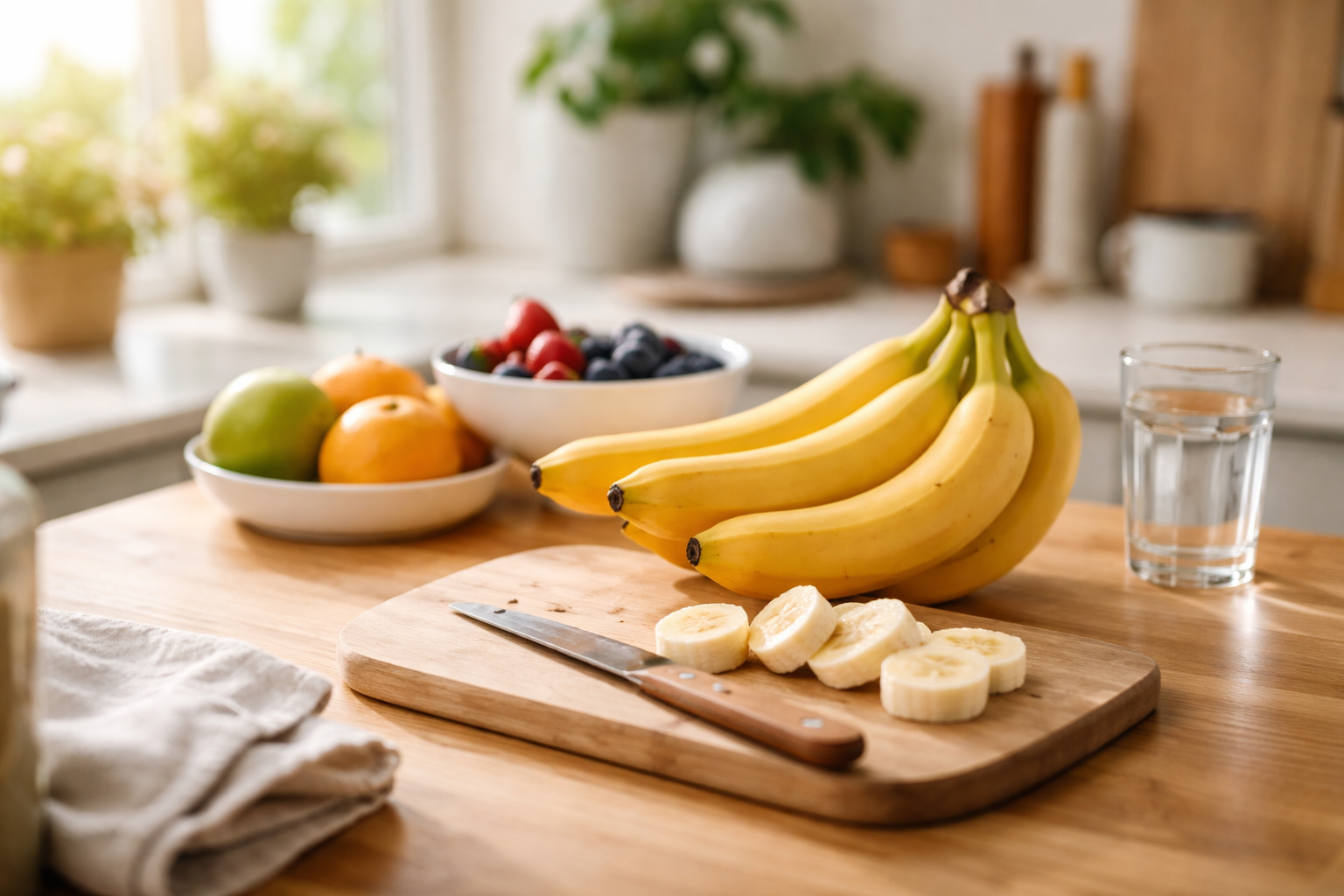
Banana and Kidney Disease: Should You Eat or Avoid It?
Many people don’t think twice about eating a banana—until they’re told to pay closer attention to their kidney health. Suddenly, a simple fruit can feel confusing. Is it still a healthy choice, or something to limit?
This is a common question for those learning about kidney disease and diet. Bananas are widely known for their nutritional value, but they’re also high in potassium, which can become a concern in certain situations. Understanding how bananas fit into kidney health can help you make more informed, balanced choices without unnecessary fear.
Banana and Kidney Disease: Why It Matters
Bananas are often associated with heart health, energy, and digestion. They contain fiber, vitamin C, and several beneficial plant compounds. But what really stands out is their potassium content.
For most people, potassium is essential. It helps regulate muscle function, nerve signals, and fluid balance. However, in the context of kidney disease, potassium levels can become harder for the body to manage.
Healthy kidneys filter excess potassium from the blood. When kidney function declines, potassium may build up, which can lead to complications over time. This is why bananas sometimes come up in conversations about kidney-friendly diets.
That said, the relationship isn’t as simple as “good” or “bad.” It depends on individual kidney function, dietary patterns, and overall health context.
Why Bananas Are High in Potassium
A medium banana typically contains around 400–450 milligrams of potassium. That’s a meaningful amount, especially when compared to other fruits.
Potassium is naturally present in many plant-based foods, including:
- Bananas
- Oranges
- Avocados
- Potatoes
- Spinach
These foods are usually encouraged in a balanced diet. However, for people monitoring potassium intake, they may need to be eaten more mindfully.
If you’re exploring potassium levels more broadly, you may find it helpful to read about high potassium foods and kidney health, which puts bananas into a wider context.
A More Practical Way to Understand Kidney-Friendly Eating
Some people find it challenging to connect scattered diet advice into something usable day to day. A structured guide can help make sense of food choices, including fruits like bananas.
Explore how this approach is organized step by step
Do People with Kidney Disease Need to Avoid Bananas?
This is where things often get misunderstood. Not everyone with kidney disease needs to completely avoid bananas.
In earlier stages of kidney disease, potassium levels may still be well regulated. In these cases, bananas might still be included in moderation as part of a balanced diet.
In more advanced stages, especially when potassium levels rise, people may be advised to limit or monitor high-potassium foods more closely.
Rather than focusing on a single food, the bigger picture usually matters more:
- Total daily potassium intake
- Portion sizes
- Other foods eaten throughout the day
- Individual lab results and trends
This is why dietary approaches can vary from person to person, even when they have the same condition.
How People Usually Notice Potassium Concerns
Potassium levels don’t always cause obvious symptoms at first. Many people only become aware of an issue through routine lab work.
When potassium levels become significantly elevated, some commonly reported experiences may include:
- Muscle weakness
- Fatigue
- Irregular heartbeat sensations
- General discomfort or unease
These symptoms are not specific to bananas or any single food. Instead, they reflect how the body responds to imbalances over time.
This is one reason why diet discussions around kidney disease tend to focus on patterns rather than isolated choices.
Balancing Fruit Intake with Kidney Health
Fruits remain an important part of many diets, even for people with kidney concerns. The key is often about choosing and balancing wisely.
Some people shift toward fruits that are naturally lower in potassium, such as:
- Apples
- Berries
- Grapes
- Pineapple
If you’re exploring alternatives, this guide on kidney-friendly fruits can provide helpful context.
At the same time, it’s not always necessary to eliminate bananas entirely. In some cases, people adjust portion sizes instead—such as eating half a banana rather than a whole one.
This kind of flexibility can make dietary changes feel more manageable and sustainable.
How Bananas Fit into a Low-Potassium Diet
A low-potassium diet typically involves limiting foods that are especially rich in potassium while still maintaining balanced nutrition.
Bananas often fall into the “limit” category rather than a complete “avoid” category, depending on individual needs.
Some common strategies people explore include:
- Reducing portion sizes
- Spacing high-potassium foods throughout the day
- Combining foods to balance overall intake
For a broader look at how these patterns work, you can explore low potassium diet approaches for kidney health.
These approaches are usually not about restriction alone—they’re about creating a workable rhythm that supports overall health.
Common Misunderstandings About Bananas and Kidney Disease
There are a few misconceptions that tend to come up frequently:
“Bananas are bad for everyone with kidney disease”
This is not always true. The impact depends on individual potassium levels and kidney function.
“One banana will cause harm”
In most cases, a single food choice is not the deciding factor. Patterns over time are what matter most.
“All fruits are risky”
Fruits vary widely in potassium content. Many remain part of balanced eating plans, even when potassium needs to be monitored.
Understanding these nuances can help reduce unnecessary restriction and confusion.
When People Start Looking for More Structured Guidance
As dietary questions build up, many people reach a point where general advice no longer feels enough. They may start looking for clearer structure—something that connects food choices, habits, and daily routines.
This is especially true when managing multiple factors like potassium, sodium, and fluid intake at the same time.
Instead of guessing, some readers choose to explore more organized resources, such as a kidney disease diet overview that brings different elements together in one place.
Having a clearer framework can make decisions about foods like bananas feel less stressful and more manageable.
Frequently Asked Questions
Can you eat bananas if you have early-stage kidney disease?
In many cases, people with early-stage kidney disease may still include bananas in moderation. It often depends on how well the body is managing potassium levels overall.
Are there safer ways to include bananas in a kidney-conscious diet?
Some people choose smaller portions, such as half a banana, or balance it with lower-potassium foods throughout the day. This helps manage total intake rather than eliminating the food entirely.
What fruits are lower in potassium than bananas?
Fruits like apples, berries, grapes, and pineapple generally contain less potassium and are often included more freely in kidney-conscious eating patterns.
Do bananas affect everyone with kidney disease the same way?
No. The effect can vary based on kidney function, lab results, and overall diet. That’s why recommendations are often individualized.
Where can I learn more about managing diet with kidney concerns?
Some people explore broader resources that explain how different foods fit together. For example, structured guides like this kidney support approach can help connect the bigger picture.
Final Thoughts on Banana and Kidney Disease
Bananas are nutritious, familiar, and easy to include in everyday meals. But when kidney health becomes a concern, their potassium content makes them worth paying attention to.
The key takeaway is that bananas are not automatically off-limits. Instead, they are one piece of a larger dietary picture that varies from person to person.
By understanding how potassium works and how foods fit together, it becomes easier to make balanced choices without unnecessary restriction. For many people, it’s less about avoiding bananas entirely and more about learning how they fit into a thoughtful, kidney-aware way of eating.

Robin Abbott is a wellness and lifestyle writer at Healthusias, focusing on everyday health awareness, habits, and life optimization through clear, non-medical explanations.