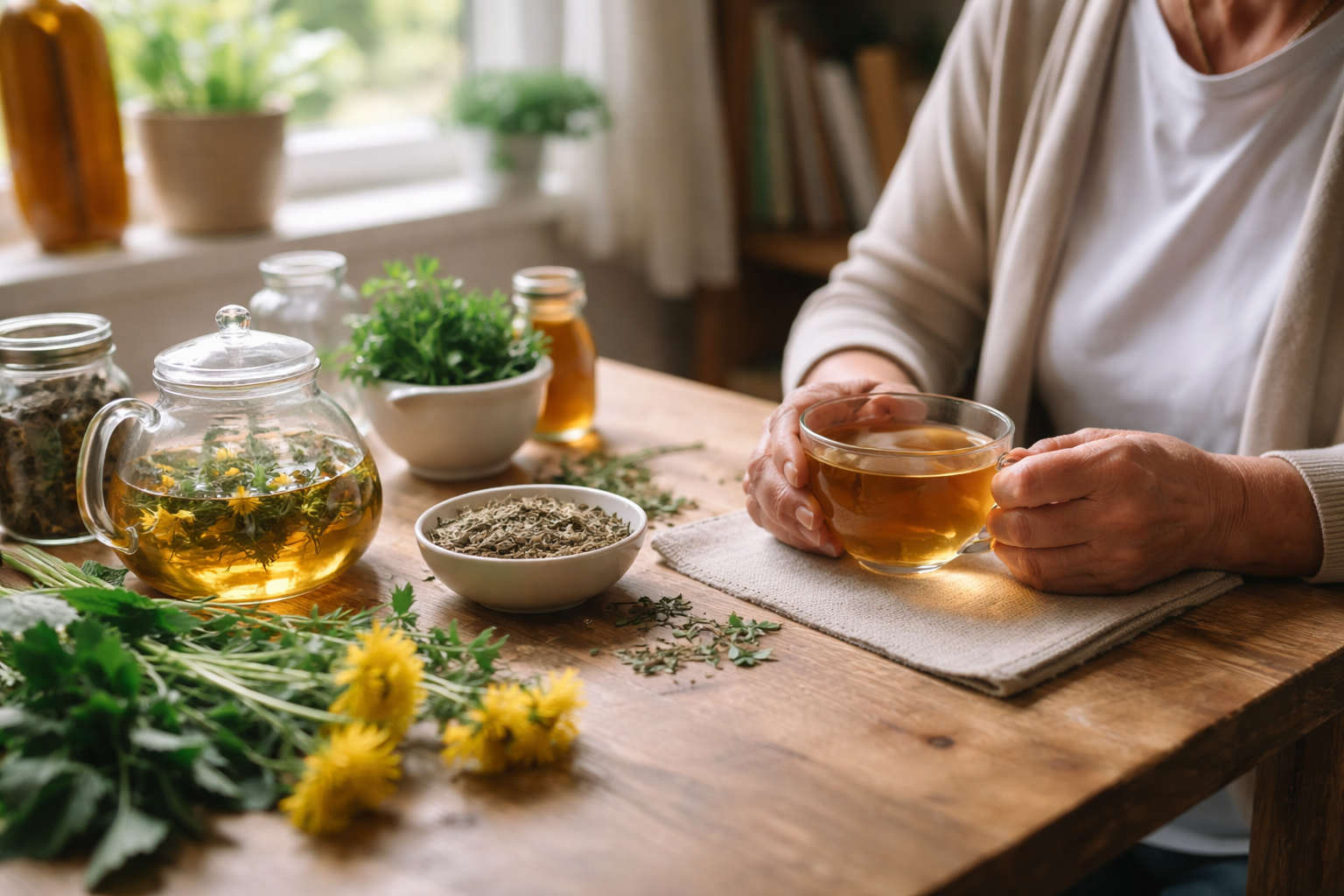
Herbal Remedies for Kidney Disease: What Works and What to Avoid
Many people first come across the idea of using herbal remedies for kidney disease while searching for more natural ways to support their health. It might start with a recommendation from a friend, a mention in an online forum, or a label on a tea box claiming “kidney support.”
At the same time, kidney health can feel complex and sometimes overwhelming. With so much information available, it’s not always clear which herbs are helpful, which are neutral, and which could potentially do more harm than good.
This article takes a calm, practical look at herbal remedies for kidney disease—what they are, how they’re commonly used, and what to be aware of as you explore this topic.
Understanding Herbal Remedies and Kidney Health
Herbal remedies refer to plant-based substances that people use to support general wellness. These may come in the form of teas, capsules, extracts, or whole dried plants. In the context of kidney health, herbs are often discussed as part of a broader effort to maintain balance in the body.
The kidneys play a key role in filtering waste, balancing fluids, and regulating certain minerals. When kidney function changes, even slightly, it can affect how the body processes substances—including herbal compounds.
This is why herbal approaches are often viewed as supportive rather than corrective. They are typically discussed alongside lifestyle habits like hydration, balanced nutrition, and routine health monitoring.
If you’re new to kidney-related topics, it may help to explore a broader overview in this chronic kidney disease guide, which explains how kidney function changes over time.
Common Herbs Often Linked to Kidney Support
Several herbs are frequently mentioned in discussions about kidney wellness. While research varies and results are not always consistent, these plants have been traditionally used in different cultures.
Dandelion
Dandelion is often associated with fluid balance. Some people use it in tea form as part of general wellness routines. It is sometimes described as supporting the body’s natural elimination processes.
Nettle Leaf
Nettle has a long history of use in herbal traditions. It is often included in blends aimed at supporting urinary tract health and overall mineral balance.
Parsley
Parsley is commonly used in cooking, but it also appears in herbal discussions related to kidney health. It is sometimes linked to mild diuretic effects.
Astragalus
This herb is often mentioned in traditional herbal systems. Some discussions focus on its potential role in supporting immune function and general vitality, which may indirectly relate to kidney health.
For a deeper look at specific plant options, you may find it helpful to read more about herbs commonly used for kidney support.
Trying to Make Sense of Kidney-Friendly Habits? This Guide Breaks It Down
Instead of piecing together scattered advice about herbs, diet, and daily routines, some people prefer a more structured way to understand how everything fits together.
Explore how this guide organizes kidney support step by step
Why People Explore Herbal Options
There are several reasons why herbal remedies attract attention when it comes to kidney health. For many, it’s about feeling more involved in their day-to-day wellness habits.
Some common motivations include:
- Wanting a more natural approach to health
- Looking for gentle, everyday support options
- Interest in traditional or cultural practices
- Desire to complement existing lifestyle changes
It’s also common for people to explore herbal teas as part of hydration habits. You can learn more about this in the context of herbal teas and kidney health, which focuses on how these drinks fit into daily routines.
What People Often Notice When Using Herbal Remedies
Experiences with herbal remedies can vary widely. Some people report subtle changes, while others may not notice much difference at all.
Common observations may include:
- Changes in urination patterns
- Feeling more hydrated when drinking herbal teas regularly
- A sense of routine or consistency in daily habits
- General improvements in overall wellness routines
It’s important to remember that these experiences are subjective. Herbal remedies are not standardized in the same way as medications, and their effects can depend on factors like preparation, dosage, and individual health status.
Herbs That May Require Extra Caution
While some herbs are widely used, others may raise concerns—especially for individuals with existing kidney conditions.
High-Potassium Herbs
Certain plants naturally contain higher levels of potassium. For people managing kidney-related concerns, potassium balance can be an important factor to monitor.
Strong Diuretics
Some herbs have more pronounced diuretic effects. While mild fluid support may be part of wellness routines, stronger effects can sometimes disrupt balance if not carefully considered.
Unregulated Supplements
Herbal supplements are not always strictly regulated. This means quality, purity, and concentration can vary between products.
Because of these factors, many people take a cautious approach and focus on learning how different herbs interact with the body rather than assuming all natural options are automatically safe.
How Herbal Remedies Fit Into a Broader Lifestyle
Herbal approaches are often just one part of a larger picture. Kidney health is closely connected to everyday habits, including diet, hydration, sleep, and activity levels.
Some people find it helpful to think in terms of patterns rather than single solutions. For example:
- Consistent hydration throughout the day
- Balanced meals with attention to nutrient intake
- Reducing overly processed foods
- Staying physically active in a manageable way
In this context, herbs are often seen as a small addition rather than the main focus. If you’re looking at the bigger picture, this natural treatment overview for kidney disease connects herbal ideas with other supportive habits.
When People Begin Exploring Herbal Options More Seriously
Interest in herbal remedies often increases at certain points, such as:
- After a routine health check raises questions
- When looking for ways to support long-term wellness
- During lifestyle changes focused on nutrition and hydration
- When seeking alternatives to overly complex routines
At this stage, many people shift from casual curiosity to more intentional research. They may compare different herbs, read ingredient labels more carefully, and look for patterns in how various approaches are discussed.
Some also begin exploring more structured resources, like a kidney support guide, to better understand how herbal options fit into a broader plan.
Frequently Asked Questions
Are herbal remedies safe for kidney health?
Safety can vary depending on the herb, the amount used, and individual health factors. Some herbs are widely used in everyday wellness, while others may require more caution. This is why many people focus on learning and staying informed rather than assuming all herbal products are risk-free.
Do herbal remedies improve kidney function?
Herbal remedies are generally discussed as supportive rather than corrective. They are often part of a broader lifestyle approach that includes diet, hydration, and regular health monitoring.
Is herbal tea good for the kidneys?
Herbal teas can be part of hydration habits, which are important for overall wellness. Some people explore different blends as part of their routine. You can read more about how this fits into daily life in guides about herbal tea and kidney health.
How do people choose the right herbs?
Many people start by learning about commonly discussed herbs and then narrow down options based on their preferences and overall health goals. In some cases, readers explore more structured resources to better understand how different herbs compare.
Can herbal remedies replace other approaches?
Herbal remedies are usually considered one piece of a larger picture. Most discussions around kidney health emphasize a combination of habits rather than relying on a single approach.
Bringing It All Together
Herbal remedies for kidney disease continue to attract interest because they offer a more natural, approachable way to think about daily health habits. At the same time, they come with important considerations, especially when it comes to safety, consistency, and how they fit into the bigger picture.
Rather than focusing on individual herbs alone, many people find it more helpful to look at overall patterns—how hydration, nutrition, and lifestyle choices work together over time.
If you’re trying to connect all these pieces in a more practical way, you might find it useful to explore how different habits and approaches are organized in a step-by-step kidney support guide.
In the end, the goal for most people isn’t just to find one solution, but to build a clearer, more manageable understanding of kidney health as a whole.

Robin Abbott is a wellness and lifestyle writer at Healthusias, focusing on everyday health awareness, habits, and life optimization through clear, non-medical explanations.