Low Acid Fruits for GERD That Actually Help Calm Your Stomach
If you’ve ever felt that burning sensation creeping up after a meal, you’re not alone. GERD, or gastroesophageal reflux disease, has been a stubborn companion of mine for years. I used to think I had to give up everything delicious—especially fruits—just to avoid the flare-ups. But that changed when I discovered that not all fruits are acid bombs. In fact, there’s a sweet spot—literally—in the form of low-acid fruits that not only satisfy cravings but also help calm the reflux beast. Let’s dig into it, the fruity way.
Why Fruit Choices Matter in Managing GERD

Fruits are essential for fiber, vitamins, and hydration, but for GERD sufferers, it’s not that simple. High-acid fruits like oranges, pineapples, and strawberries can trigger symptoms. That sharp tang may taste refreshing, but it can do a number on your esophagus.
On the flip side, low-acid fruits can be gentle allies. These varieties are not only easier on the digestive tract, but they also help you avoid that dreaded chest burn. Choosing the right ones might make the difference between a peaceful day or one filled with TUMS.
What’s Considered a Low-Acid Fruit?
Here’s the thing I learned the hard way: not all fruits marketed as “healthy” are “GERD-safe.” Here are some truly low-acid rockstars you’ll want to put in your basket:
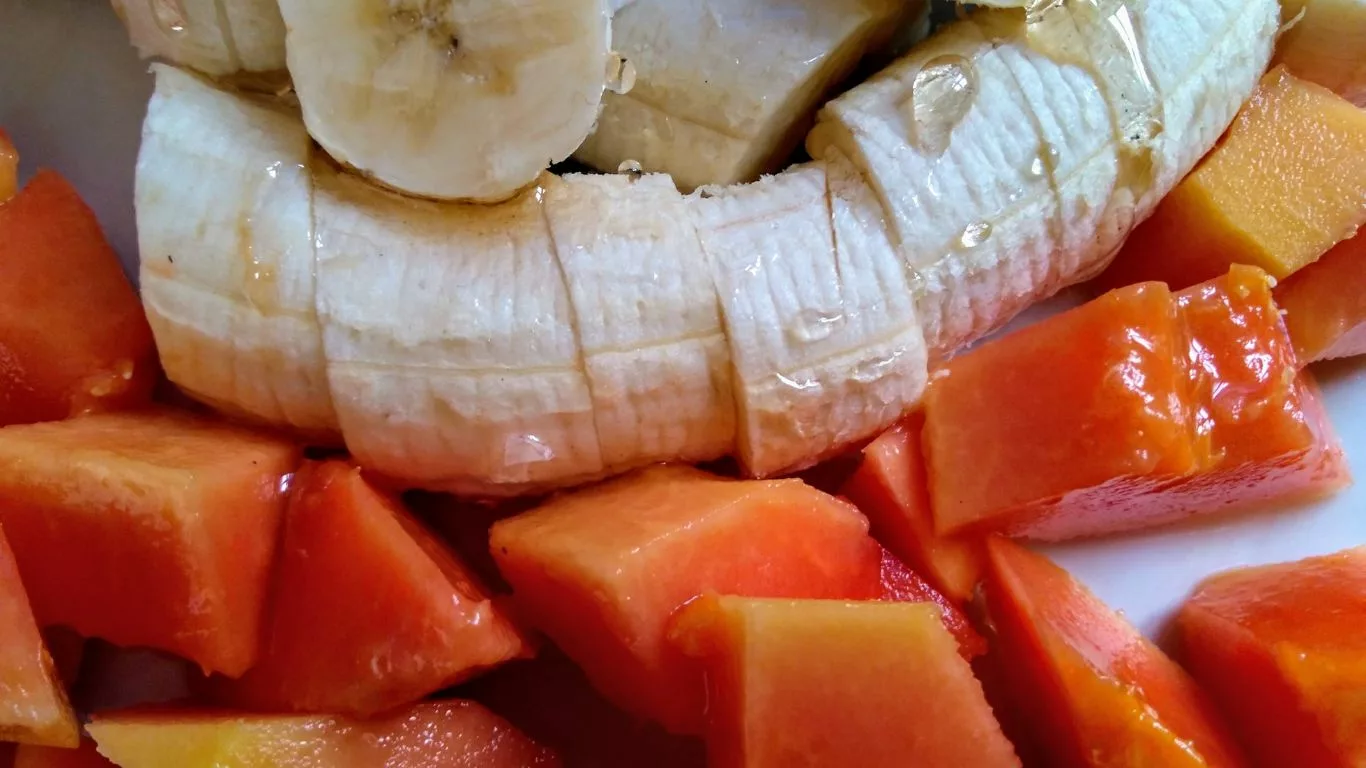
- Bananas – Soft, soothing, and a reliable go-to
- Melons – Think cantaloupe and honeydew, not watermelon
- Apples (especially red ones) – Crisp and gentle
- Papayas – Surprisingly soothing and enzyme-rich
- Avocados – Yes, technically a fruit, and GERD-friendly
For a deep dive on this, check out our dedicated guide on low-acid fruits for GERD relief. It became my fruit bible, honestly.
How Low-Acid Fruits Help Calm GERD Symptoms

Low-acid fruits are more than just safe bets—they actively support healing. Here’s how:
- They’re alkaline-forming. Some fruits like bananas and melons help neutralize stomach acid.
- They’re high in fiber. This helps with digestion and can prevent pressure buildup in the stomach.
- They hydrate without acidifying. A juicy melon slice on a hot day is a lifesaver.
When I switched to a diet that centered around these fruits, I noticed my symptoms reduce not just during the day, but also at night. It also meant fewer food sacrifices—and that, for me, was liberating.
Real Talk: A Fruit Swap That Changed My Routine
I used to snack on oranges after workouts—bad move. The acid backlash was relentless. Swapping to sliced cantaloupe with a sprinkle of mint not only felt fancy, but also kept my stomach calm and cool. No burping, no burning.
When and How to Eat Fruits with GERD

Let’s be honest: how you eat is just as important as what you eat. I used to scarf down fruit as dessert—bad idea. Timing, quantity, and pairing matter a lot more than people think.
Tips to Maximize Comfort
- Eat fruit on an empty stomach to reduce fermentation and gas buildup.
- Avoid fruit with heavy meals—mixing acidic and fatty foods is a reflux trigger.
- Don’t lie down immediately after your fruity snack.
Some fruits also work better when blended. I make GERD-friendly smoothies using avocado, banana, and unsweetened almond milk. For smoothie lovers, try these acid reflux-friendly smoothie ideas.
Common Mistakes When Choosing “Safe” Fruits

Let’s talk traps. I’ve fallen into these before, and they’re easy to miss:
- Assuming all apples are equal. Granny Smiths are tart and acidic—avoid. Go for Red Delicious or Fuji.
- Overeating bananas. One is soothing, but three in a sitting? You might feel bloated and gassy.
- Confusing watermelon with safe melons. Watermelon is high in fructose and can ferment quickly in the gut.
Also, dried fruits may seem harmless, but they’re often concentrated with sugars that can ferment in the gut and trigger reflux.
Smart Swaps That Actually Work
- Instead of strawberries: try papaya or peeled pears
- Instead of pineapple: go for fresh honeydew
- Instead of citrus: try a soft, ripe banana
These swaps seem simple, but they made a huge difference for me. I no longer dread eating fruit—or worse, skipping it altogether.
Need more fruit tips? This expert guide to acid reflux-safe fruits lays it all out clearly.
When Fruit Isn’t Enough: Combining with Other Strategies

Let me be clear: even the safest fruit can’t outmatch lifestyle habits that fuel GERD. It’s a combo approach. For me, adding a wedge pillow, walking after meals, and tracking what triggered symptoms helped me connect the dots faster.
If you’re still getting symptoms even after switching to low-acid fruits, consider checking your other habits—like drinking water during meals, late-night snacking, or skipping breakfast altogether. All of these can mess with your stomach acid dynamics.
Learn more on broader lifestyle fixes in our GERD Lifestyle Pillar guide.
And don’t forget, NIDDK and Cleveland Clinic both recommend dietary moderation as a key part of GERD management, especially with fruits.
Creating a GERD-Safe Fruit Routine That Sticks

If you’re anything like me, it’s not the knowledge that’s tricky—it’s the consistency. Knowing which fruits help is step one, but building a routine that doesn’t feel restrictive is where the real magic happens. I started by prepping a weekly fruit bowl that lived front and center in my fridge. Everything inside was low-acid and snack-ready. No guesswork, no temptation to reach for something sketchy.
And here’s a big one: I stopped keeping citrus fruits at home altogether. If they’re not there, you can’t eat them during a weak moment. That alone was a game-changer.
Sample Low-Acid Fruit Routine
- Morning: ½ banana with oatmeal or whole-grain toast
- Mid-morning snack: Sliced honeydew or papaya
- Afternoon: Avocado spread on a rice cake or whole-grain cracker
- Evening: A few apple slices with almond butter
Notice how it’s not fruit overload. GERD is all about balance and portion size. Spread the servings across the day, and avoid heavy doses at night, especially before bed.
What About Juices, Smoothies, and Blends?

I used to love fruit juices until I realized they were like concentrated acid in disguise—even apple juice sometimes backfired. Store-bought juices are often stripped of fiber and loaded with hidden sugars or citrus blends that set GERD off like a fire alarm.
Blending fruits into smoothies, though? Total game-changer. When you add some low-acid fruits with unsweetened almond milk, oats, or even chia seeds, you create a balanced, fiber-rich drink that feels indulgent without the burn.
Pro Tips for GERD-Friendly Smoothies
- Use 1–2 low-acid fruits per blend (banana + papaya is gold)
- Add a spoonful of healthy fat like avocado for satiety
- Skip citrus, dairy, and sugary yogurts
My go-to blend: banana, papaya, oat milk, and a dash of cinnamon. Creamy, soothing, and no regrets an hour later.
What to Avoid: Hidden Triggers in “Healthy” Fruit Snacks

Here’s the catch with modern snacks—they look healthy, they sound healthy, but they’re not always GERD-friendly. I once bought a “banana chip trail mix” and ended up with two days of discomfort. Why? It had dried pineapples, sugary cranberries, and artificial citrus flavoring hiding behind the label.
Check Before You Snack
- Scan for added acids (like citric or ascorbic acid)
- Avoid mixes with raisins, pineapple, or citrus zest
- Skip anything that uses “fruit flavoring” over real fruit
If you’re reaching for packaged snacks, check out our curated list of GERD-friendly snacks that won’t wreck your gut.
Personal Learnings from My Reflux-Fruit Journey

I’ve come to learn that managing GERD isn’t just about cutting foods—it’s about discovering what works for you. I kept a simple notebook next to my fridge and logged what I ate and how I felt after. Patterns emerged fast. Papaya = peace. Oranges = mayhem. Even small changes like switching from green to red apples made a huge difference.
Journaling helped me identify how timing, stress, and hydration all played roles. It turned fruit from a fear zone into something joyful again. I didn’t feel punished—I felt informed. And that shift in mindset made all the difference.
Here’s one of the best decisions I made along the way: I built a custom GERD-friendly breakfast plan that included fruits I knew I could trust. Now, breakfast isn’t just reflux-free—it’s actually something I look forward to.
Trusted Resources and Expert Validation

My approach didn’t come from guesswork alone. I leaned into what trusted sources recommended. For example, the Mayo Clinic emphasizes dietary adjustments as a key strategy for long-term GERD relief. Meanwhile, NIDDK notes that avoiding acidic foods is foundational to GERD recovery.
If you’re just starting out or trying to fine-tune your diet, don’t just go off fads. Refer to our GERD diet pillar guide to create a safe and sustainable approach for your lifestyle. It’s not about restriction—it’s about smart swaps, consistent choices, and, yes, even enjoying your fruit.

Camellia Wulansari is a dedicated Medical Assistant at a local clinic and a passionate health writer at Healthusias.com. With years of hands-on experience in patient care and a deep interest in preventive medicine, she bridges the gap between clinical knowledge and accessible health information. Camellia specializes in writing about digestive health, chronic conditions like GERD and hypertension, respiratory issues, and autoimmune diseases, aiming to empower readers with practical, easy-to-understand insights. When she’s not assisting patients or writing, you’ll find her enjoying quiet mornings with coffee and a medical journal in hand—or jamming to her favorite metal band, Lamb of God.