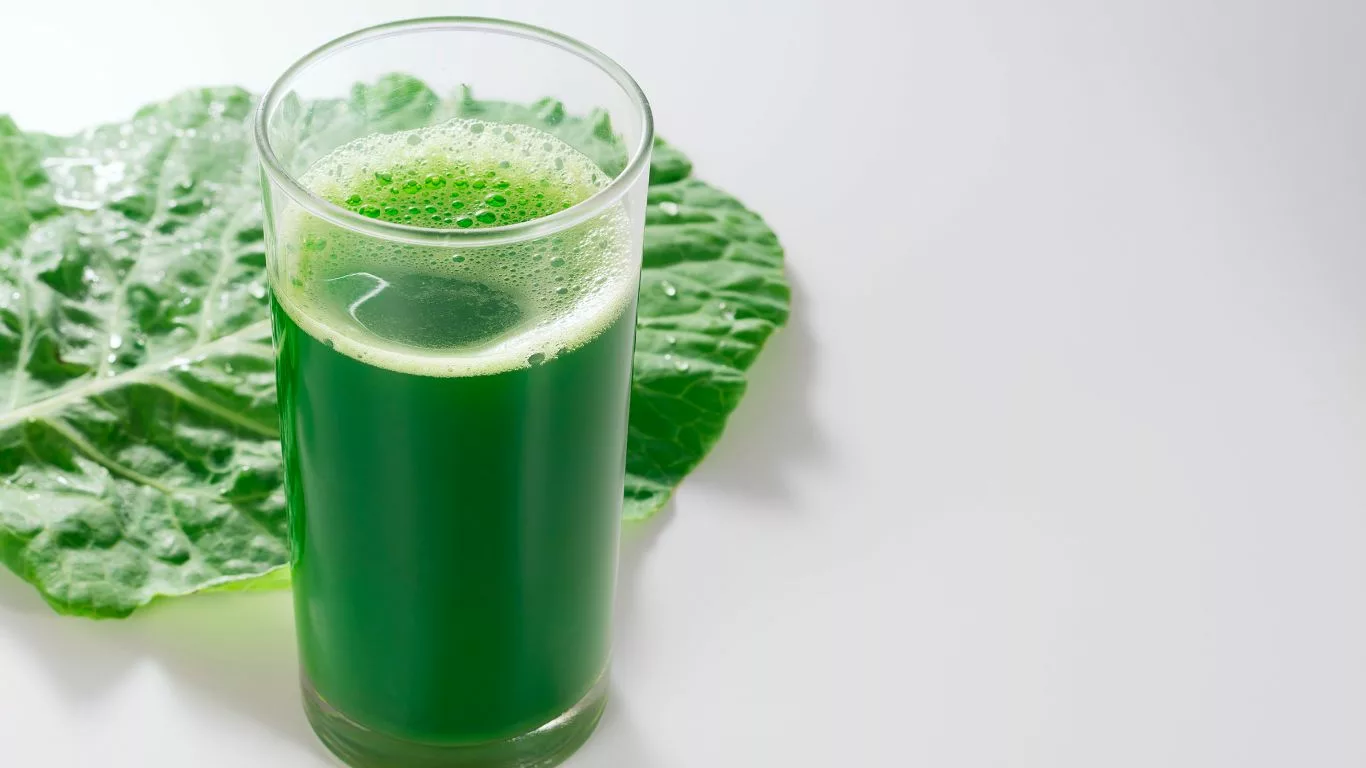
Unlocking Relief: Cabbage Juice for GERD That Actually Works
If you’re dealing with acid reflux, you know how frustrating it is to feel that familiar burn after a meal—no matter how healthy it seemed. I’ve been there myself. One surprising remedy that actually worked for me—and has growing support from both nutritionists and alternative health experts—is cabbage juice. It might not be as flashy as the latest probiotic drink or supplement trend, but cabbage juice quietly packs a powerful punch for soothing the digestive tract, especially when reflux flares up. Let’s dive into why this humble vegetable could be a game changer for GERD management.
Why Cabbage Juice? The Nutrient Powerhouse You Didn’t Expect

Cabbage juice might sound like a strange remedy for heartburn, but it’s loaded with natural compounds that promote healing in the gut. In fact, cabbage has been studied for its anti-ulcer properties since the 1940s, long before acid blockers became mainstream.
- Glutamine: An amino acid known to help repair and protect the gut lining
- Vitamin U (S-Methylmethionine): A lesser-known compound found in cabbage that may help heal ulcers and reduce inflammation in the stomach lining
- Anti-inflammatory phytonutrients: These compounds calm the digestive system and help reduce the irritation associated with acid reflux
According to the National Institutes of Health, cabbage juice contains bioactive substances that promote mucosal protection and may even support microbial balance in the gut.
My Experience: When Antacids Failed, Cabbage Juice Surprised Me

I’ll be honest: I was skeptical at first. I had tried antacids, proton pump inhibitors, and every bland diet you can think of. A naturopath suggested I try fresh cabbage juice every morning on an empty stomach for two weeks. The first few days were rough (yes, it smells like, well… cabbage), but by the end of the first week, I noticed a significant drop in my nighttime heartburn episodes.
By week two, I wasn’t reaching for antacids anymore. Of course, everyone’s different, but cabbage juice seemed to calm the storm in my gut—without side effects or rebound symptoms.
How to Make and Use Cabbage Juice for GERD Relief

What You’ll Need
- 1 medium green cabbage (organic if possible)
- Filtered water
- A juicer or high-speed blender
- Optional: 1-2 carrots or a slice of apple for taste (low-acid additions)
Steps
- Wash the cabbage thoroughly and chop it into chunks.
- Juice the cabbage alone or blend it with 1 cup of water and strain.
- Drink about 4-6 oz on an empty stomach once or twice a day.
If you’re sensitive to raw juices, start slowly. Some people feel bloated initially—this can be reduced by diluting the juice or sipping it gradually over 10–15 minutes.
How Long Should You Use It?
Some studies suggest noticeable results within 7–10 days. However, for chronic GERD or gastritis, ongoing use for 2–4 weeks may provide deeper healing benefits. I personally noticed improvement in just over a week, but consistency was key.
What Science Says About Cabbage Juice and Digestive Healing

One of the earliest studies on cabbage juice, conducted by Dr. Garnett Cheney at Stanford University in the 1950s, found that patients with peptic ulcers healed up to four times faster when drinking fresh cabbage juice daily. While GERD isn’t quite the same as an ulcer, both involve inflammation and erosion of the stomach or esophageal lining. Cabbage juice’s mucosa-protecting effects make it relevant here too.
Modern evidence supports this as well. According to Mayo Clinic, healing the stomach lining is critical to managing reflux-related conditions. Natural options like cabbage juice can support this alongside diet and lifestyle changes.
For additional support, many people combine cabbage juice therapy with dietary adjustments. You can explore other GERD-friendly food choices to maximize results.
Is Cabbage Juice Safe for Everyone?

Generally, yes. But there are a few caveats. If you have thyroid issues, especially hypothyroidism, you may want to moderate raw cabbage intake because it contains goitrogens. Cooking cabbage can reduce this effect, but it also lowers some of the healing compounds. If in doubt, consult a healthcare provider before starting a daily cabbage juice regimen.
Also, cabbage juice may interact with blood thinners due to its vitamin K content. If you’re on medications or have chronic conditions, a quick check-in with your doctor goes a long way.
Pairing Cabbage Juice with Other GERD-Safe Juices

If you’re not ready to go all-in on cabbage, you can combine it with other gentle juices. Consider rotating between:
- Aloe vera juice: Known to soothe and reduce esophageal irritation (learn more here)
- Coconut water: Naturally alkaline and hydrating
- Melon juice: Low acid and cooling for inflamed tissues
Make sure to avoid acidic juices like orange, pineapple, or tomato, as they may aggravate reflux symptoms.
Looking Deeper into GERD Triggers and Remedies

Cabbage juice is just one of many ways to tackle acid reflux naturally. Long-term relief also comes from understanding your specific GERD triggers—be it food, stress, or habits—and making consistent lifestyle shifts. For a more structured approach, explore the comprehensive advice shared in our natural remedies for GERD guide, which includes additional juice ideas, herbs, and proven holistic practices.
Best Time to Drink Cabbage Juice for Maximum GERD Relief

Timing matters when it comes to healing with natural remedies. I found the best results when I drank cabbage juice first thing in the morning—before food, coffee, or even water. On an empty stomach, your digestive lining is most receptive to healing compounds. This habit, for me, helped kickstart digestion more gently and reduced the chances of heartburn later in the day.
Here are a few tips based on my experience and nutritionist recommendations:
- Morning: 4–6 oz of cabbage juice 20–30 minutes before breakfast
- Late afternoon (optional): A second small glass before dinner if reflux tends to flare at night
- Never with meals: Drinking cabbage juice during or after meals may dilute stomach acid and interfere with digestion
If you’re following a GERD-friendly diet plan, cabbage juice fits in perfectly with gentle, alkaline meals that promote healing over time.
Signs Cabbage Juice Is Working for You

One thing I wish I knew earlier—healing takes time, and subtle signs often go unnoticed unless you’re paying close attention. Here’s what I noticed within the first two weeks of regular cabbage juice use:
- Less throat burning after eating, especially at night
- Improved digestion—less bloating, better elimination
- Reduced need for antacids or acid blockers
- Better sleep without being woken by regurgitation
These signs usually come gradually, but they are reliable indicators that your gut lining is calming down and inflammation is reducing. Many people also report fewer episodes of burping and belching—a huge relief if bloating is part of your GERD symptoms.
What to Watch Out For When Starting Cabbage Juice

While cabbage juice is generally safe, some people may experience mild discomfort when starting—especially if your gut is inflamed or you’re not used to raw cruciferous veggies. Here’s how to troubleshoot:
- Bloating or gas: Start with a diluted dose (mix 2 oz of juice with 2 oz water), then gradually increase
- Strong taste or odor: Add a small carrot or apple to soften the flavor without making it too acidic
- Hypothyroid concerns: Limit raw juice to a few times a week, or steam the cabbage slightly before blending
Also, keep in mind that cabbage juice works best when it complements—not replaces—your overall GERD strategy. For example, avoiding common reflux triggers like caffeine, peppermint, and late-night meals will help cabbage juice work more effectively.
Other Natural Ways to Boost the Healing Effect

If you’re looking to accelerate healing and reduce dependency on medications, cabbage juice can be paired with these proven natural strategies:
- Soothing throat burn with natural remedies
- Using home remedies like slippery elm or licorice root
- Keeping meals small and well-spaced
- Elevating your head at night using a GERD-safe pillow
- Practicing deep breathing or meditation to ease stress-driven reflux
These approaches helped me create a sustainable, pill-free routine. When I stopped relying on quick fixes and embraced natural rhythm and healing foods, my gut finally started to feel normal again.
When Cabbage Juice Isn’t Enough: Understanding GERD Severity

While many people find relief with cabbage juice, persistent symptoms might mean your GERD is more advanced—or complicated by factors like hiatal hernia or esophageal damage. In these cases, it’s crucial to work with a healthcare provider to explore options beyond diet.
If you experience:
- Difficulty swallowing
- Unexplained weight loss
- Vomiting blood or black stools
- Reflux not responding to natural methods
—you should seek medical evaluation. These may be signs of complications like Barrett’s esophagus, which need careful monitoring.
That said, many people find that even moderate GERD improves drastically when they combine medical guidance with natural remedies. As highlighted in our best GERD treatments guide, an integrative approach gives you the best of both worlds.
Consistency Is Key with Cabbage Juice Therapy

Here’s something I learned the hard way: you can’t expect magic overnight. Like any healing food, cabbage juice takes time, routine, and some commitment. I kept a little journal tracking what I ate, when I drank the juice, and how I felt. Patterns started to emerge—certain days were flare-free, and my confidence around meals returned.
If you want to try this for yourself, here’s a simple weekly plan:
- Week 1: Drink 4 oz daily in the morning
- Week 2: Increase to 6 oz; evaluate symptoms
- Week 3–4: Maintain or adjust based on your comfort and improvement
Within that first month, many report noticeable shifts—better digestion, less burning, and fewer bad nights. If nothing else, cabbage juice is one of the most affordable and accessible tools to support a GERD recovery routine—straight from your kitchen.

Camellia Wulansari is a dedicated Medical Assistant at a local clinic and a passionate health writer at Healthusias.com. With years of hands-on experience in patient care and a deep interest in preventive medicine, she bridges the gap between clinical knowledge and accessible health information. Camellia specializes in writing about digestive health, chronic conditions like GERD and hypertension, respiratory issues, and autoimmune diseases, aiming to empower readers with practical, easy-to-understand insights. When she’s not assisting patients or writing, you’ll find her enjoying quiet mornings with coffee and a medical journal in hand—or jamming to her favorite metal band, Lamb of God.