Autoimmune Disease Floaters May Be a Hidden Threat to Your Vision
Not too long ago, I started noticing odd little specks drifting across my vision. At first, I chalked it up to fatigue or maybe just dust in the air. But when they lingered, I dove into research—and what I found was both surprising and a little unsettling. Eye floaters, those squiggly shadows that drift across your visual field, can sometimes be linked to underlying autoimmune diseases. And if you’re already managing an autoimmune condition, you’re not imagining things—these floaters might be another piece of the puzzle.
What Exactly Are Eye Floaters?
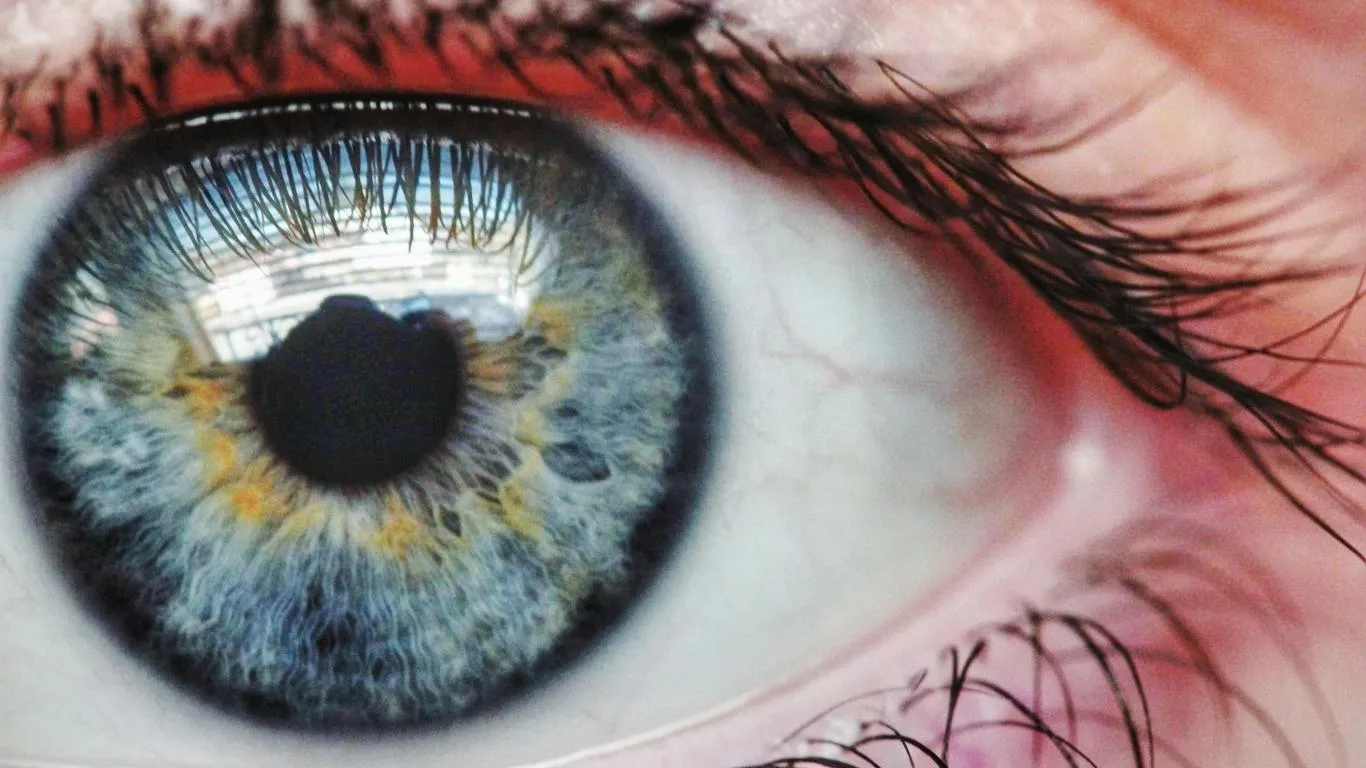
Eye floaters are tiny bits of collagen or cellular debris that cast shadows on the retina. Most often, they appear as:
- Gray or black specks
- String-like threads
- Web-like formations
They move with your eye and are most noticeable against a bright background. In most cases, floaters are harmless and age-related. But when they become excessive or are accompanied by flashes of light, they may signal something more serious—like inflammation or autoimmune-related damage inside the eye.
How Autoimmune Diseases Cause Floaters
Autoimmune diseases occur when the body’s immune system mistakenly attacks its own tissues. When this attack targets parts of the eye, it can lead to inflammation inside the eyeball, especially in the vitreous—the gel-like substance that fills the space between the lens and retina.
This inflammation, known as uveitis, is a major culprit behind floaters linked to autoimmune disease. Uveitis may cause the breakdown of cells in the vitreous, leading to more floaters and, in some cases, even vision loss if left untreated.
According to the American Academy of Ophthalmology, autoimmune uveitis can arise without any infection or injury and is often difficult to diagnose early unless an underlying condition is known.
Common Autoimmune Triggers Behind Eye Floaters
- Rheumatoid Arthritis (RA): RA doesn’t just target joints—it can also cause inflammation in the sclera and uvea. If you’ve ever experienced red, painful eyes along with floaters, this might be the culprit.
- Lupus (SLE): Lupus is notorious for attacking multiple systems, including the vascular structures within the eye, leading to retinal inflammation and floaters.
- Sarcoidosis: This disease often affects the lungs, but it can also cause granulomas (inflammatory clusters) in the eye, resulting in persistent floaters.
- Multiple Sclerosis (MS): MS impacts the optic nerve, and inflammation in nearby structures can sometimes produce floaters or blurry vision.
- Ankylosing Spondylitis (AS): This inflammatory disease often causes episodes of acute anterior uveitis, leading to visible floaters and light sensitivity.
If you’re managing one of these conditions and have noticed new or worsening floaters, you’re not alone. It’s not just about your joints, skin, or fatigue—it can be your eyes, too.
My Personal Wake-Up Call
I vividly remember the moment I realized something more was going on. After being diagnosed with an autoimmune disorder, I began tracking every new symptom. When floaters started to appear more frequently—especially during flare-ups—it became clear they were part of the systemic picture. It wasn’t just an annoying visual quirk; it was inflammation making itself visible.
This led me down a rabbit hole of ophthalmology visits, eye scans, and bloodwork. Eventually, my ophthalmologist confirmed what I suspected: autoimmune uveitis. The good news? Catching it early helped preserve my vision. Treatment wasn’t overly complex—it involved steroid drops and systemic meds I was already on. But the key was knowing the floaters weren’t random.
Recognizing Warning Signs Beyond Floaters
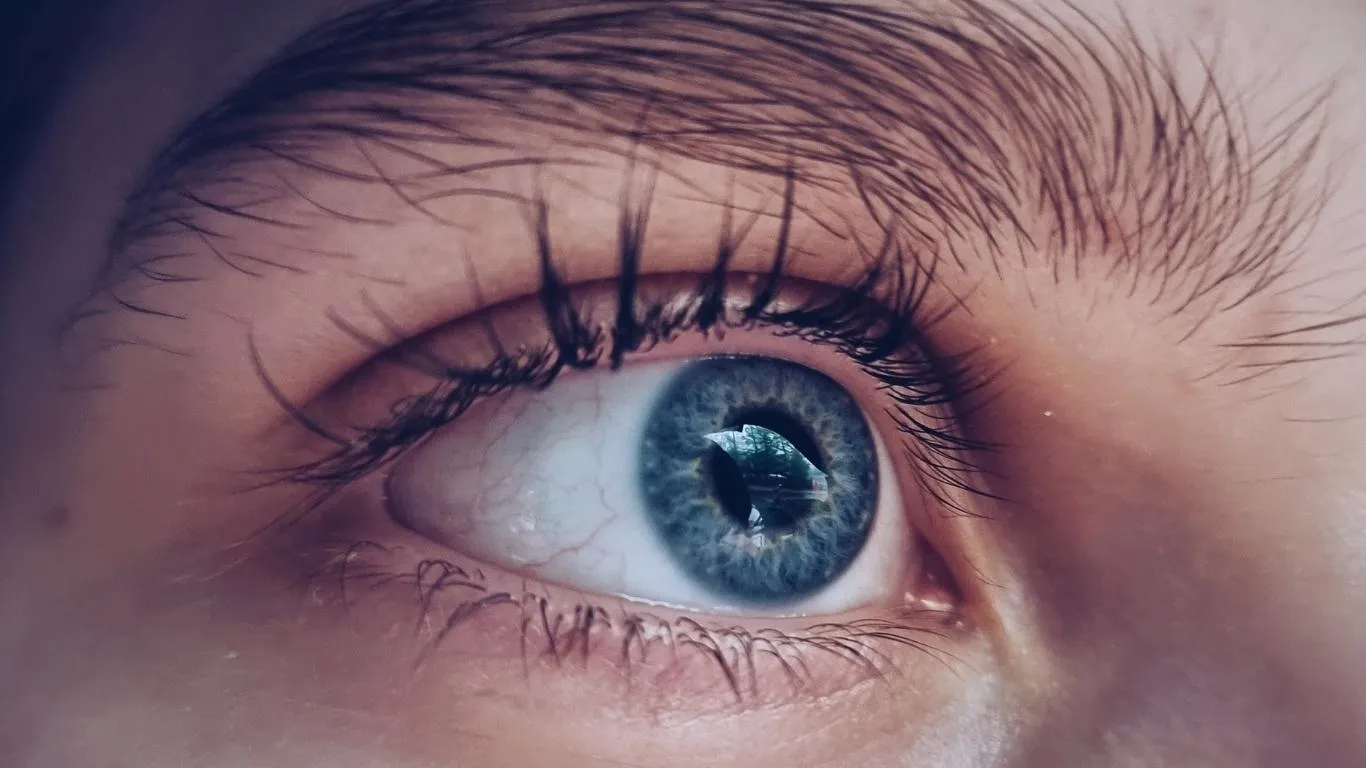
Floaters alone aren’t always a red flag. But if you experience any of the following along with floaters, it’s time to get checked out:
- Eye pain or redness
- Sensitivity to light (photophobia)
- Blurred or distorted vision
- Sudden increase in floaters
- Flashes of light
These symptoms often accompany uveitis and may indicate inflammation severe enough to affect vision. Early treatment can prevent complications like glaucoma, cataracts, or even retinal damage.
To better understand the types and severity of floaters, check out our detailed resource on eye floater symptoms and causes.
Managing Autoimmune Floaters with a Holistic Lens
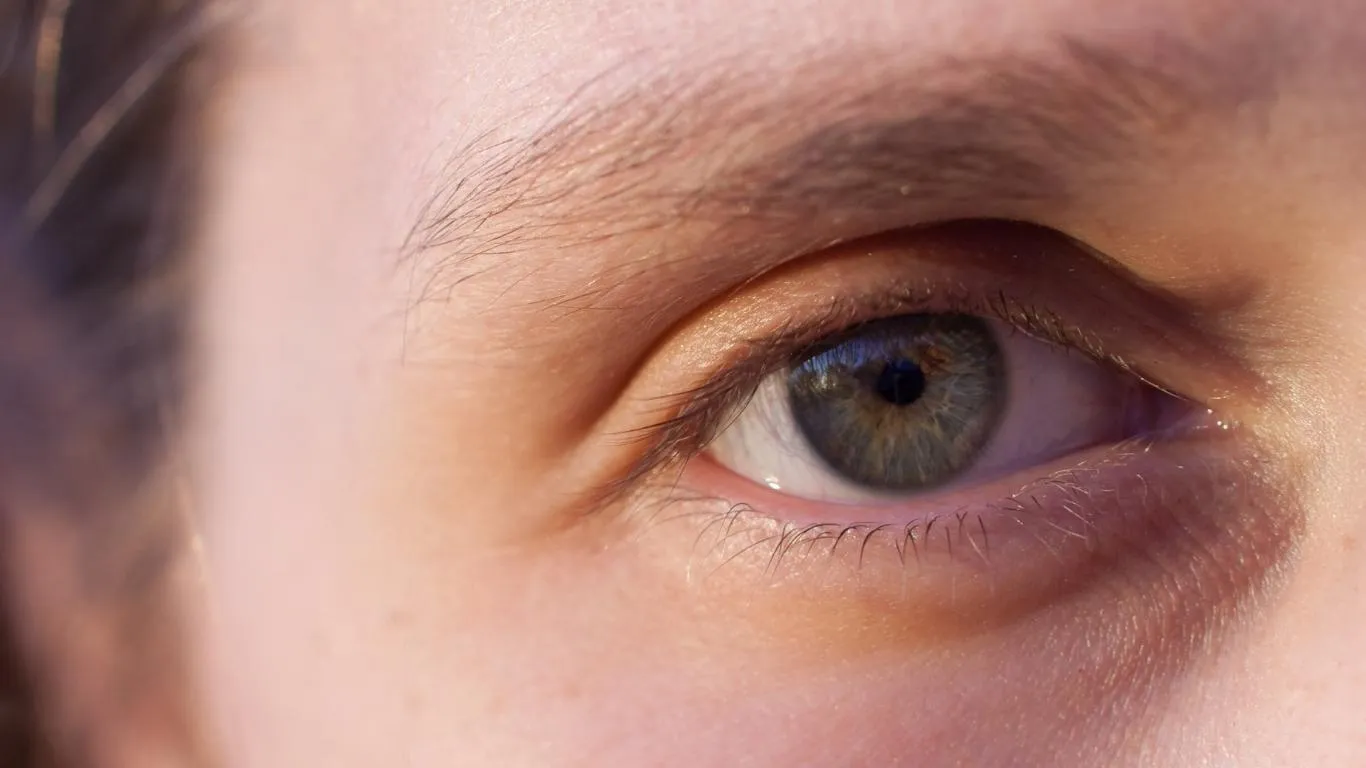
If floaters are linked to your autoimmune condition, treatment typically focuses on reducing inflammation:
- Steroid eye drops: Often the first line of defense for mild cases.
- Immunosuppressive medications: These systemic drugs help control the autoimmune activity causing the floaters.
- Regular monitoring: Eye exams every few months can catch inflammation before it worsens.
Some people also explore natural support strategies like omega-3 supplements, anti-inflammatory diets, or lifestyle adjustments. While not a replacement for medical treatment, they may complement your overall approach. For more ideas, see this piece on natural ways to manage floaters.
And if your floaters feel like they’re getting worse after stress, you’re not imagining it. There’s growing evidence that stress may amplify autoimmune symptoms, including those affecting your eyes.
When Eye Floaters Signal Something More Serious
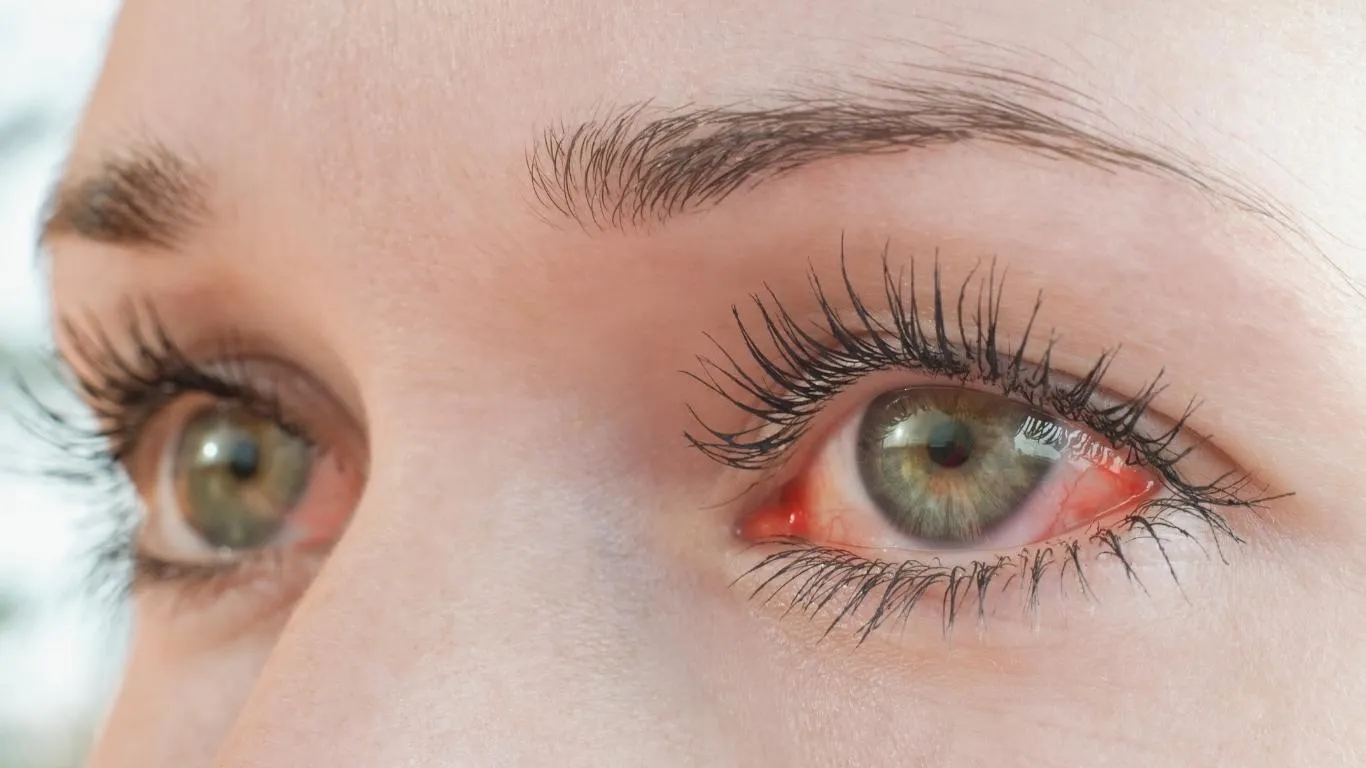
Not every floater is dangerous, but autoimmune-related floaters carry higher stakes. Persistent floaters that don’t resolve—or are accompanied by vision loss—could suggest progressive ocular complications like:
- Chronic posterior uveitis
- Cystoid macular edema (swelling in the retina)
- Retinal detachment in rare but advanced cases
In one case I read about in an ophthalmology journal, a patient with Behçet’s disease developed floaters and blurry vision that were initially dismissed. By the time proper treatment began, retinal damage had already occurred. That story stuck with me—and made me push harder for earlier interventions.
Don’t wait for vision loss to take action. Eye floaters from autoimmune diseases can be a warning sign, not just a nuisance.
Advanced Treatment Options for Autoimmune-Linked Floaters
If you’ve tried basic steroid drops and floaters are still hanging around, it may be time to explore more advanced options, particularly if there’s ongoing inflammation.
Intravitreal Steroid Injections
These are injected directly into the vitreous cavity and offer targeted relief, especially in stubborn cases of posterior uveitis. They aren’t used lightly but can work wonders for some patients.
Biologic Therapies
Biologics like adalimumab and infliximab—commonly prescribed for autoimmune diseases—are also effective for reducing ocular inflammation. They come with risks and costs, but for chronic cases, they may offer better control than traditional immunosuppressants.
Vitrectomy Surgery
This procedure removes the vitreous gel—and with it, the floaters. It’s usually reserved for severe or visually debilitating cases, especially when floaters are due to permanent debris, not active inflammation.
For a broader understanding of treatment options from non-invasive to surgical, see our full guide on eye floater treatments.
Daily Habits That Can Help You Manage Autoimmune Floaters
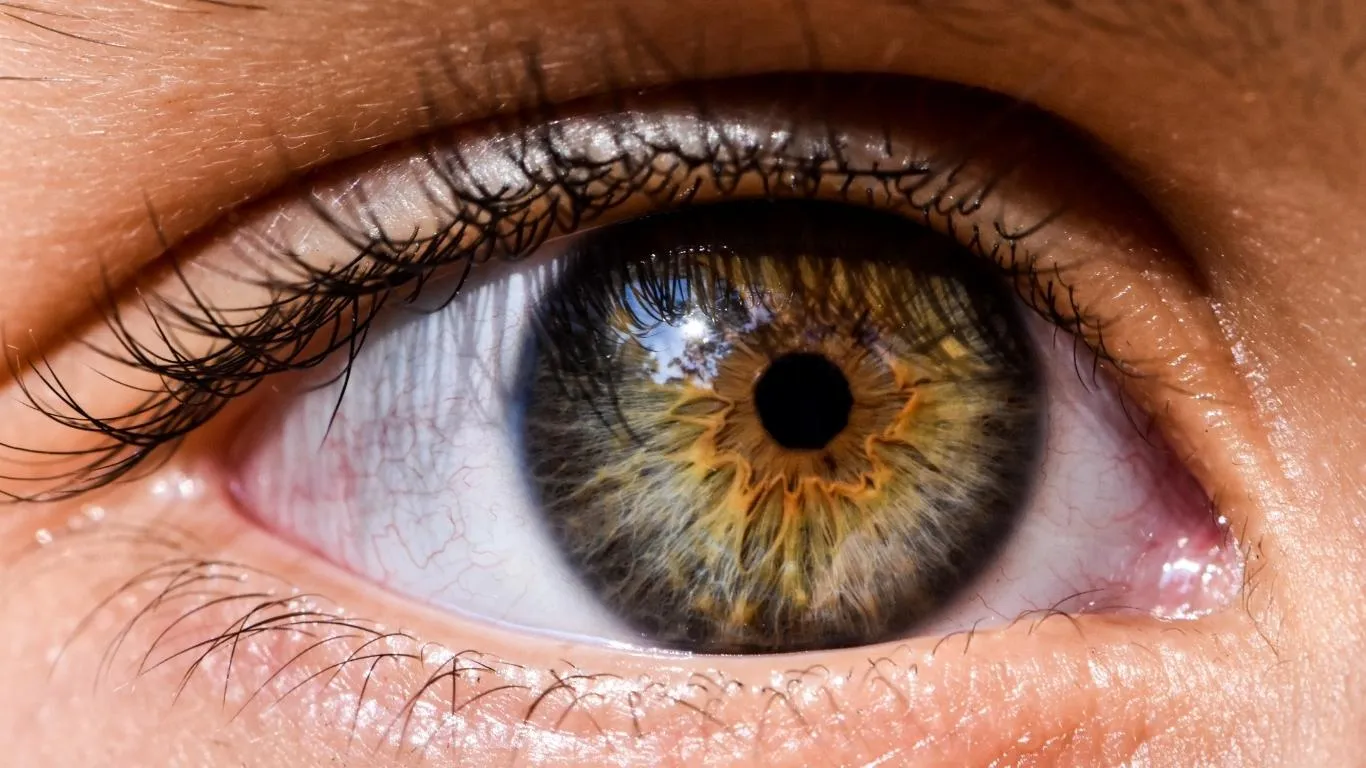
Living with an autoimmune disease means you’re constantly looking for balance—and your eyes are part of that. These small lifestyle adjustments made a surprising difference for me:
- Keep inflammation down: I follow an anti-inflammatory diet rich in leafy greens, omega-3s, and turmeric. Nothing fancy—just consistent.
- Hydrate like it matters: Dehydration can worsen floaters. A study even suggests that dehydration contributes to floater severity.
- Get regular eye exams: Especially during autoimmune flare-ups. Even if your vision seems fine, inflammation can simmer quietly in the background.
- Protect your eyes from UV light: Sunglasses are more than a fashion statement—they help reduce ocular stress and flare-ups.
There’s no one-size-fits-all strategy. But I’ve learned that small habits stack up, especially when your immune system tends to overreact.
When to See an Eye Specialist Immediately

If you’re noticing any of the following, don’t wait for your next checkup—get it checked *now*:
- Sudden onset of dozens of new floaters
- Flashes of light, especially in peripheral vision
- Partial loss of visual field (like a curtain over your eye)
- Severe eye pain or pressure
These could signal a retinal tear or detachment—something that requires emergency intervention. Don’t rely on Google or wishful thinking. A 15-minute eye exam could save your sight.
Building a Collaborative Care Team
This is something I wish someone had told me earlier: managing autoimmune eye floaters isn’t just about your ophthalmologist. You’ll get the best results when your rheumatologist and eye doctor actually communicate.
Whether it’s adjusting immunosuppressants or tracking vision changes during flares, integrated care can make the difference between stability and vision loss.
One of the most informative resources I’ve leaned on is this breakdown of common causes of floaters. It provides helpful context and clears up common misconceptions about where floaters originate.
Are Autoimmune Floaters Ever Permanent?
Here’s the truth: some floaters may fade, others don’t. If the floaters are caused by debris or damage from past inflammation, they might stick around. But if they stem from active inflammation, timely treatment often helps them fade—or at least stop multiplying.
Many of mine eventually settled, especially after managing flare-ups more aggressively. I still see a few floaters here and there, but now they’re familiar guests, not constant interruptions. And with a reliable care team, I feel confident they’ll stay that way.

Camellia Wulansari is a dedicated Medical Assistant at a local clinic and a passionate health writer at Healthusias.com. With years of hands-on experience in patient care and a deep interest in preventive medicine, she bridges the gap between clinical knowledge and accessible health information. Camellia specializes in writing about digestive health, chronic conditions like GERD and hypertension, respiratory issues, and autoimmune diseases, aiming to empower readers with practical, easy-to-understand insights. When she’s not assisting patients or writing, you’ll find her enjoying quiet mornings with coffee and a medical journal in hand—or jamming to her favorite metal band, Lamb of God.