

Bacterial Vaginosis Overview and What Every Woman Should Know
It’s hard to explain the moment you realize something just doesn’t feel right down there. For me, it started with a persistent fishy odor that wouldn’t go away, even after showering. I thought maybe it was just a phase, or stress. But as days passed, discomfort crept in. That’s when I learned about bacterial vaginosis—commonly called BV. If you’ve ever felt unsure about your vaginal health or confused BV with a yeast infection, you’re not alone. This guide walks you through everything you need to know, drawing on real experience and backed by current medical understanding.
What Exactly Is Bacterial Vaginosis (BV)?

Bacterial vaginosis is a condition caused by an imbalance in the vaginal microbiota. Normally, the vagina is home to a dominant community of lactobacilli—good bacteria that help maintain an acidic pH. But when harmful bacteria outnumber the good ones, it disrupts the environment, leading to BV. It’s not an infection from outside the body—it’s a shift in what’s already there.
According to CDC, BV is the most common vaginal condition in women aged 15–44, yet so many still struggle with recognizing it early. It’s not considered a sexually transmitted infection (STI), but sexual activity, hygiene practices, and even antibiotics can increase your risk.
Common Signs and Symptoms of BV

One of the trickiest parts about BV is how subtle it can be. Some women experience no symptoms at all, while others notice:
- Unusual vaginal odor, often described as “fishy”
- Thin, grayish-white discharge that may be more noticeable after sex
- Mild irritation or itching
- Burning during urination in some cases
It’s important to note that these symptoms may overlap with other conditions. You can dive deeper into specific signs like BV and vaginal odor or discharge changes to get a clearer understanding.
We’ve dedicated a full section on BV symptoms and signs where you can explore each symptom in detail.
Is It BV or Something Else?

That question haunted me for a while. The first time I noticed the discharge, I assumed it was a yeast infection. But unlike yeast infections, BV discharge doesn’t usually come with thick, white clumps. There’s rarely severe itching. That’s why proper diagnosis is key. If you’re unsure, learn how to differentiate with our guide on BV vs. yeast infection.
In fact, some women wonder if they can self-diagnose. If that sounds like you, check out the insight on self-diagnosing BV, though I highly recommend speaking with a provider. Diagnostic accuracy can make or break your treatment approach.
What Causes BV to Happen in the First Place?

The cause isn’t always straightforward, but several factors can increase your chances:
- Sexual activity, especially with new or multiple partners
- Overwashing or douching that disrupts the natural flora
- Antibiotic use that reduces good bacteria
- Hormonal changes, particularly around menstruation
My BV episodes always seemed to occur after a period of antibiotic use. Turns out, that’s a well-known risk factor. Explore more about it in how antibiotics affect BV or learn how hygiene habits might play a role.
If you’re looking for a broad view on what contributes to BV, visit the full Causes and Risk Factors cluster for a comprehensive breakdown.
Why BV Shouldn’t Be Ignored

Many women think of BV as an annoyance, but untreated cases can lead to complications. For instance, BV has been linked with increased risk of contracting STIs, including HIV, and can cause issues during pregnancy such as preterm birth. There’s also a higher chance of BV returning—something that many women, including myself, know all too well.
If you’re experiencing repeat infections, I suggest reading about BV relapse after treatment and exploring long-term solutions that offer hope beyond short-term fixes.
To keep exploring solutions or prevention methods, you might also want to check out our dedicated guides on treatment options, natural remedies, and prevention tips tailored to daily habits.
How Is BV Diagnosed and Can You Test at Home?

If you’re wondering whether you can identify BV on your own, you’re not alone. I remember standing in the drugstore aisle, staring at at-home vaginal pH tests, unsure if they were worth it. While they offer a quick snapshot, they’re not always conclusive. A high pH can point toward BV, but other infections can elevate pH too.
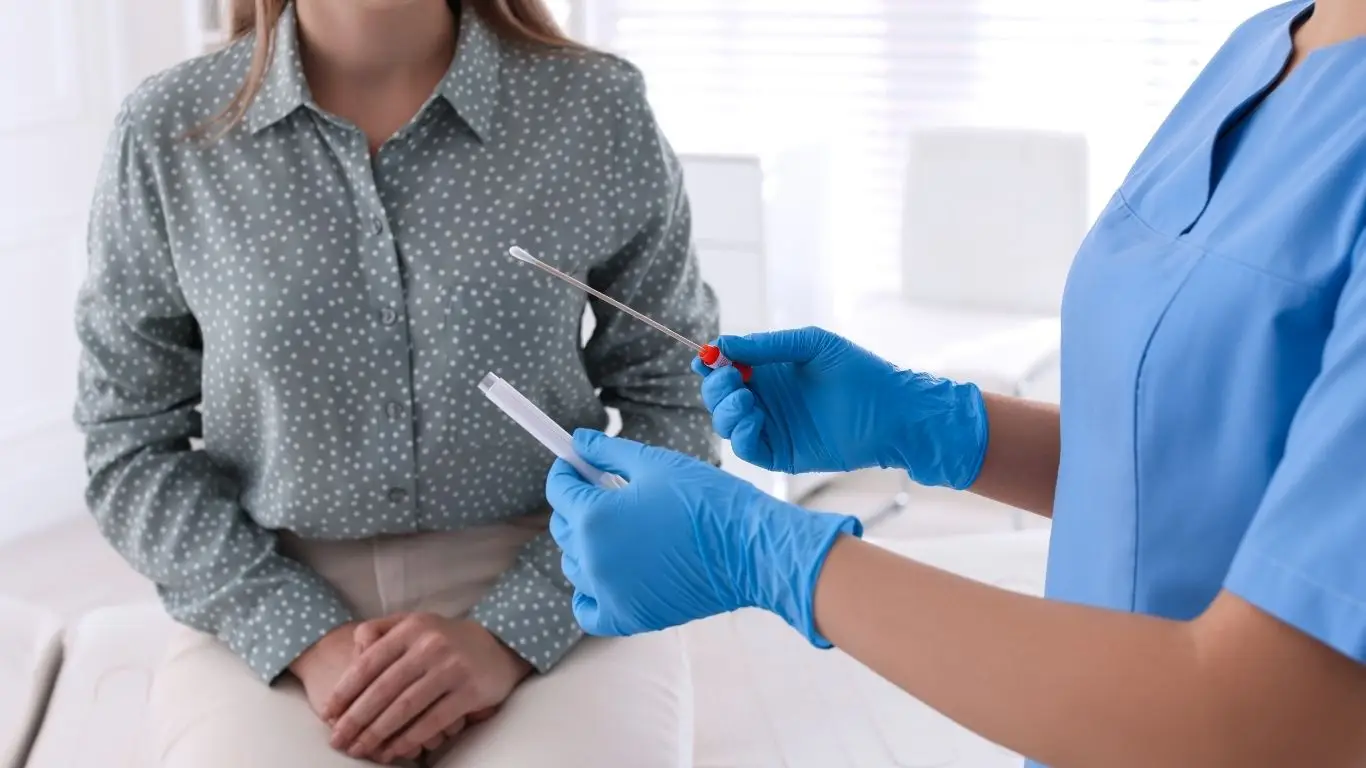
The most accurate diagnosis still comes from a healthcare provider. They’ll typically perform a vaginal swab and examine it under a microscope. For a full breakdown of your options, including at-home testing, explore home test accuracy or can you self-diagnose BV?.
We’ve also put together a cluster page on how BV is diagnosed to help you understand what happens at the clinic and what questions to ask.
Medical Treatment Options That Work

Most doctors will prescribe either metronidazole or clindamycin for bacterial vaginosis. I’ve personally used both. Metronidazole, in gel or pill form, tends to be the first line. It usually clears symptoms within a week. But for those who experience side effects—or when BV returns too quickly—clindamycin may be suggested as an alternative.
Another option gaining popularity is boric acid, particularly for recurrent BV. However, it’s usually used alongside antibiotics—not as a standalone treatment.
There’s also an important consideration: should your partner be treated? While BV isn’t officially classified as an STI, some studies suggest bacteria can be passed back and forth. In my own case, including my partner in the treatment plan made a significant difference.
You can browse the full section on BV treatment options for everything from timelines to pregnancy-safe alternatives like treating BV while pregnant.
Natural Remedies: What Actually Helps?

It’s tempting to look for gentler, natural alternatives—especially after experiencing recurrent infections. While not all remedies are backed by high-quality evidence, some have shown promise:
- Probiotics (especially those with Lactobacillus rhamnosus or reuteri) may help restore healthy vaginal flora
- Tea tree oil suppositories—used cautiously—can reduce bacterial growth
- Plain yogurt, when applied externally or consumed, may help rebalance good bacteria
- Coconut oil has mild antimicrobial properties
It’s crucial to use natural options alongside medical guidance. I’ve made the mistake of self-treating with tea tree oil too often—it worked briefly but didn’t stop the recurrence. For a deeper dive, see our guide on natural remedies for BV.
Recurring BV: Why It Happens and What to Do

If you’ve had BV more than once, you know the frustration. For some, it becomes a monthly battle. For me, it returned every few cycles—always after menstruation. The cause of recurrence isn’t always clear. Factors may include:
- Incomplete restoration of good bacteria after antibiotics
- Reinfection via sexual activity
- Hormonal fluctuations
- Persistent lifestyle or hygiene triggers
One of the most visited resources is our article on BV relapse after antibiotics. It breaks down why standard treatments sometimes fall short and how to address underlying patterns.
You might also consider reading about long-term strategies that go beyond temporary fixes. Our recurrence and prevention cluster includes tips that are sustainable for the long run.
Preventing BV: Small Habits, Big Results

Prevention is easier than treating recurrence. I’ve learned that the smallest habits make a big difference:
- Use only water or mild, pH-balanced soap externally
- Avoid douching or scented feminine products
- Wear breathable cotton underwear
- Wipe front to back to prevent introducing bacteria
- Consider condom use if you notice post-intercourse flare-ups
You can explore these and more in our full section on BV prevention tips. Curious about hygiene myths? You’ll appreciate our article on BV and douching, or how your underwear choices might be affecting your vaginal health.
Of course, prevention isn’t just about habits. Your overall health, including what you eat, plays a part. And that’s what we’ll explore in the next section.
The Role of Diet in Managing BV

I used to think diet had nothing to do with BV. But after a few relapses, I noticed a pattern—weeks of heavy sugar intake often led to symptoms flaring. Turns out, what we eat affects the balance of vaginal bacteria more than we realize.
Eating foods that support the growth of Lactobacillus can help maintain a healthy vaginal pH. Probiotic-rich options like yogurt, kefir, and fermented vegetables are especially beneficial. On the other hand, diets high in sugar and processed foods may encourage the overgrowth of harmful bacteria.
Explore what to eat on our dedicated guide to foods that feed good bacteria, or learn which foods to avoid if you’re prone to BV.
If sugar cravings are your challenge (as they were mine), you might want to read how sugar can worsen BV. Making dietary changes was one of the most effective, long-term shifts I made in preventing recurrence.
Our BV diet guide brings together all these tips for easy daily application.
BV During Pregnancy: What You Should Know
When I was pregnant, everything I did was under a microscope. So when my midwife mentioned BV, I panicked a little. What did it mean for my baby? The truth is, BV during pregnancy is common—but it deserves extra attention.
While BV doesn’t always cause complications, studies have linked it with increased risk of:
- Preterm labor
- Premature rupture of membranes
- Low birth weight
- In some cases, miscarriage
Thankfully, when caught early, BV is usually treatable with pregnancy-safe antibiotics. You can learn more about this in our section on BV treatment during pregnancy.
We’ve also detailed what the latest studies say about BV and miscarriage risks, and how it might relate to preterm labor.
All pregnancy-specific topics are compiled in the BV in pregnancy guide, so you don’t need to navigate it alone.
Can You Have BV and a Yeast Infection at the Same Time?

One of the most confusing things I ever experienced was getting treated for BV—only for a yeast infection to pop up immediately after. Turns out, it’s not just coincidence. BV and yeast infections can coexist, especially after antibiotics that kill good bacteria.
While they present differently, there are overlapping symptoms like unusual discharge and irritation. That’s why self-diagnosing can sometimes backfire, especially when you treat the wrong condition.
To clarify everything in one place, our cluster on BV vs. yeast infection gives real-life examples and medical comparisons.
Final Tips and Helpful Resources

If I could go back and talk to my younger self when I first started experiencing symptoms, I’d say this: listen to your body. A slight shift in odor or discharge isn’t something to dismiss. Whether you’re trying to understand symptoms, treat a current episode, or prevent the next one—awareness is your strongest ally.
For easy navigation, here are key sections you can visit anytime:
- Symptoms and signs
- Causes and risk factors
- Diagnosis methods
- Treatment options
- Natural remedies
- Recurring BV strategies
- Prevention tips
- BV diet guide
- BV during pregnancy
- Yeast vs BV differences
For trusted health information, I recommend browsing NHS or Mayo Clinic. But above all, trust your own observations—and when in doubt, consult a provider you’re comfortable with. This is your body, your health, your journey.