Best Postpartum Lower Back Pain Solutions That Actually Work
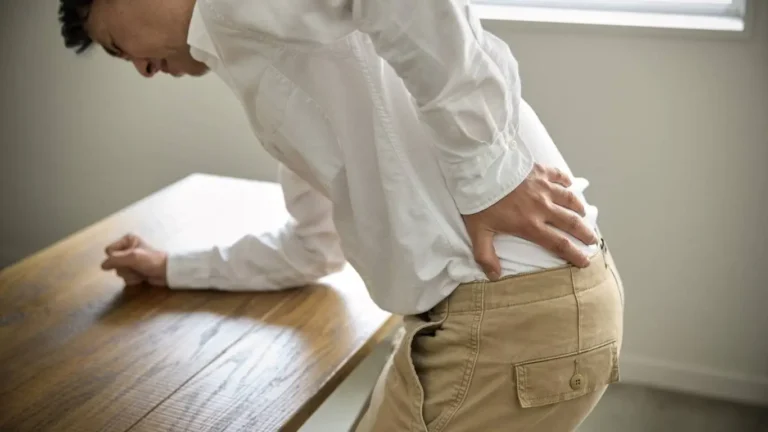
After having my second child, I expected the sleepless nights and the emotional rollercoaster—but what I didn’t expect was the persistent, gnawing pain in my lower back. At first, I chalked it up to carrying a baby around all day, but weeks turned into months, and the discomfort stuck around like an unwelcome guest. Sound familiar? If you’re a new mom dealing with *postpartum lower back pain*, trust me, you’re not alone. And no, you’re not just being “dramatic.” This stuff is real, and it’s surprisingly common—but rarely talked about openly.
What Causes Postpartum Lower Back Pain?

The root causes of postpartum lower back pain aren’t always obvious. It’s not just one thing—it’s a perfect storm of physical, hormonal, and lifestyle shifts that your body endures during pregnancy, birth, and recovery.
1. Hormonal Changes
One big culprit? Relaxin. This hormone is released during pregnancy to loosen your ligaments and prepare your pelvis for childbirth. Sounds helpful, right? It is—but it also leads to instability in your joints, especially your lower back and hips. Even after birth, relaxin can linger in your system for several months, keeping everything a bit wobbly.
2. Core and Pelvic Floor Weakness
Your abdominal muscles go through a lot during pregnancy, and your pelvic floor? Let’s just say it’s been through a war. When these areas are weak or misaligned, your lower back tries to pick up the slack—often leading to strain and pain.
3. Posture and Everyday Strain
Nursing in awkward positions, rocking a baby to sleep for hours, and hauling around car seats—it’s no wonder your back feels like it’s on strike. New moms tend to neglect their posture, and it catches up quickly. I used to nurse my baby on the couch, slouched over with zero back support—no wonder my lumbar spine hated me.
4. Diastasis Recti
This condition, a separation of the abdominal muscles, can mess with your core stability and contribute to back pain. It’s more common than people realize and often goes undiagnosed unless a healthcare provider checks for it.
Effective At-Home Solutions That Actually Work

Alright, so what can you do about it—short of living at a chiropractor’s office or investing in a $2,000 massage chair? The good news: There are several evidence-based, practical solutions you can start right at home.
Gentle Core and Pelvic Floor Exercises
Strengthening your core (gently!) is one of the most impactful things you can do. Focus on:
- Pelvic tilts
- Transverse abdominis activations (think gentle belly hugs)
- Kegels (yes, those!)
Don’t jump into planks or crunches too fast—build your foundation first. Need guidance? This guide to exercise and rehabilitation is a solid place to begin.
Use Supportive Gear
Postpartum belly wraps or lumbar braces can provide temporary support while you strengthen your core. I used a lightweight lumbar belt when I needed to carry my baby around the house, and it made a huge difference.
Optimize Your Nursing and Baby-Lifting Posture
Sounds simple, but correcting your posture while breastfeeding or carrying your little one can relieve a lot of unnecessary tension. Keep a small pillow or rolled towel behind your lower back when sitting, and try lifting your baby with your legs instead of your back.
Heat and Cold Therapy
Alternating between a heating pad and an ice pack can ease inflammation and soothe tense muscles. I usually did this during nap time—15 minutes of heat, followed by a cold compress after a stretch session.
Gentle Mobility Work
A few minutes of stretching daily can help with circulation, flexibility, and pain relief. Focus on:
- Child’s pose
- Cat-cow stretches
- Hip flexor openers
It doesn’t have to be a full yoga session—just move consistently.
When to Seek Professional Help
Sometimes, no matter what you do at home, the pain sticks around. That’s when it’s time to bring in the pros. A pelvic floor physical therapist or a chiropractor trained in postpartum care can be game-changers.
- If the pain is radiating down your leg or you feel numbness, see a specialist ASAP.
- Lingering pain after six months may indicate an underlying issue that needs evaluation.
This page on symptoms and diagnosis of back pain explains red flags to watch for and how to assess if something more serious is going on.
And for a broader perspective on managing back pain as a mom on the move, visit the main back pain hub which dives deeper into all forms of spinal discomfort.
Want to explore more natural remedies and long-term strategies? Don’t miss this thorough look at lifestyle and natural back pain relief that’s helped many moms regain their balance—literally and figuratively.
Outside of Healthusias, The American Physical Therapy Association and the Mayo Clinic (protocol only: apta.org, mayoclinic.org) are also great resources for postpartum pain strategies grounded in science.
Long-Term Lifestyle Tweaks for Postpartum Back Relief

After the first few months of battling *postpartum lower back pain*, I realized something crucial—quick fixes help, but if you want lasting relief, you’ve got to tweak your entire lifestyle. And no, I’m not talking about massive changes. Just small, thoughtful adjustments that add up over time.
Fixing Everyday Ergonomics
Chances are, you’re doing a lot of bending, lifting, rocking, and squatting every day without even noticing your posture. I was guilty of this, especially while cleaning or loading the dishwasher with one hand and holding a baby in the other (don’t recommend it).
- Use a baby carrier that supports your lower back and hips—life saver.
- When lifting your baby from the crib or car seat, squat with your legs, not your back.
- Set up your changing table and feeding chair at the right height—no more hunching.
Ergonomics isn’t just for office workers. If your home setup is off, your back will feel it. Learn more about smart movement and posture corrections at our guide on exercise, rehab, and ergonomics.
Nutrition and Hydration—Seriously, It Helps
Okay, I rolled my eyes at this advice too, but hear me out. What you eat and drink affects your inflammation levels, your muscle recovery, and your energy—which all play into how your body copes with pain.
- Stay hydrated. Water helps maintain spinal disc health and keeps everything moving.
- Focus on anti-inflammatory foods like leafy greens, fatty fish, turmeric, and berries.
- Cut down on sugar—it’s sneakily tied to inflammation and muscle stiffness.
Want to geek out a bit more? The section on natural remedies and lifestyle upgrades is packed with science-backed tips that don’t involve popping ibuprofen all day.
Don’t Underestimate Mental and Emotional Load

Let’s get real for a second. Physical pain isn’t always just about your body. As a new mom, you’re running on minimal sleep, navigating a storm of hormones, and probably dealing with more stress than ever. That mental strain shows up in your body—especially in your lower back.
Mind-Body Connection
Have you ever noticed your pain spikes when you’re overwhelmed or anxious? That’s no coincidence. Stress tightens your muscles, affects your posture, and limits healing.
- Practice deep breathing—literally a 5-minute breathing break can ease tension.
- Try gentle yoga or mindful stretching—not for the workout, but for the reset.
- Write it out. Journaling has actually helped me spot emotional triggers that led to flare-ups.
If this resonates, the insights in mental and emotional aspects of back pain might hit home for you.
Ask for Help—It’s Not Weakness
I was terrible at this. I felt like asking for help made me a bad mom. But leaning on your partner, a friend, or even a postpartum support group isn’t a weakness—it’s a survival tool. Especially when pain makes even simple tasks feel ten times harder.
And don’t hesitate to talk to your OB or a physical therapist about your back pain. This stuff is often under-discussed in standard postpartum care, but it shouldn’t be.
Building a Postpartum Routine That Supports Healing

Creating a rhythm that supports your recovery doesn’t mean turning your life upside down. It just means getting a little intentional with how you move, eat, and care for yourself each day.
Sample Day-to-Day Adjustments
- Morning: 5-minute core activation and stretch while baby naps
- Midday: Stay hydrated, use supportive gear for outings
- Evening: Light yoga, heating pad, and journal reflections
Over time, these little habits reduce pain, boost your energy, and help you feel more in control. That was a game-changer for me—I felt like I wasn’t just surviving, but actually recovering.
What to Avoid When Managing Postpartum Back Pain

In my trial-and-error journey, I made some classic mistakes that only made things worse. So here’s what *not* to do:
- Jumping into intense workouts too soon. Give your body time to rebuild from the inside out.
- Ignoring the pain or assuming it’s “normal.” Pain that persists isn’t something you should brush off.
- Relying only on painkillers. They’re a short-term fix, not a solution.
- Using bad baby gear. Unsupported baby carriers or old strollers can wreck your posture.
If you’re unsure whether your pain is “normal” or not, the breakdown in symptoms and diagnosis will help you know what to look out for.
Resources to Support Your Journey

You don’t have to figure this out alone. There are excellent, practical resources tailored to postpartum recovery that aren’t just generic “new mom” tips. If you haven’t yet, check out our main guide to all things back pain for more focused solutions.
Also, I found this page on conservative treatments for back pain really helpful when I was deciding between therapy, massage, and other non-invasive approaches.
Trusted expert organizations like nhs.uk and cdc.gov are also excellent for validating treatment options and learning what’s safe postpartum.

Camellia Wulansari is a dedicated Medical Assistant at a local clinic and a passionate health writer at Healthusias.com. With years of hands-on experience in patient care and a deep interest in preventive medicine, she bridges the gap between clinical knowledge and accessible health information. Camellia specializes in writing about digestive health, chronic conditions like GERD and hypertension, respiratory issues, and autoimmune diseases, aiming to empower readers with practical, easy-to-understand insights. When she’s not assisting patients or writing, you’ll find her enjoying quiet mornings with coffee and a medical journal in hand—or jamming to her favorite metal band, Lamb of God.