Best Yoga Poses For Eye Floater Relief That Actually Help
Ever since my early 40s, I started noticing these tiny shadowy shapes drifting across my field of vision—like translucent cobwebs or little dots. At first, I thought I was just tired or maybe dehydrated. But they never really went away. After a casual conversation with my optometrist, I found out they were *eye floaters*. As someone who’s deep into yoga for mental clarity and physical health, I got curious—can yoga help with floaters? Turns out, there are specific yoga poses for eye floater relief that are gaining attention—not as a miracle cure, but as a natural support method worth trying.
Understanding Eye Floaters Before We Stretch
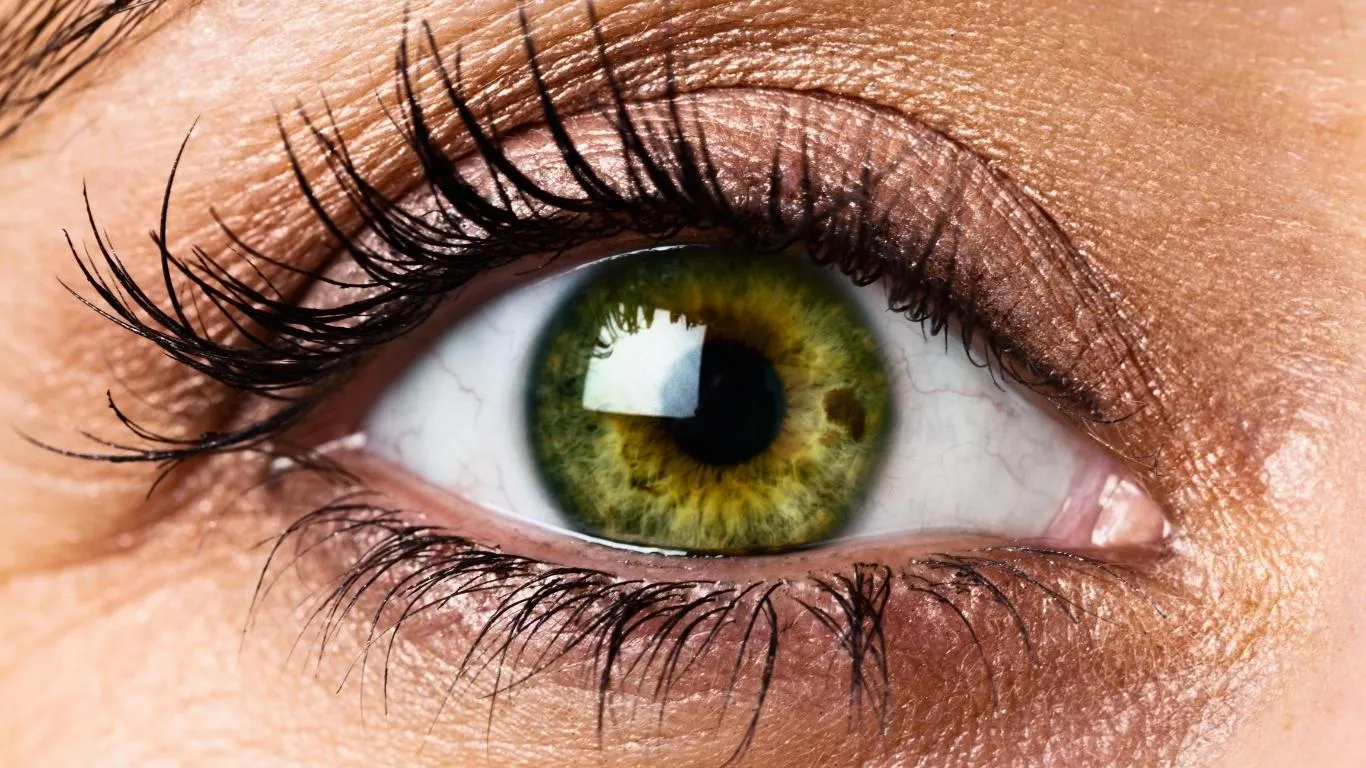
Eye floaters are those specks, threads, or cobweb-like shapes that drift across your vision. They’re usually harmless but incredibly annoying. Floaters often happen as the vitreous gel in the eye starts to shrink or detach, especially as we age. They’re more common if you’re nearsighted, diabetic, or have had eye surgeries.
While no yoga pose will erase a floater from your eye, certain techniques might reduce stress, improve blood flow, and promote overall eye health. That’s where a consistent, focused yoga practice can play a role—not as a replacement for medical care, but as a mindful, supportive daily habit.
How Yoga Can Help with Eye Floater Relief
Reducing Eye Strain and Tension
Most of us are guilty of long hours staring at screens—phones, laptops, TVs. This leads to digital eye strain, which doesn’t cause floaters directly, but it amplifies their presence. Yoga helps relax the muscles around the eyes and brings down overall stress levels.
Boosting Blood Circulation
Certain poses that promote inversion or gentle blood flow toward the face may support healthier circulation in and around the eyes. Better circulation might not clear floaters, but many believe it keeps the eye tissues healthier, potentially slowing down floaters’ progression.
Supporting Vitreous Health Through Mind-Body Balance
The yoga lifestyle isn’t just about poses—it’s about breathing, hydration, mindfulness, and nourishment. And guess what? That’s exactly what your eyes need. Practices that promote stress relief and systemic balance may reduce floaters made worse by dehydration or stress.
Top Yoga Poses for Eye Floater Relief
1. Palming (Trataka Variation)
Although not a classic yoga asana, this is a simple yogic eye exercise you can do sitting cross-legged:
- Rub your palms together until they’re warm.
- Close your eyes and gently cup your palms over them without applying pressure.
- Focus on your breath for 1–2 minutes while visualizing total darkness.
This method is incredibly calming and believed to relax optic nerves. I do this every morning before diving into my emails.
2. Viparita Karani (Legs-Up-the-Wall)
This restorative pose allows gentle blood flow to the upper body, reduces pressure, and soothes tired eyes.
- Lie on your back near a wall and extend your legs up.
- Use a pillow or bolster under your hips for support.
- Hold for 5–10 minutes with slow breathing.
This is my go-to pose after long Zoom calls—it melts eye tension away.
3. Child’s Pose (Balasana)
While this pose focuses on calming the nervous system, it also promotes inward focus, rest for the eyes, and pressure relief in the head.
4. Shoulder Stand (Sarvangasana) – For Advanced Practitioners
Use with caution and under guidance, especially if you have neck or eye issues. This pose can boost circulation but must be practiced mindfully. It’s said to help detoxify and balance the body—including eye pressure regulation.
Eye Health Is More Than Just Vision
From what I’ve seen (literally and figuratively), addressing floaters means caring for your whole system. Inflammation, blood sugar, circulation, stress—they all impact your vision. I once read how unmanaged diabetes leads to more aggressive floaters. It made me realize: everything’s connected. Yoga gives us a way to stay proactive without pills or panic.
Floaters can also be a sign of something more serious—so it’s critical to know when they signal a retinal tear or serious eye concern. Yoga won’t replace medical checkups, but it can be an empowering way to take charge of how your body feels, reacts, and heals.
Additional Resources to Explore
- Understand the common causes of eye floaters to avoid triggers.
- Explore the main guide to eye floaters for a complete overview.
- External insights from ncbi.nlm.nih.gov and aao.org provide helpful medical context.
Daily Habits That Enhance Yoga’s Effect on Eye Floaters
Incorporating yoga poses for eye floater relief into your routine is a fantastic start, but it’s just one part of the picture. I’ve found that small shifts in daily habits can make a surprising difference. Things like hydration, digital screen discipline, and sleep—these don’t just support your yoga practice, they directly influence your eye health.
Hydrate Like It’s Your Job
This one took me a while to embrace. I used to power through my day on coffee and maybe one glass of water. But dehydration makes floaters worse. No joke. I now keep a tall bottle next to my yoga mat, and I treat it like a non-negotiable part of my practice.
Adjust Screen Time—and Screen Distance
Let’s face it: we live on screens. But that doesn’t mean we can’t control how we use them. I follow the 20-20-20 rule (every 20 minutes, look at something 20 feet away for 20 seconds). It helps more than you’d think. Too much screen time stresses your eyes and can amplify the annoyance of floaters.
Eye-Friendly Nutrition
Turns out, your eyes crave nutrients. Antioxidants like lutein and zeaxanthin, omega-3s, and Vitamin C help maintain the vitreous body’s integrity. I’ve made spinach, blueberries, and flaxseed regulars in my kitchen. If you’re curious, poor nutrition has been linked to increased floater issues.
Breathing Techniques That Support Vision Wellness
Don’t overlook pranayama (yogic breathing). I’ve used it for anxiety and energy boosts, but it’s also incredible for relaxing eye tension. Here are a few worth trying:
1. Nadi Shodhana (Alternate Nostril Breathing)
This balancing breath calms the nervous system, regulates blood pressure, and may improve oxygenation—especially to the face and brain. I find it great before bed or after screen-heavy workdays.
2. Bhramari (Bee Breath)
Close your ears with your thumbs, eyes closed, and hum gently as you exhale. The vibration is surprisingly soothing for the forehead and eyes. I do 5 rounds after my evening stretches—it’s like a mini-massage for my brain.
3. Ujjayi Breath
Often called “ocean breath,” this technique increases focus and circulation. It’s a core part of my vinyasa flow and feels incredibly grounding. Could it help your floaters? Maybe not directly, but the calm it brings definitely helps you tune in instead of freaking out.
When to See a Doctor (Seriously, Don’t Skip This)
Not every floater is benign. If you suddenly see a shower of floaters, flashes of light, or lose peripheral vision, drop the yoga mat and call your eye doctor. These may signal a retinal tear or detachment. Read this if you’ve ever wondered what’s serious vs. annoying.
Personally, I check in with my ophthalmologist once a year. It’s reassuring, especially knowing my floaters haven’t progressed. And it’s how I discovered that some medications, like steroid drops, can cause floaters. Not something you want to overlook.
Complementary Practices to Support Your Yoga Routine
While yoga plays a central role in my lifestyle, I’ve added other simple practices that make a big impact. Here are a few ideas you might blend into your routine:
- Eye Rolling Exercises – Gentle clockwise and counterclockwise rotations improve ocular flexibility and muscle tone.
- Cold Compresses – A chilled washcloth over your eyes after a long day? Pure bliss.
- Blue Light Filters – On all my screens, especially after 6 p.m. It’s subtle but definitely reduces eye fatigue.
- Herbal Teas – Chamomile and eyebright are my go-tos for their calming and anti-inflammatory effects.
Take a Mindful Approach to Eye Floaters
Yoga gave me the tools to stop obsessing over the floaters and start living with more intention. There are still days when I catch one drifting across my vision mid-downward dog, but it doesn’t bother me like it used to. Now, I treat those moments as reminders to slow down, breathe, and reset.
If you’re ready to explore more about managing floaters through natural means, the guide on natural eye floater management covers helpful tips, supplements, and myths worth debunking. And for a more structured understanding of causes and options, don’t miss the main eye floater resource here at Healthusias.
And remember—your eyes are talking. Yoga simply helps you listen better.

Camellia Wulansari is a dedicated Medical Assistant at a local clinic and a passionate health writer at Healthusias.com. With years of hands-on experience in patient care and a deep interest in preventive medicine, she bridges the gap between clinical knowledge and accessible health information. Camellia specializes in writing about digestive health, chronic conditions like GERD and hypertension, respiratory issues, and autoimmune diseases, aiming to empower readers with practical, easy-to-understand insights. When she’s not assisting patients or writing, you’ll find her enjoying quiet mornings with coffee and a medical journal in hand—or jamming to her favorite metal band, Lamb of God.