Breathing Exercises for Anxiety Relief That Actually Work
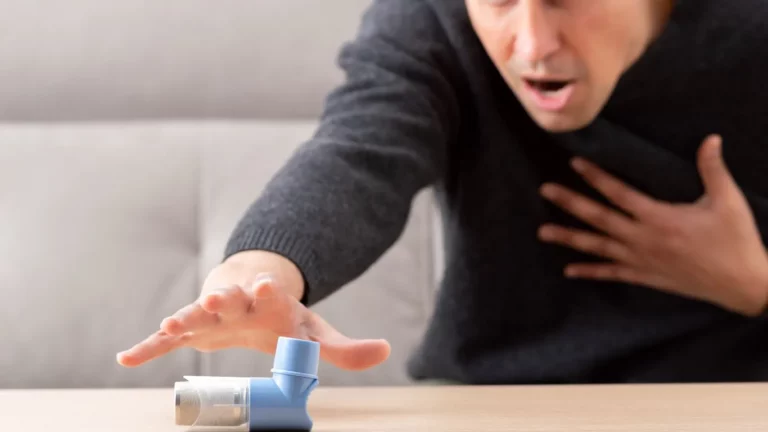
I didn’t used to think about my breathing. It just happened—like it does for most people. But when anxiety started creeping into my everyday life, my breath became one of the first things it hijacked. I’d suddenly realize I was holding my breath without noticing, or taking shallow little sips of air like I was stuck in panic mode. It wasn’t until I started intentionally practicing breathing exercises that I realized how powerful something so simple could be.
Why Your Breath Is the First Place Anxiety Shows Up

Anxiety doesn’t usually knock on the door and announce itself. It slips in quietly—tensing your shoulders, speeding up your heart, and shortening your breath before you even know what’s happening. That’s because your breathing is directly tied to your nervous system. When your brain perceives a threat (real or not), it flips on your fight-or-flight mode. Your breath responds by becoming quick and shallow, prepping your body for danger that probably isn’t there.
This is why breathing exercises aren’t just fluff—they’re one of the quickest ways to interrupt that panic response. By slowing and deepening your breath, you’re literally telling your body, “Hey, we’re safe now.” And your brain listens.
The Science Behind It
According to Harvard Medical School, slow, intentional breathing activates the parasympathetic nervous system—the part responsible for calming you down. It lowers heart rate, reduces blood pressure, and sends a clear message to your body that it’s okay to relax.
I didn’t need fancy tools or apps. I just needed a quiet moment, some practice, and patience. Breathing became the anchor I could come back to whenever my thoughts were spiraling. Not a cure-all, but a real, tangible tool I could count on.
Simple Breathing Exercises That Actually Work

I’ve tried a lot of different techniques over the years, and these are the ones I still use today. They’re easy to learn and can be done pretty much anywhere—at your desk, in bed, during a panic attack, or before a stressful conversation.
1. Box Breathing (Also Called Square Breathing)
- Inhale slowly for 4 seconds
- Hold your breath for 4 seconds
- Exhale slowly for 4 seconds
- Hold again for 4 seconds
Repeat for 3–5 minutes. This technique is great for beginners and used even by military personnel to stay calm under pressure.
2. 4-7-8 Breathing
- Inhale through your nose for 4 seconds
- Hold your breath for 7 seconds
- Exhale slowly through your mouth for 8 seconds
Do this for up to 4 cycles. This one really helps when you’re trying to fall asleep or stop racing thoughts. It slows the heart rate quickly.
3. Diaphragmatic (Belly) Breathing
Place one hand on your chest and one on your belly. Breathe in slowly through your nose, letting your belly expand (not your chest). Exhale through your mouth. This retrains your body to breathe the way it’s designed to—deep and steady.
It takes practice. I used to breathe from my chest constantly—no wonder I felt anxious all the time. Shifting to belly breathing helped my whole system settle down.
4. Alternate Nostril Breathing (Nadi Shodhana)
This one’s from yoga, and while it looks a little odd, it’s surprisingly calming. Use your thumb and ring finger to alternate closing off each nostril as you breathe in and out. The rhythm balances both sides of your brain, and it’s great before bed or meditation.
Making Breathing Exercises a Daily Habit
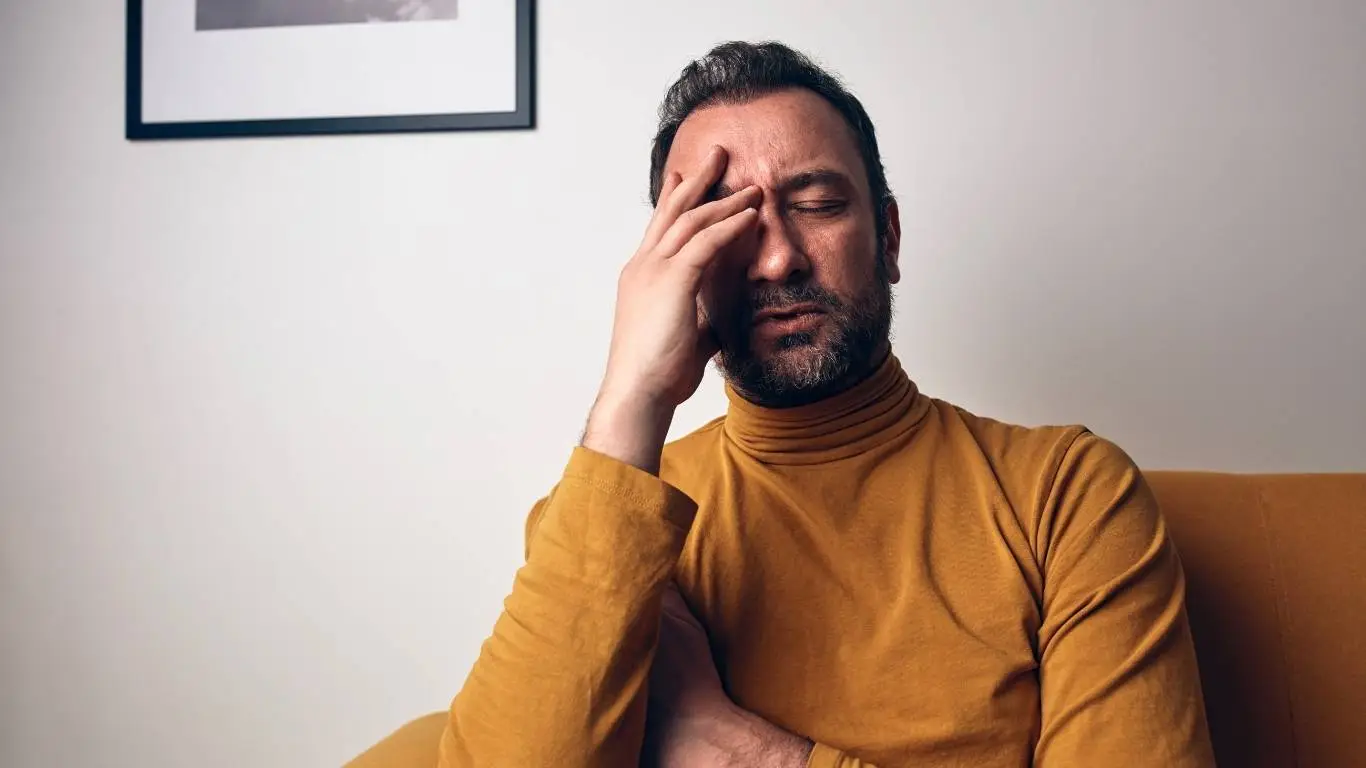
When I first started using breathing techniques, I only reached for them in emergencies—full-blown panic, public speaking nerves, spiraling thoughts. They helped, but not in a lasting way. Everything changed when I made breathwork part of my daily rhythm instead of just a crisis tool.
How to Build the Habit
- Anchor it to an existing habit: Do 1 minute of deep breathing before brushing your teeth or drinking coffee.
- Use visual cues: I left sticky notes on my mirror that said “Breathe.” It worked.
- Set reminders: Gentle phone alerts during the day helped me reset, especially during high-stress hours.
- Pair it with music or nature sounds: This made it feel less clinical and more like self-care.
I noticed over time that I wasn’t as reactive. I still felt anxious sometimes, but it didn’t own me the way it used to. Breathing created space between my emotions and my reactions. That space is everything.
How Breathwork Supports Long-Term Anxiety Relief

What surprised me most wasn’t just how breathing helped in the moment—but how much more resilient I felt over time. It was like the volume of my anxiety slowly turned down, just enough for me to think clearly and make better decisions.
Paired with other supportive tools like lifestyle changes for anxiety and professional support, breathwork has become part of a sustainable routine. I also found immense clarity in understanding the bigger picture through this overview on how anxiety disorders secretly control daily life.
Breathing doesn’t solve everything—but it gives you a foothold when everything feels out of control. It gives you a moment of peace in the storm, and sometimes, that moment is all you need to keep going.
I used to think if I just “breathed deeply,” everything would magically reset. But breathwork is more than just taking a long inhale when things get rough. The truth is, breathing exercises work best when they’re part of a bigger strategy. That means knowing your patterns, finding your triggers, and building a lifestyle that supports calm—even when life isn’t. Let’s dive into what that looks like in real life.
Using Breathwork to Interrupt Anxiety Spirals in Real Time

One of the most helpful shifts I made was learning how to use breathing in the *moment*—right when anxiety tries to take over. That moment when your chest tightens before a difficult phone call. When your thoughts start spinning after reading a stressful message. That’s where breath becomes your best ally.
What Real-Time Breathwork Looks Like
- Step away, even briefly: Physically changing your space helps reset your nervous system.
- Plant your feet flat on the ground: This grounds your body and shifts focus downward, not up in your racing thoughts.
- Take 3 deep belly breaths: Inhale for 4, exhale for 6—repeat slowly and notice the shift.
- Pair it with internal validation: Quiet phrases like “This is uncomfortable, but I’m safe” can enhance the calming effect.
For me, this stopped a lot of spirals before they turned into full-blown panic attacks. It doesn’t eliminate anxiety entirely, but it interrupts the feedback loop long enough to think clearly again.
Pairing Breathing With Other Body-Based Calming Techniques

Breathing is powerful—but it becomes even more effective when combined with other calming techniques that involve the body. Anxiety is stored in more than just your thoughts. It lives in your muscles, your posture, even your jaw. That’s why combining breathwork with body-based practices creates a deeper sense of calm and regulation.
Body + Breath Combinations That Help Ground You
- Stretch and breathe: Try gentle neck rolls or shoulder stretches with slow exhales.
- Progressive muscle relaxation: Tense one muscle group as you inhale, release as you exhale.
- Walking breath: Walk slowly and sync your steps with your breath (e.g., inhale for 3 steps, exhale for 4).
- Body scanning: Lie down, breathe slowly, and mentally scan from head to toe, relaxing each part.
These pairings give your body something to do, which is often more helpful than trying to “think” your way out of anxiety. Your body understands movement and rhythm more naturally than logic when you’re overwhelmed.
Breathwork in Social Situations (Yes, It’s Possible)

One of the trickiest places anxiety used to show up for me was around people—especially in crowded or unfamiliar social situations. It wasn’t always panic; sometimes it was just a general sense of tension, like I was performing. Breathwork became my secret tool to stay grounded while still being present.
Discreet Techniques for Social Moments
- Silent box breathing: Use the 4-4-4-4 rhythm silently while in conversation or while listening.
- Sip breathing: Take a small, silent inhale through the nose and long, slow exhale through pursed lips.
- Breath anchors: Mentally link your breath to an object in the room (a lamp, a glass)—each time you glance at it, take a slow breath.
No one needs to know you’re doing it. And the best part? You’ll come across as more calm and focused—because you *will* be. I’ve used this in meetings, dinner parties, even while ordering food. It’s like a hidden superpower for anxious moments.
Using Tech and Tools to Support Your Breath Practice

While you don’t need any fancy tools to get started, I’ve found a few apps and gadgets that really helped me stay consistent. Not because they do the work for me—but because they gently remind me to return to my breath when life gets loud.
Helpful Resources That Make Breathwork Stick
- Apps like Breathwrk, Calm, or iBreathe: Great for guided breathing sessions and timers.
- Smartwatches: Many now offer guided breathing features right from your wrist.
- Wearables like Apollo or Muse: Use biofeedback to reinforce calm breathing habits.
These tools aren’t necessary, but they’ve helped me build consistency. Especially during high-stress weeks, a nudge from my watch to take a minute and breathe is more helpful than I ever expected.
When Breathing Isn’t Enough—And What to Do Next

There were moments where no amount of deep breathing could touch the anxiety I was feeling. And that’s okay. Breathwork is a tool—not the whole toolkit. If your anxiety feels constant, overwhelming, or starts to interfere with daily life, it might be time to layer in more support.
This could mean working with a therapist, exploring medication, or diving deeper into strategies like cognitive behavioral therapy or lifestyle changes. I found guidance and support in this psychotherapy and counseling resource, which helped me understand when and how to seek more structured help.
Let Your Breath Be a Gentle Return to Yourself

Your breath is always with you. You don’t have to download it, memorize it, or explain it to anyone. You don’t need to earn it or do it perfectly. You just need to remember it’s there.
And the next time anxiety creeps in—whether quietly or like a tidal wave—you’ll have this quiet, simple tool to return to. Not as a fix, but as an anchor. A pause. A chance to choose something softer.

Camellia Wulansari is a dedicated Medical Assistant at a local clinic and a passionate health writer at Healthusias.com. With years of hands-on experience in patient care and a deep interest in preventive medicine, she bridges the gap between clinical knowledge and accessible health information. Camellia specializes in writing about digestive health, chronic conditions like GERD and hypertension, respiratory issues, and autoimmune diseases, aiming to empower readers with practical, easy-to-understand insights. When she’s not assisting patients or writing, you’ll find her enjoying quiet mornings with coffee and a medical journal in hand—or jamming to her favorite metal band, Lamb of God.