Bright Lights Make Eye Floaters Worse? Here’s What You Should Know
If you’ve ever stepped outside on a bright sunny day and suddenly noticed specks, cobwebs, or squiggly shapes drifting across your vision, you’re not alone. I still remember the first time it happened to me — I thought there were bugs in my eyes! Turns out, those mysterious floaty things are called eye floaters, and as I’ve learned over time (and countless optometrist visits), they can become a lot more noticeable under intense lighting. But why does that happen? Let’s dive into how bright lights affect floaters’ visibility — and what you can actually do about it.
Why Floaters Pop Out More Under Bright Lights
Floaters are essentially little clumps or strands of collagen inside the vitreous — the gel-like substance filling your eyeballs. As we age, or due to other factors, this gel becomes more watery and those collagen strands float freely, casting shadows on your retina.
Now here’s the interesting part — these shadows become much more visible when you look at a bright, uniform background, like the sky or a white wall. That’s why stepping into bright light feels like it “activates” your floaters. Scientifically, it’s due to how light intensity and background uniformity contrast with the otherwise translucent floaters.
How the Eye Reacts to Brightness
Your pupils constrict when exposed to intense light, allowing less light into your eyes. But paradoxically, this actually sharpens your vision and makes imperfections like floaters stand out more. It’s like increasing the resolution on your screen — even the flaws become clearer.
Light Scattering & Shadow Effect
Bright light scatters within the eye, especially if your vitreous is no longer as clear as it once was. That internal scatter, combined with the floaters’ position within the vitreous, causes sharper, more defined shadows. Think of it like floating debris in a swimming pool with the sun shining directly overhead — every particle becomes visible.
Situations That Intensify Floaters Visibility
- Driving on a sunny day: Ever noticed floaters become almost impossible to ignore while driving during midday?
- Staring at screens with high brightness: Especially with white backgrounds, floaters tend to “dance” more visibly.
- Going from dark to bright rooms: That pupil constriction makes floaters pop up suddenly.
Some of my worst floater days happen after long hikes or during beach days — the harsh lighting makes it feel like my vision is cluttered with fuzz. I found out that this isn’t uncommon and is actually a sign to pay attention to your eye health and lighting environment.
Common Conditions That Make Bright Light Floaters Worse
While floaters are often harmless, several conditions can amplify their presence under bright light:
- Posterior Vitreous Detachment (PVD): A natural aging process where the vitreous pulls away from the retina. More on that here.
- Uveitis: Inflammation in the eye which makes floaters more prominent and light sensitivity worse. Details on how uveitis triggers floaters.
- Diabetic Retinopathy: Can cause hemorrhages and debris that worsen in bright conditions — learn more.
These are just a few examples. If your floaters are getting more noticeable under light — especially if accompanied by flashing lights or vision loss — see a specialist. It might be more than just annoying shadows.
Can Certain Medications or Eye Drops Make It Worse?
Yes, actually. I found out the hard way after using a steroid-based eye drop post minor surgery. Within days, my floaters were like a constant curtain, especially under my kitchen’s LED lights. Turns out, certain steroid drops can accelerate changes in the vitreous.
Other medications like antidepressants, NSAIDs, or even birth control pills have been discussed as contributing to floater formation or severity. These don’t directly link to brightness, but when the floaters increase, they’re obviously more visible in bright light environments.
What Can You Do to Reduce Visibility of Floaters in Bright Light?
Here are some effective strategies I’ve personally tried — and found relief with:
- Polarized sunglasses: These are a game changer. They reduce glare and scatter, making floaters way less noticeable outdoors.
- Lowering screen brightness: Especially on white apps or websites. Using dark mode helps more than I expected.
- Avoiding direct sunlight: Seek shade when possible, especially if your floaters are already acting up.
- Eye supplements: I started taking vision-specific omega-3s after reading about their potential — it’s not a cure, but floaters are less irritating.
Want to learn more about the full spectrum of floater causes and treatments? Don’t miss this comprehensive guide to eye floater treatments and the essential main pillar article on eye floaters from Healthusias.
When Bright Light Exposure Becomes a Warning Sign
While floaters often seem like a harmless quirk of aging, there are moments when their behavior under bright light signals a more serious problem. If you suddenly see a large increase in floaters — especially under bright lighting — paired with flashes of light or a shadow creeping across your field of vision, you may be experiencing something far more urgent.
One of my friends had this exact situation after spending hours in glaring sunlight during a weekend camping trip. By the evening, his vision was full of swirling black dots and flashing arcs. Turned out it was a retinal tear in progress, and he needed immediate surgery to prevent vision loss. If your floaters suddenly multiply or look like soot or pepper flakes, don’t ignore it.
Look for These Red Flags
- Sudden burst of floaters in bright light
- Light flashes like lightning bolts, especially at night
- Partial vision loss or curtain-like shadow
- Floaters that appear with pain or redness
These can indicate anything from a retinal bleed to a vitreous hemorrhage. Don’t wait it out. Bright light just makes them visible — but it doesn’t cause the damage. That’s happening underneath.
Surprising Triggers That Make Floaters in Bright Light Worse
What caught me off guard was how many non-obvious factors can influence how visible floaters become when light gets intense. I used to blame only the sun, but here’s what I didn’t expect:
- Altitude changes: Floaters worsened for me while flying — especially landing during daylight. There’s even an article on altitude-linked floater issues.
- Scuba diving: Pressure and light changes underwater can trigger them — here’s how.
- After surgery: Post-operative changes (especially after vitrectomy) can leave long-term floaters that react sharply to light.
Some people even notice floaters worsen after intense exposure to LED lights at home or the office. These aren’t quite the same as sunlight, but their intense blue light spectrum makes floaters stand out just as sharply.
Helpful Tools for Managing Bright-Light Floaters Daily
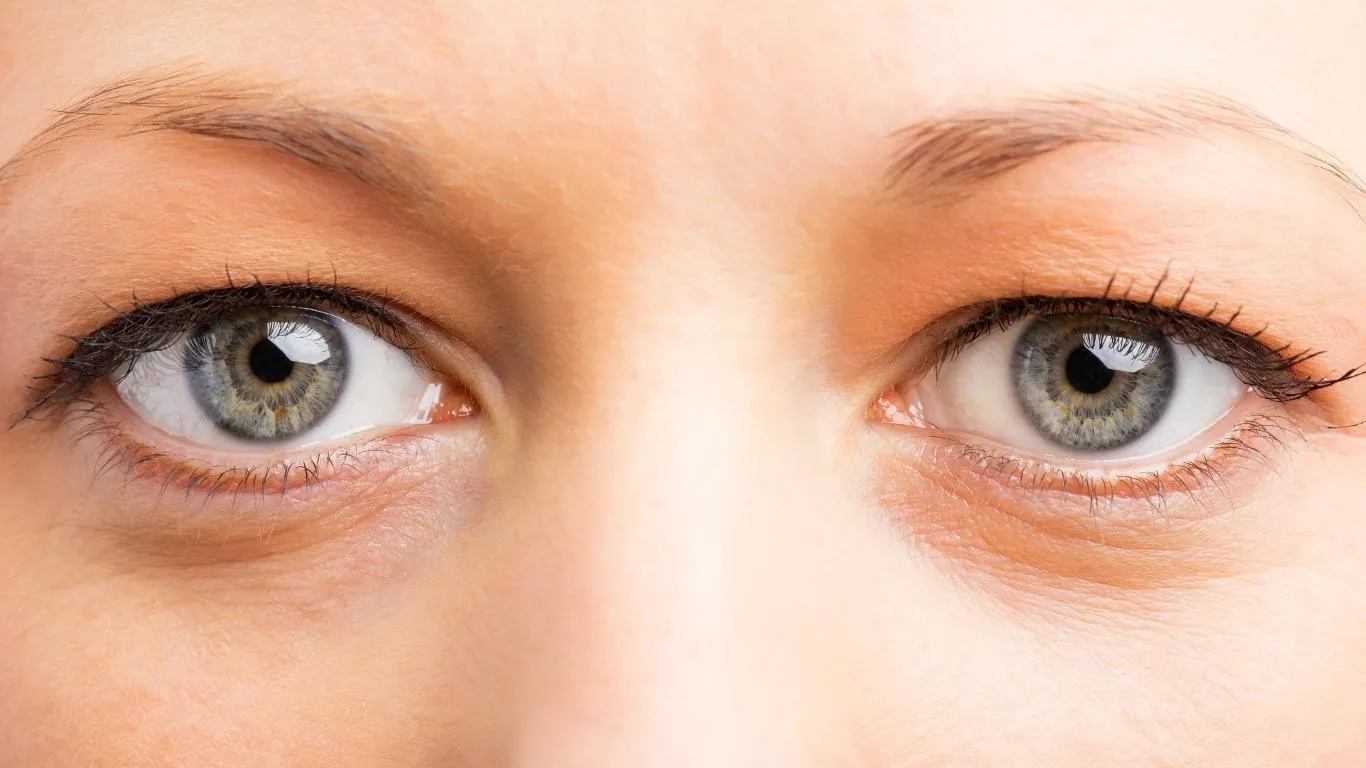
I’ve tried dozens of tips and tools over the years — some gimmicky, others actually helpful. Here’s what made a difference when dealing with floaters in bright light settings:
- Anti-reflective glasses: Not just sunglasses. Everyday clear glasses with AR coating reduce light scatter and ease floater visibility indoors.
- Custom-tinted lenses: Some optometrists offer FL-41 or similar tints that subtly reduce brightness without making everything look dark.
- Ambient lighting adjustments: Swap harsh LEDs for softer, indirect warm lighting. Huge impact.
- Floaters app tracking: I use one to note changes in size and frequency. Patterns under light exposure became obvious.
It’s not about “curing” floaters — it’s about creating an environment where they don’t dominate your visual field every time the light hits you wrong. And yes, they do become easier to ignore with the right adjustments.
Can Floaters Go Away or Improve with Time?
This is probably the most common question I get when someone finds out I’ve dealt with floaters for years: Do they ever go away? Short answer: they usually fade, settle, or become less noticeable — not vanish entirely.
Your brain can gradually adapt to them, and they often move out of your central field of vision. This is especially true if they’re caused by benign changes in the vitreous. However, if your floaters are the result of inflammation, trauma, or retinal issues, their course can be unpredictable. Learn how age-related changes contribute to floater persistence.
Natural and Medical Options for Persistent Bright-Light Floaters
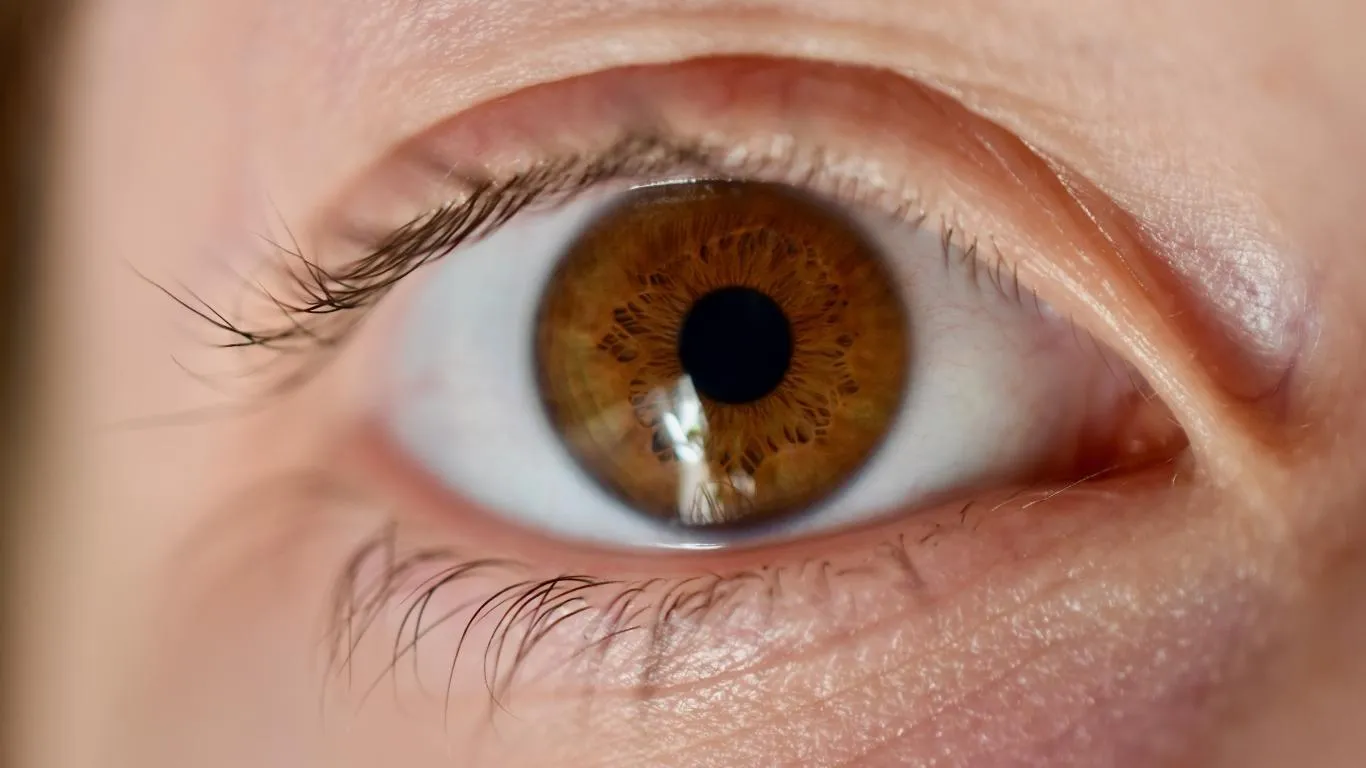
If you’ve reached the point where bright light makes your floaters unbearable, there are a few real-world options worth discussing with your doctor:
- Vitrectomy: A surgical option that removes the vitreous and its floaters. Highly effective but not risk-free.
- Laser vitreolysis: Uses laser energy to break floaters into smaller, less noticeable pieces. Limited to certain types.
- Anti-inflammatory or nutritional therapies: There’s increasing attention on managing floaters from a systemic health angle — especially with autoimmune links like autoimmune-related floaters.
There’s even talk around supplements like taurine, vitamin C, and lutein helping reduce floater visibility by improving overall vitreous clarity, though clinical evidence is still developing. That said, I’ve had some success with targeted eye health formulations.
For a deeper dive into treatments and what’s proven to help (or not), explore this expert resource: Eye Floater Treatment Guide.
Bright Light Floaters and Long-Term Vision Health

One of the more surprising revelations I had over the years was just how much floaters can signal underlying eye conditions — especially when worsened by light. Conditions like smoking-related damage or glaucoma meds changing the internal environment of the eye can trigger more vivid floater visibility. That’s why keeping an eye on your overall vision health matters more than you might think.
If you haven’t already, this is a great time to read the foundational overview on eye floaters — causes, symptoms, and treatment options and bookmark the dedicated deep-dive on floaters vs other eye issues.

Camellia Wulansari is a dedicated Medical Assistant at a local clinic and a passionate health writer at Healthusias.com. With years of hands-on experience in patient care and a deep interest in preventive medicine, she bridges the gap between clinical knowledge and accessible health information. Camellia specializes in writing about digestive health, chronic conditions like GERD and hypertension, respiratory issues, and autoimmune diseases, aiming to empower readers with practical, easy-to-understand insights. When she’s not assisting patients or writing, you’ll find her enjoying quiet mornings with coffee and a medical journal in hand—or jamming to her favorite metal band, Lamb of God.