
Can LASIK Trigger New Eye Floaters?
About six months after I had LASIK, I started noticing little specs drifting across my vision—like tiny cobwebs or spots that danced when I tried to look directly at them. At first, I dismissed it as dryness or fatigue. But they didn’t go away. It turns out, those annoying little shapes were eye floaters. And as I learned more, I realized that I wasn’t the only post-LASIK patient noticing these shadowy surprises.
What Are Eye Floaters, and Why Do They Appear?
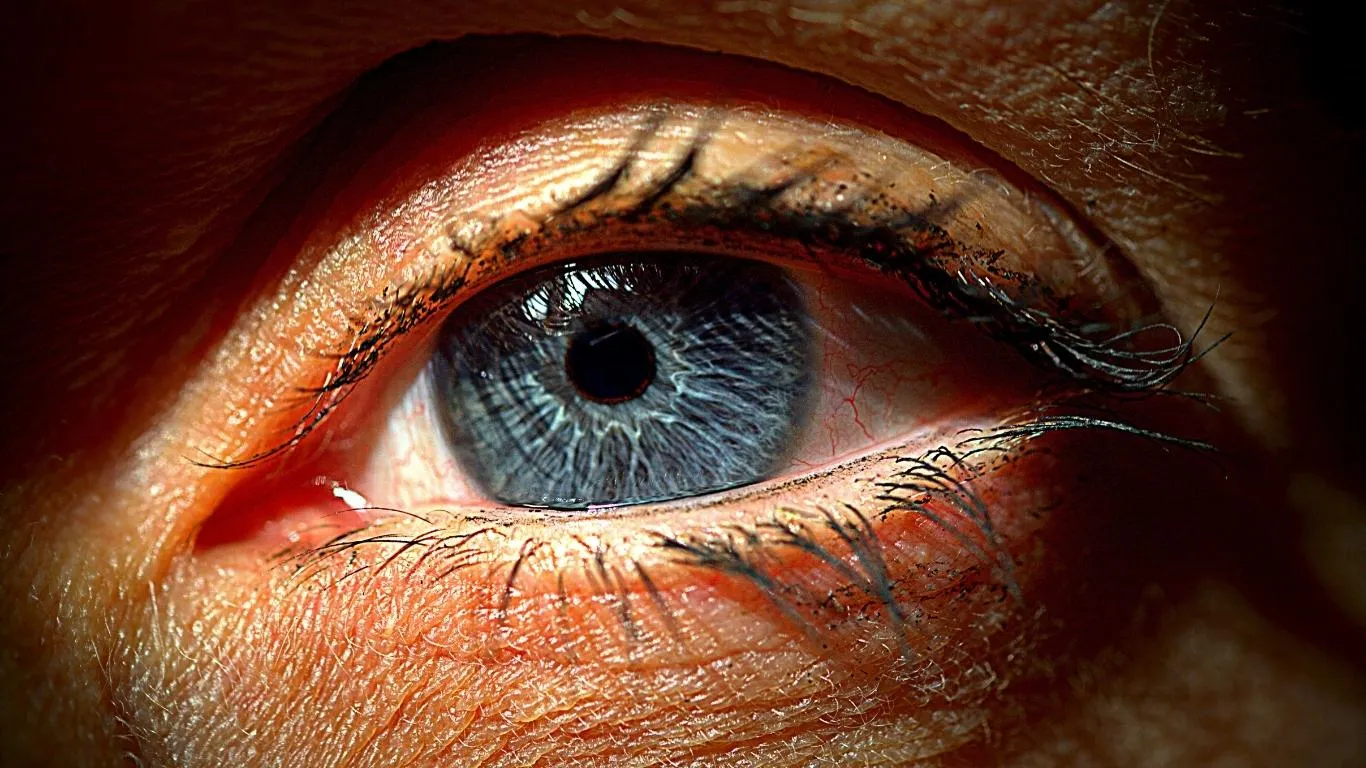
Eye floaters are tiny clumps of collagen or cells that drift through the vitreous—the gel-like substance filling the eye. When light hits these floaters, they cast shadows on the retina, which is what you’re actually seeing. Floaters can look like dots, lines, squiggly shapes, or even little spiders depending on their size and location.
While floaters are a normal part of the aging process, they can sometimes show up after certain events—like eye trauma, inflammation, or surgery. That’s where the LASIK connection starts to become a bit more interesting.
Can LASIK Actually Cause New Floaters?
LASIK is a wildly popular refractive surgery that reshapes the cornea using a laser to correct vision. But here’s the twist: LASIK doesn’t directly touch the vitreous gel. So how is it even possible that people start noticing floaters after LASIK?
The current theory, supported by ophthalmology research and anecdotal patterns, is that while LASIK doesn’t affect the vitreous directly, it can still trigger floaters in other ways:
- Vibrations and Pressure Changes: The suction ring used during the LASIK procedure temporarily raises intraocular pressure significantly, sometimes as high as 60 mmHg. That brief but intense pressure change can potentially disturb the vitreous body.
- Vitreous Detachment: In some people, especially those over 40 or with high myopia, LASIK may accelerate posterior vitreous detachment (PVD), where the gel pulls away from the retina and releases floaters into your visual field.
- Preexisting Floaters Becoming Noticeable: It’s possible you already had floaters, but with improved post-LASIK vision, you may start noticing them more clearly—something I can personally vouch for.
In my case, the floaters didn’t show up immediately after LASIK—it was more like a slow surprise party a few weeks later. There wasn’t pain or major vision loss, but the floaters were annoying enough to send me back to my ophthalmologist for answers.
Are Certain People More at Risk?
Not everyone who has LASIK ends up with floaters, but some groups appear more prone than others. Here are a few risk factors that may increase your chances of developing floaters after LASIK:
- High Myopia (Nearsightedness): People with longer eyeballs tend to have more liquefied vitreous, making them more susceptible to PVD after LASIK.
- Age Over 40: Vitreous naturally degenerates over time, and this process may already be underway by the time LASIK is performed.
- Previous Eye Conditions: If you’ve had retinal issues, inflammation, or past surgeries, your eye might be more fragile and reactive to LASIK-induced changes.
There’s also some buzz in ophthalmic forums and reports, like those highlighted by PubMed Central, that support the correlation—though not causation—between refractive procedures and floater development. The data isn’t conclusive, but it’s certainly not negligible either.
When Should You Be Concerned?
If your floaters suddenly increase in number, are accompanied by flashes of light, or you experience partial vision loss (like a curtain coming down across your vision), those are red flags. These symptoms can indicate a retinal tear or detachment—serious complications that require immediate treatment.
Don’t panic, but don’t ignore it either. My eye doctor performed a thorough dilated retinal exam, reassured me that my retina was intact, and told me the floaters were harmless—just annoying. And honestly, he was right. Most of the time, your brain just learns to tune them out.
So, Should LASIK Patients Worry About Floaters?
It depends. If you’re young, healthy, and have no preexisting risk factors, LASIK is still one of the safest elective surgeries out there. But if you’re over 40, highly myopic, or have other ocular vulnerabilities, you might want to have an honest discussion with your ophthalmologist beforehand.
Ask your doctor to assess your vitreous condition and retina health before surgery. And if you’ve already had LASIK and are dealing with floaters now, you’re not alone—and most of the time, they fade into the background of your vision within a few months.
For a more in-depth look at floaters beyond LASIK, you may want to explore this guide on what causes eye floaters and how to manage them.
How Long Do LASIK-Induced Floaters Last?

One of the first questions I asked after noticing floaters was, “Do these ever go away?” The truth is, eye floaters don’t usually disappear entirely—but they often become less noticeable over time. For many people, including me, the brain adapts and starts filtering them out. Within a few months, I could barely notice the faint little specks unless I looked up at a bright sky or a blank screen.
If your floaters seem stable, and you’re not having flashes or vision loss, most ophthalmologists will simply recommend watchful waiting. That means regular checkups, but no immediate action. And honestly, that’s often all that’s needed.
Natural Remedies People Try for Floaters

The internet is full of natural “fixes” for floaters. While most lack solid scientific proof, some people report mild improvements using lifestyle changes or supplements. Personally, I tried some of these and noticed a slight reduction in visual disruption—whether it was placebo or real improvement, I’ll never know. Here’s what people commonly try:
- Hydration: Keeping the eyes and body hydrated may help maintain vitreous consistency.
- Antioxidants: Supplements with vitamins C, E, zinc, and lutein are thought to support eye health, although evidence on floater reduction is anecdotal.
- Diet Rich in Omega-3s: Fatty acids found in fish oil or flaxseed may reduce inflammation and support eye tissue repair.
- Regular Eye Rest: Avoiding screen overuse and practicing the 20-20-20 rule can reduce strain, especially after LASIK recovery.
Still, if you’re looking for a fully natural approach, I recommend checking out this article on natural ways to manage eye floaters—it goes into much more detail on what’s hype and what has promise.
Medical Treatments for Persistent Floaters
If your floaters are significantly impacting your quality of life, you do have options—but they come with risks. No treatment is without potential complications, so make sure you fully understand the pros and cons.
1. Laser Vitreolysis
This procedure uses a laser to break up large floaters so they can disperse and become less noticeable. It’s usually performed in-office and has a quick recovery. However, it’s not suitable for all types of floaters or eye shapes. Also, finding a skilled specialist who regularly performs this is essential.
2. Vitrectomy
This is a more invasive surgery where the vitreous gel—and all floaters—is removed and replaced with a saline solution. While very effective at eliminating floaters, the risks include retinal detachment, cataracts, and infection. It’s typically reserved for extreme cases where floaters severely impair vision or daily life.
3. Newer Therapies Under Investigation
Ophthalmology research is actively exploring non-invasive floater treatments like enzymatic vitreolysis, but they’re not yet widely available or FDA-approved. Until then, laser and vitrectomy remain the main clinical options.
Can You Prevent Floaters After LASIK?
Here’s the reality: you can’t guarantee you won’t develop floaters post-LASIK—but you can lower your risk. Based on expert recommendations and my personal recovery journey, here are some preventive tips:
- Schedule a full retinal exam before LASIK. Your ophthalmologist can detect weak retinal spots or early signs of PVD that might put you at risk.
- Choose a high-volume, experienced LASIK surgeon. Proper technique can reduce pressure spikes and reduce post-op complications.
- Follow post-op instructions strictly. Avoid rubbing your eyes, limit screen time, and attend every follow-up appointment.
- Protect your eyes from trauma. Even minor bumps after surgery can increase the risk of floaters or retinal issues.
In short, while floaters after LASIK can be frustrating, they’re usually harmless. And for most people—including me—they become a background quirk of vision that’s easy to forget about after a while.
Of course, if you’re dealing with floaters that are worsening or interfering with your vision, always consult a qualified eye specialist. Understanding the cause, type, and severity of your floaters is key to choosing the right path forward.

Camellia Wulansari is a dedicated Medical Assistant at a local clinic and a passionate health writer at Healthusias.com. With years of hands-on experience in patient care and a deep interest in preventive medicine, she bridges the gap between clinical knowledge and accessible health information. Camellia specializes in writing about digestive health, chronic conditions like GERD and hypertension, respiratory issues, and autoimmune diseases, aiming to empower readers with practical, easy-to-understand insights. When she’s not assisting patients or writing, you’ll find her enjoying quiet mornings with coffee and a medical journal in hand—or jamming to her favorite metal band, Lamb of God.