Can Steroid Eye Drops Cause Eye Floaters? What You Should Know
It started with a mild irritation in my right eye—something that felt like dryness or maybe an allergic flare-up. After a quick trip to the eye doctor, I was prescribed steroid eye drops. The redness improved, sure, but a week later, I began noticing tiny shadows drifting across my vision—like cobwebs that wouldn’t go away. If you’re wondering whether steroid eye drops can cause eye floaters, you’re definitely not alone.
Understanding Steroid Eye Drops and Their Uses
Steroid eye drops are commonly used to treat inflammation from a variety of eye conditions—everything from uveitis and allergic conjunctivitis to post-surgical recovery. They work by reducing immune response and minimizing swelling in sensitive eye tissues. While these medications are incredibly effective in calming inflammation, they are not without risks—especially when used over extended periods.
Why Eye Floaters Appear After Steroid Use
Eye floaters are those drifting shapes—dots, threads, or cobweb-like strands—that move across your vision, especially noticeable when looking at a plain background like a blue sky or a white wall. According to the Mayo Clinic, floaters are usually caused by changes in the vitreous—the gel-like substance inside your eye—as it starts to shrink or liquefy.
Here’s where things get tricky. Some research and anecdotal reports suggest that prolonged or high-dose steroid use may contribute to changes in the vitreous body. While steroid drops primarily act on the surface and anterior part of the eye, absorption through ocular tissues can allow them to circulate deeper, possibly affecting the retina and vitreous structure in certain individuals.
Risk Factors That Make Floaters More Likely
It’s not just the drops themselves. Steroids may increase your risk of floaters, especially if you:
- Have a history of high myopia (nearsightedness)
- Are over 50—age naturally increases the chance of vitreous degeneration
- Have had eye surgery (like cataract removal)
- Use steroid drops frequently or for long periods without tapering
In my case, I had mild myopia and was using steroid drops for almost three weeks due to an ongoing flare-up. I didn’t think twice about it—until those shadows started showing up.
Can Steroids Trigger Posterior Vitreous Detachment (PVD)?
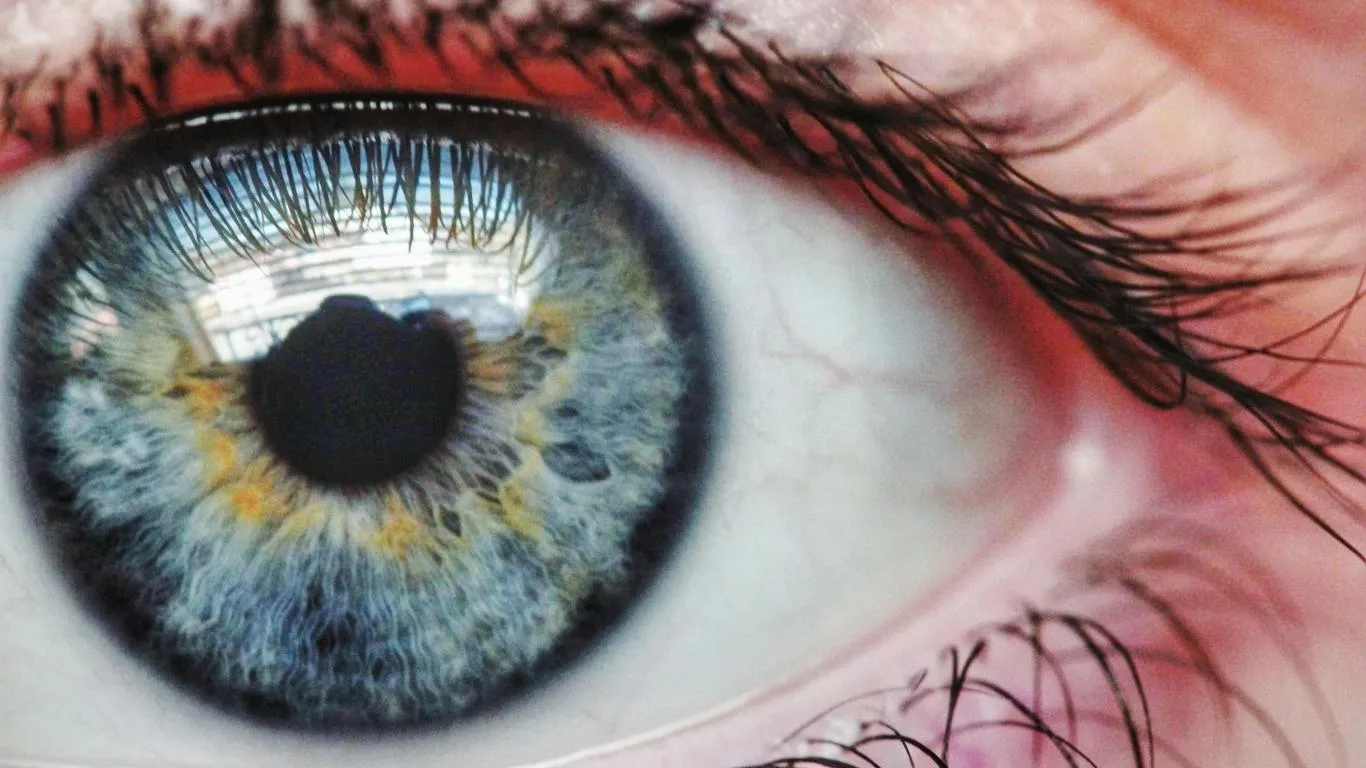
Posterior vitreous detachment (PVD) is one of the most common causes of eye floaters. It happens when the gel inside the eye pulls away from the retina. Although it’s a natural part of aging, some believe certain medications—including steroids—might accelerate this process.
There’s still ongoing debate among ophthalmologists. No large-scale studies have directly proven that steroid drops cause floaters or PVD, but case reports and patient feedback hint at a possible link. Especially in cases where floaters began shortly after initiating steroid therapy, it’s hard to ignore the correlation.
One observational study published in the journal *Ophthalmology* highlighted an increased incidence of floaters in patients using corticosteroids for over a month post-retinal surgeries. While not conclusive, it raises important questions about the safety profile of these drugs for long-term use.
What Patients Need to Watch Out For
If you’ve recently started steroid eye drops and are noticing new floaters, it’s essential to track a few things:
- Timing: When did the floaters appear relative to starting the drops?
- Vision Changes: Are you seeing flashing lights, shadows, or a curtain effect?
- Drop Potency: Are you on high-dose steroids or using them frequently?
Any sudden change in vision should be evaluated by an ophthalmologist immediately. While floaters can be harmless, they can also indicate retinal tears or detachment—which can be vision-threatening if left untreated.
Other Possible Causes to Consider
Of course, not all floaters are caused by steroids. There are other common culprits, including:
- Natural age-related vitreous changes
- Eye trauma or injury
- Diabetic retinopathy
- Ocular inflammation (which may be the original reason for your steroid prescription!)
It’s a bit of a paradox—sometimes the same inflammation that steroids are treating could be the root cause of the floaters. That’s why an individualized diagnosis is so important. Jumping to conclusions based on symptoms alone can lead to incorrect assumptions.
To explore more about how eye floaters differ from other vision disturbances, you might want to check out this guide on telling the difference between floaters and other eye problems.
My Experience: When Floaters Don’t Go Away

I wish I could say the floaters vanished after I stopped the steroid drops, but for me, they lingered. They aren’t painful, but they’re definitely annoying—especially in bright environments. After a thorough retinal exam ruled out any tears or detachments, my ophthalmologist assured me it was safe to monitor them.
If you’re in the same boat, try not to panic. Many floaters fade over time or become less noticeable as your brain adjusts. Still, staying informed is key—especially when medications like steroids are involved.
For a deeper dive into all possible causes of floaters—from aging to injury—feel free to explore our main resource on the topic: What Are Eye Floaters? Causes, Symptoms, and Treatment Options.
How Long Do Steroid-Related Floaters Last?
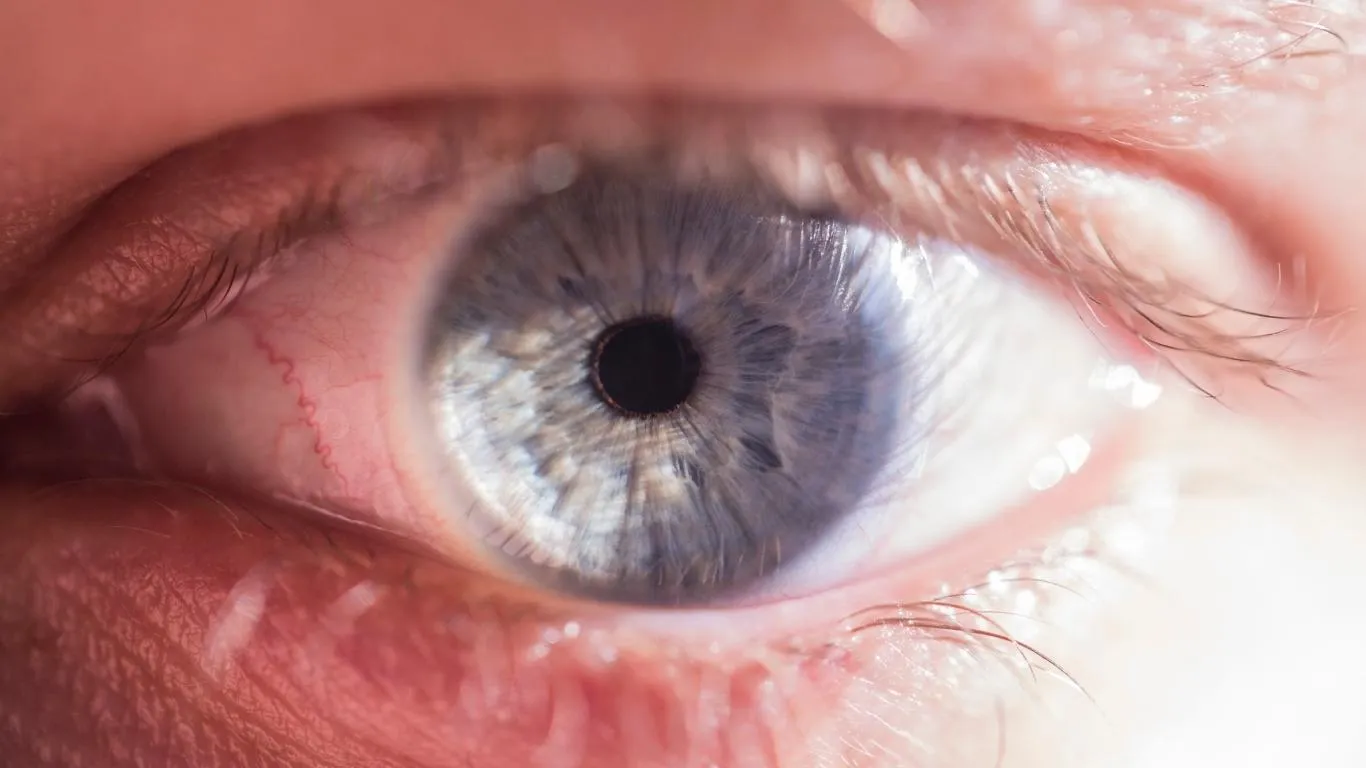
Not all floaters stick around forever. Some appear suddenly and fade into the background after a few weeks. Others linger for months—or even become a permanent part of your vision. If steroid use did contribute to your floaters, how long they last often depends on a few key factors:
- Length of steroid use: Short-term users may see floaters resolve more quickly.
- Vitreous health: A more liquefied or aged vitreous gel tends to produce more persistent floaters.
- Retinal health: Retinal stress or detachment can worsen symptoms or prolong them.
In my case, some floaters faded, but a couple of pesky ones stuck around. My eye doctor explained that while your brain learns to ignore them over time, some floaters—especially the large, dense ones—may never disappear entirely. It’s annoying, but not usually dangerous.
When Floaters Signal a Bigger Problem
We can’t talk about floaters without addressing the red flags. New floaters following steroid use can sometimes mean something more serious, like a retinal tear or posterior uveitis flare-up. It’s not just about the floaters—it’s what comes with them.
Seek emergency care if you experience:
- Sudden increase in number of floaters
- Flashes of light, especially in your peripheral vision
- A dark shadow or curtain moving across your vision
- Pain, redness, or sudden vision loss
These symptoms may indicate retinal detachment or serious inflammation that requires urgent treatment. According to the American Academy of Ophthalmology, ignoring these signs can lead to permanent vision loss if left untreated.
Can Floaters Be Treated or Removed?
Let’s be real—floaters are frustrating. The good news? There are treatments, but they’re not for everyone. Steroid-induced or not, treatment depends on how much floaters interfere with your quality of life.
Non-Surgical Options
- Adaptation: In many cases, patients adjust to floaters over time. Your brain filters them out.
- Monitor and wait: Doctors often recommend observation for a few months before considering treatment.
- Eye movement exercises: Moving your eyes up/down or side to side may help shift floaters out of your direct line of sight.
Medical and Surgical Options
- YAG Laser Vitreolysis: This outpatient laser procedure breaks floaters into smaller fragments. It’s safe for some, but not ideal for dense or multiple floaters.
- Vitrectomy: This surgery removes the vitreous gel completely and replaces it with a saline solution. Highly effective—but it comes with risks like retinal detachment, cataracts, and infection.
I personally passed on treatment for now. The floaters were annoying, sure, but I wasn’t ready to take surgical risks. If they get worse? I’ll reconsider.
Preventing Eye Floaters from Worsening
While some causes of floaters are out of your control, there are ways to minimize risks—especially if you’re using steroid eye drops:
- Use the lowest effective dose: Don’t stay on steroids longer than needed.
- Follow tapering schedules: Abrupt withdrawal can spike inflammation and worsen eye stress.
- Have regular eye exams: Especially if you have high myopia, diabetes, or a history of inflammation.
- Report new symptoms quickly: Even if they seem minor. Early intervention prevents major issues.
It’s also helpful to explore complementary ways to support your eye health, like omega-3 supplements and antioxidant-rich foods. While no food can eliminate floaters, overall eye wellness matters more than we often think.
What Doctors May Not Always Tell You
Steroid eye drops are powerful tools—but like any medication, they come with trade-offs. Many ophthalmologists focus on treating inflammation (as they should), but don’t always mention side effects like floaters unless you ask.
Here are a few things I wish I’d known earlier:
- Floaters may be temporary—or they may stick around.
- Steroid-related floaters are rarely dangerous but still need monitoring.
- Eye pressure and retinal exams are a must if you’re on steroids long-term.
Having an open conversation with your eye doctor about what to expect can help you feel more in control. If you’ve already started seeing floaters, don’t panic—but do get checked. It’s always better to be safe than sorry when it comes to vision.
Dealing with Anxiety Around Eye Floaters

Honestly, one of the hardest parts for me wasn’t the floaters—it was the stress they caused. I found myself constantly blinking, checking, squinting at lights, and Googling every symptom. And guess what? That only made things worse.
If you’re feeling the same way, here’s what helped:
- Limit screen time: Bright screens made floaters more obvious.
- Wear sunglasses: Tinted lenses helped reduce visibility in bright settings.
- Practice mindfulness: Accepting them helped more than fighting them.
You’re not imagining it. Floaters really can mess with your mental peace. But over time, they tend to become less noticeable. And you’re definitely not the only one going through this.
For more in-depth insights on floaters, when they become dangerous, and how they differ from other eye problems, this article on warning signs of serious floaters is worth reading.

Camellia Wulansari is a dedicated Medical Assistant at a local clinic and a passionate health writer at Healthusias.com. With years of hands-on experience in patient care and a deep interest in preventive medicine, she bridges the gap between clinical knowledge and accessible health information. Camellia specializes in writing about digestive health, chronic conditions like GERD and hypertension, respiratory issues, and autoimmune diseases, aiming to empower readers with practical, easy-to-understand insights. When she’s not assisting patients or writing, you’ll find her enjoying quiet mornings with coffee and a medical journal in hand—or jamming to her favorite metal band, Lamb of God.