Common Causes of Eye Floaters: From Aging to Eye Injuries
Not long ago, I was staring at a white wall, trying to enjoy a peaceful moment, when a strange little thread-like shape floated across my vision. I blinked, rubbed my eyes, even moved around a little—but there it was, dancing like a tiny jellyfish in my line of sight. Turns out, I wasn’t losing my mind—I had just encountered my first eye floater. If that sounds familiar, you’re definitely not alone. Millions of people experience eye floaters, especially as they get older. But what actually causes them?
What Are Eye Floaters, Exactly?
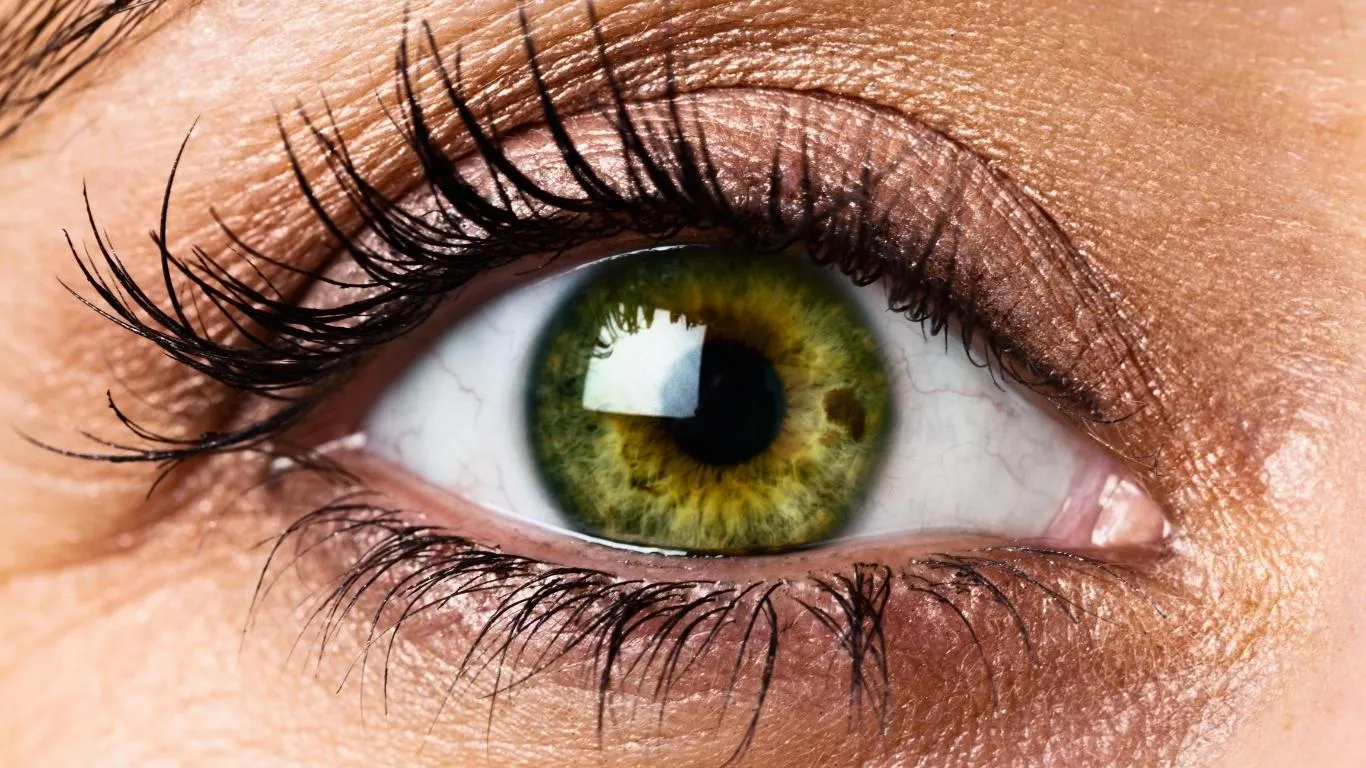
Eye floaters are those annoying little specks, cobwebs, or squiggly lines that drift through your field of vision—usually more visible when you’re looking at a plain, bright background like the sky or a blank screen. They’re technically shadows cast on your retina by tiny bits of collagen or other material floating inside the vitreous humor—the gel-like substance that fills the inside of your eye.
Most of the time, floaters are harmless and just part of the natural aging process. But sometimes, they can signal something more serious. Understanding their causes is the first step in figuring out whether they’re a benign nuisance or a red flag.
Aging and the Natural Breakdown of Vitreous Gel
The most common reason for eye floaters? Getting older. As we age, the gel-like vitreous inside our eyes slowly starts to liquefy and shrink, pulling away from the retina. This process is called a posterior vitreous detachment (PVD), and it’s incredibly common after age 50.
- Floaters due to aging typically increase gradually.
- They’re often more noticeable in bright light.
- PVD is usually harmless, but can sometimes tug too hard on the retina.
According to the Mayo Clinic, posterior vitreous detachment doesn’t typically require treatment unless it’s accompanied by flashes of light or a sudden increase in floaters—which could indicate a retinal tear or detachment.
Eye Injuries and Trauma
I once bumped my forehead pretty hard on a cabinet door (don’t ask), and a few days later noticed an uptick in floaters. Turns out, trauma to the head or eyes can cause floaters to appear. Even minor injuries can disturb the vitreous gel and trigger floaters, especially if the force causes it to shift or detach suddenly.
Injury-Related Floaters: What to Watch For
- Sudden shower of floaters after impact
- Accompanying vision changes like flashes or darkness
- Pain or pressure in the eye
If you ever experience these symptoms after an accident—even something as simple as a fall—don’t brush it off. Floaters in this case might be a symptom of internal bleeding or retinal damage. A quick check by an eye care professional can help you avoid long-term vision loss.
Inflammation Inside the Eye (Uveitis)
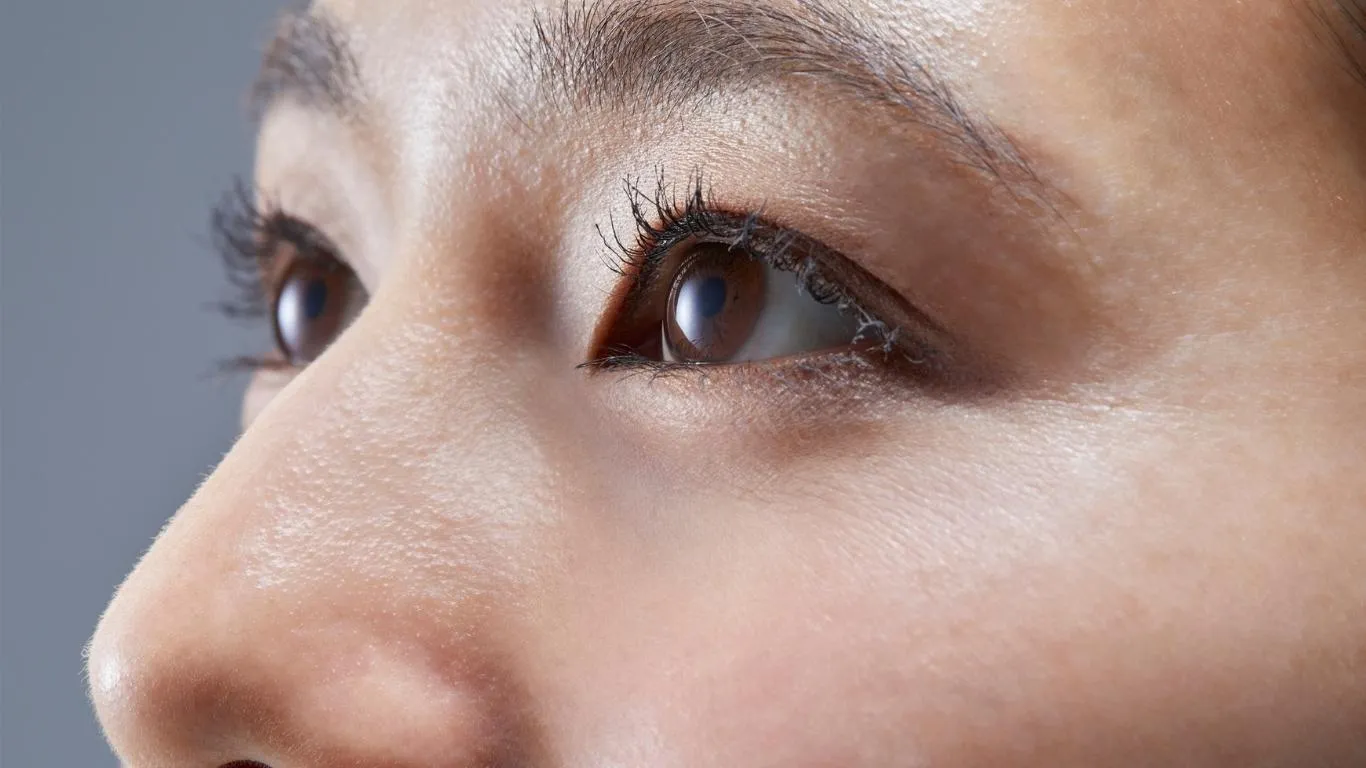
Another lesser-known but serious cause of floaters is uveitis, or inflammation inside the eye. Specifically, posterior uveitis affects the back part of the eye and can release inflammatory debris into the vitreous, resulting in persistent or severe floaters.
Uveitis can be caused by:
- Autoimmune disorders like lupus or rheumatoid arthritis
- Infections such as herpes simplex virus or toxoplasmosis
- Exposure to environmental toxins or certain medications
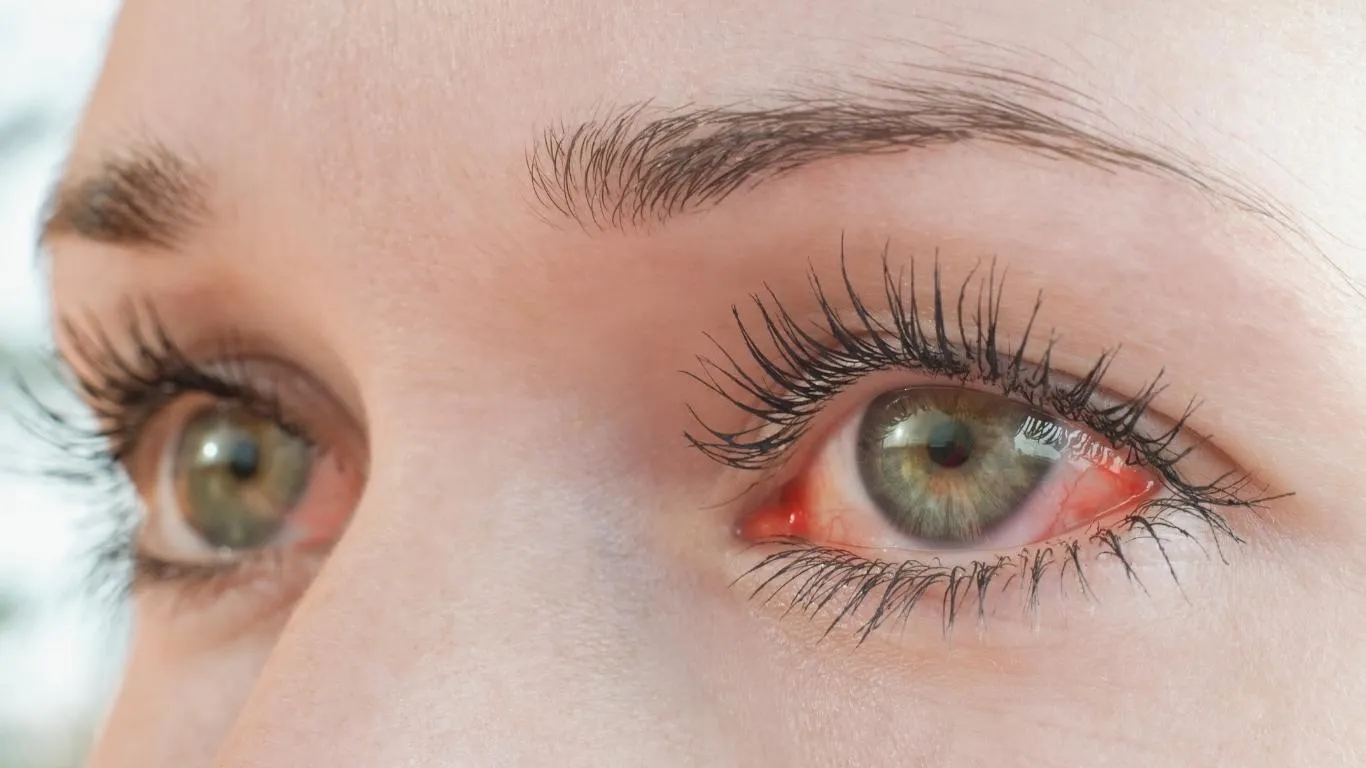
Floaters due to inflammation tend to appear suddenly and may be accompanied by blurred vision, redness, or even eye pain. If that’s the case, it’s not something to wait out—prompt medical attention is key to protecting your vision.
Retinal Tears and Detachment: When Floaters Are a Warning Sign
Here’s where floaters can go from harmless to urgent. In some cases, floaters are an early symptom of a retinal tear or detachment. When the vitreous pulls away too forcefully from the retina—or when it tugs on a weak spot—it can cause a tear. Left untreated, that tear might allow fluid to seep behind the retina, leading to a potentially blinding detachment.
Red Flags That Need Immediate Medical Attention
- Sudden, dramatic increase in floaters
- Flashes of light like camera flashes in peripheral vision
- Dark curtain or shadow falling across your field of vision
This isn’t the time to Google home remedies—go straight to an ophthalmologist. According to the American Academy of Ophthalmology, early treatment can often preserve vision if caught soon enough.
Eye floaters can range from completely benign to signals of serious eye disease. Knowing what causes them—and when to act—is a crucial part of protecting your long-term eye health. For a deeper look at how floaters develop and how they’re treated, visit our detailed guide: What Are Eye Floaters: Causes, Symptoms, and Treatment Options.
Eye Surgeries and Medical Procedures
Here’s something most people don’t consider—even medically necessary eye surgeries can lead to floaters. Procedures like cataract removal, LASIK, or vitrectomy (ironically sometimes done to remove floaters) may trigger changes in the vitreous humor that make floaters more noticeable.
After my father had cataract surgery, he mentioned seeing “smoke-like clouds” in one eye. Turns out, the surgery had slightly disturbed the vitreous gel, causing those wispy floaters to drift into view. Thankfully, they faded over time.
Surgical floaters usually:
- Appear within days or weeks post-op
- Are transient but may persist for weeks
- Should be reported if accompanied by flashing lights or dark shadows
Although these floaters are often harmless, don’t ignore new visual symptoms after a procedure. Follow-up care is critical to ensure no underlying complications develop.
Eye Infections and Hemorrhages
While rare, infections inside the eye—especially those involving the retina or vitreous—can lead to floaters. This is usually seen in more serious infections like endophthalmitis or toxoplasmosis. In these cases, floaters aren’t just an inconvenience—they’re a major red flag.
Hemorrhages and Internal Bleeding
Bleeding inside the eye (vitreous hemorrhage) can also cause sudden and significant floaters. Causes may include:
- Diabetic retinopathy (a major complication of diabetes)
- Retinal vein occlusion
- High blood pressure–related vessel damage
These floaters are often described as “ink in water” or “soot-like.” If floaters appear with a reddish hue or your vision becomes blurry or dim, don’t delay—these symptoms can rapidly progress to vision loss without urgent treatment.
According to Cleveland Clinic, a vitreous hemorrhage should be evaluated right away to determine the cause and prevent permanent retinal damage.
Eye Floaters Caused by Diabetic Retinopathy
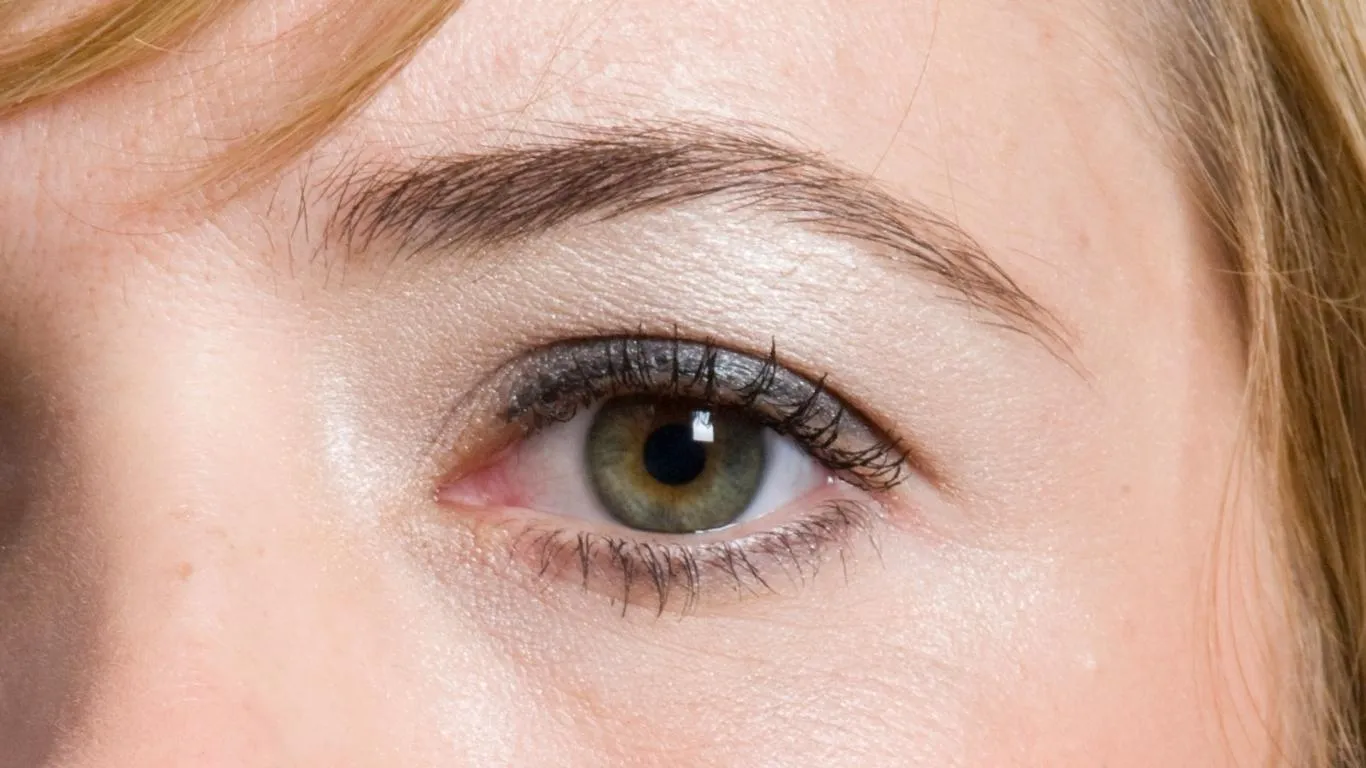
For those living with diabetes, eye floaters can be a signal that something’s wrong. In diabetic retinopathy, prolonged high blood sugar damages the tiny blood vessels in the retina. These vessels can leak or rupture, causing internal bleeding—and you guessed it—floaters.
What makes diabetic floaters particularly concerning is that they’re often a warning sign of progressive damage. You may not feel any pain, but the vision loss can sneak up fast.
Signs Floaters May Be Diabetes-Related
- Floaters appear in clusters or increase rapidly
- Accompanied by blurry or patchy vision
- History of poorly controlled blood sugar levels
Don’t wait for a scheduled check-up if you experience this. Diabetic retinopathy can be treated, especially in the early stages, with medications or laser therapy—but the sooner it’s caught, the better the chances of preserving sight.
Eye Floaters and Migraines: An Unexpected Link
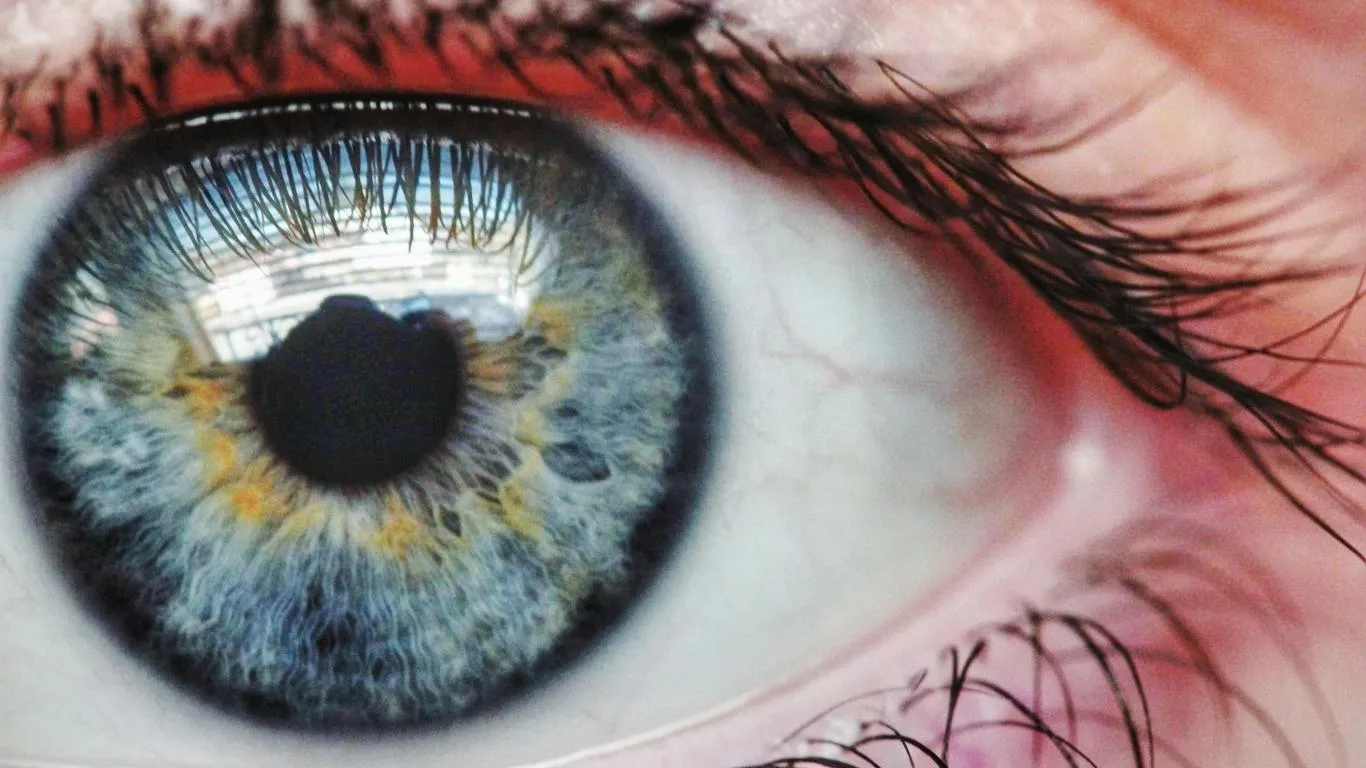
Now, here’s a twist I didn’t expect: there’s some overlap between migraines and floaters. Technically, what people often describe during a migraine—aura, zigzag lines, flashes—isn’t the same as floaters, but they can appear together.
What’s happening is that during a migraine (especially ocular or visual migraines), blood flow changes or electrical disturbances in the brain affect how you see. In some cases, they may even trigger floaters to become more noticeable, especially in someone already predisposed due to PVD or other conditions.
If your floaters coincide with migraine symptoms, it’s usually not an emergency, but still worth mentioning to your doctor. You’ll want to rule out any vascular eye issues or signs of ocular migraine complications.
When Eye Floaters Are Normal vs. When to Be Concerned

So, how do you know if your floaters are normal or something that needs a closer look? Here’s a quick rundown from both my own experience and what eye doctors typically say:
Totally Normal Floaters
- Appear slowly over months or years
- Don’t change much or grow in size
- Move gently with your eye movements
- Are not accompanied by flashes or vision loss
See a Doctor If You Notice:
- A sudden burst or swarm of floaters
- Flashes of light, especially on the side of your vision
- Blurred vision or “curtain” effect coming down over your vision
- Any floaters after trauma or surgery
While floaters are often harmless, they’re not something to ignore—especially if they change suddenly. The key is understanding your personal risk factors and being proactive with eye exams. Trust me, it’s better to get checked and find out it’s nothing than to wish you had caught something earlier.
Can Eye Floaters Be Treated or Removed?
When I first noticed my floaters, I admit—I panicked a little. They felt constant, like they’d follow me forever. So naturally, I started searching for treatment options. And here’s the truth: most floaters don’t need any medical intervention at all. They often fade with time or become less noticeable as your brain learns to ignore them.
But what if they don’t?
If floaters are interfering with your vision or mental focus, you do have a few options. Just know that each comes with its own pros, cons, and risks:
1. Vitrectomy
This is a surgical procedure that removes the vitreous gel and replaces it with a saline solution. It’s extremely effective at eliminating floaters, but also quite invasive. Potential risks include:
- Retinal detachment
- Cataracts (especially in those under 60)
- Infection
Due to these risks, most ophthalmologists reserve vitrectomy for severe cases where floaters seriously disrupt daily life.
2. Laser Vitreolysis
This non-invasive treatment uses a laser to break up or vaporize floaters. It’s an outpatient procedure and has fewer risks than surgery, but it’s not always effective, especially for smaller or more diffusely located floaters. Also, not all floaters can be treated with this method, and results can vary.
Still, some people have found real relief with laser vitreolysis. If you’re considering it, make sure your doctor has experience and proper equipment—it’s a highly technique-sensitive procedure.
Are There Natural or Lifestyle Remedies?
I know—most of us would rather avoid lasers and scalpels if we can. So naturally, I explored lifestyle tweaks and supplements that could potentially help. While there’s no miracle cure, there are a few strategies that may improve overall eye health and possibly reduce the impact of floaters.
Try These Approaches
- Hydration: Dehydration can affect eye pressure and vitreous consistency. Drink enough water daily.
- Antioxidant-rich diet: Foods high in vitamin C, vitamin E, zinc, and lutein support long-term retinal health.
- Eye exercises: While there’s little clinical proof, gentle eye movement patterns can help some people feel more in control.
- Avoid prolonged screen strain: Floaters tend to feel worse when you’re fatigued or staring at a screen for too long. Take breaks every 20 minutes.
I’ve personally added more leafy greens and omega-3s into my meals—not because I expect my floaters to vanish overnight, but because supporting my eye health overall just makes sense as I age.
When Should You See an Eye Specialist?
Here’s the golden rule I live by now: if anything about your floaters changes suddenly, don’t wait. I once dismissed a burst of new floaters as “just another bad eye day” — turns out I had a mild vitreous detachment. I was lucky. Others might not be.
Get Checked If:
- New floaters appear suddenly, especially in clusters
- You experience light flashes or a shadow in your peripheral vision
- Floaters come with blurred or diminished sight
- You’ve recently had eye surgery, trauma, or diabetes complications
It’s always better to be overly cautious when it comes to vision. An eye exam can rule out serious conditions like retinal tears or bleeding—and give you peace of mind.
How to Cope with Chronic Floaters
Let’s be real—floaters can be emotionally exhausting, especially if they stick around. One thing I’ve learned is that coping is just as important as treating. Here’s what helped me personally (and what eye specialists often suggest):
- Shift your focus: Try not to “look at” the floater—redirect your gaze and attention.
- Change your lighting: Soft, ambient lighting makes floaters less visible than harsh light or bright screens.
- Mindfulness and stress reduction: Anxiety tends to amplify awareness of floaters. Meditation, walks, or even gentle yoga can help reset your attention.
- Talk to others: Online forums or support groups can be comforting—you’re not alone in this.
Floaters Might Be Common, But They Shouldn’t Be Ignored
It’s easy to shrug off eye floaters as “just part of aging,” but knowing their causes, risks, and treatment options is empowering. Whether they’re the result of a natural vitreous change or a sign of something more serious, being informed is your first defense.
I’ve learned to live with my floaters, and in some ways, they’ve helped me become more attentive to my health. If you’re noticing new floaters or changes in your vision, don’t guess—get it checked. You only get one set of eyes, after all.
For a deeper dive into the science behind floaters, check out our comprehensive guide: What Are Eye Floaters: Causes, Symptoms, and Treatment Options.

Camellia Wulansari is a dedicated Medical Assistant at a local clinic and a passionate health writer at Healthusias.com. With years of hands-on experience in patient care and a deep interest in preventive medicine, she bridges the gap between clinical knowledge and accessible health information. Camellia specializes in writing about digestive health, chronic conditions like GERD and hypertension, respiratory issues, and autoimmune diseases, aiming to empower readers with practical, easy-to-understand insights. When she’s not assisting patients or writing, you’ll find her enjoying quiet mornings with coffee and a medical journal in hand—or jamming to her favorite metal band, Lamb of God.