Do Eye Floaters Naturally Increase With Age? Understanding the Link
Over the years, I’ve noticed little specs or cobweb-like floaters drifting through my vision—especially when I stare at a clear blue sky or a white wall. At first, I dismissed them. But as they started to appear more frequently, I did what most people do: I turned to the internet, asked my eye doctor, and tried to make sense of what was happening. Turns out, these are eye floaters—and yes, aging has a lot to do with them.
Why Do Eye Floaters Become More Common as We Age?
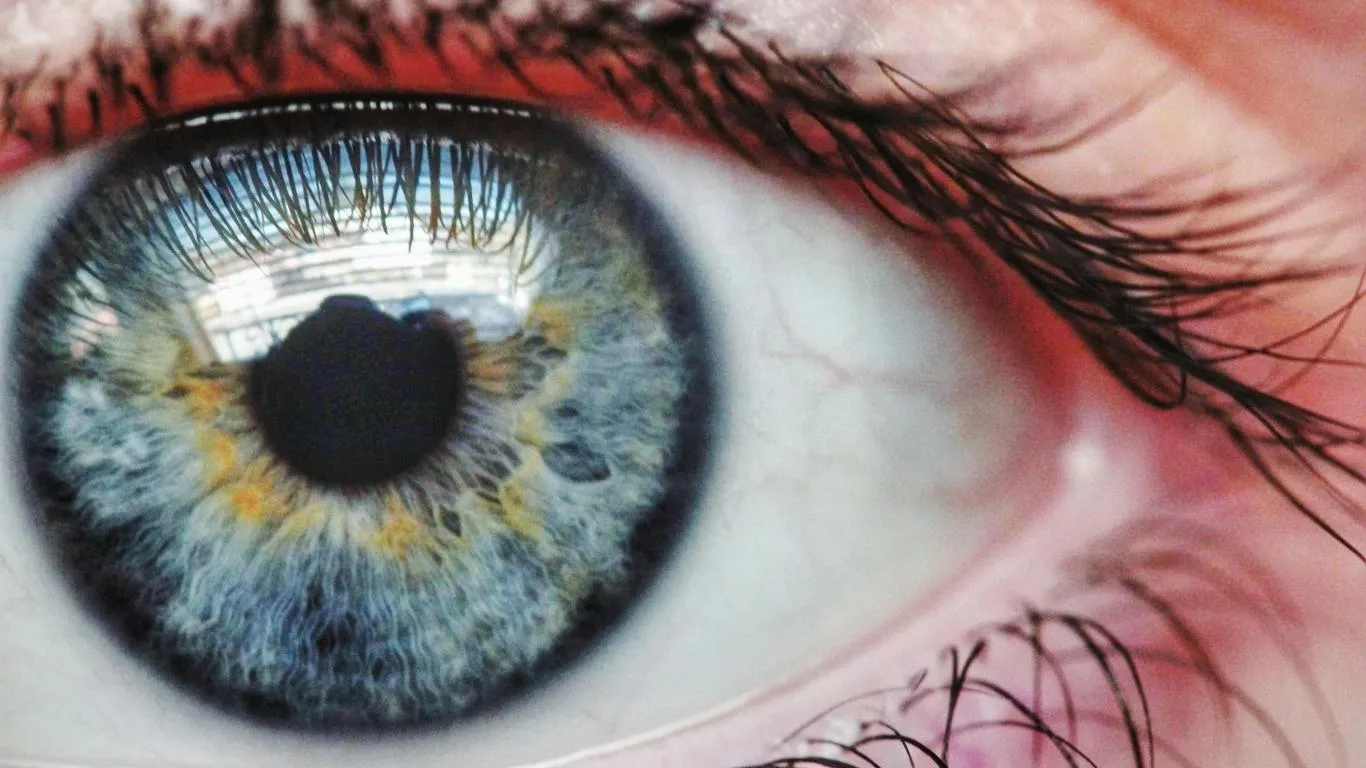
Eye floaters are a natural byproduct of changes in the vitreous humor—the gel-like substance that fills the back of our eyes. When we’re young, this gel is thick and uniform. But as we get older, it starts to liquefy and shrink. This change causes microscopic fibers inside the vitreous to clump together, casting tiny shadows on the retina that we perceive as floaters.
Aging is, by far, the most common reason people start noticing floaters. It’s so common that many ophthalmologists consider floaters a typical sign of getting older, much like gray hair or wrinkles. According to the Mayo Clinic, age-related vitreous changes usually begin around age 50 but can start earlier in some individuals.
How Aging Affects the Vitreous Humor
The vitreous doesn’t just suddenly shift overnight. It goes through a slow, progressive process called vitreous syneresis, where the gel structure starts to break down. This results in:
- Liquefaction: Parts of the gel become more watery, which affects the way light passes through the eye.
- Clumping: Collagen fibers begin to gather and float freely, appearing as squiggly lines or spots in your vision.
- Detachment: Eventually, the vitreous may detach from the retina, causing a sudden increase in floaters or even flashes of light.
This process is natural—but it doesn’t happen at the same rate for everyone. Genetics, lifestyle, and eye health all play roles in how quickly or severely floaters show up with age.
Who Is More Likely to Experience Age-Related Floaters?
Although floaters can happen at any age, certain groups are more susceptible. Based on both research and personal experience (my optometrist confirmed this too), you’re more likely to experience increased floaters if:
- You’re over 50 years old
- You are nearsighted (myopia tends to stretch the vitreous)
- You’ve had eye surgery, especially cataract surgery
- You’ve experienced eye trauma or inflammation
- You have diabetes or related vascular conditions
One thing my eye doctor emphasized was how myopia can lead to earlier onset floaters. I’ve been nearsighted since I was 12, so it made perfect sense that I’d notice them earlier than most of my peers.
Can We Prevent Floaters From Increasing With Age?
There’s no magic pill to stop floaters, but that doesn’t mean we’re completely powerless. While you can’t entirely prevent age-related changes to the vitreous, you can take steps to support eye health:
- Protect your eyes from UV light by wearing sunglasses outdoors
- Maintain a healthy diet rich in antioxidants like lutein, zeaxanthin, and vitamin C
- Stay hydrated—it helps maintain the consistency of the vitreous
- Manage chronic conditions such as diabetes or high blood pressure
- Schedule regular eye exams to catch early signs of eye disease or retinal detachment
For me, incorporating leafy greens, citrus fruits, and omega-3s into my diet has been one of the best proactive habits. It’s not just about floaters—it’s about overall eye longevity.
When Should You Be Concerned About Floaters?
While most floaters are harmless and simply annoying, there are times when they signal something more serious. I remember a friend once experienced a sudden shower of floaters and flashes—he ignored it for a day, thinking it was nothing. Turns out it was a retinal tear, and he needed immediate laser surgery.
See an eye doctor right away if you experience:
- A sudden increase in floaters
- Flashes of light in your peripheral vision
- A shadow or curtain effect across part of your visual field
- Any loss of vision
These symptoms can indicate a serious underlying issue, such as retinal detachment or bleeding inside the eye.
Understanding the Bigger Picture of Aging and Floaters
The connection between aging and floaters isn’t just anecdotal—it’s well-supported by clinical research and real-life experience. As we age, our eyes go through natural transformations that can lead to increased floaters. While often harmless, they can be unsettling—especially when they first start appearing. Knowing what’s normal and what’s not is key to protecting your vision.
If you’re just starting to notice floaters or have had them for a while, I highly recommend checking out the complete guide on what causes eye floaters, how to manage them, and when to seek help. It’s a solid resource for anyone who wants to stay ahead of vision changes as they age.
Can Eye Floaters Worsen Over Time?
In many cases, floaters stay relatively stable after their initial appearance. But from both personal and professional experiences I’ve gathered, it’s not uncommon for them to slowly increase over the years. The truth is—yes, floaters can worsen with age, but not always in an alarming way.
Here’s what typically happens: as the vitreous continues to shrink and pull away from the retina, new floaters may form. This is especially common in individuals over the age of 60. What I’ve personally noticed is that they tend to come and go—some days more noticeable than others, depending on lighting, contrast, or how tired your eyes are.
Common Factors That Accelerate Floater Progression
- Ocular trauma: Any past eye injuries can speed up the degeneration of the vitreous gel.
- High myopia: Nearsighted people often have longer eyeballs, putting more stress on the vitreous-retina connection.
- Eye surgeries: Floaters sometimes increase after procedures like cataract removal due to changes in the eye’s internal environment.
- Inflammation: Conditions like uveitis can cause inflammatory cells to enter the vitreous, mimicking or worsening floaters.
I learned the hard way that even minor eye strain or dehydration can make floaters appear more prominent. Keeping your eyes well-lubricated and rested truly helps minimize their visibility.
Are There Treatments for Age-Related Eye Floaters?
While most floaters are considered benign and don’t require treatment, there are options for those who find them significantly disruptive. It’s worth noting, though, that not all ophthalmologists recommend intervention—especially if the floaters aren’t interfering with vision function.
Common Management Strategies
- Observation: For most people, the brain naturally adapts and learns to ignore floaters over time.
- Vitrectomy: A surgical procedure that removes the vitreous gel entirely, replacing it with a saline solution. This is highly effective but comes with significant risks, such as retinal detachment and infection.
- Laser vitreolysis: This non-invasive laser treatment breaks up larger floaters to make them less noticeable. It’s relatively new and not always available everywhere.
I’ve considered laser treatment myself, but after a detailed talk with my ophthalmologist, I decided it wasn’t necessary—at least not yet. The risks didn’t outweigh the benefits in my case.
Can Lifestyle and Natural Approaches Make a Difference?
There’s a growing interest in natural remedies for floaters. While there’s limited scientific evidence to suggest you can “cure” floaters naturally, some people report modest improvements—or at least better tolerance—by adjusting their lifestyle and nutrition.
Helpful Daily Habits
- Eating antioxidant-rich foods: Think spinach, carrots, blueberries, and salmon. These support eye health over time.
- Staying hydrated: Keeps the vitreous more stable and reduces dryness-related visual disturbances.
- Eye exercises: While controversial, some people practice focusing exercises to train the brain to ignore floaters.
- Avoiding prolonged screen time: Reduces eye fatigue that can make floaters more noticeable.
Personally, adding a lutein supplement to my daily regimen seemed to help my overall vision clarity—not a miracle, but definitely a subtle improvement. It’s all about consistency and combining small, supportive habits.
To learn more about what’s fact versus fiction when it comes to holistic floater remedies, check out this practical guide on natural ways to manage floaters.
When Eye Floaters Are a Sign of Something More
As emphasized in Part 1, not all floaters are benign. If floaters appear suddenly, change rapidly, or come with flashing lights, you need to act fast. Aging increases your risk of retinal detachment, especially if you have other risk factors like high myopia or previous surgery.
Warning signs you should never ignore include:
- A sudden shower of floaters
- Flashing lights, especially in low light conditions
- Vision that looks like a curtain is being pulled over your eyes
- Partial or full loss of vision
According to the American Academy of Ophthalmology, these symptoms may indicate a torn or detached retina—a serious emergency that can lead to permanent vision loss without prompt treatment.
Supporting Aging Eyes Beyond Floaters
It’s important not to treat floaters in isolation. They’re part of a much bigger picture of how our eyes age. Presbyopia, dry eye, and even macular degeneration can show up in later years. Understanding these shifts empowers us to make smarter, preventive choices.
Simple habits that support aging eyes:
- Get an annual dilated eye exam
- Wear blue-light filtering lenses if you’re on screens often
- Don’t skip your sunglasses—UV damage builds up over time
- Be aware of medication side effects that affect eye health
I make it a point to visit my eye doctor yearly, even when nothing seems “off.” Just like a dental check-up, it’s a small step that can catch problems early—sometimes before symptoms even appear.

Camellia Wulansari is a dedicated Medical Assistant at a local clinic and a passionate health writer at Healthusias.com. With years of hands-on experience in patient care and a deep interest in preventive medicine, she bridges the gap between clinical knowledge and accessible health information. Camellia specializes in writing about digestive health, chronic conditions like GERD and hypertension, respiratory issues, and autoimmune diseases, aiming to empower readers with practical, easy-to-understand insights. When she’s not assisting patients or writing, you’ll find her enjoying quiet mornings with coffee and a medical journal in hand—or jamming to her favorite metal band, Lamb of God.