Do Poor Nutrition Habits Lead to Eye Floaters?
I remember the first time I noticed little shapes drifting across my vision—it was a bright morning, I had just stepped out for a walk, and there they were. Tiny, semi-transparent threads and blobs floating around every time I looked up at the sky. Back then, I shrugged it off as a fluke, but those “floaters” never quite went away. Turns out, I wasn’t alone. Eye floaters are incredibly common, but what surprised me most was how much your daily diet and overall nutrition habits can play into their presence—or persistence. If you’ve ever wondered whether what you’re eating might be affecting what you’re seeing, you’re not imagining things. Let’s dive into what science—and real experiences—say about the link between diet and floaters.
How Nutrition Connects to Your Vision Health
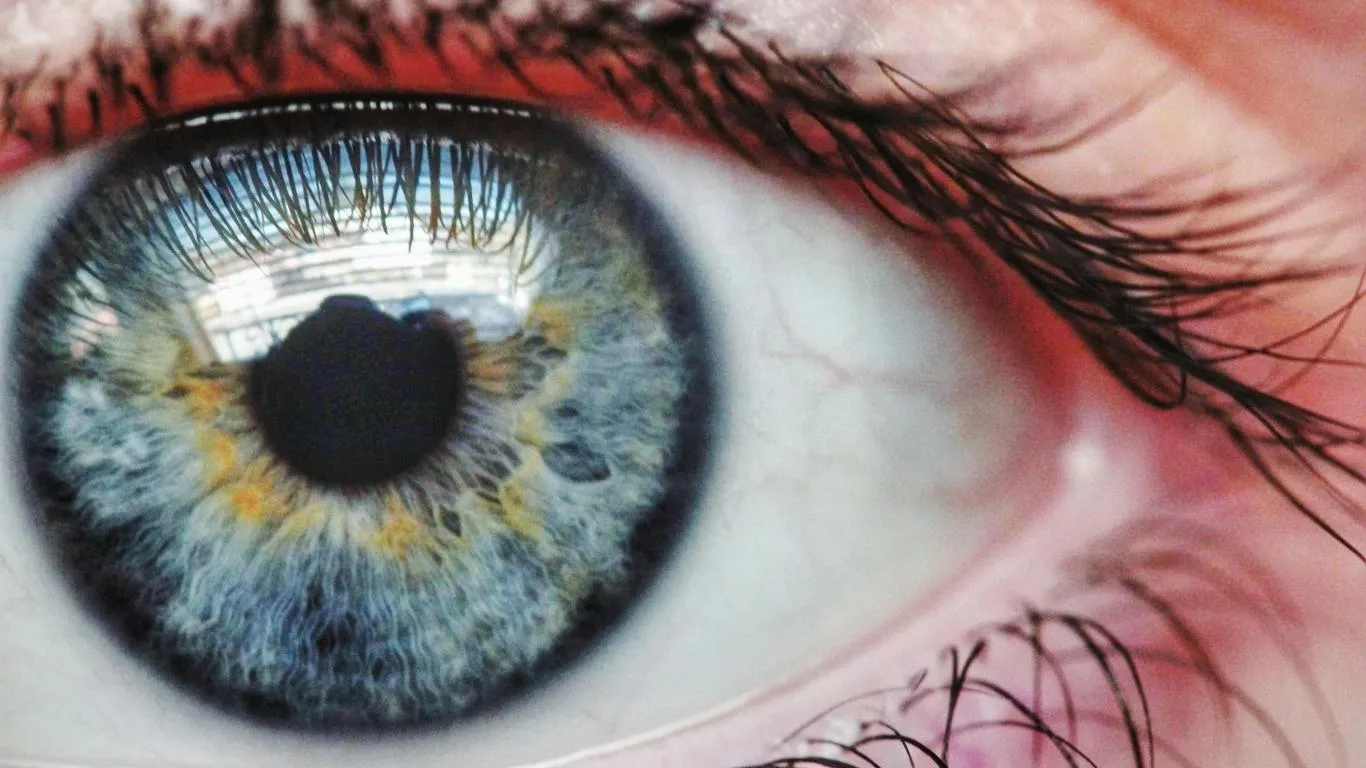
Your eyes are just as sensitive to nutritional imbalances as the rest of your body. But here’s the kicker—many of us unknowingly eat in ways that may increase our risk of developing or worsening floaters over time. Eye floaters originate in the vitreous, the gel-like substance in your eye, and factors like oxidative stress, inflammation, and dehydration can accelerate the deterioration of that gel. All three can be affected by what’s on your plate.
The Role of Antioxidants
A poor diet often lacks antioxidants—those mighty compounds found in fruits and vegetables that protect cells from oxidative stress. Without enough of them, your eye tissue, including the vitreous, becomes more vulnerable to breakdown. I noticed a real difference when I started including more leafy greens, citrus, and carrots into my meals regularly.
- Vitamin C: Supports collagen formation in the vitreous.
- Vitamin E: Shields eye cells from free radical damage.
- Lutein & Zeaxanthin: Found in kale, spinach, and corn—concentrated in the retina but beneficial for overall eye health.
One study published in Nutrients emphasized how diets rich in antioxidants help reduce ocular degeneration and maintain vitreous structure integrity.
How Deficiencies Might Trigger Floaters
Let’s talk about what happens when your diet falls short. Diets that are low in nutrients, high in sugar, and reliant on ultra-processed foods create systemic inflammation and deplete your eye of essential vitamins. If you’ve ever had weeks where you mostly lived off fast food (guilty), you might’ve noticed an uptick in visual disturbances.
Key Deficiencies to Watch
- Collagen degradation: Low vitamin C intake leads to reduced collagen production, a structural protein vital to your eye’s vitreous gel.
- Magnesium: A mineral often ignored, yet crucial in nerve function and reducing ocular stress. Magnesium deficiency has been linked with eye strain and visual floaters.
- Omega-3 Fatty Acids: These fatty acids—found in fish and flaxseed—help maintain cell membrane health and reduce inflammation in the eye tissue.
One article I found useful for understanding the root causes was Common Causes of Eye Floaters. It dives deeper into what really goes on inside the eye and how lifestyle choices, including nutrition, can be involved.
The Gut-Eye Axis: Yes, It’s a Thing
This one took me by surprise. Your gut health actually plays a significant role in your eye health—this is known as the gut-eye axis. When your gut is inflamed (thanks to poor diet, excessive alcohol, or food intolerances), the inflammation can cascade systemically, including into the eye. Some floaters may even be linked to autoimmune-like reactions that start in the gut and trigger inflammation in the eye’s delicate tissues.
If you’re curious about this connection, the National Institutes of Health published extensive research on how intestinal inflammation relates to chronic eye disorders. Eye floaters aren’t isolated—they could be a symptom of something deeper.
Hydration, Sugar, and Floaters
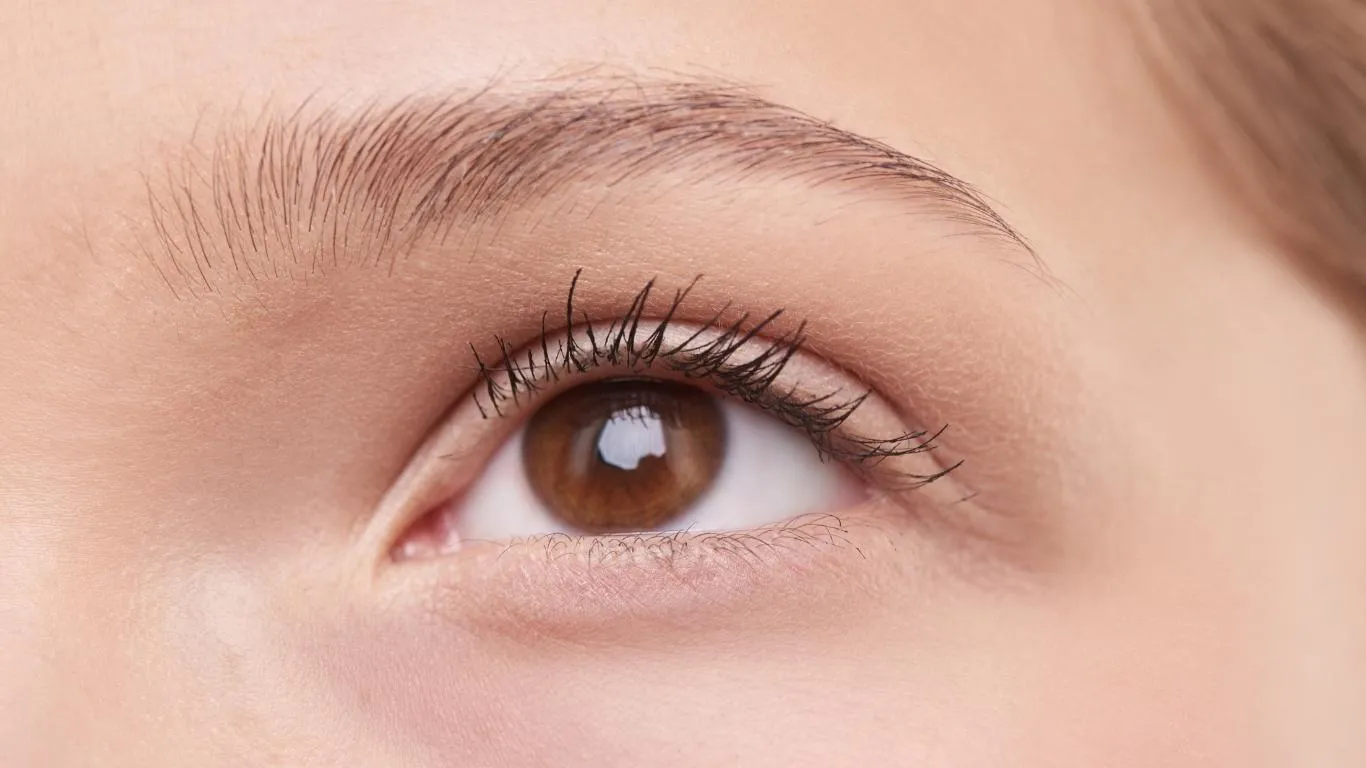
When I started drinking more water and cut down my sugary drinks, I noticed fewer floaters—or at least, they became less annoying. Dehydration can cause the vitreous to shrink and pull away from the retina, contributing to the appearance of floaters. Similarly, high blood sugar levels can make the vitreous more prone to damage, especially in people with undiagnosed prediabetes or diabetes.
Relevant to this, there’s an excellent article on how diabetes leads to eye floaters and vision issues. Worth a read if you suspect blood sugar may be playing a role in your symptoms.
Can Clean Eating Help Reduce Floaters?
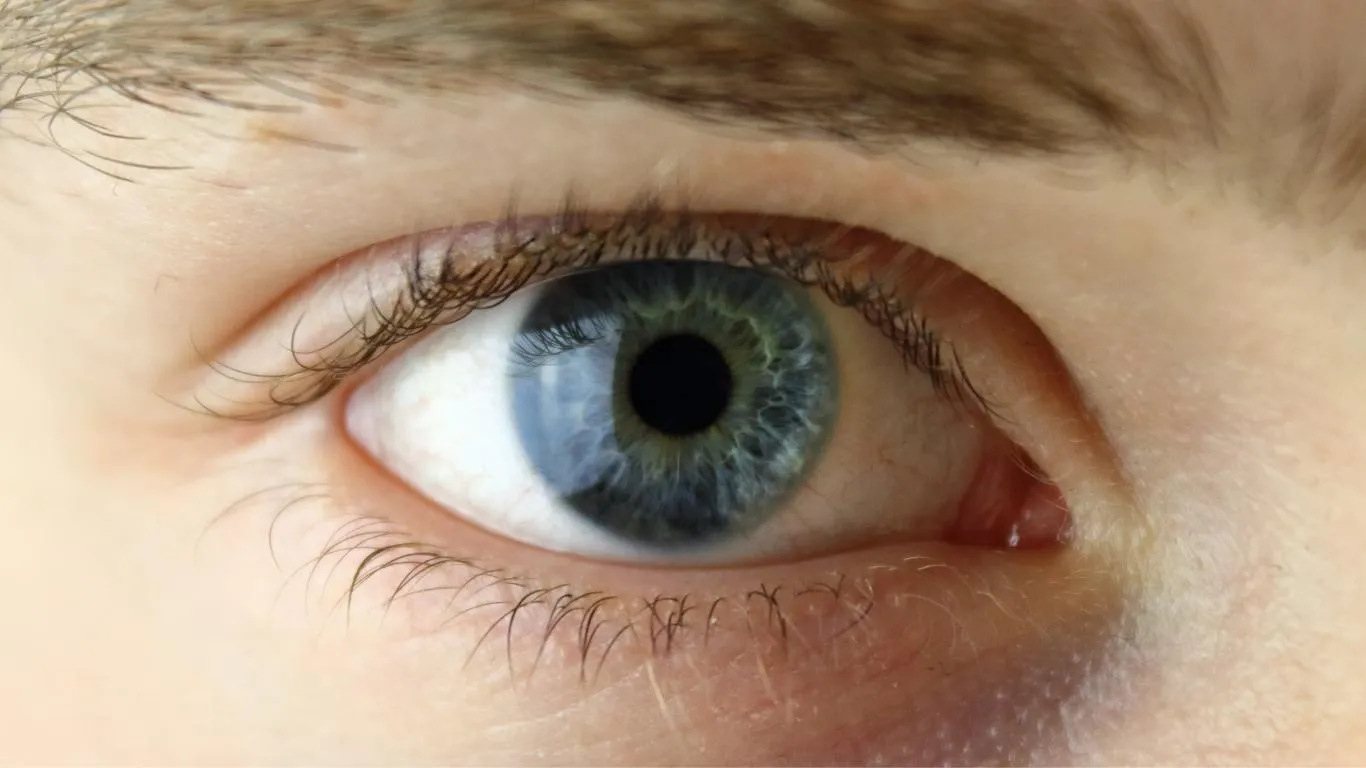
While there’s no miracle cure, I’ve found that sticking to a clean diet—think less processed, more whole foods—has made a noticeable difference. It won’t make floaters vanish completely, but it can minimize their frequency and visual impact. Try incorporating:
- Leafy greens: Spinach, kale, arugula
- Fruits with Vitamin C: Oranges, kiwi, strawberries
- Fatty fish: Salmon, mackerel, sardines
- Seeds & nuts: Chia, flax, almonds
- Plenty of water: Aim for 8+ glasses per day
And don’t forget to review whether your medications could be influencing the problem. For instance, some steroid eye drops have been linked to floaters as a side effect. Always worth checking with your doctor.
To get a more comprehensive understanding of floaters, their causes, and treatment options, I recommend reading What Are Eye Floaters? Causes, Symptoms, and Treatment Options.
Supplements That May Support Vitreous Health
Alright, let’s talk supplements. If your diet isn’t covering all the bases (totally understandable—life gets busy), certain supplements may help support your eye health. I personally started with a basic Omega-3 and added a lutein & zeaxanthin combo after my optometrist gave the thumbs up. The change wasn’t dramatic overnight, but over a few months, my floaters stopped increasing—something that had been bothering me for years.
Top Supplements to Consider
- Omega-3 fatty acids – Anti-inflammatory and helpful for retinal health
- Vitamin C & E – Classic antioxidants that support collagen in the vitreous
- Lutein & Zeaxanthin – May improve visual clarity and reduce oxidative damage
- Magnesium – Supports nerve and muscle function around the eyes
- MSM (Methylsulfonylmethane) – Some anecdotal evidence points to improved vitreous clarity
Just be mindful—don’t expect miracle pills. Supplements work best alongside a balanced diet and healthy habits. If you’re already on medications, definitely check with a healthcare provider before adding anything new to your regimen.
Hidden Triggers in the Modern Diet
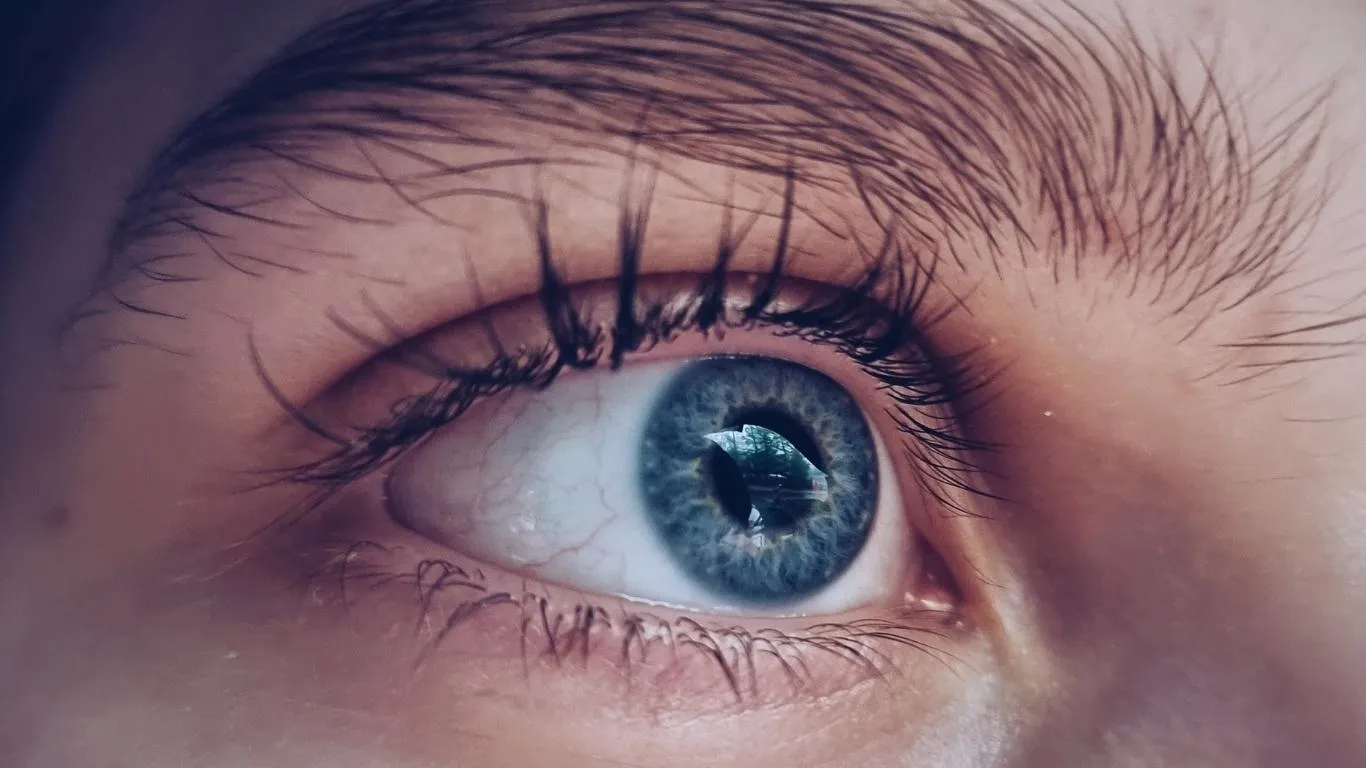
Here’s a bit of a wake-up call: some everyday food choices can quietly contribute to floaters, especially when consumed regularly. When I went through a phase of heavy processed foods and sugary snacks, I didn’t just feel sluggish—my floaters seemed more active, too. Coincidence? Maybe. But eliminating those triggers helped me feel more in control.
What You Might Want to Cut Back On
- Excessive sugar – Fuels inflammation, messes with collagen
- High sodium – Promotes dehydration and fluid imbalance
- Trans fats – Linked to cellular stress and eye issues
- Alcohol – Depletes nutrients and leads to dehydration
One great read that breaks down floaters and when they might signal something more serious is this piece that outlines red flags to watch for. Worth bookmarking.
Success Stories: What Happened When I Cleaned Up My Diet
For a long time, I thought floaters were just “one of those things” you live with. But tweaking my diet—adding more fresh foods, reducing the junk, and staying properly hydrated—did more than I expected. I don’t claim to have reversed them completely, but I stopped getting new ones. My eyes feel less strained, my vision more stable. And bonus: I just feel better overall. There’s definitely a strong mind-body connection here.
My approach wasn’t perfect. I still indulge from time to time (hello, pizza Fridays), but the 80/20 rule works wonders—eat clean most of the time, and let life be life. I also found that tracking what I ate helped me connect certain foods to “floaty days.” Weirdly enough, after big nights out or back-to-back takeout meals, I’d see more floaters the next day. Coincidence? Maybe. But I adjusted, and things improved.
Other Factors That Amplify Diet’s Effects on Eye Floaters
Food isn’t the only piece of the puzzle. How your body processes nutrients is just as important. If you’re constantly stressed or not sleeping enough, your body doesn’t get the recovery it needs to support eye health—even if your diet is perfect. It’s all connected.
Consider These Lifestyle Tweaks
- Sleep 7–8 hours – Helps tissue repair and regulates inflammation
- Manage stress – Chronic stress can impair gut and eye function
- Reduce screen time – Eyestrain makes floaters more noticeable
- Stay physically active – Supports circulation and reduces oxidative stress
There’s also a surprising link between stress and floaters. If that piques your interest, take a look at this deep-dive article on floaters and stress. Super informative.
Can You Prevent Floaters with a Good Diet?

Here’s the real question—can you stop floaters before they start just by eating well? While genetics and aging play a big role (some things we can’t control), a clean, antioxidant-rich diet may reduce your risk and definitely helps protect your vision long-term. Floaters might still show up, but they may be fewer and far less disruptive.
When in doubt, focus on nutrient density. Add colors to your plate. Stay hydrated. Reduce your intake of inflammatory foods. Your eyes will thank you—and not just by seeing more clearly, but by being more comfortable day to day.
For anyone diving deeper into the subject of diet and floaters, I also found this great article on natural ways to manage floaters super insightful. Definitely helped shape my approach.

Camellia Wulansari is a dedicated Medical Assistant at a local clinic and a passionate health writer at Healthusias.com. With years of hands-on experience in patient care and a deep interest in preventive medicine, she bridges the gap between clinical knowledge and accessible health information. Camellia specializes in writing about digestive health, chronic conditions like GERD and hypertension, respiratory issues, and autoimmune diseases, aiming to empower readers with practical, easy-to-understand insights. When she’s not assisting patients or writing, you’ll find her enjoying quiet mornings with coffee and a medical journal in hand—or jamming to her favorite metal band, Lamb of God.