Eye Floaters After Sports Eye Injuries: Risk & Recovery
Last year during a casual weekend soccer game, I took a sudden elbow to the face—right near the eye. No big deal, or so I thought. A few hours later, I started noticing these weird shadowy spots floating across my vision. At first, I thought it was sweat in my eyes or just some tiredness, but when they didn’t go away, I got concerned. Turns out, those were eye floaters, and they had a lot to do with that one small sports injury. If you’ve ever experienced something similar after a hit to the head or eye during sports, you’re not alone.
What Are Eye Floaters and Why They Appear After Sports Injuries
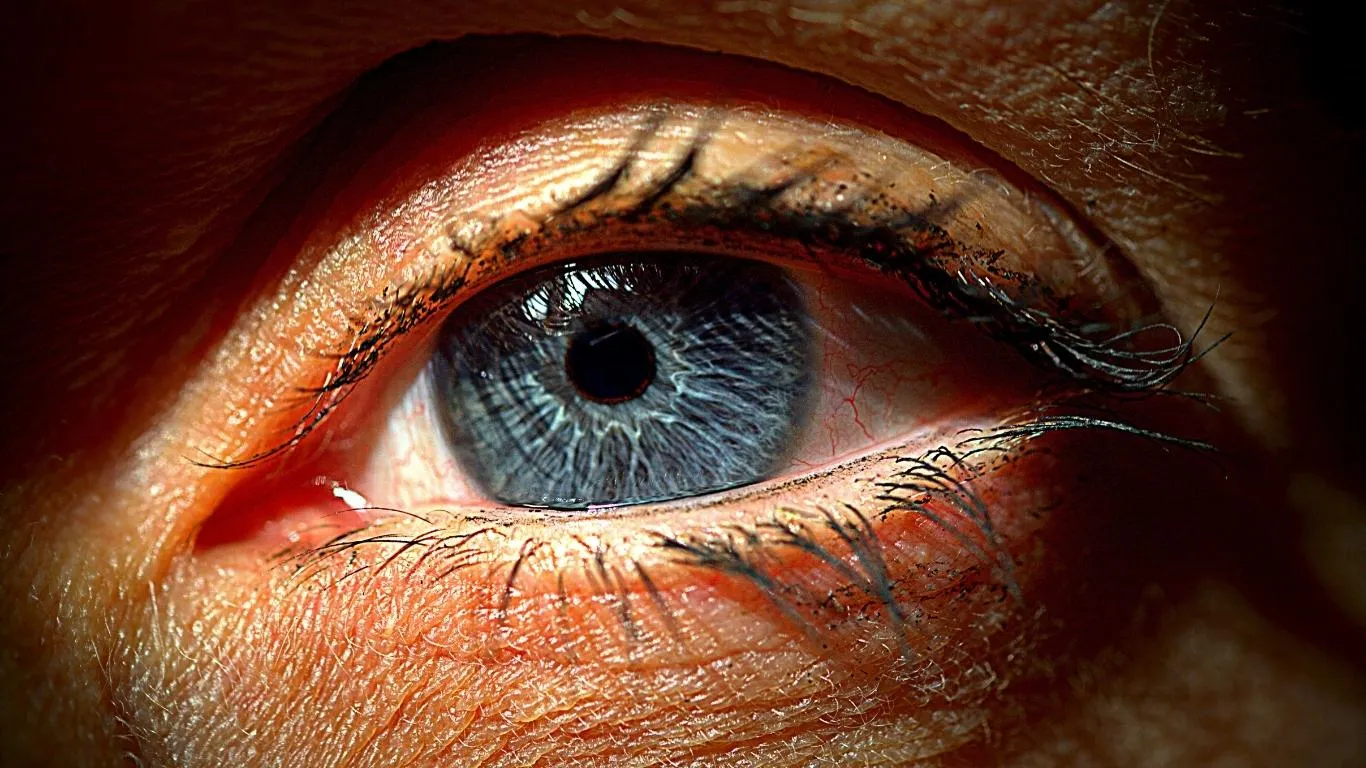
Eye floaters are tiny clumps or threads that drift across your field of vision. They often look like cobwebs, squiggly lines, or small transparent dots. These are actually tiny bits of protein or cells suspended in the vitreous humor—the clear, gel-like substance inside your eye.
After a sports-related eye injury, especially a blunt force trauma like a ball to the eye or a collision, the vitreous can become disturbed. In some cases, it pulls slightly away from the retina, leading to the appearance of floaters. It’s your body’s way of showing something may have shifted inside your eye.
But not all floaters are innocent. When they show up after a hit or fall, they can be a red flag for something more serious like:
- Retinal tear or detachment
- Vitreous hemorrhage (bleeding in the eye)
- Inflammation from trauma (traumatic uveitis)
Common Sports That Put Your Eyes at Risk

Floaters triggered by sports injuries aren’t limited to professional athletes. Recreational players are at just as much risk. Some sports naturally come with higher chances of facial or ocular trauma, such as:
- Basketball: Fast passes and elbows during rebounds can easily hit the eye.
- Soccer: Headers, collisions, and accidental kicks to the face are common.
- Martial Arts: Direct blows to the face and eye region are frequent.
- Baseball or Softball: High-velocity balls can strike the eye directly.
- Hockey: Pucks, sticks, and body checks are major eye injury threats.
According to the American Academy of Ophthalmology, sports injuries account for more than 30,000 emergency room visits each year in the U.S. alone—many involving the eye. [AAO: Sports Eye Injuries]
How to Recognize Sports Injury Floaters vs. Regular Floaters
If you already have a few harmless floaters floating around from aging, it can be tricky to know when to worry. But if they suddenly increase after a hit or impact during sports, that’s a different story.
Warning signs you should NOT ignore:
- A sudden shower of new floaters
- Flashes of light (even with your eyes closed)
- A dark curtain or shadow creeping across your vision
- Blurred or distorted sight right after the injury
These signs may indicate a torn or detached retina—a condition that requires immediate medical attention. In fact, studies show that trauma-related retinal detachment can develop within hours to days post-injury.
What Happens Inside the Eye After a Sports Injury
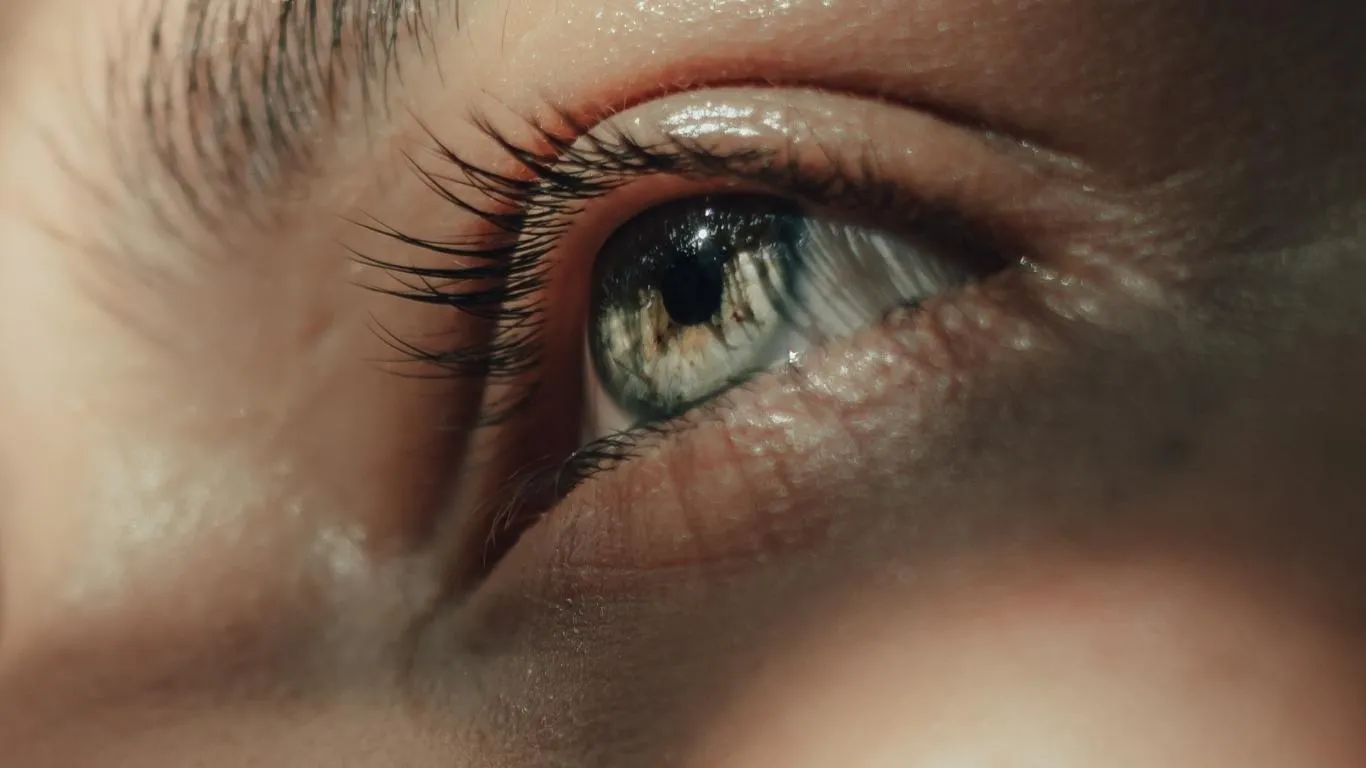
When your eye takes a hit, the force transfers inward, often disturbing the vitreous humor. This gel-like substance is normally attached to the retina at various points. With trauma, it may pull away—a condition known as posterior vitreous detachment (PVD).
That detachment, or even slight shifting, can stir up protein strands or pigment cells, which then float in your vision. In some cases, if the force is strong enough, it can create small retinal tears where the vitreous was previously attached.
Two possible outcomes after trauma-induced floaters:
- Benign Floaters: No damage to the retina; floaters may fade over time.
- Retinal Damage: Tears, holes, or detachment requiring surgery or laser repair.
If you’re unsure where your symptoms fall, it’s best to play it safe. Floaters that appear suddenly after a sports impact should never be ignored.
Should You See a Specialist Right Away?
Absolutely. I made the mistake of waiting a day before seeing a specialist, thinking it was just eye strain. Luckily, there was no retinal tear, but the optometrist made it clear—any new floaters after trauma require a retinal exam, preferably with dilation and imaging.
Ophthalmologists can use tools like Optical Coherence Tomography (OCT) and slit-lamp exams to check for internal eye damage. The earlier a problem is caught, the better the outcome—especially if surgical intervention is needed.
For an in-depth look at symptoms, risks, and how floaters behave differently from other eye issues, check out this comprehensive eye floater guide that breaks it all down.
Recovery Timeline and What to Expect After Injury-Related Floaters
After being diagnosed with trauma-related floaters, my first question was: “How long will they last?” And if you’re in that same boat, the answer really depends on the severity of the injury and your eye’s natural healing process.
For minor floaters where no structural damage has occurred, most people notice improvement in visibility over several weeks to a few months. Your brain actually adapts to ignore them over time, a process called neuroadaptation.
Typical Floater Recovery Timeline:
- Week 1: Floaters are most prominent, possibly with mild blurring.
- Week 2–4: Floaters may shrink, shift position, or become less distracting.
- Month 2–3: Most people stop noticing them unless looking at a bright background.
- Month 3+: In some cases, floaters may persist but with decreased impact on vision.
But if your floaters come with retinal tears or bleeding, the recovery window can extend and may require surgical treatment. That’s why follow-up is just as important as the initial diagnosis.
Medical Treatment Options If Floaters Persist or Worsen
If your floaters are still affecting your daily life months later—or if they increase—there are a few medical routes that ophthalmologists may recommend:
1. Laser Vitreolysis
This is a non-invasive laser treatment that breaks up large, bothersome floaters into smaller particles. It’s most effective for well-defined floaters located away from the retina and lens.
2. Pars Plana Vitrectomy
This is a more invasive surgical procedure where the vitreous gel (and the floaters inside it) is removed and replaced with a saline solution. It’s highly effective but carries some risk, including cataract formation and retinal detachment. Typically reserved for severe cases.
According to the American Academy of Ophthalmology, treatment is only advised if floaters significantly impair vision or quality of life.
Natural Ways to Manage Floaters During Recovery
While floaters caused by sports injuries often need monitoring by a specialist, some lifestyle habits can help reduce eye strain and improve your comfort during recovery. I tried a mix of these approaches while waiting for mine to subside:
- Hydration: Keeping your eyes and body hydrated helps maintain healthy vitreous structure.
- Eye-friendly nutrition: Foods rich in antioxidants like lutein, vitamin C, and zinc may support eye healing.
- Blue light protection: Reducing screen glare and taking frequent breaks helped prevent worsening irritation.
- Stress reduction: Believe it or not, tension can make floaters more noticeable. Mindful practices like deep breathing made a difference for me.
Some also explore supplements like taurine or bilberry extract, though these should be discussed with an eye specialist first. For more on non-medical approaches, here’s a deeper dive into natural ways to manage eye floaters.
When Can You Return to Playing Sports?
This one really comes down to your doctor’s advice and how well your eyes are recovering. If your floaters came without retinal damage, many doctors recommend resting your eyes for at least 1–2 weeks and avoiding contact sports during that time.
Basic return-to-play guidelines:
- Wait until floaters stabilize or become less distracting.
- Get a follow-up dilated eye exam before resuming activity.
- Use protective eyewear if you’re returning to high-risk sports like basketball or martial arts.
I didn’t wear eye protection before my incident. I sure do now. Sports goggles designed for impact resistance are worth every penny—especially if you’ve already experienced one eye injury. Reinjuring the same eye increases the chance of serious vision complications down the line.
How to Protect Your Eyes Going Forward
Once you’ve had floaters from trauma, you’re more aware of how fragile your vision really is. Whether you’re a weekend athlete or play competitively, these eye-protection practices can make a big difference:
- Wear sports-specific eye gear — not just sunglasses. Look for ASTM F803-rated protection.
- Check your gear — faulty helmets or masks can leave your eyes exposed.
- Don’t ignore symptoms — any new flashes, floaters, or blurred vision post-impact should be evaluated immediately.
- Annual eye check-ups — especially if you’re active in high-risk sports.
If you’re still unsure whether your floaters after sports injury are harmless or something more, reviewing the differences between common floaters and more serious eye conditions can help. This breakdown of eye floaters versus other eye problems offers helpful visual examples and guidance.

Camellia Wulansari is a dedicated Medical Assistant at a local clinic and a passionate health writer at Healthusias.com. With years of hands-on experience in patient care and a deep interest in preventive medicine, she bridges the gap between clinical knowledge and accessible health information. Camellia specializes in writing about digestive health, chronic conditions like GERD and hypertension, respiratory issues, and autoimmune diseases, aiming to empower readers with practical, easy-to-understand insights. When she’s not assisting patients or writing, you’ll find her enjoying quiet mornings with coffee and a medical journal in hand—or jamming to her favorite metal band, Lamb of God.