
Floaters After Eye Surgery or Trauma Can Disrupt Daily Life
If you’ve ever stared at a white wall or looked up at a clear sky and noticed squiggly lines or floating shadows dancing across your vision, you’re definitely not alone. But if those pesky floaters appeared after eye surgery or even trauma like an accident or a sports injury, it’s time to pay closer attention. I’ve personally dealt with a sudden burst of floaters after LASIK—and let me tell you, it was more than just annoying. It was alarming. So, let’s dive into the messy reality of floaters caused by post-surgery and trauma incidents, and figure out what’s happening behind the scenes of your vision.
What Exactly Are Eye Floaters?
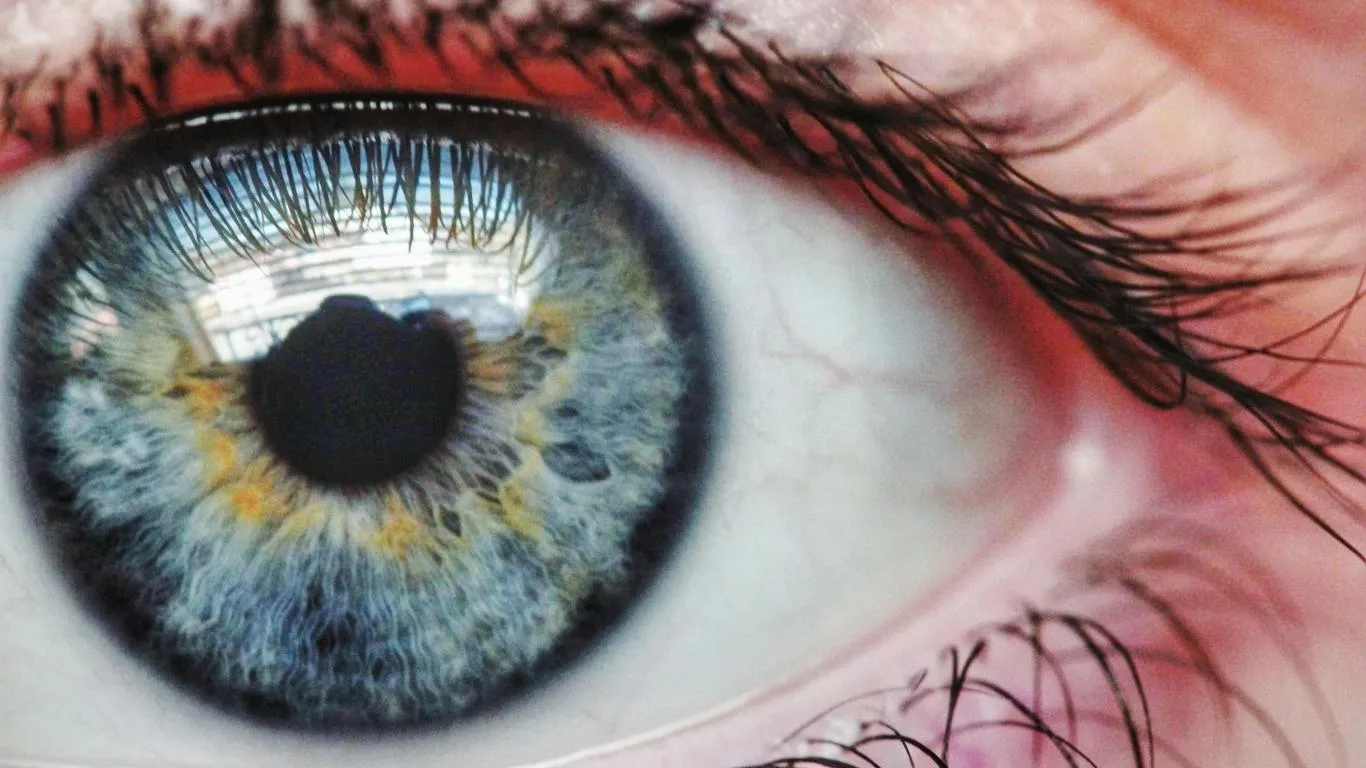
Eye floaters are those translucent specks, threads, or cobweb-like shapes that drift around in your vision. They usually happen when tiny fibers inside the vitreous—the gel-like substance that fills your eyeball—start clumping together. When light hits them, it casts a shadow on your retina, and voila, that’s what you’re seeing float around.
Most people experience them naturally as they age. But if you’re seeing them suddenly after surgery or an eye-related injury, it’s likely your floaters have a more aggressive origin.
How Surgery Can Trigger Eye Floaters

Surgical procedures on or around the eyes can disrupt the normal structure of the vitreous. This includes:
- LASIK or PRK: Although rare, refractive surgeries like LASIK or PRK can cause mechanical vibrations that disturb the vitreous, especially if you’re already predisposed to floaters.
- Cataract surgery: One of the most common triggers. During this procedure, changes in intraocular pressure and light exposure can accelerate vitreous detachment. Learn more about post-cataract floaters here.
- YAG capsulotomy: A laser procedure performed after cataract surgery, this can lead to sudden floaters as the laser energy may disturb the vitreous. Read more on YAG-induced floaters.
After my own LASIK, I was thrilled to ditch my glasses—until a few weeks later when those “ghost bugs” appeared. My ophthalmologist explained the vitreous likely reacted to the suction ring used during the procedure. It wasn’t harmful, but it was an eye-opener (pun intended) on how even minor surgeries can spark these floaters.
What About Vitreous Detachment?
Surgery can also hasten the natural process of posterior vitreous detachment (PVD), especially in patients over 40. This condition involves the vitreous pulling away from the retina and is a leading cause of floaters. Sometimes, it happens without any drama. Other times, especially post-surgery, it can be sudden—and very noticeable.
Trauma-Related Floaters: Not Just a Bump

Blunt force trauma to the eye or head—even if it doesn’t result in a visible injury—can shake up the internal components of your eye like a snow globe. This disturbance can lead to:
- Vitreous detachment—similar to what we see with surgery.
- Retinal tears or bleeding—a more serious complication that should be ruled out immediately.
Something as “simple” as a soccer ball to the face or an airbag deployment can be enough to spark these floaters. Check out this article on floaters from trauma for a detailed breakdown. It’s worth noting that floaters caused by trauma tend to appear suddenly and may be accompanied by flashes of light—a potential red flag for a retinal tear or detachment.
Do Floaters Always Mean Damage?
Not always. But in the context of trauma or surgery, they demand more caution. Unlike age-related floaters that develop gradually, sudden floaters post-surgery or injury are a warning sign. In some cases, blood or pigment from other parts of the eye can leak into the vitreous, mimicking or creating floaters.
When Should You Worry?

Here’s when floaters mean it’s time to pick up the phone and call your eye doctor:
- A sudden increase in number or size of floaters
- Flashes of light (think camera flashes)
- Dark curtain or shadow moving across your vision
- Blurred or distorted vision following trauma or surgery
These could be signs of a retinal tear or detachment, which needs immediate attention. And if you’ve had recent eye procedures, especially laser work, don’t wait around. Early treatment can be the difference between full recovery and permanent damage.
What Can Be Done About These Floaters?

Most floaters don’t need treatment and will settle at the bottom of your eye over time, becoming less noticeable. However, in some post-surgical or trauma cases, intervention is necessary. Options include:
- Observation – Wait and monitor unless symptoms worsen.
- Vitrectomy – A surgical procedure to remove the vitreous gel entirely. Risky, but effective in severe cases.
- Laser vitreolysis – Uses a laser to break up floaters, but not always suitable for trauma-related floaters.
If you’re trying to avoid procedures, there are some natural management approaches worth exploring, though results can be hit or miss.
For anyone experiencing persistent or worsening floaters after an injury, this resource on floaters post-injury is incredibly helpful. It dives into what’s normal, what’s not, and how to safely recover your vision.
If you’re still not sure whether what you’re seeing is “just floaters” or something more serious, check out the in-depth breakdown on how to tell floaters apart from other eye conditions. It’s one of the most useful comparisons I’ve read when trying to decode the chaos happening in my own eyes.
And for a broader understanding of causes, treatments, and symptom guides, make sure to explore the full main pillar article on eye floaters.
Are These Floaters Ever Permanent?

Honestly? Sometimes. That’s the hard truth I had to accept after noticing mine weren’t fading weeks after surgery. While many floaters from trauma or procedures settle over time, others stick around for months—or forever. If the vitreous damage is significant or the floaters are made of blood, pigment, or inflammatory debris, they’re less likely to resolve on their own.
It’s not always dangerous, but it can be distracting and frustrating. Especially when they float right into the middle of your vision every time you try to read, drive, or scroll your phone. Floaters after trauma, like a blow to the eye, are particularly stubborn because the force may have torn microscopic tissue or ruptured tiny blood vessels. Learn more about why some floaters don’t just go away.
Eye Inflammation and Post-Surgical Reactions
In some cases, floaters aren’t just from mechanical disruption—they’re caused by your own immune system reacting to the surgery or injury. Conditions like uveitis (inflammation inside the eye) can create floaters that are more persistent, more noticeable, and sometimes even painful.
Post-surgery inflammation isn’t rare. Even routine cataract or YAG procedures can stir up this kind of reaction. And if you already have an autoimmune issue—like rheumatoid arthritis or lupus—it could make your eyes more sensitive to trauma, making the floaters worse. That’s something I learned the hard way after being misdiagnosed for weeks.
Why Do Some People Get More Floaters Than Others?

This was something I obsessed over when my friend had the same laser eye surgery and ended up floaters-free. Meanwhile, I couldn’t look at a blank wall without spotting what looked like cobwebs stuck to my eyeball. Turns out, several factors can influence floater formation:
- Age – The older you are, the more likely the vitreous is already degenerating.
- High myopia (nearsightedness) – People with longer eyeballs are more susceptible.
- Previous eye trauma or surgery – One procedure can set you up for floaters in future surgeries.
- Medical conditions – Diabetes, autoimmune diseases, and even allergies can contribute.
There’s also a fascinating link between collagen disorders and early floater development. If your connective tissue breaks down faster, so does your vitreous. That insight gave me a whole new perspective on how systemic our eye health really is.
Are You Making Floaters Worse Without Realizing?

Yep. Lifestyle plays a bigger role than most people think. Here are a few surprising things that could be aggravating your floaters post-surgery or trauma:
- Too much screen time – I noticed my floaters were worse after long editing sessions. Turns out, screen time affects visual comfort and makes you more aware of floaters.
- Dehydration – Your eyes rely on fluid balance. Even mild dehydration can alter your vitreous consistency.
- Lack of sleep – Another sneaky factor. There’s actual evidence that poor sleep can lead to floater flare-ups.
- Stress and anxiety – Not just in your head. Stress can amplify perception of floaters and even trigger migraines that come with visual disturbances.
Since I started adjusting my screen time, staying hydrated, and sleeping properly, I’ve honestly noticed a difference. The floaters didn’t vanish, but they became less of a daily nuisance. That’s progress in my book.
Is Surgery Ever Worth It for Floaters?

It depends. If floaters are seriously impacting your vision or mental health, some options can offer relief. But there are risks. Here’s what the decision matrix looks like:
- Vitrectomy – Considered the most effective, but involves removing the vitreous gel entirely. Risk of cataracts and retinal detachment rises post-op.
- Laser Vitreolysis – Safer, less invasive, but only works on specific floater types and positions.
- Do nothing – For most, this is the safest bet. Your brain adapts, and floaters become less noticeable over time.
I was close to pulling the trigger on laser treatment until my specialist reminded me that observation is often the best “treatment.” It’s tough, but sometimes accepting floaters as the new normal is part of healing.
Understanding the Risks Long-Term

Floaters can sometimes signal bigger issues hiding in the shadows. Especially post-surgery or trauma. If you’re also seeing flashes, peripheral vision loss, or if the floaters multiply rapidly—don’t wait. It could be a retinal bleed, tear, or detachment.
Some people with connective tissue disorders like Ehlers-Danlos or Marfan Syndrome also report chronic, worsening floaters that are tied to more severe retinal risks. If you fall into this category, yearly eye exams (minimum) are a must.
And if you’ve had past trauma—car accident, head injury, or even orbital fractures—it’s worth reading how structural damage to your eye socket might play a role in recurring floaters.
Where to Learn More

If you’re still navigating the weird, frustrating world of post-surgery floaters or trauma-induced shadows, I highly recommend checking out the in-depth piece on eye floater causes. It breaks down aging vs. injury causes in a way that really helps clarify what’s happening.
And if you’re just starting your research, the full eye floater guide is the single best place to begin understanding your symptoms, risks, and options. It’s where I started—and it saved me from a lot of unnecessary panic.

Camellia Wulansari is a dedicated Medical Assistant at a local clinic and a passionate health writer at Healthusias.com. With years of hands-on experience in patient care and a deep interest in preventive medicine, she bridges the gap between clinical knowledge and accessible health information. Camellia specializes in writing about digestive health, chronic conditions like GERD and hypertension, respiratory issues, and autoimmune diseases, aiming to empower readers with practical, easy-to-understand insights. When she’s not assisting patients or writing, you’ll find her enjoying quiet mornings with coffee and a medical journal in hand—or jamming to her favorite metal band, Lamb of God.