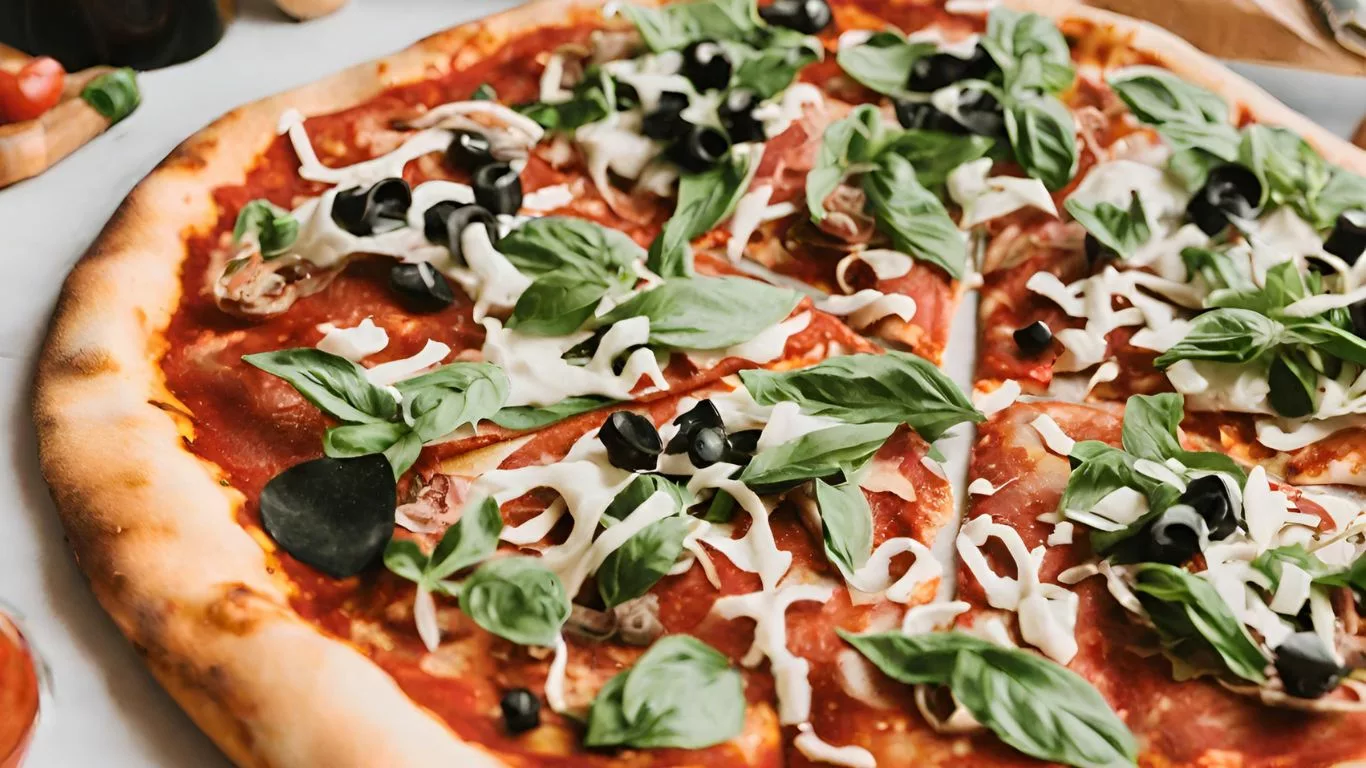
Crafting GERD-Friendly Pizza That Actually Tastes Amazing
Pizza night used to be a big deal in our home—Friday evenings with extra cheese, spicy toppings, and lots of tomato sauce. That was until the heartburn hit like clockwork after each slice. If you’re like me and dealing with GERD (gastroesophageal reflux disease), you’ve probably felt that same post-pizza regret. But here’s the thing: you don’t have to say goodbye to pizza entirely. With a few smart swaps and some creative tweaks, you can enjoy a satisfying, GERD-friendly pizza that doesn’t sabotage your stomach.
Why Typical Pizza Can Trigger GERD

Let’s break it down. Most traditional pizzas are loaded with high-acid ingredients, like tomato-based sauces, full-fat cheese, and fatty or spicy meats—all of which are notorious acid reflux culprits. A standard slice can also be high in fat, which slows digestion and increases the chances of stomach contents backing up into the esophagus.
The Acid Reflux Domino Effect
It’s not just about one ingredient. The combination of acidic, greasy, and spicy elements can lead to a full-blown GERD episode. And if you eat it late at night (guilty!), that risk doubles. According to the Mayo Clinic, large meals and lying down shortly after eating are common triggers. Which, let’s be honest, is exactly what happens after a late-night pizza binge on the couch.
Common Ingredients That Spark Reflux
- Tomato sauce – high in acidity
- Pepperoni and sausage – fatty and spicy
- Full-fat cheese – slows digestion
- Onions and garlic – common triggers
- Greasy crusts – extra fat, less comfort
Fortunately, none of these ingredients are irreplaceable. It just takes a bit of know-how and the willingness to try something new.
Building a GERD-Safe Pizza from the Crust Up

The foundation of your pizza is the crust, and thankfully, this is one area that’s pretty GERD-friendly already—with some caveats. Skip anything super buttery or stuffed, and go for whole grains when you can.
What to Look For in a Safe Crust
- Low-fat options – aim for minimal oils or butter
- Whole wheat or oat-based crusts – more fiber, gentler on the gut
- Thin crust – lighter, easier to digest
I’ve personally experimented with cauliflower crusts, and they’ve been surprisingly decent when baked well. They’re lower in fat and carbs, which tends to sit better in the stomach. I just avoid pre-packaged ones that have lots of added cheese.
The Sauce Dilemma: Alternatives to Tomato

Let’s talk about the elephant on the pizza—tomato sauce. Even a small amount can set off reflux for many people, myself included. So what are the options?
GERD-Friendly Pizza Sauce Options
- Olive oil and herb base – a simple blend of extra virgin olive oil, basil, oregano, and a pinch of salt
- White sauces – made with low-fat ricotta or cottage cheese, mixed with herbs
- Mashed roasted veggies – like butternut squash or zucchini for a creamy, flavorful base
I’ve tried using roasted garlic (in small amounts) blended with olive oil and basil as a sauce substitute, and it works surprisingly well. It gives the pizza that savory, umami flavor without triggering acid production.
For more safe sauce ideas, check out these GERD-friendly sauce alternatives that don’t skimp on flavor.
Low-Acid, High-Taste Toppings You’ll Actually Enjoy

This is where it gets fun. If you think GERD-friendly pizza means boring, dry toppings—think again. You’d be surprised how many flavorful combos are still gentle on the digestive system.
Smart Protein Choices
- Grilled chicken – lean and easy on the stomach
- Turkey breast – flavorful without the grease
- Tofu or tempeh – especially when lightly seasoned
Vegetables That Soothe Instead of Spark
- Zucchini
- Spinach
- Bell peppers (in moderation)
- Mushrooms
- Carrots (roasted for sweetness)
For me, a combo of roasted zucchini, spinach, and grilled chicken on a white sauce base hits the sweet spot. I avoid onions and tomatoes completely—and I don’t miss them.
If you’re curious about how to structure a GERD-safe diet more broadly, this GERD diet plan guide offers a great starting point.
Cheese: Yes, You Still Can (Sort Of)
You don’t have to ditch cheese entirely—but you should be smart about it. Swap out full-fat mozzarella for:
- Low-fat mozzarella – melts well and less greasy
- Goat cheese – easier to digest for some people
- Ricotta – great for white base pizzas
I usually go light with shredded mozzarella and finish with a spoonful of ricotta instead of piling on the gooey stuff. The flavor is still there, but without the digestive drama.
Timing, Portion, and Pairing Tips to Keep Reflux Away

Even with the right ingredients, how and when you eat your pizza makes a difference.
Tips That Work (From Trial and Error)
- Eat smaller portions – I usually stop at two slices, max.
- Don’t lie down after eating – Wait at least 2-3 hours.
- Pair with a GERD-friendly side – Like steamed veggies or a non-acidic salad (no citrus dressing).
- Skip carbonated drinks – Stick with water or coconut water.
I’ve learned the hard way that scarfing down pizza in front of the TV at 9 PM is a recipe for regret. Now it’s an earlier dinner, with plenty of water, and I stay upright after. Simple changes, big difference.
Pizza Doesn’t Have to Be a Trigger Food Anymore

Enjoying pizza when you have GERD is absolutely doable—it just takes a little planning. Trust me, once you make the switch and realize you can still enjoy the flavors without the burn, you won’t want to go back. Plus, you’ll feel a whole lot better after dinner.
GERD-Safe Herbs and Seasonings That Add Real Flavor

Let’s face it—pizza without flavor is just bread with stuff on it. But for those of us dodging acid reflux triggers, seasoning can feel like walking through a minefield. The good news is you don’t need to rely on garlic, onions, or spicy flakes to bring your pizza to life.
Flavorful, Non-Acidic Herbs That Work
- Basil – adds a sweet, peppery flavor that works beautifully fresh or dried
- Oregano – classic pizza herb, gentle on the gut when used in moderation
- Parsley – refreshing and great for balancing heavier toppings
- Thyme – earthy and subtle, amazing with roasted veggies
- Chives – mild onion flavor, often tolerated better than raw onions
I’ve gotten into the habit of tossing fresh basil leaves on my pizza post-bake—it’s a simple switch that adds aroma and elegance. Avoiding red pepper flakes was tough at first, but now I use a little smoked paprika for depth without the heat.
For more safe flavoring ideas, this guide on GERD-safe spices helped me experiment confidently.
Leftover Pizza? Here’s How to Reheat Without the Reflux

If you’re like me, pizza leftovers are a fridge staple. But how you store and reheat them can make or break your next meal—literally. Cold, greasy slices? Reflux city. But properly warmed, evenly heated pizza can be just as gentle as it was the night before.
Smart Reheating Methods
- Toaster oven – crisps the crust without turning the cheese oily
- Skillet with lid – low and slow with a splash of water to steam the top
- Oven on low heat – better than microwave for avoiding rubbery textures
I avoid microwaving my GERD-safe slices unless I’m in a rush—and even then, I use a damp paper towel on top to prevent the crust from drying out. Reheating at a low temp makes a noticeable difference in how my stomach handles it later.
Eating Pizza When Dining Out with GERD

Let’s talk reality: you won’t always have full control over the ingredients, especially when eating out. But that doesn’t mean you need to skip the pizza party altogether.
Survival Tips for Ordering Pizza at Restaurants
- Go for veggie-loaded thin crusts – skip the meat, add extra greens
- Request white sauce or olive oil base – many places accommodate this
- Ask for light cheese – or better yet, goat or ricotta if available
- Avoid soda or beer pairings – opt for flat water or herbal teas
In a pinch, I’ve even asked for my pizza to come without sauce entirely. Just olive oil and toppings. Sure, the waiter gives a weird look—but it works. And more often than not, restaurants are happy to customize once they know it’s for health reasons.
Check out this useful guide on GERD-safe restaurant orders if you eat out often—it saved me more than once on road trips.
Can You Still Enjoy Pizza During a GERD Flare-Up?

During flare-ups, even the best-crafted pizza might feel like a risky move. When my reflux is acting up, I play it extra safe and avoid pizza altogether for a few days. But once things calm down, reintroducing it slowly and strategically is key.
Flare-Up Friendly Pizza Tactics
- Stick to small portions – just a slice, paired with non-acidic sides
- Avoid cheese and go crust-only with veggies – surprisingly satisfying
- Choose ultra-low fat options – less stress on the esophageal sphincter
And of course, steer clear of late-night slices during flare-ups. I once made that mistake with a “light” veggie pizza and paid for it with hours of burning and bloating. Lesson learned: timing and portion matter just as much as ingredients.
For more help managing those tough days, this article on calming GERD flare-ups offers simple tips that actually work.
Storing GERD-Friendly Ingredients to Make Pizza Prep Easy

Let’s be real. One reason we reach for takeout pizza is because it’s fast. But if you keep a few GERD-safe staples in the fridge or freezer, homemade versions can be just as convenient—and way less punishing.
Go-To Ingredients to Always Have on Hand
- Pre-made thin crusts (whole wheat or cauliflower)
- Low-fat mozzarella and ricotta cheese
- Grilled chicken strips or turkey slices
- Fresh spinach, zucchini, mushrooms, and bell peppers
- Olive oil, dried herbs, and garlic-infused oil (low-FODMAP option)
I keep a batch of pre-roasted veggies in the fridge most weeks. It takes 20 minutes on Sunday but saves me from giving into trigger-heavy options when cravings hit. With those and a basic crust, I can have a reflux-safe pizza ready in 10 minutes flat.
Want to take this a step further? These GERD-friendly meal prep ideas are a game-changer for busy weeks.
Why Making GERD-Safe Pizza is Totally Worth It

Sure, it takes a little effort to get used to GERD-friendly pizza. But the benefits go beyond avoiding heartburn. For me, it’s about reclaiming foods I love without the constant anxiety about symptoms. It’s about sitting down with friends, sharing a meal, and knowing I won’t be up at 2 AM with a burning throat.
And that’s what this is really about—freedom. Not restriction, not sacrifice. Just a few smart tweaks that let you enjoy the good stuff again.
For a deeper understanding of what triggers GERD and how to control it, this article on hidden GERD triggers is a must-read.
Tips for Hosting GERD-Friendly Pizza Nights Everyone Will Enjoy

If you’ve ever hosted a pizza night and silently dreaded it because you knew you couldn’t eat what everyone else was having—same here. But over time, I figured out how to make pizza night inclusive for me and still fun (and delicious) for everyone else.
Easy Ways to Keep It GERD-Friendly Without Making It a “Special Diet” Thing
- Offer a build-your-own pizza bar – let everyone pick their own crust, sauce, and toppings
- Make your base first – before others start piling on the spicy meats and tomato sauce
- Label sauces and toppings – especially helpful for guests with other sensitivities too
- Have light sides and herbal drinks – like roasted veggies and chamomile tea
I’ve had guests opt for my “weird” white sauce and grilled chicken combo just out of curiosity… and end up loving it. They’re always surprised how flavorful a tomato-free pizza can be.
What to Avoid Even If It Seems “Healthy”

One thing that caught me off guard early on was that not all “healthy” foods are GERD-friendly. I once used a store-bought pesto on my pizza thinking it was a smart choice—turns out, it was loaded with garlic and acidic oils. Flare-up city.
Common Sneaky Triggers in Pizza Recipes
- Pesto sauces – usually contain raw garlic and parmesan
- Sun-dried tomatoes – concentrated acidity
- Plant-based cheeses – often high in oils and spices
- Whole grain crusts with flax or seeds – too much fiber can be irritating during flare-ups
The lesson? Read the labels, keep it simple, and always test new ingredients in small amounts. Everyone’s triggers are a little different.
GERD-Friendly Pizza Recipes Worth Trying

If you’re looking for tried-and-true combos that work for reflux-prone folks like us, these are a few of my go-to options. They’re flavorful, satisfying, and I’ve made them for both GERD and non-GERD guests without complaints.
1. Mediterranean-Inspired White Pizza
- Crust: Whole wheat thin crust
- Sauce: Olive oil with oregano and chives
- Toppings: Spinach, grilled chicken, goat cheese, roasted red peppers (optional)
2. Garden Veggie Ricotta Pizza
- Crust: Cauliflower base
- Sauce: Light ricotta spread with basil
- Toppings: Zucchini, mushrooms, carrots, fresh parsley
3. Protein-Boost Flatbread
- Crust: Whole grain flatbread
- Sauce: Garlic-infused olive oil (FODMAP-friendly)
- Toppings: Roasted turkey, spinach, light mozzarella
Want more meal ideas like these that are reflux-safe, satisfying, and easy to prep? Take a look at these GERD-friendly breakfast options to round out your day.
Bringing Joy Back to Eating Without Regret

I used to think living with GERD meant missing out on everything that made food fun—especially pizza. But once I started understanding what triggered me and learned how to adapt, I realized I could still love what I eat without fearing the consequences.
It doesn’t have to be bland. It doesn’t have to be boring. And it doesn’t have to be “just salad” forever.
The best part? Once you start feeling better, you realize how much the trade-offs were worth it. Food stops being a fear and becomes enjoyable again. That’s the win.
And if you’re just starting this journey and still navigating all the confusing symptoms, I highly recommend reading our guide to GERD symptoms you shouldn’t ignore. Knowing what’s going on in your body is half the battle.
Now go ahead—grab that slice, savor it, and know you’re not sacrificing flavor for comfort. You’re just eating smarter. And your stomach will thank you.

Camellia Wulansari is a dedicated Medical Assistant at a local clinic and a passionate health writer at Healthusias.com. With years of hands-on experience in patient care and a deep interest in preventive medicine, she bridges the gap between clinical knowledge and accessible health information. Camellia specializes in writing about digestive health, chronic conditions like GERD and hypertension, respiratory issues, and autoimmune diseases, aiming to empower readers with practical, easy-to-understand insights. When she’s not assisting patients or writing, you’ll find her enjoying quiet mornings with coffee and a medical journal in hand—or jamming to her favorite metal band, Lamb of God.