
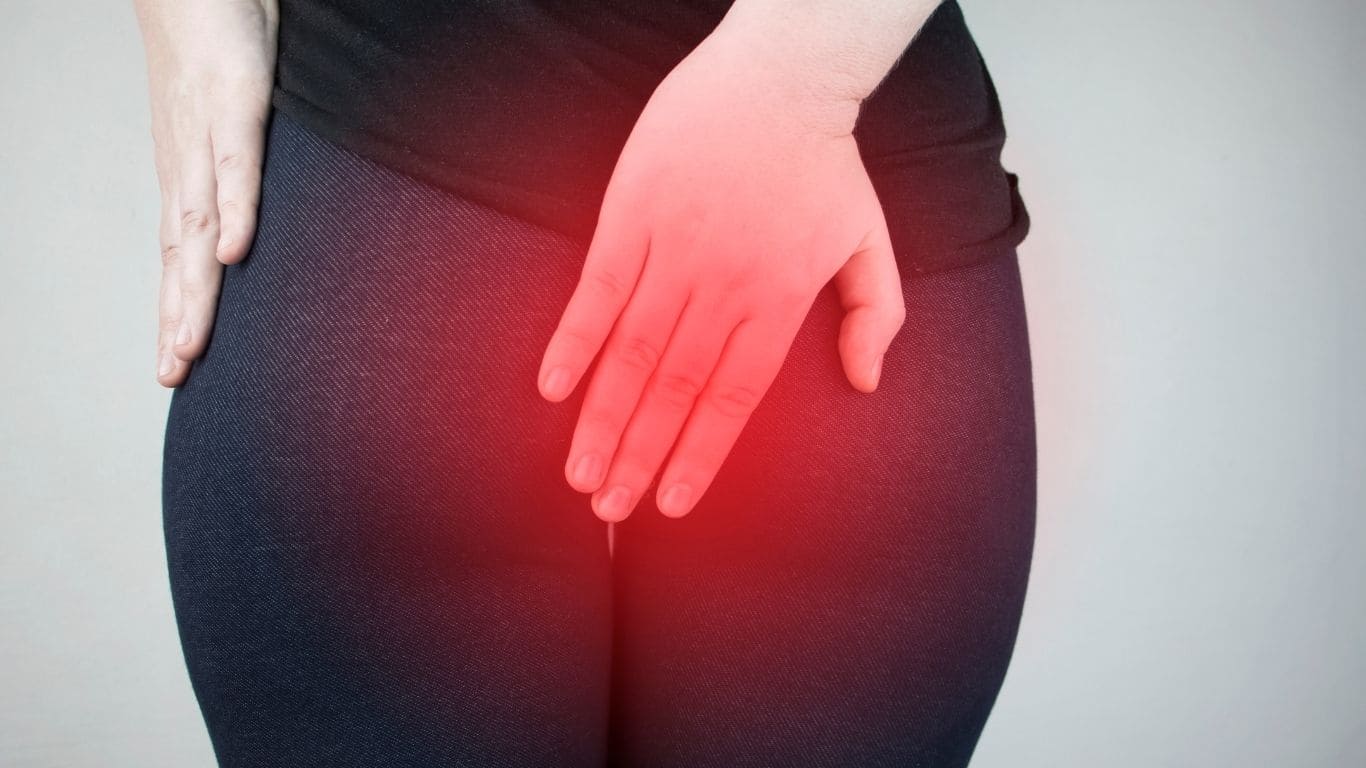
Obesity And Hemorrhoids: Why Excess Weight Triggers Painful Flare-Ups
Obesity is one of the most commonly overlooked contributors to hemorrhoids. While many people associate hemorrhoids with straining or constipation, excess body weight can quietly increase pressure on the rectal veins and make flare-ups more frequent, more painful, and harder to treat. Understanding how obesity affects hemorrhoids can help you prevent symptoms, reduce discomfort, and build long-term habits that keep your digestive health on track.

How Excess Weight Affects Hemorrhoid Development
The area around your rectum and anus is supported by a network of veins. When pressure builds up—such as from carrying too much abdominal fat—blood flow becomes restricted and veins can swell, bulge, and eventually form hemorrhoids. This mechanism is very similar to how obesity can contribute to varicose veins in the legs. The more weight pressing downward, the more strain these delicate veins experience.
Because obesity increases intra-abdominal pressure, it places the rectal veins under constant stress. This is similar to the pressure caused by chronic straining, but it happens continuously—even when you’re not using the bathroom. Over time, this makes both internal and external hemorrhoids far more likely to develop or worsen.
Why Abdominal Fat Causes Continuous Pressure
Deep visceral fat, located around internal organs, pushes outward and downward. This pressure compresses the intestines, slows digestion, and can lead to harder stools as food moves sluggishly through the colon. The result? More straining, more inflammation, and more irritation of swollen veins. This is one of the reasons why obesity and constipation often occur together in people who experience frequent hemorrhoid flare-ups.
Obesity Makes Other Hemorrhoid Causes Worse
While obesity alone can trigger hemorrhoids, it also amplifies other risk factors found within the Causes & Risk Factors cluster. For example, overweight individuals are more likely to experience chronic diarrhea, poor bowel habits, or a low-fiber diet—each of which further increases the likelihood of swollen rectal veins.
Studies also show that carrying extra weight slows physical movement, which leads to a sedentary lifestyle. Less activity means slower intestinal motility, creating more opportunities for stool to harden and produce straining during bowel movements. This combination of pressure, inflammation, and reduced muscle tone is what creates a perfect storm for recurring hemorrhoids.
Common Hemorrhoid Symptoms Seen in Overweight Individuals
People with obesity often experience more severe hemorrhoid symptoms compared to those with a lower body weight. Typical signs include:
- Pain during bowel movements
- Bright red rectal bleeding
- Anal itching or irritation
- A swollen lump near the anus
- Mucus discharge after bowel movements
These symptoms can overlap with other anorectal conditions, so it’s important to review a full symptom guide like Hemorrhoid Pain or Rectal Bleeding if you need clarification.
How Obesity Increases the Risk of Chronic Hemorrhoids
People who are overweight or obese have a significantly higher likelihood of recurring hemorrhoids that resist home treatments. The constant mechanical pressure on rectal veins prevents inflamed tissue from healing fully, leading to repeated flare-ups. In severe cases, hemorrhoids can prolapse or become thrombosed—an extremely painful condition where a clot forms inside the swollen vein.
If hemorrhoids keep coming back even after treatment, it’s often a sign that weight-related pressure is preventing proper recovery. Addressing obesity can dramatically reduce how often these flare-ups occur and improve outcomes from medical treatments such as rubber band ligation or sclerotherapy.
Managing Hemorrhoids When You’re Overweight
The good news is that you don’t need dramatic weight loss to start seeing improvements. Even a modest reduction—around 5–10% of body weight—can lower the abdominal pressure that contributes to hemorrhoid flare-ups. The key is combining weight management with good bowel habits and symptom-relief techniques.
1. Increase Daily Fiber Intake
Fiber softens stool, reduces straining, and keeps bowel movements regular. Aim for 25–30 grams per day. If you struggle to reach that amount through food, consider a fiber supplement such as psyllium. For more guidance, see the related subcluster High-Fiber Diet for Hemorrhoids.
2. Improve Hydration
Water plays a critical role in preventing constipation. Without adequate hydration, fiber cannot work effectively, and stool becomes harder and more difficult to pass. Drinking more water daily also helps reduce irritation in people already dealing with painful hemorrhoids.
3. Reduce Long Sitting Sessions
Extended sitting compresses rectal veins, especially on harder surfaces. If you work at a desk, stand up every 45–60 minutes to relieve pressure and improve circulation. Cushioning can also help distribute weight more evenly.
4. Combine Movement With Gradual Weight Loss
Engaging in low-impact activity is one of the best ways to improve digestion and reduce hemorrhoid risk. Walking, swimming, and cycling are ideal for overweight individuals because they increase circulation without adding excessive strain. As your movement increases, your digestive rhythm improves, often making flare-ups less frequent.
5. Use Home Remedies During Flare-Ups
Comfort-focused remedies such as warm sitz baths or witch hazel pads can provide quick relief. If your symptoms align with lifestyle-related pressure, explore supporting resources like Sitz Baths and Ice Packs for Hemorrhoids to complement your weight-management plan.
When to Seek Medical Treatment
If obesity-related hemorrhoids become severely painful, bleed excessively, or prolapse frequently, medical treatment may be necessary. Options include rubber band ligation, infrared coagulation, and surgical removal. You can explore treatment details in the parent cluster Hemorrhoids Treatment Options.
Severe cases should always be evaluated by a healthcare professional. The Mayo Clinic notes that persistent rectal bleeding or significant pain can indicate complications or other gastrointestinal issues that need proper diagnosis (Mayo Clinic).
Final Thoughts
Obesity doesn’t just increase the risk of hemorrhoids—it intensifies symptoms, delays healing, and leads to more frequent recurrences. Fortunately, small but consistent changes in diet, hydration, and physical activity can reduce the abdominal pressure that strains rectal veins. Pairing weight management with proven hemorrhoid remedies and healthy bowel habits can dramatically improve your comfort and long-term digestive health.
For broader context and support, you can also explore the main Hemorrhoids Pillar Page and stay connected to related causes such as Low-Fiber Diet and Heavy Lifting to better understand and manage the full picture of your condition.