
Foods To Avoid With Hemorrhoids For Faster Relief
Diet plays a major role in how hemorrhoids develop, how severe symptoms become, and how quickly healing occurs. Even the best treatments can fall short if everyday food choices continue to irritate the digestive system. If you’re dealing with painful swelling, itching, or bleeding, understanding which foods to avoid is just as important as knowing what to eat.
This guide focuses specifically on foods that can worsen hemorrhoid symptoms by increasing constipation, causing diarrhea, triggering inflammation, or irritating sensitive rectal tissue. Making a few strategic dietary changes can significantly reduce flare-ups and support long-term prevention.

Why Certain Foods Make Hemorrhoids Worse
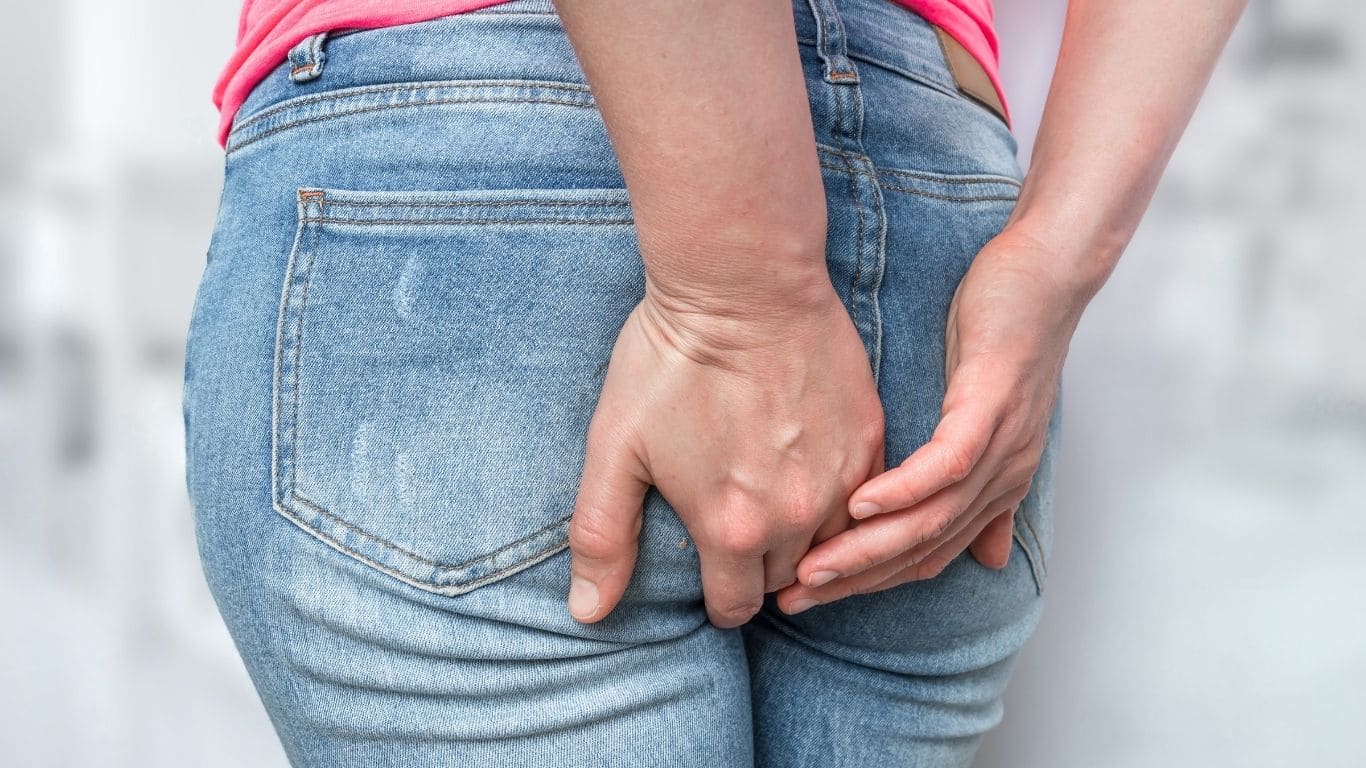
Hemorrhoids are swollen veins in the rectal or anal area. Anything that increases pressure during bowel movements or irritates the digestive tract can aggravate these veins. Diet directly influences stool consistency, bowel regularity, and inflammation levels—three critical factors in hemorrhoid symptoms.
Low-fiber foods tend to harden stools, making bowel movements painful and forcing you to strain. On the other hand, irritant foods may trigger diarrhea or frequent bowel movements, which can also worsen hemorrhoids. According to the Mayo Clinic, managing bowel habits through diet is a cornerstone of hemorrhoid relief and prevention.
If you’re unfamiliar with how diet fits into overall hemorrhoid management, the comprehensive overview in this hemorrhoids guide explains the condition, causes, and treatment options in detail.
Low-Fiber Foods to Limit or Avoid
Fiber adds bulk and softness to stool, making it easier to pass. When fiber intake is too low, stools become hard and dry—one of the main triggers for hemorrhoid flare-ups.
Refined Grains
White bread, white rice, regular pasta, and pastries are stripped of most of their fiber during processing. These refined carbohydrates slow digestion and contribute to constipation.
Limiting refined grains and choosing fiber-rich alternatives can make a noticeable difference. For a broader view on fiber’s role in relief, see our guide on high-fiber diets for hemorrhoids.
Processed Snack Foods
Chips, crackers, and packaged snack foods often combine low fiber with high salt and unhealthy fats. Excess sodium can lead to dehydration, which hardens stool and increases rectal strain.
Frequent consumption of these snacks not only worsens hemorrhoids but also interferes with healthy bowel habits overall.
Foods That Can Trigger Constipation
Some foods are naturally binding or slow down intestinal movement. While they aren’t problematic for everyone, they can worsen hemorrhoid symptoms if eaten in excess.
Red Meat
Beef, pork, and lamb are high in fat and low in fiber. They take longer to digest and may crowd out fiber-rich foods in your diet. This combination often leads to slower bowel movements and firmer stools.
Reducing red meat intake and focusing on plant-based protein sources can support easier digestion and reduce symptom severity.
Dairy Products
Cheese, whole milk, and ice cream may cause constipation in some people, especially those with mild lactose intolerance. Even without intolerance, dairy lacks fiber and can slow bowel regularity.
If dairy worsens your symptoms, limiting portions or switching to lactose-free alternatives may help.
Foods That May Cause Diarrhea or Irritation
While constipation often gets attention, diarrhea can be just as damaging to hemorrhoids. Frequent bowel movements irritate inflamed tissue and prevent healing.
Spicy Foods
Chili peppers, hot sauces, and spicy seasonings don’t cause hemorrhoids directly, but they can aggravate symptoms. Spicy compounds pass through the digestive system and may irritate already sensitive anal tissue during bowel movements.
If you notice burning or increased discomfort after eating spicy foods, it’s best to reduce or avoid them during flare-ups.
Caffeinated and Sugary Drinks
Coffee, energy drinks, and sugary sodas can stimulate bowel movements and contribute to dehydration. For some individuals, caffeine leads to loose stools, while dehydration hardens stool in others—both outcomes can worsen hemorrhoids.
Maintaining hydration is essential. If fluid intake is inconsistent, the advice in this hydration guide may help balance bowel movements naturally.
Alcohol and Hemorrhoid Symptoms
Alcohol acts as a diuretic, increasing fluid loss and raising the risk of dehydration. It can also irritate the digestive tract and promote inflammation, making hemorrhoid symptoms more pronounced.
Beer and spirits may also slow digestion and reduce nutrient absorption, indirectly affecting bowel health. Limiting alcohol—especially during flare-ups—often leads to noticeable symptom relief within days.
Ultra-Processed and Fried Foods
Fast food, fried meals, and packaged convenience foods combine low fiber with high fat. This combination delays stomach emptying and slows intestinal movement, increasing the likelihood of constipation.
In addition, these foods promote systemic inflammation, which may worsen swelling and discomfort in hemorrhoidal tissue.
Artificial Sweeteners andŻ Additives
Some artificial sweeteners, including sorbitol and mannitol, can cause digestive upset. While they may loosen stools in some people, they can also lead to gas, bloating, and frequent bowel movements that irritate hemorrhoids.
Reading labels and moderating intake of sugar-free products can help prevent unexpected flare-ups.
How Dietary Avoidance Fits Into Overall Hemorrhoid Care
Avoiding trigger foods doesn’t mean restriction for the sake of restriction. The goal is to reduce strain, irritation, and inflammation so the body can heal. Pairing avoidance strategies with healthier bowel habits creates lasting improvement.
If you’re recovering from active symptoms, combining dietary changes with supportive habits—like those covered in lifestyle-based hemorrhoid relief—can accelerate recovery and prevent recurrence.
For many people, symptoms improve within one to two weeks of dietary adjustments. Long-term consistency, however, is key to preventing future flare-ups.
Key Takeaways
Foods low in fiber, high in fat, spicy, or dehydrating can all worsen hemorrhoid symptoms in different ways. By identifying and reducing personal trigger foods, you lower strain during bowel movements and give irritated veins the chance to heal.
Dietary awareness, combined with proper hydration and lifestyle habits, forms one of the most effective non-invasive approaches to managing hemorrhoids. Over time, these changes not only ease discomfort but also reduce the likelihood of hemorrhoids returning.