
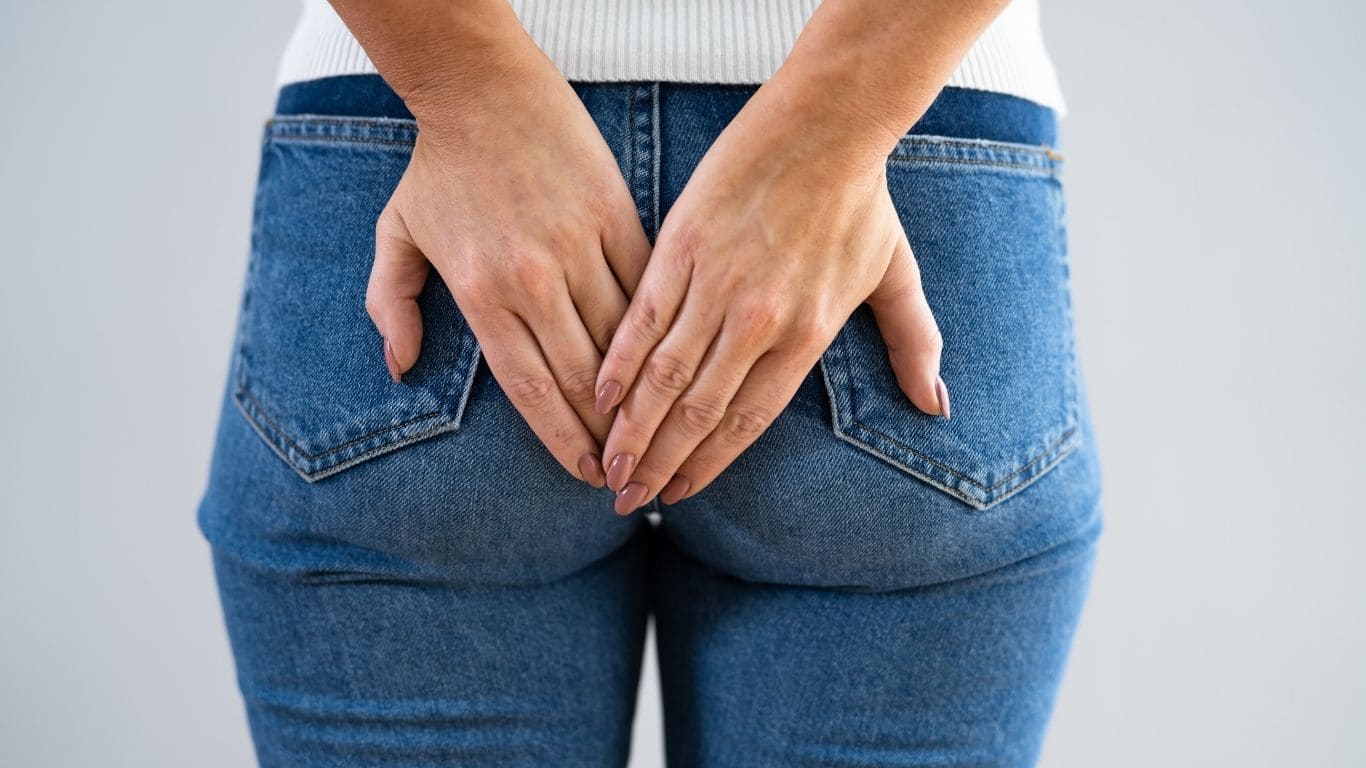
High Fiber Diet for Hemorrhoids That Relieves Pain Naturally
A high-fiber diet is one of the most effective, doctor-recommended ways to relieve hemorrhoid symptoms and prevent flare-ups from coming back. If you’re dealing with painful bowel movements, rectal bleeding, or recurring discomfort, adjusting what you eat can make a noticeable difference—often within days.
This guide explains how fiber works for hemorrhoids, how much you need, the best foods to eat, and how to increase fiber safely without making symptoms worse.

Why Fiber Is Essential for Hemorrhoid Relief
Hemorrhoids are closely linked to straining during bowel movements. When stools are hard or difficult to pass, pressure increases in the rectal veins, causing them to swell and become inflamed.
A high-fiber diet helps by:
- Softening stools so they pass more easily
- Increasing stool bulk, reducing the need to strain
- Promoting regular bowel movements
- Reducing irritation and bleeding of existing hemorrhoids
This dietary approach is strongly supported in clinical guidance for hemorrhoid management. According to the National Institutes of Health, increasing fiber intake is a first-line recommendation for preventing and treating hemorrhoids.
If you’re new to this condition, it helps to understand the bigger picture of what hemorrhoids are and how they develop at the main guide: hemorrhoids overview.
How Much Fiber Do You Need for Hemorrhoids?
Most adults consume far less fiber than recommended. For hemorrhoid prevention and symptom relief, general daily guidelines are:
- Women: 25–28 grams of fiber per day
- Men: 30–38 grams of fiber per day
However, if you currently eat a low-fiber diet, jumping straight to these amounts can lead to bloating and gas. A gradual increase over 7–14 days allows your digestive system to adapt.
Pairing fiber with proper hydration is critical. Without enough fluids, fiber can actually worsen constipation. Learn more about the role of fluids in bowel health here: hydration and water intake for hemorrhoids.
Best High-Fiber Foods for Hemorrhoids
Not all fiber-rich foods affect the body the same way. For hemorrhoids, a combination of soluble and insoluble fiber works best.
1. Whole Grains
Whole grains add bulk to stool and support regular bowel movements.
- Oats and oatmeal
- Brown rice
- Whole wheat bread and pasta
- Barley and quinoa
2. Fruits (With Skin When Possible)
Fruits provide fiber along with hydration and natural stool-softening effects.
- Apples and pears (with skin)
- Berries (raspberries, blackberries)
- Oranges
- Prunes and dried figs
3. Vegetables
Vegetables are low-calorie, fiber-dense, and gentle on digestion.
- Broccoli
- Carrots
- Spinach and leafy greens
- Brussels sprouts
4. Legumes
Legumes are among the highest-fiber foods available, but should be introduced slowly.
- Lentils
- Chickpeas
- Black beans
- Split peas
Fiber Supplements: Are They Necessary?
If meeting daily fiber goals through food alone is difficult, fiber supplements can help. These are often recommended for people with chronic constipation-related hemorrhoids.
Common options include:
- Psyllium husk
- Methylcellulose
- Wheat dextrin
Supplements should always be taken with plenty of water and started at a low dose. For a deeper breakdown, see: fiber supplements for hemorrhoids.

Foods That Can Worsen Hemorrhoids
While adding fiber is important, avoiding certain foods can also reduce flare-ups. Low-fiber and irritating foods often make symptoms worse.
- White bread and refined grains
- Fast food and fried foods
- Excess cheese and dairy
- Spicy foods (in sensitive individuals)
- Alcohol
Learn more about dietary triggers here: foods to avoid with hemorrhoids.
How to Increase Fiber Without Making Symptoms Worse
A common mistake is increasing fiber too quickly. This can lead to gas, bloating, or cramping—discouraging people from continuing.
Follow these tips for success:
- Increase fiber gradually over 1–2 weeks
- Drink at least 8–10 glasses of water daily
- Spread fiber intake throughout the day
- Listen to your body and adjust as needed
Combining a fiber-rich diet with proper bowel habits—such as not delaying bowel movements—adds extra protection. Read more about healthy routines at healthy bowel habits for hemorrhoids.
High-Fiber Diet vs Other Hemorrhoid Treatments
A high-fiber diet works best as a foundation for hemorrhoid care. It can significantly reduce symptoms on its own and enhance results when combined with other approaches.
For example, diet changes often complement strategies from home remedies for hemorrhoids and may reduce the need for medical procedures outlined in hemorrhoid treatments.
Severe or persistent symptoms—such as heavy bleeding or intense pain—should still be evaluated by a healthcare provider.
When to Expect Results
Many people notice softer stools within 2–3 days of increasing fiber intake. Symptom improvement often follows within one to two weeks, provided fiber intake remains consistent.
Long-term adherence is key. Returning to a low-fiber diet often leads to symptom recurrence, even after successful treatment.
Final Thoughts: Making Fiber a Daily Habit
A high-fiber diet is not just a temporary fix—it’s a long-term strategy for managing and preventing hemorrhoids. By focusing on whole foods, staying hydrated, and making gradual changes, you can significantly reduce discomfort and protect your digestive health.
For medically reviewed guidance on fiber and digestive health, see the National Institutes of Health resource on dietary fiber for gastrointestinal conditions.
When combined with healthy bowel habits and lifestyle changes, fiber remains one of the simplest yet most powerful tools for hemorrhoid relief.