
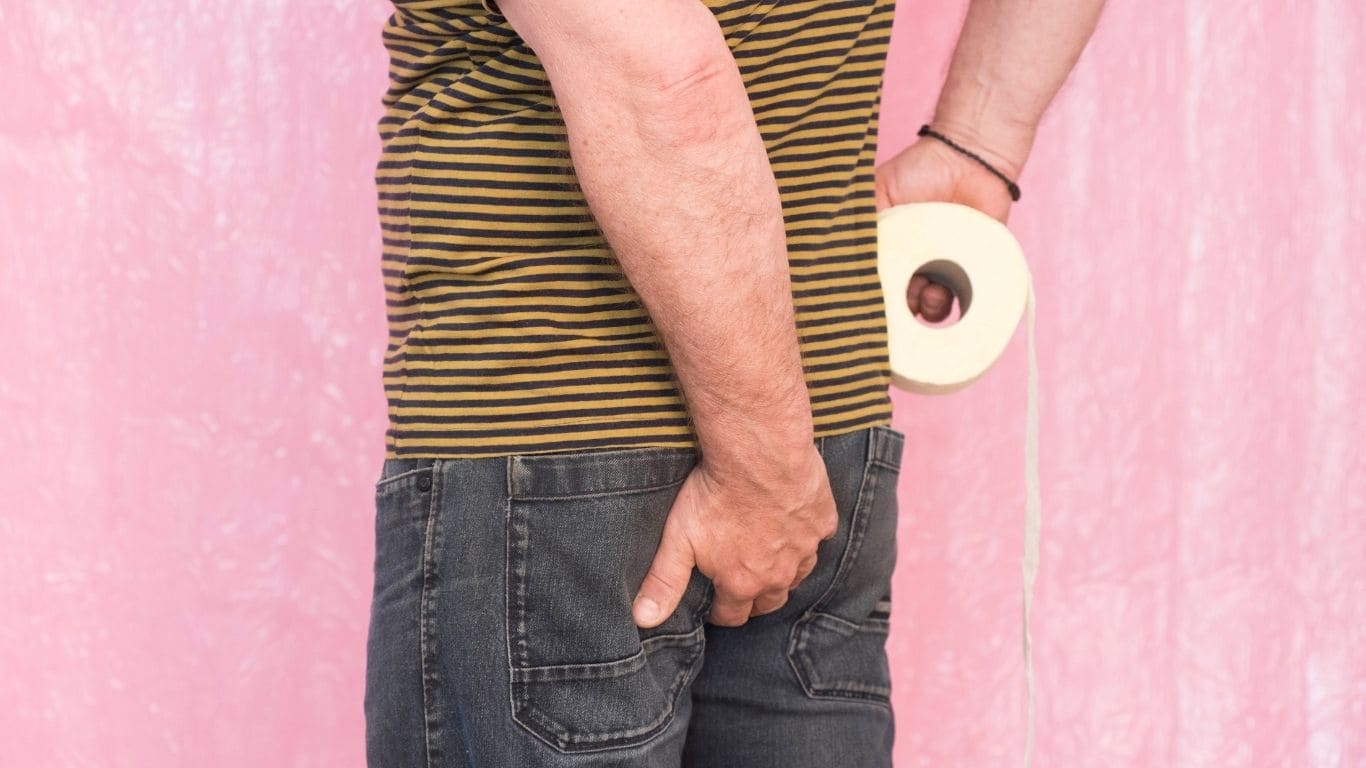
Hemorrhoids in Athletes: Causes, Risks, and Smart Prevention
Hemorrhoids are often associated with sedentary lifestyles, but athletes are not immune to this condition. In fact, certain types of training, physical strain, and lifestyle habits common among athletes can increase the risk of developing hemorrhoids. Understanding how hemorrhoids affect athletes is essential for early prevention, effective treatment, and long-term performance health.
Medically, hemorrhoids are swollen veins in the lower rectum or anus. They can be internal or external and may cause pain, itching, swelling, or bleeding. For athletes whose bodies are regularly pushed to the limit, unmanaged hemorrhoids can become a real obstacle to training consistency and comfort.
Why Athletes Are at Risk for Hemorrhoids
Although physical activity is generally beneficial for digestive health, specific athletic behaviors can place increased pressure on rectal veins. Heavy lifting, high-impact sports, prolonged cycling, and excessive straining during workouts all contribute to increased intra-abdominal pressure.
Strength athletes such as weightlifters and powerlifters are particularly vulnerable when improper breathing techniques—like holding the breath during exertion—are used. This practice, known as the Valsalva maneuver, can significantly elevate venous pressure and promote hemorrhoid formation. These risks are associated with broader factors outlined in common causes of hemorrhoids, but they are amplified in athletic populations.
Endurance athletes may also be at risk due to dehydration. Inadequate fluid intake can lead to hard stools and constipation, resulting in straining during bowel movements. Over time, this repeated strain can inflame hemorrhoidal tissue.
Common Symptoms Athletes May Notice
Symptoms of hemorrhoids in athletes are similar to those in the general population, but they may be noticed earlier due to heightened body awareness. Common signs include rectal itching, soreness when sitting, swelling near the anus, or bright red blood after bowel movements.
External hemorrhoids can cause sharp pain during movement or exercise, making activities like cycling or running uncomfortable. Internal hemorrhoids may go unnoticed initially but can lead to bleeding without pain. Recognizing early warning signs described in the broader hemorrhoids symptoms guide is key to preventing progression and complications.
Training Habits That Can Worsen Hemorrhoids
Certain training routines can exacerbate hemorrhoids if preventive measures are not taken. Prolonged sitting on hard bicycle saddles, repeated squatting under heavy loads, and abdominal bracing without proper breath control can all increase strain in the anorectal region.
Athletes following restrictive diets for performance or weight control may also unknowingly reduce their fiber intake. Low-fiber diets contribute to constipation, compounding the risk. Addressing dietary habits is discussed more thoroughly in strategies like high-fiber nutrition for hemorrhoid prevention.
Treatment Options for Athletes
Fortunately, most hemorrhoids can be managed effectively with conservative treatment. Athletes should focus on reducing inflammation while allowing the affected area to heal without interrupting training entirely.
Over-the-counter topical treatments, including anti-inflammatory creams and soothing agents, can ease discomfort. Warm sitz baths after training sessions help relax anal muscles and improve circulation. These approaches align with remedies found in natural hemorrhoid relief options, which are often athlete-friendly and non-invasive.
In more persistent cases, medical interventions such as minimally invasive procedures may be necessary. According to the Mayo Clinic, procedures like rubber band ligation can effectively treat internal hemorrhoids when conservative methods fail.
Safe Training Modifications During Recovery
One common concern among athletes is whether they need to stop training entirely. In most mild to moderate cases, full rest is unnecessary. However, temporary adjustments can reduce irritation and prevent worsening symptoms.
Replacing heavy lifting sessions with lighter loads, incorporating proper breathing techniques, and avoiding prolonged sitting after workouts can significantly support healing. Cycling athletes may benefit from padded shorts and ergonomic saddles to minimize direct pressure.
Listening to the body is critical. Ignoring pain or bleeding can lead to complications such as thrombosed hemorrhoids or chronic prolapse, conditions covered under hemorrhoid complications.
Prevention Strategies for Long-Term Athletic Health
Prevention is particularly important for athletes, as recurring hemorrhoids can repeatedly disrupt training cycles. Hydration should be a top priority, especially for endurance athletes who lose significant fluids through sweat.
Incorporating adequate dietary fiber from whole grains, fruits, and vegetables helps ensure regular bowel movements without straining. Establishing consistent bathroom routines and avoiding delaying bowel movements further protects rectal veins.
Proper lifting form and breathing techniques cannot be overstated. Exhaling during exertion reduces pressure spikes, protecting not just the rectum but overall cardiovascular health.

When Athletes Should Seek Medical Care
While many cases resolve on their own, athletes should consult a healthcare professional if symptoms persist beyond a week, worsen, or are accompanied by severe pain or heavy bleeding. Persistent rectal bleeding should always be evaluated to rule out other conditions.
Medical guidance ensures appropriate diagnosis and treatment while allowing athletes to maintain performance safely. This proactive approach supports both short-term recovery and long-term athletic longevity.
Conclusion
Hemorrhoids in athletes are more common than many realize, often driven by intense training, dietary habits, and physical strain. By understanding the risks, recognizing early symptoms, and applying targeted treatment and prevention strategies, athletes can manage hemorrhoids effectively without sacrificing performance.
Addressing hemorrhoids promptly not only protects physical comfort but also supports consistent training and overall well-being. With the right knowledge and habits, athletes can stay competitive while safeguarding their digestive and rectal health.