
Postpartum Hemorrhoids Relief After Childbirth
Postpartum hemorrhoids are an uncomfortable but extremely common issue many women face after giving birth. While pregnancy itself increases the risk, the strain of labor and delivery often becomes the final trigger. For new mothers already coping with physical recovery, hormonal changes, and lack of sleep, hemorrhoids can add unnecessary stress and discomfort.
The good news is that postpartum hemorrhoids are usually temporary and manageable. With the right care, lifestyle adjustments, and gentle treatments, most women experience significant improvement within weeks. This guide explains why postpartum hemorrhoids occur, how to recognize them early, and what you can realistically do to heal while caring for a newborn.
Why Hemorrhoids Are Common After Childbirth
Hemorrhoids are swollen veins in the rectal or anal area, similar to varicose veins. During pregnancy, the growing uterus places pressure on pelvic veins, slowing blood return from the lower body. This pressure makes veins more likely to swell, especially near the rectum.
During vaginal delivery, intense pushing significantly increases abdominal pressure. This strain can cause existing hemorrhoids to worsen or new ones to develop. Even women who never had hemorrhoids during pregnancy may experience them postpartum.
Key Risk Factors in the Postpartum Period
Several factors increase the likelihood of hemorrhoids after delivery:
- Prolonged pushing during labor
- Constipation after childbirth
- Dehydration, especially with breastfeeding
- Hormonal changes that slow digestion
- Reduced mobility in the first days post-delivery
Women who experienced hemorrhoids during pregnancy or have a history of chronic constipation are at even higher risk. These factors closely align with other recognized hemorrhoids causes, but postpartum recovery presents its own unique challenges.
Common Symptoms of Postpartum Hemorrhoids
Postpartum hemorrhoids may be internal or external, and symptoms vary depending on severity. Many women notice discomfort within the first week after delivery, but symptoms can also appear later as bowel habits change.
Typical Signs to Watch For
Common symptoms include:
- Pain or soreness around the anus
- Itching or irritation
- Swelling or a small lump near the anal opening
- Bright red blood during bowel movements
- Discomfort when sitting for extended periods
It’s normal to worry about postpartum bleeding, but hemorrhoid-related bleeding is usually bright red and associated with bowel movements. Understanding the difference between hemorrhoids and what’s normal postpartum recovery is important. If you’re unsure, comparing symptoms with general hemorrhoid symptoms can provide clarity.
Safe and Effective Relief Options for New Mothers
The primary goal of treatment is to reduce swelling, ease pain, and prevent constipation—all while ensuring safety for breastfeeding mothers. Most postpartum hemorrhoids improve with conservative home care.
Gentle Home Remedies
Several non-invasive remedies are especially helpful during postpartum recovery:
- Warm sitz baths help relax the anal muscles and increase blood flow for healing. Using warm water for 10–15 minutes a few times daily can significantly reduce discomfort.
- Cold compresses or ice packs wrapped in a cloth can reduce swelling and numb the area temporarily. These methods are widely recommended among hemorrhoids home remedies, especially in the early postpartum period.
- Witch hazel pads are commonly used by postpartum women to reduce inflammation and soothe irritation. They are generally safe and easy to apply after bowel movements.
Over-the-Counter Treatments
Many hemorrhoid creams and suppositories are safe for short-term use after childbirth, but breastfeeding mothers should always check ingredient labels. Products with local anesthetics or low-dose hydrocortisone may provide relief but should be used sparingly.
If symptoms persist or worsen, medical providers may suggest additional hemorrhoids treatments tailored to postpartum recovery.
Preventing Constipation During Postpartum Recovery
Constipation is one of the biggest obstacles to healing postpartum hemorrhoids. Fear of pain can also cause women to delay bowel movements, worsening the condition.
Dietary Strategies That Support Healing
A fiber-rich diet remains one of the most effective prevention tools. Foods such as fruits, vegetables, whole grains, and legumes help soften stools and reduce straining.
Adequate hydration is equally important, particularly for breastfeeding mothers who lose extra fluids daily. Drinking plenty of water supports digestion and stool consistency.
These strategies are consistent with long-term guidance found in high-fiber diet recommendations for hemorrhoids prevention.
Healthy Bowel Habits
Listening to your body and responding promptly to the urge to have a bowel movement can prevent stool hardening. Avoid prolonged sitting on the toilet, which increases rectal pressure.
Gentle physical activity, such as short walks, helps stimulate digestion and reduce pelvic congestion during recovery.
When to See a Doctor
Most postpartum hemorrhoids resolve within a few weeks with proper care. However, medical evaluation is necessary if symptoms become severe or persistent.
Contact a healthcare provider if you experience:
- Heavy or ongoing rectal bleeding
- Severe pain unresponsive to home care
- Signs of infection such as fever or increasing redness
- Symptoms lasting longer than six weeks
In rare cases, advanced procedures may be required, although this is uncommon in postpartum patients. According to the Mayo Clinic, medical treatments are highly effective when conservative measures fail, especially when addressed early (Mayo Clinic – Hemorrhoids Overview).
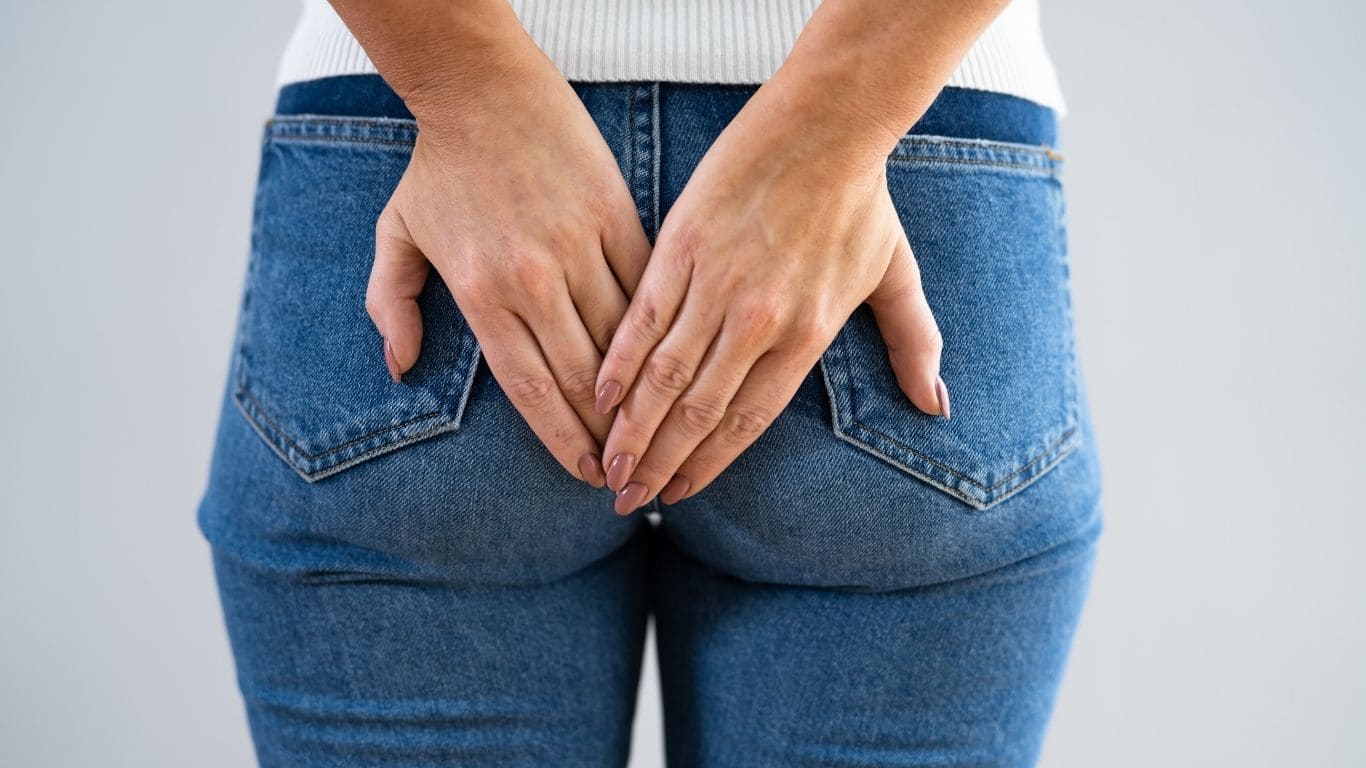
Emotional and Physical Recovery Matters
It’s important to remember that postpartum hemorrhoids are not a reflection of poor health or inadequate care. They are a normal consequence of pregnancy and childbirth for many women.
Prioritizing self-care—even in small ways—supports both physical healing and mental well-being. Addressing hemorrhoids early allows you to focus your energy on bonding with your baby rather than coping with unnecessary discomfort.
With patience, proper routine care, and awareness of when to seek help, postpartum hemorrhoids are a manageable and temporary part of postpartum recovery.