

Understanding Hemorrhoid Symptoms: What They Mean & When to Worry
Hemorrhoids are a common anorectal condition, yet many people struggle to recognize the symptoms early. Understanding how hemorrhoid symptoms appear—and what they mean—can help you take action sooner, reduce discomfort, and prevent complications. This guide breaks down every major symptom associated with hemorrhoids in a clear, medically reliable, and easy-to-understand way.
Hemorrhoid symptoms can vary widely depending on whether they are internal or external, their severity, and whether complications like thrombosis or prolapse are present. If you’re exploring symptoms to better understand your condition, it’s also helpful to review a general overview of hemorrhoids on the main hemorrhoids pillar page for deeper context.
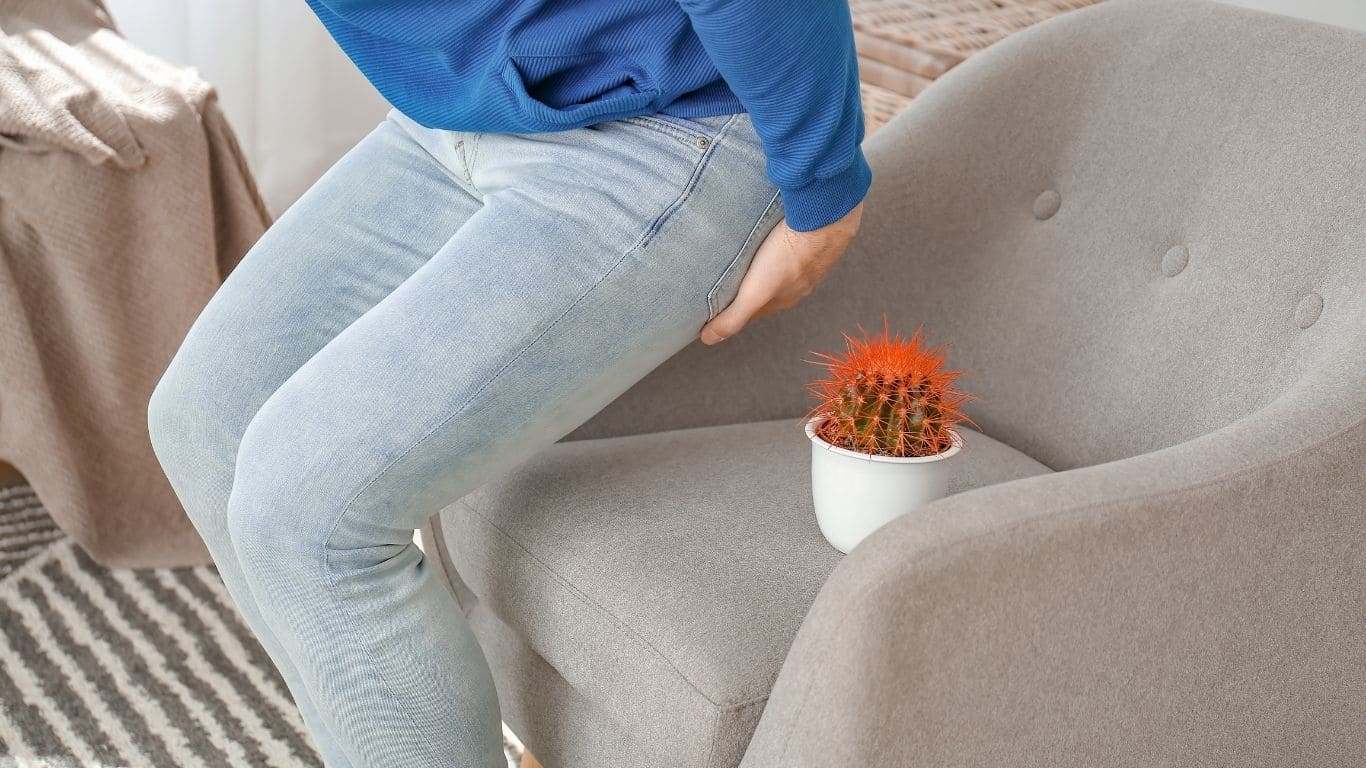
Why Recognizing Hemorrhoid Symptoms Matters
Symptoms are more than discomfort—they are your body’s way of alerting you that swelling, inflammation, or vascular stress is occurring around the rectal area. Early recognition can prevent complications, including severe bleeding, prolapse, or infection.
Hemorrhoid symptoms also overlap with many other conditions such as anal fissures, infections, polyps, or even colorectal cancer. This makes symptom awareness critical. You can read more about these distinctions in the related guide on hemorrhoids vs other conditions.
Common Symptoms of Hemorrhoids
1. Rectal Bleeding
Bright red blood on toilet paper, in the bowl, or coating the stool is one of the most recognized symptoms of hemorrhoids. Internal hemorrhoids, in particular, often bleed painlessly because they lack pain receptors. If bleeding becomes persistent or heavy, it’s important to seek medical attention.

For more detailed causes and evaluation guidance, read the subcluster article on rectal bleeding from hemorrhoids.
2. Pain or Discomfort
Pain varies dramatically depending on the type of hemorrhoid. While internal hemorrhoids rarely cause pain unless they prolapse, external hemorrhoids or thrombosed hemorrhoids can cause intense, sharp, or throbbing pain. Pain may worsen when sitting, walking, or having a bowel movement.
You can explore this symptom more deeply in the dedicated guide on hemorrhoid pain.
3. Itching and Irritation
Itching (pruritus ani) is caused by inflammation, mucus leakage, or irritation around the anal opening. This is typically linked to external hemorrhoids or prolapsed internal hemorrhoids. Excessive wiping can worsen irritation, creating a cycle of discomfort.

4. A Lump or Swelling Around the Anus
One of the hallmark symptoms of external hemorrhoids is a noticeable lump near the anal opening. This lump may feel soft or firm and can become extremely painful if a clot forms inside it (thrombosed hemorrhoid). Internal hemorrhoids can also create a lump when they prolapse externally.
5. Mucus Discharge
Prolapsed internal hemorrhoids can produce mucus, leading to moisture, irritation, or soiling of underwear. This symptom may also increase the risk of itching or infection if not managed properly. More deeply in the dedicated guide on mucus discharge.
6. Feeling of Incomplete Evacuation
Some patients report a sensation that the bowel movement isn’t complete. This feeling is often caused by swollen internal hemorrhoids obstructing the rectal canal or by the irritation they provoke around the anal lining.
7. Prolapse or Bulging Hemorrhoids
Internal hemorrhoids may extend outward during bowel movements and retract afterward. In more severe cases, they may remain outside and require manual reduction. Prolapse can be painless or extremely uncomfortable depending on inflammation and swelling.

When Hemorrhoid Symptoms Indicate Something Serious
Although hemorrhoids are generally not dangerous, certain symptoms require urgent medical evaluation. Heavy bleeding, severe pain that begins suddenly, signs of infection, or an irreducible prolapse may point to a complication such as strangulated hemorrhoids or infection.
If bleeding is persistent or accompanied by weight loss, fatigue, or changes in bowel habits, contact a healthcare provider. The Mayo Clinic provides additional medical guidance on when to seek care.
What Causes Hemorrhoid Symptoms to Worsen?
Symptoms tend to intensify under certain conditions, including:
- Straining during bowel movements
- Sitting on the toilet for long periods
- Chronic constipation or diarrhea
- Pregnancy-related pressure
- Heavy lifting
- Obesity and sedentary lifestyle
To better understand these triggers, you may find it helpful to explore the related cluster on hemorrhoid causes and risk factors.
How Hemorrhoid Symptoms Are Diagnosed
Diagnosis typically begins with a visual examination, followed by a digital rectal exam. For internal hemorrhoids, a specialist may use anoscopy to visualize the hemorrhoidal tissue inside the rectum. Diagnosis helps distinguish hemorrhoids from fissures, infections, polyps, or inflammatory bowel disease.
Because symptoms overlap with other conditions, clinicians take a step-by-step approach to rule out serious underlying causes. Accurate diagnosis ensures effective, personalized treatment.
Managing Symptoms Before They Get Worse
Early management can significantly reduce discomfort and prevent complications. Some of the most effective strategies include:
- Increasing dietary fiber and water intake
- Using warm sitz baths
- Applying anti-inflammatory remedies such as witch hazel
- Avoiding straining or prolonged sitting
- Improving bowel habits and responding promptly to the urge to defecate
Many people find quick relief through home-based remedies. For further guidance, explore the linked resource on the home remedies for hemorrhoids cluster.
Final Thoughts
Hemorrhoid symptoms can range from mild irritation to significant pain, bleeding, and prolapse. By understanding what each symptom means, you can take steps to relieve discomfort and prevent worsening. Whether you are looking for home remedies, professional treatments, or preventive strategies, recognizing the early signs is the first step toward managing this condition effectively.
If symptoms persist or worsen, consult a medical professional for a proper diagnosis and personalized treatment plan.