
Hemorrhoids and Mucus Discharge: Causes, Symptoms, and When to Worry
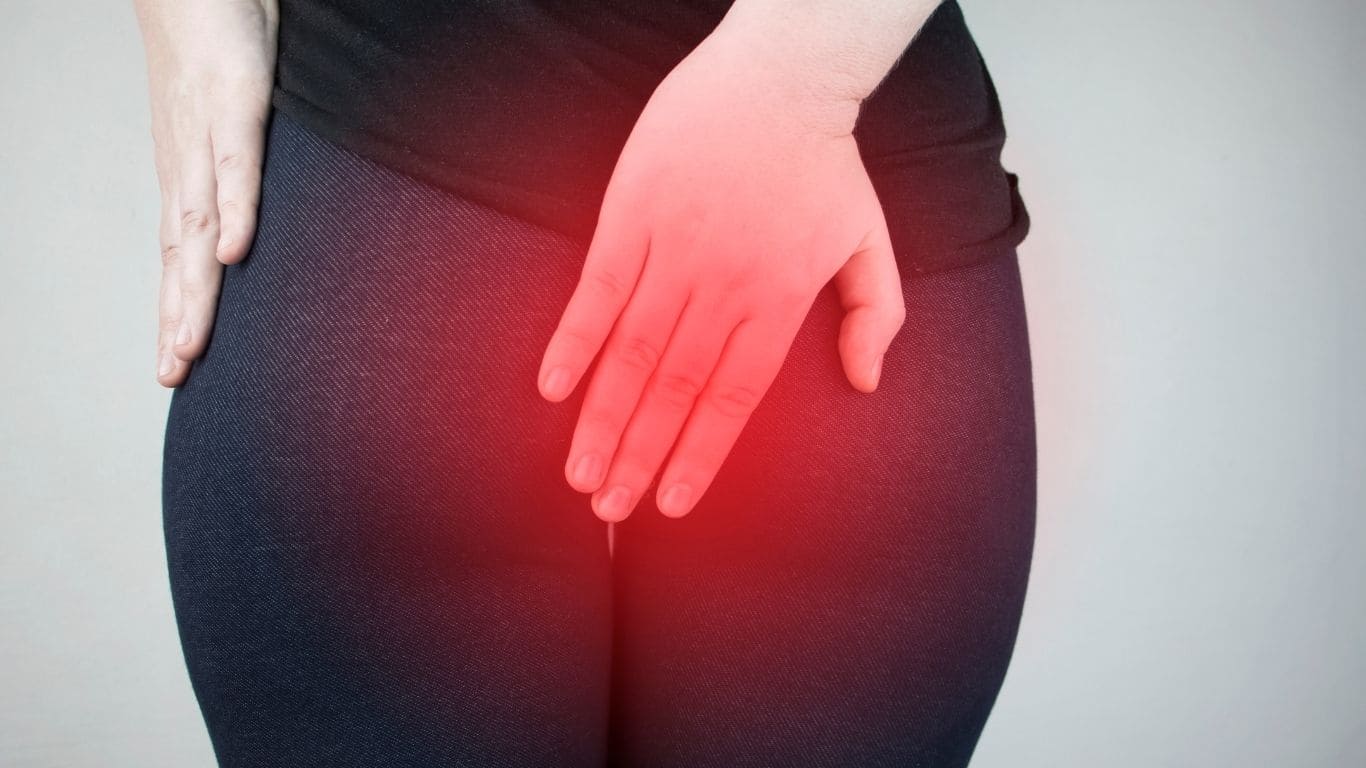
Mucus discharge is a lesser-known but surprisingly common symptom of hemorrhoids. While many people associate hemorrhoids with pain, itching, or bleeding, noticing a sticky or watery mucus around the anal area can be just as uncomfortable—and sometimes alarming. This guide explains why hemorrhoids can cause mucus, how to identify it, and when it may signal a condition beyond hemorrhoids.
If you’re experiencing mucus discharge, understanding the underlying mechanism can help you take appropriate steps toward relief. This symptom is closely tied to irritation, inflammation, and in some cases prolapse of the affected tissue. Before exploring other causes, it’s important to remember that mucus discharge is a recognized symptom within the overall picture of hemorrhoid symptoms, and it often improves with proper treatment and care.
Why Hemorrhoids Can Cause Mucus Discharge
The anal canal naturally contains glands that produce mucus to aid smooth bowel movements. When hemorrhoids—especially internal or prolapsed ones—become irritated or swollen, they can trigger excess mucus production. This mucus may exit the anus and appear on toilet paper, underwear, or after passing stool.
In many cases, the discharge is related to internal hemorrhoids that protrude (prolapse) outside the anus. When this happens, the exposed tissue continues secreting mucus because it is no longer protected by the anal canal. This can mix with stool or cause a slimy sensation even without a bowel movement.
Mucus discharge may also accompany other hemorrhoid symptoms. For example, individuals experiencing hemorrhoid itching and irritation often report mucus as well, since inflammation stimulates the mucous glands to overproduce.
How to Identify Hemorrhoid-Related Mucus Discharge
Mucus from hemorrhoids has several recognizable characteristics. It is often:
- Clear, yellowish, or slightly cloudy
- Sticky or slippery in texture
- More noticeable after bowel movements
- Accompanied by mild irritation or itching
Some people also notice mucus mixed with small amounts of blood. This can occur when swollen hemorrhoidal tissue becomes irritated during wiping or straining. While this is usually not dangerous, significant or persistent bleeding should always be evaluated by a healthcare provider.
If the mucus discharge is accompanied by a painful lump, this may indicate another symptom such as a lump around the anus, which often occurs with external swelling or prolapse. Though uncomfortable, these symptoms commonly improve with conservative care.
Other Symptoms That May Occur With Mucus Discharge
Mucus discharge is rarely the only sign of hemorrhoids. Most individuals experience at least one of the following symptoms:
- Anal itching or irritation
- A feeling of incomplete evacuation
- Rectal bleeding during bowel movements
- Soft tissue bulging around the anus
- Pain while sitting or passing stool
However, mucus associated with hemorrhoids is typically mild and not foul-smelling. Strong odor, persistent wetness, or thick discharge may indicate a different condition entirely—something we will discuss later in this guide.
Common Triggers That Worsen Mucus Discharge
Several lifestyle habits and physiological factors can increase mucus production in people with hemorrhoids. These include:
- Straining during bowel movements, which pushes internal hemorrhoids outward
- Prolonged sitting, especially on the toilet
- Chronic constipation or hard stools
- Diarrhea, which irritates hemorrhoidal tissue
- Heavy lifting or frequent pressure on the pelvic floor
When hemorrhoids swell or become prolapsed due to these triggers, mucus secretion tends to increase. Addressing the underlying cause often leads to rapid improvement.
When Mucus Discharge May NOT Be From Hemorrhoids
While hemorrhoids are a common source of anal mucus, they are not the only possibility. If your symptoms seem unusual, severe, or persistent, your doctor may want to rule out other causes. These include:
- Anal fissures
- Infections
- Inflammatory bowel disease (IBD)
- Ulcerative colitis
- Rectal prolapse
- Irritable bowel syndrome (IBS)
If symptoms feel similar to hemorrhoids but do not respond to standard treatment, reading about hemorrhoids vs. other conditions can help clarify what to look out for before seeing a professional.
How to Manage and Reduce Mucus Discharge
The good news is that most cases of hemorrhoid-related mucus discharge improve with simple home measures. To reduce mucus production and irritation, try incorporating some of the following:
1. Improve Bowel Habits
Healthy bowel habits play a major role in relieving mucus discharge. Avoid straining, respond promptly to the urge to defecate, and consider adding fiber-rich foods to soften stools. This helps reduce pressure on hemorrhoidal tissue.
2. Warm Sitz Baths
Sitting in warm water for 10–15 minutes can soothe inflammation and shrink swollen tissue, which reduces mucus production. This is one of the most effective at-home remedies for managing symptoms naturally.
3. Increase Fiber and Hydration
Fiber and water help regulate bowel movements and reduce both constipation and diarrhea. A well-hydrated digestive tract also decreases irritation that leads to mucus discharge.
4. Use Over-the-Counter Treatments
Creams and ointments designed for hemorrhoids can reduce inflammation around the anus. Products containing hydrocortisone or witch hazel may also reduce irritation and excess mucus.
When to See a Doctor
Mucus discharge from hemorrhoids is usually harmless, but certain signs mean you should seek medical attention. Contact a healthcare provider if you experience:
- A sudden increase in discharge
- Strong odor or pus-like mucus
- Significant bleeding
- Severe anal pain
- Bulging tissue that does not go back inside
- Symptoms lasting more than two weeks
Some of these could indicate a more serious condition that requires medical evaluation. While mild discharge is common, persistent or unusual symptoms deserve a professional assessment.
Final Thoughts
Mucus discharge can be uncomfortable, but it’s often a normal part of hemorrhoids—especially internal or prolapsed ones. Most cases improve with simple adjustments to bowel habits, increased fiber intake, and targeted treatments that reduce inflammation. Understanding this symptom helps reduce anxiety and ensures you take the right steps toward relief.
For comprehensive information about other related symptoms, you can also review the main hemorrhoids pillar page to improve your understanding and management options.
Reference: Mayo Clinic – Hemorrhoids Overview