

Grade 1 Hemorrhoids: Early Symptoms, Causes, and Effective Management
Hemorrhoids are swollen veins in the rectal and anal area that can cause discomfort, itching, and bleeding. Among the different types, Grade 1 hemorrhoids are the earliest stage and often go unnoticed because the symptoms are mild. Understanding this stage is crucial for preventing progression and managing symptoms effectively. This article will cover the signs, causes, treatments, and preventive measures specific to Grade 1 hemorrhoids, as well as practical lifestyle tips for long-term relief.
Understanding Grade 1 Hemorrhoids
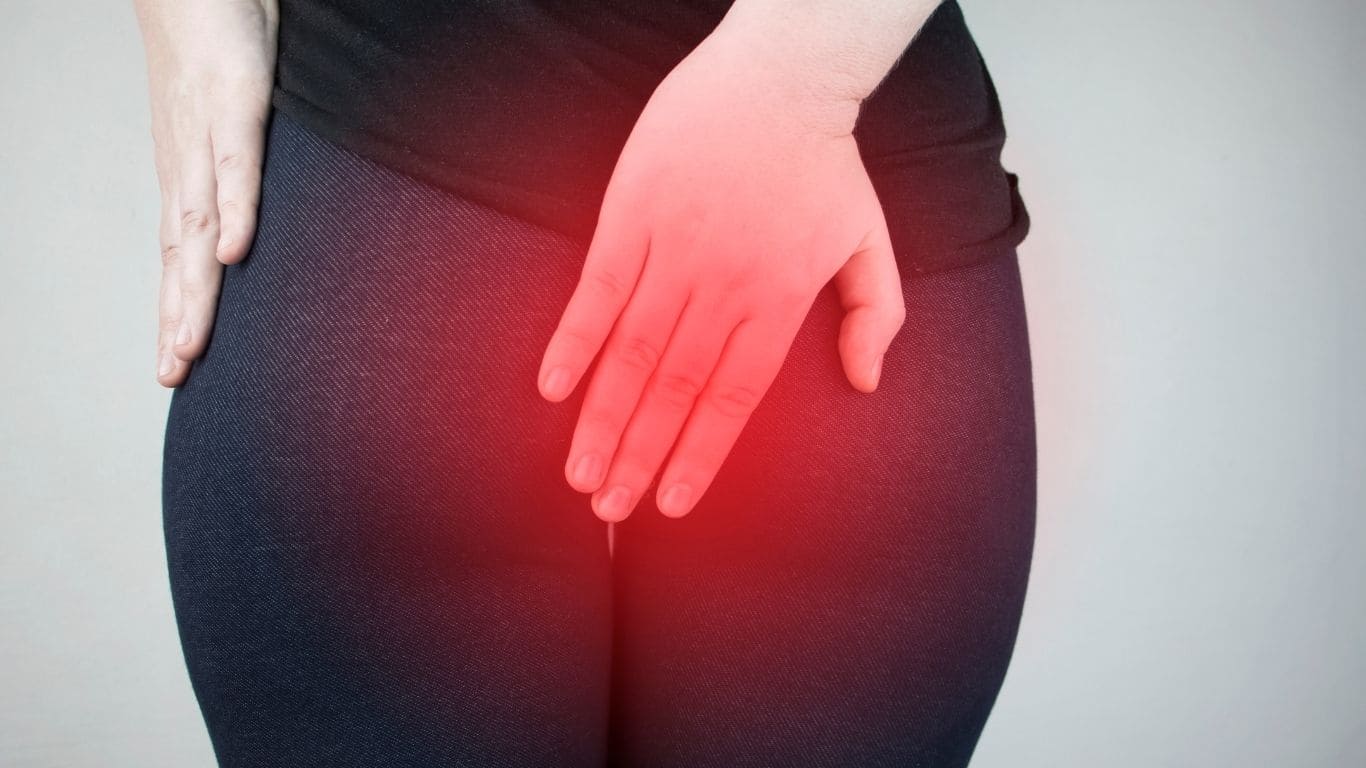
Grade 1 hemorrhoids are internal hemorrhoids that remain inside the rectum and do not prolapse outside the anus. They are typically small, non-painful, and often discovered during routine examinations or when minor bleeding occurs during bowel movements. Despite their mild nature, early attention is important to prevent worsening to Grade 2 or higher, which can lead to prolapse or severe discomfort.
These early-stage hemorrhoids are primarily caused by increased pressure in the veins of the rectum. While some individuals may experience minimal discomfort, others may notice intermittent symptoms that can affect daily activities if left unmanaged.
For a comprehensive overview of hemorrhoid types, see our Types of Hemorrhoids page, which details the full spectrum from internal to thrombosed and prolapsed hemorrhoids.
Common Symptoms of Grade 1 Hemorrhoids
Although often asymptomatic, some individuals may notice mild signs including:
- Minor rectal bleeding: Small amounts of bright red blood on toilet paper or in the toilet bowl, usually noticed after straining.
- Mild itching or irritation: Slight discomfort in the anal area caused by inflamed veins or mucus discharge.
- Occasional discomfort or fullness: Sensation of fullness in the rectum after bowel movements, which may worsen after prolonged sitting.
- Feeling of incomplete evacuation: Some individuals report a mild pressure or the need to pass stool repeatedly.
Recognizing these early symptoms is key to preventing progression. Many people ignore Grade 1 hemorrhoids because the discomfort is minor, but early intervention can reduce the risk of more severe stages.
Causes and Risk Factors
Grade 1 hemorrhoids develop due to increased pressure on the rectal veins. Common contributors include:
- Constipation and straining: Frequent straining during bowel movements is one of the leading causes of hemorrhoids.
- Low-fiber diet: Insufficient fiber leads to hard stools, increasing pressure during defecation.
- Pregnancy: Hormonal changes and increased abdominal pressure can trigger early hemorrhoid formation.
- Prolonged sitting: Long periods of sitting, especially on the toilet or at a desk, put extra pressure on anal veins.
- Obesity: Excess body weight increases pressure in the pelvic area, contributing to hemorrhoid development.
- Heavy lifting: Frequent lifting of heavy objects may elevate intra-abdominal pressure, aggravating veins in the rectum.
Understanding these causes is essential for both treatment and prevention. By addressing these risk factors early, individuals can prevent progression to higher-grade hemorrhoids.
Diagnosis of Grade 1 Hemorrhoids
Grade 1 hemorrhoids are generally diagnosed through a physical examination or a digital rectal exam. In some cases, a proctoscopy or anoscopy may be recommended to visualize internal hemorrhoids clearly. Early diagnosis is important to rule out other conditions such as anal fissures, polyps, or colorectal diseases.
For more details on hemorrhoid symptoms and diagnosis, visit our Symptoms & Diagnosis cluster, which covers bleeding, pain, and differential diagnosis.
Effective Home Management Strategies
Most Grade 1 hemorrhoids respond well to conservative home care. Some effective strategies include:
- High-fiber diet: Incorporate fruits, vegetables, legumes, and whole grains to soften stools and reduce straining.
- Hydration: Drink at least 8 glasses of water daily to prevent constipation and support healthy bowel function.
- Avoid prolonged sitting: Take breaks and move regularly to relieve pressure on the anal veins.
- Sitz baths: Soak the anal area in warm water for 10–15 minutes, 2–3 times a day, to soothe inflammation and improve blood circulation.
- Topical treatments: Over-the-counter creams containing witch hazel or aloe vera can reduce itching and inflammation safely.
- Gentle hygiene: Use unscented wipes or mild soap and water instead of harsh toilet paper to avoid irritation.
For additional home remedies, see Home Remedies for Hemorrhoids, including natural options like aloe vera, coconut oil, and warm sitz baths.
Lifestyle Adjustments & Daily Routine Tips
Integrating simple lifestyle adjustments can significantly improve symptoms and prevent recurrence:
- Maintain a regular bowel schedule, avoiding prolonged straining or rushing.
- Use a small footstool to elevate feet slightly during bowel movements to reduce anal strain.
- Engage in moderate exercise such as walking or yoga to enhance circulation and reduce abdominal pressure.
- Avoid lifting heavy objects unnecessarily and practice proper lifting techniques when needed.
- Wear loose-fitting, breathable clothing to prevent moisture buildup and irritation.
When to Seek Medical Attention
Although Grade 1 hemorrhoids are mild, medical evaluation is warranted if you experience:
- Persistent bleeding or blood in stools
- Severe pain or discomfort
- Symptoms lasting more than a week despite home care
- Rapid enlargement or sudden prolapse of hemorrhoids
Medical treatments may include topical medications, minimally invasive procedures, or lifestyle counseling. For more information on professional options, visit our Medical Treatments cluster.
Preventive Measures
Prevention focuses on reducing pressure on the anal veins and promoting healthy bowel habits:
- Maintain a fiber-rich diet and adequate hydration
- Exercise regularly to improve circulation
- Avoid prolonged sitting and straining during bowel movements
- Use a stool softener if recommended by a healthcare provider
- Follow proper toilet posture and avoid prolonged sitting on the toilet
Following these measures not only prevents progression of Grade 1 hemorrhoids but also supports long-term rectal and anal health. Learn more about preventive diets and habits at Diet & Prevention.
Related Subclusters to Explore
For additional information on related types of hemorrhoids, see:
Conclusion
Grade 1 hemorrhoids are an early and manageable stage of hemorrhoidal disease. With timely recognition, proper home care, lifestyle adjustments, and preventive measures, most individuals can avoid progression and relieve symptoms effectively. Regular monitoring, dietary adjustments, exercise, and professional guidance when necessary ensure long-term anal health.
For a complete overview of hemorrhoids and advanced stages, visit our main Hemorrhoids Pillar Page.
External Authority Reference: Mayo Clinic: Hemorrhoids Overview