Hidden Dangers of Osteoporosis-Related Back Pain You Shouldn’t Ignore
Back pain used to be something I associated with bad posture or maybe lifting something too heavy at the gym. But then I watched my aunt, an otherwise active woman in her 60s, start struggling with back pain that just wouldn’t quit. It wasn’t the usual muscle strain—it was something deeper, persistent, and confusing. After several doctor visits, she was diagnosed with osteoporosis. That’s when I realized how overlooked osteoporosis-related back pain really is.
Understanding Osteoporosis-Related Back Pain
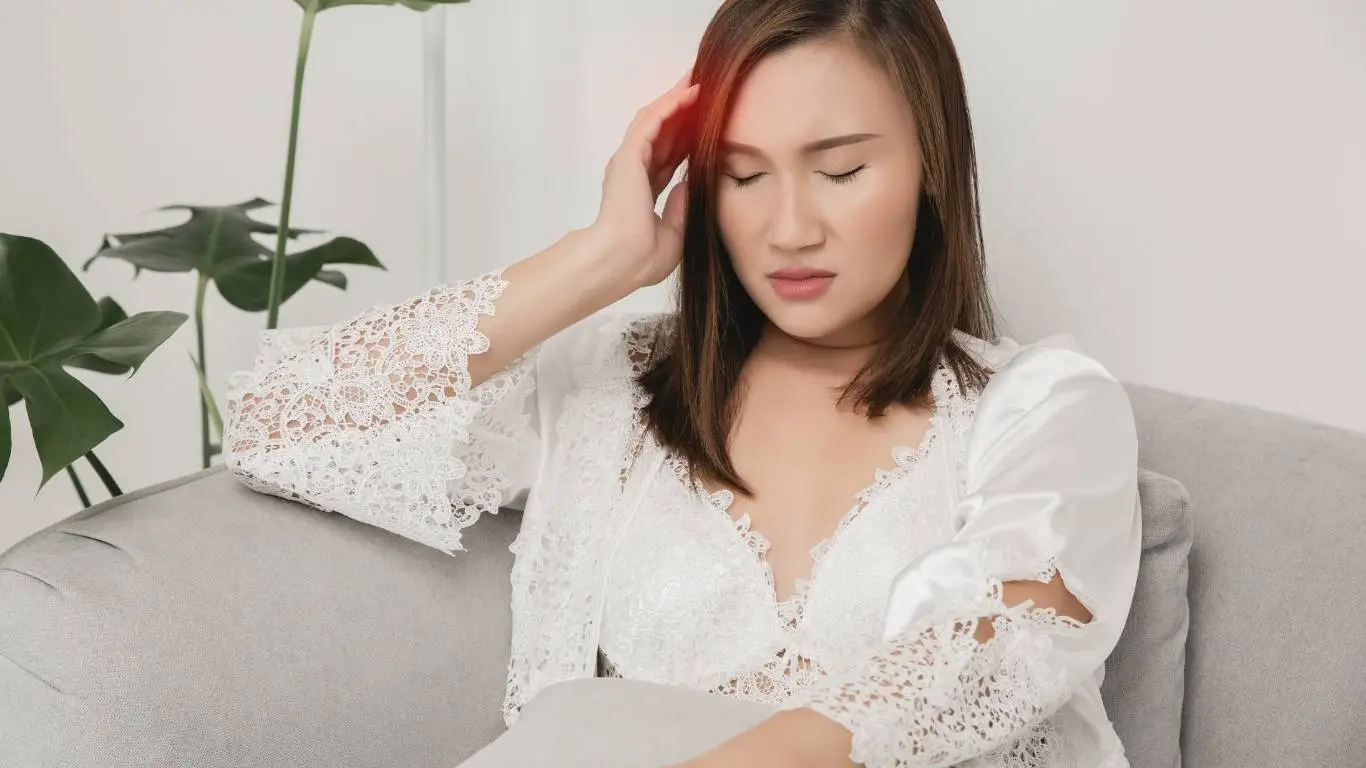
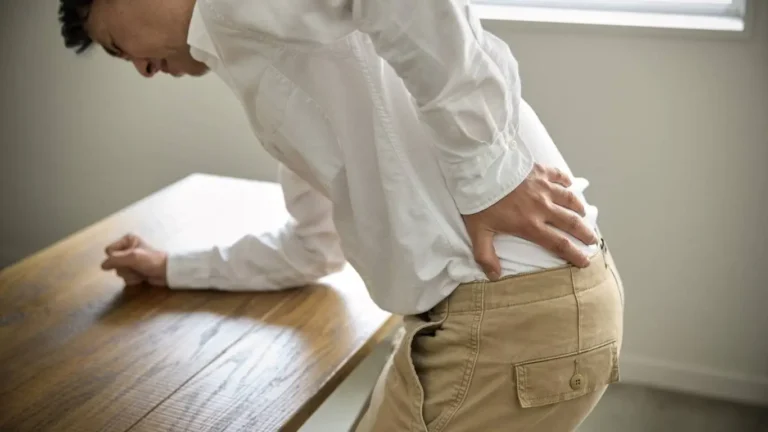
Osteoporosis doesn’t always shout its presence. Often, it whispers in the form of subtle back pain, until a fracture makes it scream. This silent condition gradually weakens bones, making them brittle and prone to break—even without any major trauma. The spine, unfortunately, is a common site for these microfractures.
How Osteoporosis Affects the Spine
The spine is made up of vertebrae—little bones stacked like building blocks. With osteoporosis, these blocks start to thin and compress, leading to vertebral compression fractures. They might occur slowly over time or suddenly after a minor movement like bending or sneezing.
These fractures cause pain not just because of the break, but because they alter the natural shape of the spine. As the vertebrae collapse, the spine curves forward—what doctors call kyphosis. That’s what leads to that hunched-over look we often associate with osteoporosis.
Check out more details about the anatomy of spinal pain here.
Recognizing the Symptoms
- Persistent back pain, especially in the mid-to-lower spine
- Sudden sharp pain after minor strain or movement
- Gradual loss of height
- Curving of the spine (stooped posture)
What’s tricky is that not all spinal fractures from osteoporosis cause pain immediately. Some people only realize it when their posture changes or after a bone density scan reveals what’s going on under the surface.
Who’s Most at Risk?

Women over 50 are especially vulnerable, but let’s not forget men—especially those with low testosterone or long-term corticosteroid use. My neighbor, a retired athlete, was shocked to learn his back pain wasn’t from old injuries but early-onset osteoporosis. He’d been taking steroids for years for asthma, unknowingly increasing his fracture risk.
Common Risk Factors
- Age (typically over 50)
- Postmenopausal status in women
- Family history of osteoporosis
- Vitamin D or calcium deficiency
- Sedentary lifestyle
- Smoking or excessive alcohol intake
- Use of corticosteroids or certain cancer medications
Understanding these risks is crucial. But even more important is catching it early—which is where bone density tests (like DEXA scans) come into play. If you’ve had back pain that doesn’t add up, a scan might just change everything.
Diagnosing the Root Cause
A good doctor won’t stop at “back pain.” They’ll dig deeper, ask about your history, and maybe order imaging like X-rays or MRIs. For osteoporosis, the gold standard is the DEXA scan. It’s painless, quick, and gives a snapshot of your bone strength.
Some fractures are sneaky—they don’t always show up on standard X-rays, especially early on. MRIs can catch bone bruises and subtle breaks, helping avoid misdiagnosis as something like a herniated disc or arthritis.
Read more about how specialists approach spine diagnosis here.
Treatment Approaches That Actually Help
There’s no magic pill to reverse osteoporosis, but managing the pain and preventing further damage? That’s doable—and essential. When my aunt started treatment, it wasn’t just about prescriptions. It was a mix of targeted exercise, better nutrition, and small but impactful lifestyle changes.
Medications
Doctors might prescribe medications like bisphosphonates to slow bone loss. In more severe cases, newer options like denosumab or teriparatide might be recommended. These treatments help rebuild or stabilize the bone matrix, reducing the chances of future fractures.
Physical Therapy
Physical therapy isn’t about pushing through the pain. It’s about controlled, low-impact movements that strengthen the core, improve posture, and reduce spinal load. A trained therapist can make a world of difference in recovery and prevention.
Explore detailed conservative back pain treatments here.
Diet and Lifestyle Adjustments
- Increase calcium and vitamin D intake through food or supplements
- Weight-bearing exercises like walking, yoga, or gentle resistance training
- Quit smoking and cut down on alcohol
- Ensure home safety to prevent falls
Small tweaks like better lighting, removing rugs, and grab bars in bathrooms may seem basic, but they’re powerful tools in fracture prevention—especially for older adults living alone.
Living with Osteoporosis Back Pain—It’s Possible

I’ve seen firsthand how discouraging it can be to live with back pain day in and day out. But I’ve also seen how informed care and consistent management can change someone’s trajectory entirely. With the right plan, osteoporosis-related back pain doesn’t have to control your life.
For a more comprehensive look at how lifestyle, natural remedies, and diet help manage chronic spinal issues, explore this helpful guide on natural remedies for back pain.
To explore more about the broader understanding of spinal health and chronic back pain, visit our main back pain page.
Minimally Invasive Treatments and When They’re Needed
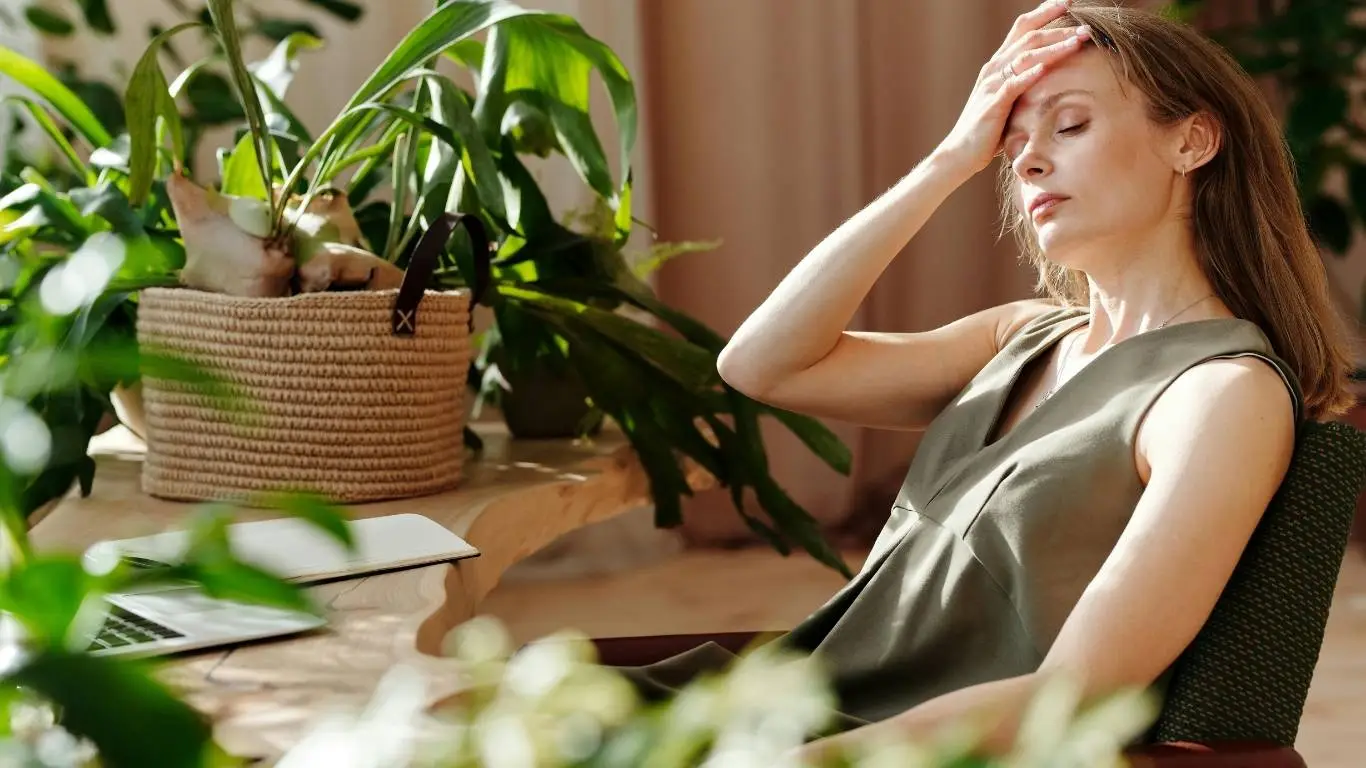
Now, not everyone with osteoporosis-related back pain will need surgery. In fact, most don’t. But there are times when the pain becomes so severe—or the vertebrae so damaged—that conservative care just isn’t enough. That’s where minimally invasive procedures come into the picture.
Vertebroplasty and Kyphoplasty
These two treatments sound a little intimidating, but they’re actually pretty elegant. Doctors insert a needle into the fractured vertebra and inject medical-grade cement. In kyphoplasty, a small balloon is used first to lift the vertebra before the cement goes in. Both procedures can stabilize the fracture and relieve pain, often within days.
They’re not for everyone, and timing is everything. Too early, and the bone might still be healing naturally. Too late, and the collapse could be permanent. That’s why getting a proper diagnosis from a spine specialist is key.
For a deeper dive into these techniques, you can explore our section on minimally invasive surgical options.
Mindset, Mood, and Chronic Pain

One thing we often skip over when talking about chronic back pain—especially from something as emotionally loaded as osteoporosis—is the mental toll. My aunt went through it. The fear of breaking another bone, the anxiety of simple tasks like bending to tie her shoes, and the fatigue of hurting every day—it all added up.
Depression and anxiety aren’t just side effects. They can worsen pain perception, reduce activity levels, and even slow recovery. That’s why treating osteoporosis-related back pain should go beyond the physical. We need to support the mind too.
Tools That Help
- Mindfulness and breathing exercises to manage stress
- Cognitive Behavioral Therapy (CBT) to shift fear-based thinking
- Support groups—online or in-person—for emotional connection
Believe me, it’s not fluff. Studies from sources like ncbi.nlm.nih.gov and cdc.gov back up the mind-body connection when it comes to pain.
We explore these important emotional dimensions more in-depth on our dedicated page for mental and emotional health in back pain.
Ergonomics and Everyday Prevention

You don’t need to bubble-wrap your life after a diagnosis. But you do need to be a little smarter about how you move, sit, and sleep. Poor ergonomics are like hidden triggers that make existing fractures worse and invite new ones.
Home and Work Tips
- Chairs: Use firm, supportive chairs with lumbar support
- Bending: Always bend at the hips and knees—not the waist
- Sleeping: Try side-sleeping with a pillow between the knees
- Computers: Raise screens to eye level to avoid slouching
Simple adjustments go a long way. One of my favorite purchases for my aunt was a reacher grabber tool—no more bending awkwardly to pick something off the floor.
If you’re spending hours seated or in transit, this guide on occupational and travel ergonomics has practical advice worth checking out.
Rehabilitation That Makes a Difference
Recovery isn’t a straight line. It’s more like a wavy path full of detours and small wins. But the right rehab plan can rebuild confidence, improve mobility, and dramatically reduce the chance of further injury.
One thing I saw work wonders? Balance training. So many falls happen because of small missteps. Exercises like heel-to-toe walking, standing on one leg, or gentle Tai Chi can rebuild those stabilizing muscles we forget about.
Guided rehab plans can include:
- Weight-bearing walking routines
- Resistance bands to improve spine-supporting muscles
- Pool therapy for low-impact movement
Curious how to build this into your week? Our full section on exercise and rehabilitation breaks it down into realistic steps.
Staying Ahead of the Pain Curve

Osteoporosis-related back pain doesn’t have to define your life. But it will if you ignore it. Staying proactive is key. Whether it’s a regular bone scan, a short daily walk, or just choosing that supportive pair of shoes over the stylish but risky ones—those choices add up.
Personal Routine Reminders
- Calcium and vitamin D intake—set a reminder if needed
- Short walks after meals—5-10 minutes is enough
- Weekly check-ins with a physio or trainer
- Adjust furniture once a year—our bodies change, so should our surroundings
And above all? Don’t ignore persistent pain. Especially if it doesn’t match your usual patterns. A quick test or consultation today can save months of discomfort down the road.
To tie it all together, we recommend visiting this page on osteoporosis-related back pain in special populations for targeted insights based on age and condition.
And for everything else related to spine wellness, our main resource is always available at Healthusias Back Pain Hub.

Camellia Wulansari is a dedicated Medical Assistant at a local clinic and a passionate health writer at Healthusias.com. With years of hands-on experience in patient care and a deep interest in preventive medicine, she bridges the gap between clinical knowledge and accessible health information. Camellia specializes in writing about digestive health, chronic conditions like GERD and hypertension, respiratory issues, and autoimmune diseases, aiming to empower readers with practical, easy-to-understand insights. When she’s not assisting patients or writing, you’ll find her enjoying quiet mornings with coffee and a medical journal in hand—or jamming to her favorite metal band, Lamb of God.