
High Blood Pressure and Joint Pain Relief: How to Tackle Two Challenges at Once 🩺💪
If you’re dealing with both high blood pressure and joint pain, you’re probably feeling a little overwhelmed. Trust me, I get it. As someone who’s been in the field of hypertension treatment for years, I know how tricky it can be to juggle these two conditions. But here’s the good news: it’s absolutely possible to manage both and feel better. And no, you don’t have to rely on just popping pills.
So, let’s break down how to relieve your joint pain while keeping your blood pressure in check. You’ll be surprised at how much you can do to make things easier on your body—and your mind.
What’s the Deal with High Blood Pressure Anyway? 🤔
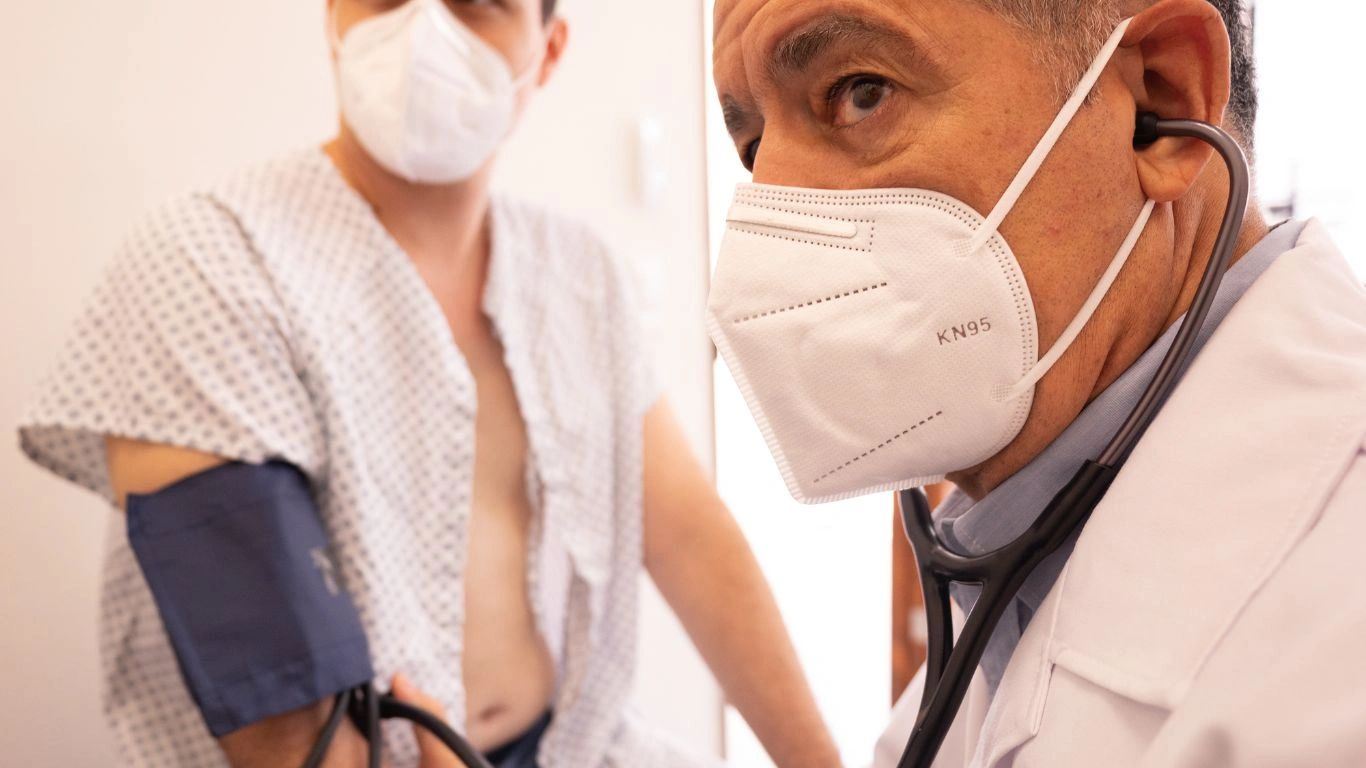
Before we dive into the specifics of managing high blood pressure and joint pain together, let’s quickly get clear on what high blood pressure (also called hypertension) actually is.
High blood pressure happens when the force of blood pushing against your artery walls is too strong. Think of it like a hose where the water pressure is cranked up way too high. Over time, this can lead to serious issues like heart disease, stroke, kidney problems, and even vision loss. But, the tricky part? You might not even feel it happening. That’s why it’s called the “silent killer.”
And How Does This Link to Joint Pain?
So here’s where things get a little interesting. High blood pressure doesn’t directly cause joint pain, but the medications used to treat it can sometimes mess with your joints. Some of these meds might lead to things like swelling or stiffness, and that’s no fun. Plus, the inflammation that comes with high blood pressure might make conditions like arthritis worse, which is just the cherry on top of this not-so-fun sundae.
Finding High Blood Pressure and Joint Pain Relief: What Actually Works?

Now let’s talk about the real stuff: what can you do to manage both your blood pressure and joint pain without driving yourself crazy? Here’s where we get into the meat of it.
1. Medication: The Balancing Act 💊
Here’s the deal with meds. High blood pressure medications are crucial for controlling your numbers, but some of them might mess with your joints. For example, diuretics (the ones that help you get rid of extra fluid) can sometimes cause dehydration, which can lead to joint stiffness. So, if you’re on meds and you’re noticing that your joints are aching more, it’s a good idea to chat with your doctor about alternatives.
I’ve seen many people who were able to switch to a different type of medication—like ACE inhibitors or calcium channel blockers—and noticed that their joint pain wasn’t as bad. Always talk to your doctor first, though. They’ll help find the best combo that works for you.
2. Moving Your Body Without Making it Worse 🏃♀️
If you’re like a lot of people, you might avoid exercise because you’re worried it’ll make your joints hurt more. But here’s the thing: regular, gentle movement is actually one of the best ways to manage both high blood pressure and joint pain. Yep, you read that right.
Low-impact activities like walking, swimming, or yoga can lower your blood pressure and make your joints feel better. The trick is to listen to your body. You don’t have to be running marathons (unless you’re into that—no judgment!), but just moving a little bit every day can do wonders. I’ve had patients who started walking 20 minutes a day, and over time, they noticed improvements in both their blood pressure and their joint discomfort.
3. Food That Fights Inflammation 🥗
Now, onto something that everyone loves to talk about: food. It turns out, what you eat really does make a difference when you’re managing high blood pressure and joint pain.
Foods rich in omega-3 fatty acids (like salmon, walnuts, and flaxseeds) are great for calming inflammation. Inflammation is one of the main culprits when it comes to joint pain, and omega-3s can help ease that pain. Plus, if you’ve got high blood pressure, foods high in potassium—like bananas, spinach, and sweet potatoes—can help balance things out.
And, no surprise here, cutting down on sodium is key for high blood pressure. Too much salt can raise your numbers and make things worse. So, try switching out processed foods for whole, fresh ones, and you’ll start noticing a difference.
4. Stress Relief: Chill Out for Your Health 🧘♀️
I know, I know, it’s easier said than done. But seriously, stress is one of the biggest factors when it comes to both high blood pressure and joint pain. Stress makes your blood pressure spike, and it can also cause muscle tension, which makes joint pain worse.
That’s why I’m always recommending stress-reduction techniques like deep breathing, meditation, or even something as simple as taking a walk in nature. These little moments of peace can do wonders for your blood pressure and help ease that tightness in your joints.
Troubleshooting Common Issues: What If Nothing’s Working? 🛠️
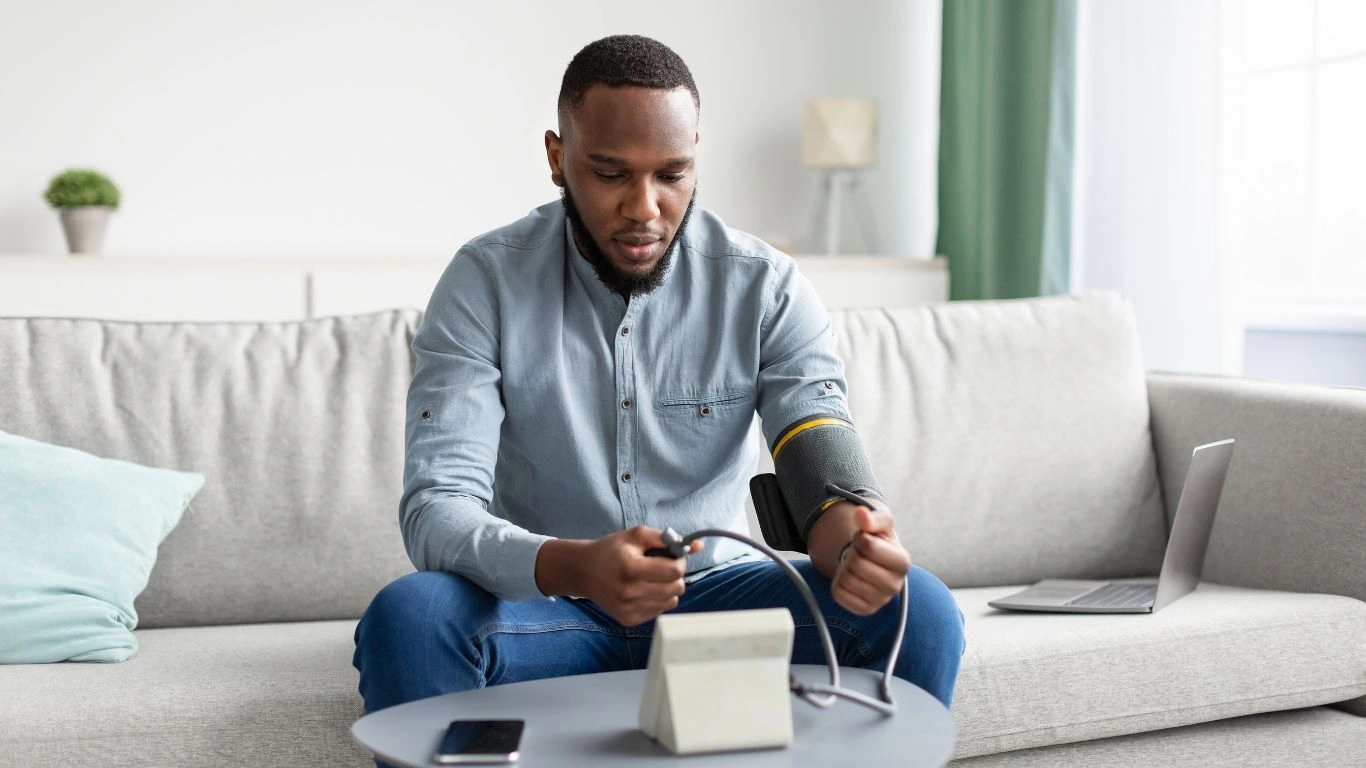
Sometimes, even with all these great strategies, it can feel like you’re stuck in a rut. If you’re finding that your blood pressure or joint pain is still tough to manage, here are a few troubleshooting tips that might help:
1. Medication Not Working the Way You Hoped
If your meds aren’t cutting it, talk to your doctor. There are lots of different medications out there for both high blood pressure and joint pain, and sometimes it takes a bit of trial and error to find the right combination for you. Don’t be afraid to speak up if you’re having side effects.
2. Joint Pain Making It Hard to Move
If joint pain is really getting in the way of exercise, it might help to consult a physical therapist. They can create a personalized routine that takes your pain levels into account and helps you build strength without straining your joints.
3. Struggling to Lose Weight?
If weight is part of the problem (and let’s be real, it often is), working with a nutritionist can really help. They can help you make a plan to lose weight safely, which will not only reduce stress on your joints but also lower your blood pressure.
Success Stories: Real People, Real Results 🌟

Case Study 1: Sarah’s Journey with Hypertension and Arthritis
Sarah, 60, was diagnosed with high blood pressure and osteoarthritis in her knees. She’d been on medication for both for years, but still felt miserable. After talking to her doctor, she switched to a new blood pressure medication and started doing yoga. She also worked on cleaning up her diet—more fruits and veggies, less processed stuff—and started walking daily. Within a few months, Sarah’s blood pressure stabilized, and her knee pain went from constant to manageable.
Case Study 2: James, the 50-Year-Old Who Got Back Into Running
James, 50, was dealing with high blood pressure and recurring joint pain in his hips. He loved running, but the pain made it impossible. After working with a physical therapist, James got back into low-impact exercises and focused on a diet rich in anti-inflammatory foods. He also made stress reduction a daily habit. A few months later, he had more energy, less joint pain, and his blood pressure was better than ever.
Key Takeaways / Summary 📝
– High blood pressure and joint pain relief are possible. You don’t have to suffer from both at the same time.
– Medication is key, but make sure it’s the right fit for you—don’t be afraid to talk to your doctor.
– Exercise, diet, and stress management play a huge role in keeping both conditions in check.
– It’s all about finding a balance that works for your lifestyle—small changes add up over time!
FAQs: Answering Your Burning Questions 🔥
1. Does high blood pressure make joint pain worse?
Not directly, but the inflammation that often comes with hypertension can make joint conditions like arthritis worse.
2. What’s the best medication for both hypertension and joint pain?
It really depends on your situation. Some blood pressure meds can cause joint pain, so it’s important to work with your doctor to find what works best for you.
3. Can exercise actually help with joint pain if I have high blood pressure?
Absolutely! Low-impact exercise like swimming, walking, or cycling can lower your blood pressure while relieving joint pain.
4. What foods should I eat to lower my blood pressure and ease joint pain?
Focus on an anti-inflammatory diet with omega-3 rich foods and potassium-rich veggies. Cut back on sodium and processed foods!
5. What’s the first step in managing both conditions?
Start by talking to your doctor. Then, focus on small changes—like exercising, eating better, and managing stress—that add up over time.
Appendix 📚
For more info on managing high blood pressure and joint pain, check out these resources:
1. American Heart Association: High Blood Pressure
2. National Institutes of Health on Joint Pain
Disclaimer: This article provides general information and is not intended as medical advice. Always consult with your healthcare provider for guidance tailored to your specific needs.
Call to Action: If you’re struggling with both high blood pressure and joint pain, let’s talk! I can help you find a treatment plan that works for you.

Dr. Gwenna Aazee is a board-certified Internal Medicine Physician with a special focus on hypertension management, chronic disease prevention, and patient education. With years of experience in both clinical practice and medical writing, she’s passionate about turning evidence-based medicine into accessible, actionable advice. Through her work at Healthusias.com, Dr. Aazee empowers readers to take charge of their health with confidence and clarity. Off the clock, she enjoys deep dives into nutrition research, long walks with her rescue pup, and simplifying medical jargon one article at a time.