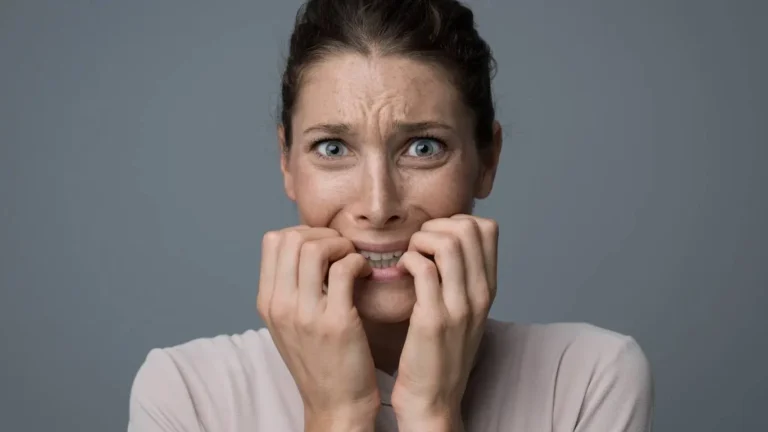
How Anxiety in Daily Life Quietly Disrupts Your Routine
There was a time I canceled every social plan for months. I couldn’t explain it—just the thought of being around people made my chest tighten. No one knew because I got good at hiding it. I’d send that “Sorry, not feeling great today” text and hope they didn’t press for details. That’s what anxiety disorders do—they don’t just make you feel uneasy. They reshape how you live your life, especially when it comes to everyday social interactions. And it’s not just me. This is way more common than people realize.
How Anxiety Disorders Quietly Reshape Your Social Life

Anxiety doesn’t always show up in loud, obvious ways. Sometimes, it’s subtle—the text left unanswered, the party skipped, the coffee date rescheduled again. It’s a quiet force that chips away at our social connections.
Social anxiety, in particular, can make regular interactions feel like public performances. There’s an internal script running non-stop: What if I say the wrong thing? What if they think I’m awkward? What if they notice I’m nervous? That kind of mental loop wears you out. And eventually, it trains your brain to associate social situations with discomfort and fear.
Common Social Struggles Linked to Anxiety Disorders
- Fear of judgment: Constantly worrying about how you’re being perceived.
- Overanalyzing conversations: Replaying them in your head for hours.
- Avoiding eye contact or public speaking: Even minor attention can feel overwhelming.
- Physical symptoms: Shaky hands, sweaty palms, flushed cheeks in social settings.
- Canceling plans: Even when you want to go, anxiety convinces you otherwise.
This pattern isn’t laziness or flakiness. It’s the body’s way of trying to protect itself from perceived threats—even if the “threat” is just small talk at a birthday dinner.
The Workplace Impact: Anxiety at the Office

Work isn’t just a place for productivity—it’s also one of the most socially demanding environments. For someone managing anxiety, navigating the politics of meetings, emails, deadlines, and spontaneous conversations can feel like a mental obstacle course.
Ways Anxiety Shows Up at Work
- Performance anxiety: Constant self-doubt before presentations or reviews.
- Email stress: Rereading drafts multiple times to avoid sounding “wrong.”
- Imposter syndrome: Feeling like you’re just pretending to be competent.
- Overworking: Trying to compensate for anxiety by doing too much.
- Withdrawing from team interactions: Skipping optional meetings, lunches, or chats.
According to the American Psychological Association, workplace-related anxiety is now one of the top mental health concerns among U.S. adults. And yet, so few people talk about it. Probably because we’re afraid to look “unprofessional” if we admit to struggling.
Relationships Strained by Unseen Anxiety

Here’s something I didn’t expect: anxiety doesn’t just impact how you feel—it affects how you connect with others. Relationships, whether romantic, familial, or platonic, often take a hit when anxiety’s in the mix.
When you’re overwhelmed inside, it’s hard to be present with others. I’d get snappy or distant, not because I didn’t care, but because I was stuck in my head trying to manage the noise. That miscommunication can lead to hurt, frustration, and confusion.
Relationship Struggles That Often Go Unspoken
- Emotional withdrawal: Creating distance to “protect” the other person from your mood.
- Constant reassurance-seeking: Needing frequent validation that everything’s okay.
- Irritability: Anxiety can make even small things feel overwhelming and spark frustration.
- Overthinking dynamics: Reading into every pause or tone change in conversation.
- Canceling shared plans: Or backing out of social events you were both invited to.
It took a lot of trial and error, but I’ve learned to communicate what’s going on instead of just shutting down. When someone understands that your distance isn’t rejection, it changes everything.
Social Avoidance and the Cycle of Isolation

One of the most common patterns with anxiety is social avoidance. At first, skipping that event or saying no to dinner feels like relief. But over time, it turns into a habit. And that habit creates isolation.
It’s a sneaky cycle. You avoid social stuff because of anxiety, which leads to loneliness, which makes the anxiety worse. You start to feel disconnected from others, and eventually, from yourself too. According to the National Institute of Mental Health, people with anxiety disorders are at significantly higher risk for depression—and isolation is often a key factor.
Signs You’re Slipping Into Social Withdrawal
- Feeling exhausted after brief social interactions
- Choosing isolation even when you feel lonely
- Letting friendships fade because maintaining them feels hard
- Assuming people don’t want to hear from you
- Spending more time online than connecting in real life
One of the things that helped me the most was realizing I wasn’t the only one going through it. Reading personal stories and connecting with others helped ease the shame that often fuels withdrawal. I found this article especially grounding: Why Anxiety Disorders Can Secretly Control Your Daily Life. It’s a reminder that these experiences are real—but also manageable.
Small Shifts That Make a Big Difference Socially

You don’t have to overhaul your personality or become the life of the party to improve your social experience with anxiety. It’s about finding strategies that help you feel safer and more grounded when you’re around others. Here’s what worked for me:
Social Tools That Ease the Pressure
- Anchor questions: Prepare a few simple conversation starters to ease into chats.
- Exit plans: Give yourself permission to leave early if needed—just knowing that can lower stress.
- One-on-one over group: Smaller settings feel less overwhelming and allow for deeper connection.
- Set time limits: You don’t have to stay for the whole thing—just showing up is a win.
- Post-social recharge: Schedule alone time after socializing to decompress.
These aren’t hacks—they’re boundaries. And boundaries, when used intentionally, can make anxiety feel a little less loud and a little more manageable.
There’s something incredibly frustrating about knowing your anxiety isn’t “logical,” but still feeling trapped by it. For me, it wasn’t just the awkward silences or skipped events. It was the overthinking at 2 a.m., rehashing something I said hours ago. The self-doubt creeping in when I sent an email. The heavy need for control just to keep things feeling safe. And the truth is, anxiety disorders don’t just show up in public—they creep into all the little private moments too.
Everyday Routines That Get Hijacked by Anxiety

It’s easy to underestimate how anxiety impacts day-to-day routines. Getting ready for the day, running errands, or even cooking dinner can feel overwhelming when your nervous system is constantly firing.
I used to dread simple things—checking the mail, answering phone calls, walking into the grocery store. It wasn’t about the tasks themselves. It was about the unpredictable moments that could trigger discomfort: running into someone I know, feeling watched, making the “wrong” decision in the cereal aisle. Sounds silly out loud, but that’s how anxiety distorts reality.
Small Daily Activities Where Anxiety Shows Up
- Morning routines: The pressure to “start strong” often kicks off spirals of perfectionism.
- Commuting: Fear of crowds, traffic, or public transit can make leaving home stressful.
- Eating: Either skipping meals due to stress or overeating for temporary comfort.
- Sleep: Racing thoughts or anxious dreams that leave you exhausted in the morning.
- Personal hygiene: Sometimes even showering feels like too much.
These aren’t just lazy days or bad moods. They’re signs that anxiety is showing up in the background, quietly taking over your rhythm. Understanding that helped me stop beating myself up for not “doing enough.”
Decision Fatigue: Why Anxiety Makes Simple Choices Hard

I never realized how exhausting small decisions could be until anxiety turned every choice into a mini-crisis. What should I wear? Should I respond to this message now or later? What if I say the wrong thing? What if I regret this?
That’s decision fatigue, and it hits hard when your mind is already on edge. You second-guess everything. You ask others for opinions not because you don’t know what to do—but because you’re terrified of making the “wrong” call and spiraling into regret or embarrassment.
Common Patterns of Anxiety-Driven Indecision
- Over-researching options: Spending hours reading reviews before making even small purchases.
- Delaying responses: Not answering texts or emails out of fear you’ll phrase something wrong.
- Asking for repeated reassurance: Needing someone to confirm your decision over and over.
- Overthinking outcomes: Playing out worst-case scenarios for every choice.
- Regret paralysis: Obsessing about past decisions and fearing repeat “mistakes.”
Psychologists from Psychology Today have noted that anxious people often feel more responsible for the consequences of their decisions, which amplifies the fear around them. For me, learning how to tolerate uncertainty was the most helpful shift. Not every decision needs to be perfect—sometimes good enough is truly enough.
Perfectionism and the Illusion of Control

If I’m honest, I used to wear perfectionism like a badge of honor. Organized, reliable, always prepared—that’s how people saw me. But underneath that control was anxiety. A deep fear that if I wasn’t perfect, everything would fall apart, and people would see me differently. Or worse—reject me.
Perfectionism and anxiety are like cousins. One feeds off the other. You set impossibly high standards. You overprepare. You obsess over tiny mistakes. You procrastinate because you’re afraid you won’t do something perfectly, and then you criticize yourself for being “lazy.”
Red Flags of Anxiety-Fueled Perfectionism
- Spending hours on a task that should take 30 minutes
- Struggling to start projects because the bar is too high
- Being unable to delegate or trust others to help
- Hyper-fixating on flaws, even when praised
- Feeling like your worth is tied to your productivity
Over time, perfectionism becomes a self-imposed prison. One of the most freeing things I’ve learned is that people connect more with your humanity than your highlight reel. It’s okay to be a work in progress. It’s actually relatable.
Living With Anxiety While Still Showing Up

Living with anxiety doesn’t mean you’re incapable. It means you’re operating with a more sensitive system. Once I understood that, I stopped trying to force myself into environments that drained me and started creating conditions that supported me.
Practical Ways to Move Through Daily Life With Anxiety
- Create morning rituals: Ease into your day instead of rushing it.
- Build “pause” moments: Use timers or reminders to breathe and reset.
- Break tasks into smaller steps: Big to-do lists can feel overwhelming; smaller wins build momentum.
- Keep grounding tools handy: Fidget tools, calming apps, or journaling can interrupt anxious spirals.
- Set realistic expectations: You don’t have to do everything perfectly—or all at once.
There’s also something powerful about identifying your patterns. Once I realized mornings were my most anxious time, I stopped booking early meetings and started taking 15 minutes just for myself. That shift alone made my days more manageable.
How Anxiety Impacts Digital Life

We don’t often talk about how anxiety shows up in the digital world, but it’s real. Every unread message, notification sound, or social media scroll can act like a trigger.
I’ve stared at texts for hours trying to craft the “perfect” response. I’ve deleted and re-uploaded posts because I thought they sounded wrong. I’ve ghosted people—not out of malice, but because replying felt like too much.
Common Digital Anxiety Experiences
- Fear of miscommunication through text
- Feeling pressure to reply instantly—or guilt when you don’t
- Obsessing over how your posts are perceived
- Comparing your life to curated highlight reels online
- Scrolling to “numb out,” but ending up more anxious
Eventually, I had to change how I used my phone. I turned off read receipts. Removed non-essential apps. Set time limits for social media. My phone became less of a source of anxiety—and more of a tool I actually controlled.
I used to think I had to “get over” anxiety to live fully. Like it was a roadblock I needed to bulldoze before I could enjoy real relationships, pursue goals, or just feel normal. Turns out, that mindset was part of the problem. Anxiety isn’t always something you cure. It’s something you learn to live alongside—without letting it run the show. And once I stopped trying to fight it all the time, things finally started to shift.
Real-Life Strategies to Rebuild Social Confidence
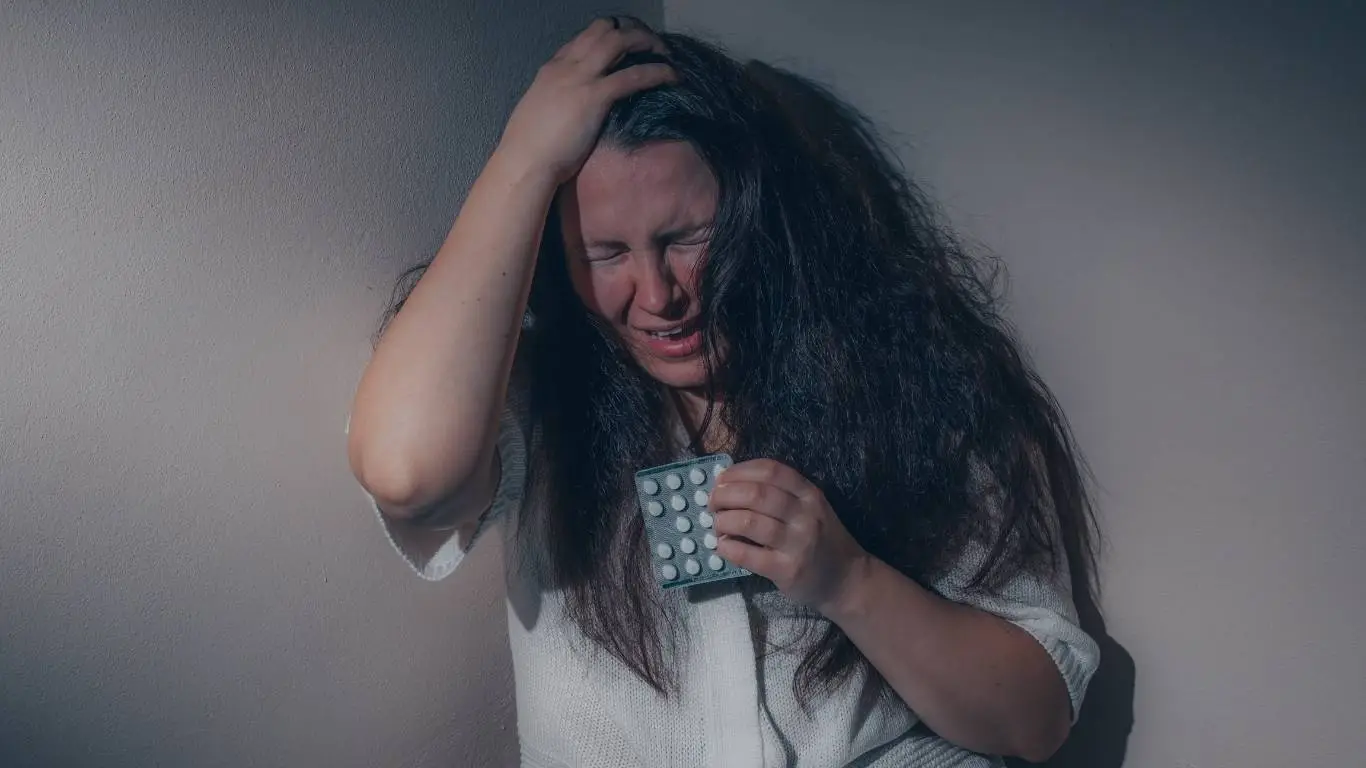
Getting back into the social world after retreating because of anxiety is no small thing. For me, it started with baby steps—sending a voice message instead of texting, saying “yes” to a short coffee instead of a full dinner, reintroducing myself to the idea of connection without pressure to perform.
Confidence Builders That Actually Worked
- Start with safe people: Reconnect with those who make you feel relaxed, not judged.
- Prepare, but don’t over-rehearse: It’s okay to plan what you’ll say—but leave room for flow.
- Focus on listening: Being present in conversations takes the pressure off saying the “right” thing.
- Celebrate tiny wins: Showing up, even briefly, is a win. Period.
- Practice self-compassion afterward: If you feel drained or anxious post-socializing, that’s normal—not failure.
I stopped trying to be the “fun version” of myself and just showed up as me—quiet, sometimes awkward, but real. Surprisingly, people connected more with that honesty than any polished performance.
Long-Term Lifestyle Shifts That Support Mental Calm

Managing anxiety long-term isn’t just about coping during the tough moments. It’s about designing your life in a way that makes those tough moments less frequent. I’ve learned to think of anxiety management like tending to a garden—you don’t wait for it to get overgrown before caring for it. You nurture it daily.
Things I Changed That Made a Huge Difference
- My environment: I decluttered spaces that made me feel chaotic. A clear room gave me a clear head.
- My pace: I stopped booking my calendar so tight that I had no room to breathe.
- My inputs: I unfollowed accounts that triggered comparison and replaced them with ones that felt calming and real.
- My mornings: I added slow rituals instead of jumping straight into “doing” mode.
- My relationships: I leaned into those who respected my boundaries and gave myself permission to outgrow others.
It wasn’t about becoming someone new. It was about removing the static so I could hear myself more clearly underneath all the noise.
How to Talk About Anxiety Without Shame
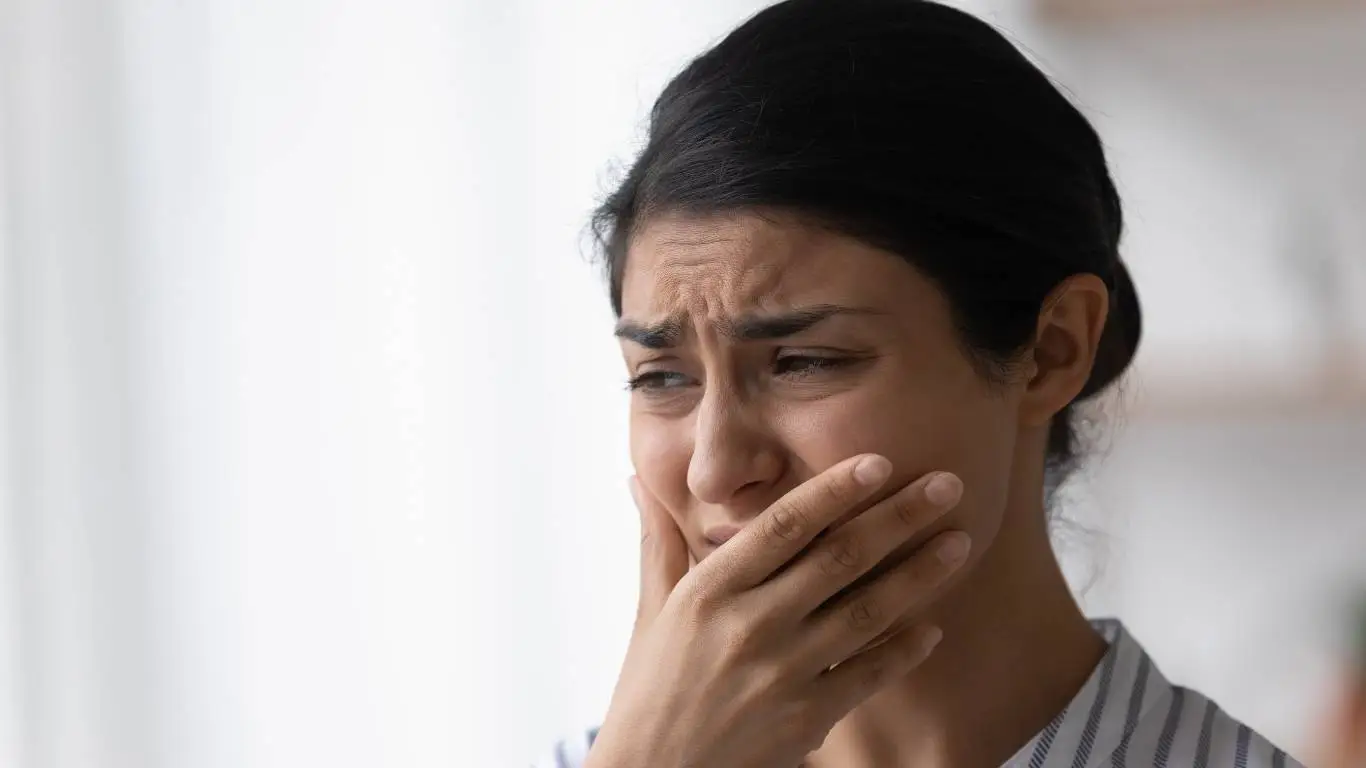
One of the biggest turning points for me was finally opening up to people about my anxiety. Not in some dramatic reveal—but casually, honestly, when it came up. The more I did, the less shame I felt. The less shame I felt, the more manageable everything became.
Tips for Speaking Openly About Your Anxiety
- Use language that feels right for you: You don’t have to use clinical terms. Just say what’s real.
- Set boundaries if needed: If someone responds poorly, that’s on them—not you.
- Start small: You don’t have to spill everything. Even a “Hey, I’ve been dealing with anxiety lately” can open doors.
- Remember: vulnerability builds connection: You’re not a burden for being human.
It’s wild how often people respond with “me too” when you’re brave enough to speak up. We’re all carrying something—we just need safe places to put it down.
Building a Support System That Works for You

Healing from anxiety isn’t a solo project. I tried the solo route—it’s heavy. What made the biggest difference was building support that felt tailored to me. Not just therapy or medication (though both helped), but also peer groups, online spaces, and routines that made me feel held.
Where Support Can Come From
- Therapists: A good one will help you feel seen, not labeled.
- Support groups: Hearing others talk through similar struggles is deeply affirming.
- Online communities: Carefully curated, they can offer connection and solidarity without the pressure.
- Mentors or coaches: Especially helpful for managing anxiety around career or performance.
- Trusted friends or family: People who get it, even if they don’t fully understand it.
It doesn’t have to be a huge network. Even one or two people who hold space for you can change everything.
You Can Have Anxiety and Still Live Fully

This is the part no one told me: You don’t have to wait until your anxiety is gone to start living. You can be anxious and still be joyful. Still be creative. Still fall in love, build things, laugh deeply, and show up fully. Life doesn’t start after anxiety. It starts when you decide to stop letting it hold the pen.
So if you’re in that place—the overthinking, the avoidance, the mental noise—just know you’re not broken. You’re doing your best. And there are ways to live with anxiety that don’t feel like a constant fight. You’re allowed to take up space exactly as you are.
If you’re looking for a deeper understanding of how anxiety weaves into all areas of life, especially the quiet, hidden ones, check out this piece on how anxiety disorders secretly control daily life. It’s honest, and it helped me feel less alone. Maybe it will do the same for you.

Camellia Wulansari is a dedicated Medical Assistant at a local clinic and a passionate health writer at Healthusias.com. With years of hands-on experience in patient care and a deep interest in preventive medicine, she bridges the gap between clinical knowledge and accessible health information. Camellia specializes in writing about digestive health, chronic conditions like GERD and hypertension, respiratory issues, and autoimmune diseases, aiming to empower readers with practical, easy-to-understand insights. When she’s not assisting patients or writing, you’ll find her enjoying quiet mornings with coffee and a medical journal in hand—or jamming to her favorite metal band, Lamb of God.