How Diabetes Leads to Eye Floaters and Vision Issues
If you’ve ever noticed small specks or cobweb-like shapes drifting across your vision, especially if you live with diabetes, you’re not alone. I remember sitting at my desk one day, thinking my computer screen was smudged. Turns out, it was one of those floaters—those tiny, shadowy shapes that can catch you off guard. If you’re managing blood sugar daily, you might be surprised to learn that diabetes can actually be a key driver behind eye floaters and more serious vision complications. It’s not just about blurry vision or needing reading glasses—there’s more going on behind the scenes inside your eyes.
Understanding the Link Between Diabetes and Floaters
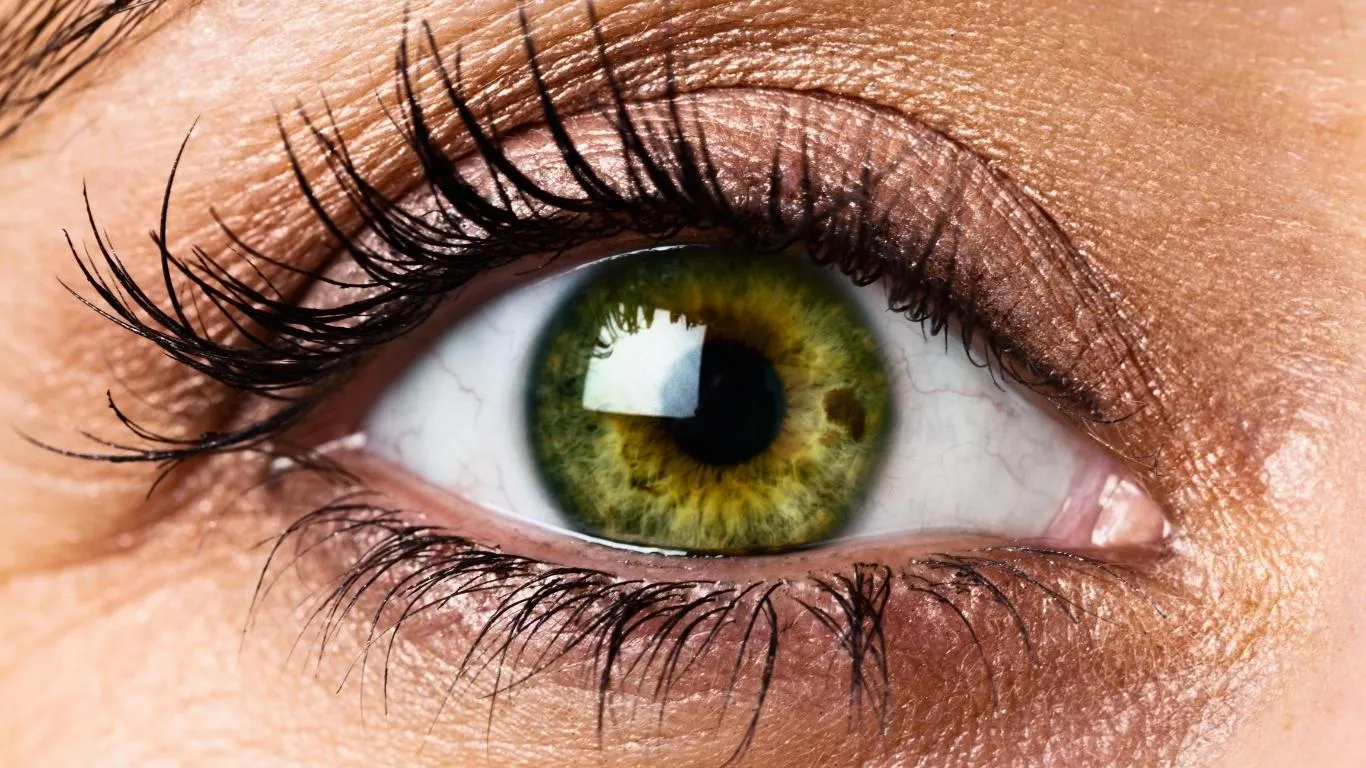
Floaters usually develop when the gel-like substance in your eye, called the vitreous, starts to break down. In people with diabetes, this process is often accelerated or worsened by changes in the tiny blood vessels that nourish the retina. Chronically high blood sugar damages these vessels, a condition known as diabetic retinopathy, which can lead to bleeding inside the eye—what doctors call vitreous hemorrhage. That blood? It can float in your vision just like classic floaters do.
What’s especially tricky is that diabetic eye floaters can sometimes be more than just annoying—they may be a red flag. When floaters show up suddenly or are accompanied by flashes of light, it could indicate retinal detachment, a condition that needs urgent medical attention. And trust me, once you’ve had that warning talk from an ophthalmologist, you start taking those floaters a lot more seriously.
How High Blood Sugar Affects Eye Health
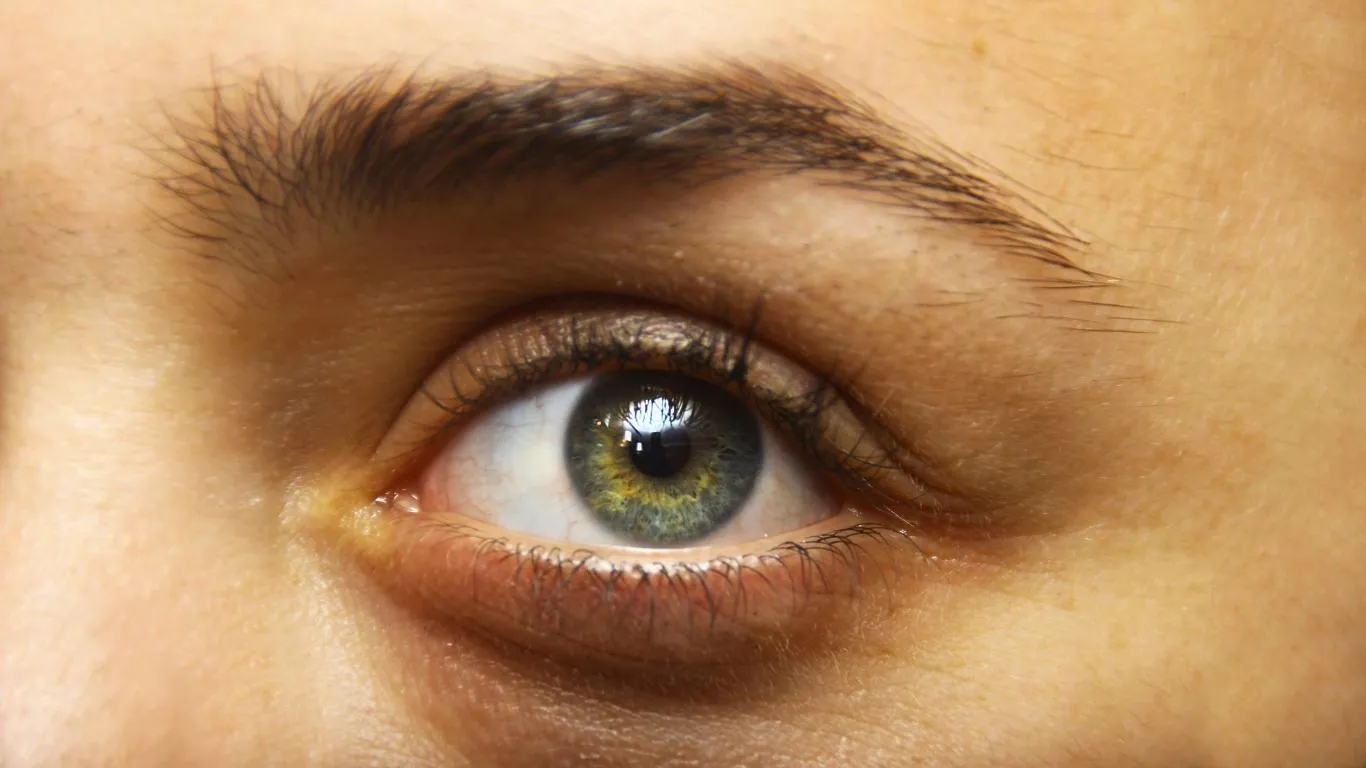
Think of your retina like the film in a camera. It captures light and sends signals to your brain so you can see. Now imagine what happens if that film starts getting patchy or covered in leaks—that’s what prolonged high blood sugar can do to your retina. Over time, high glucose levels lead to:
- Swelling of retinal tissues
- Growth of abnormal blood vessels (neovascularization)
- Leakage of fluid and blood into the vitreous
This leads not only to floaters, but also to blurred vision, blind spots, or even sudden vision loss. According to the American Academy of Ophthalmology, diabetic retinopathy remains one of the leading causes of vision loss worldwide—often silent, and often underestimated.
Diabetes Floaters vs. Age-Related Floaters
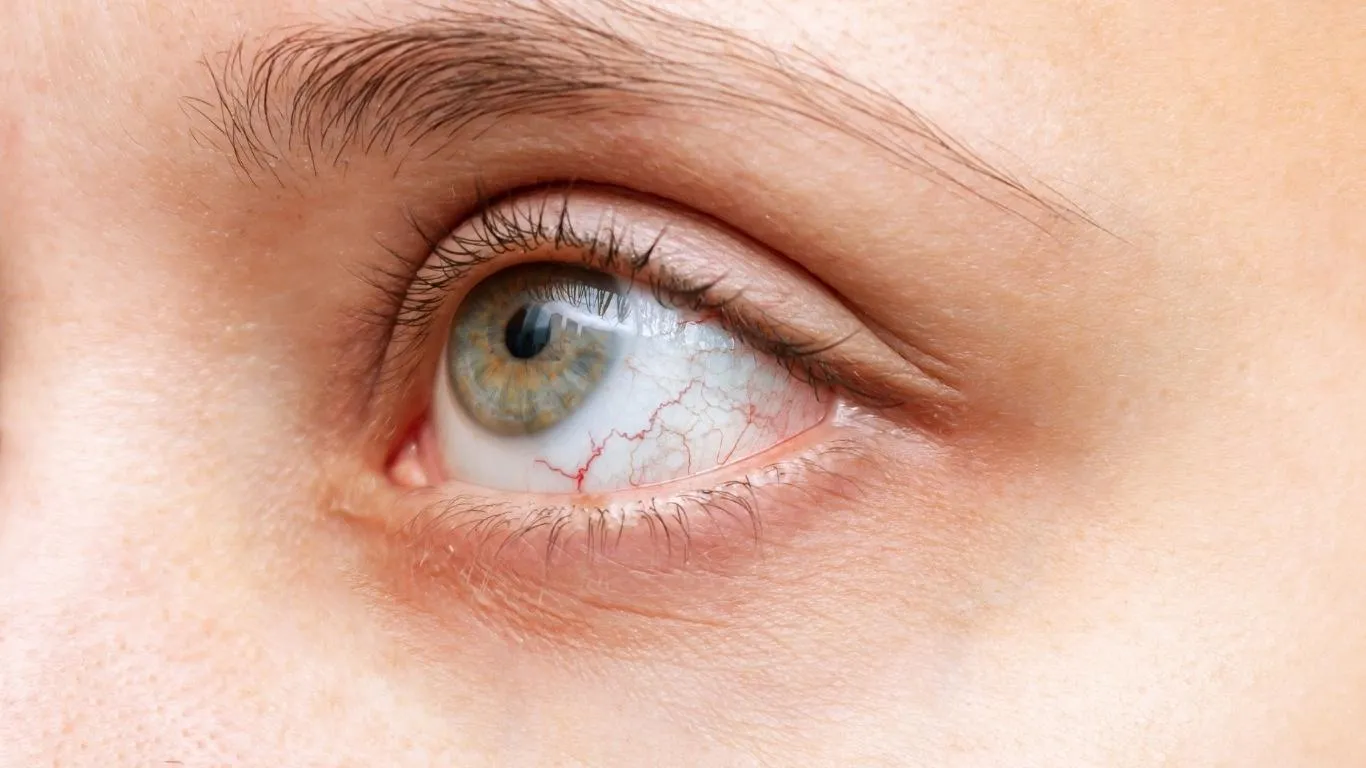
Here’s a key distinction: most floaters caused by aging happen gradually. The vitreous liquefies and detaches from the retina, causing mild floaters that settle down over time. But with diabetes, the floaters are usually linked to bleeding or inflammation and may appear suddenly, sometimes in clusters. They’re often darker, more noticeable, and take longer to fade.
I’ve talked to a few folks in my support group who shared how their diabetic floaters were different. One described it like “someone spilled ink in my eye” after their blood sugar was high for weeks. That’s a far cry from the wispy little shadows most people see with aging.
Other Vision Issues from Diabetes You Shouldn’t Ignore
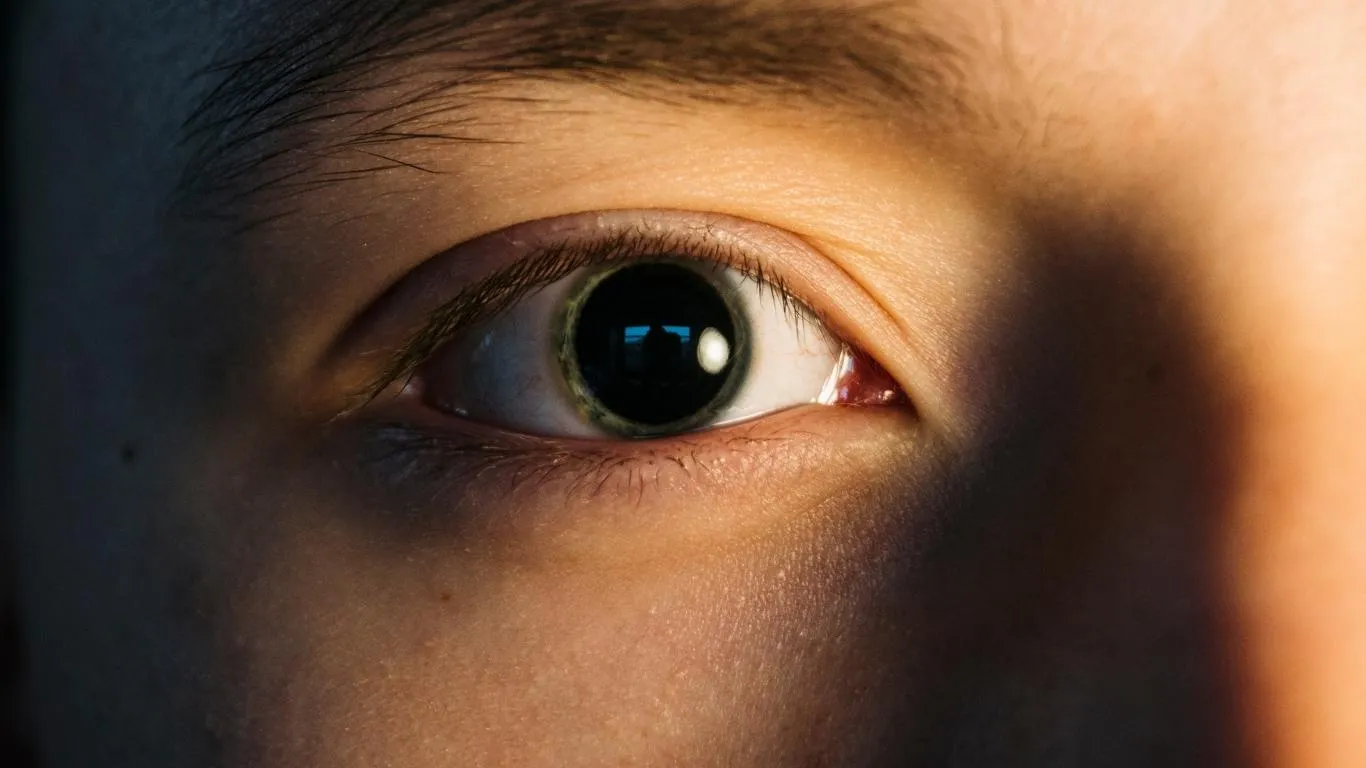
While floaters are one symptom, diabetes affects vision in multiple ways. If you’re diabetic, it’s worth knowing what else to watch out for. Some of the most common diabetic eye complications include:
- Diabetic macular edema (DME): Swelling in the central retina, leading to blurry or distorted vision.
- Cataracts: People with diabetes tend to get cataracts earlier and more frequently.
- Glaucoma: Diabetes doubles your risk of glaucoma, a condition caused by pressure buildup inside the eye.
One study published in The Review of Diabetic Studies highlighted how even prediabetic glucose levels could cause retinal changes detectable on eye scans. That’s wild when you think about how early damage can begin, even before a formal diagnosis.
When Should You Be Concerned?
It’s easy to brush off floaters as a minor annoyance. I did the same until mine multiplied overnight. If you’re seeing new floaters, especially if they come with:
- Flashes of light
- A dark shadow or curtain in your field of vision
- Rapid onset or increase in floaters
—don’t wait. Get it checked. These symptoms may signal something more serious like retinal detachment, vitreous hemorrhage, or even a full-blown diabetic eye emergency.
Diabetes-related floaters aren’t always alarming, but they’re never meaningless. If you’re managing diabetes, regular eye exams are a must. It’s not just about floaters—it’s about staying ahead of irreversible vision damage. For a deeper look into how floaters differ from other eye issues, explore this guide to spotting the difference.
For a more comprehensive understanding of floaters themselves, including their root causes and medical treatments, check out the main resource on what eye floaters really are and how to manage them.
Diagnosis: How Doctors Identify Diabetes-Related Floaters
Getting floaters checked out when you have diabetes isn’t just routine—it’s essential. During one of my eye appointments, my doctor explained that what looked like harmless floaters on the surface could actually point to retinal bleeding underneath. That’s where modern diagnostic tools come in clutch.
Here’s how floaters related to diabetes are typically identified:
- Dilated Eye Exam: This is the classic one—your pupils are dilated so the eye doctor can get a clear look at the retina and vitreous. They’ll check for hemorrhages, tears, and neovascular growth.
- Optical Coherence Tomography (OCT): A super precise imaging scan that shows cross-sections of the retina. It can catch subtle signs of macular swelling or blood leakage.
- Fluorescein Angiography: A dye is injected into your vein to highlight retinal blood vessels. If any are leaking or abnormal, they’ll glow up in the scan.
These tests aren’t just for show—they guide whether you’ll need treatment or just monitoring. One of my buddies with type 2 diabetes only found out he had early-stage retinopathy when a floater led to his first OCT scan. That floater might’ve saved his sight.
Treatment Options for Diabetic Floaters
Let’s clear up a common misconception: not all floaters need treatment. In fact, most floaters—even in diabetic eyes—can fade over time and don’t require intervention. But if there’s significant bleeding, swelling, or risk of retinal detachment, doctors may recommend active treatment.
1. Managing Blood Sugar
This one seems obvious, but it’s the foundation. Controlling blood glucose helps prevent worsening eye issues and may stop new floaters from forming. It’s not a quick fix, but it’s crucial for long-term eye health.
2. Anti-VEGF Injections
These are medications like Avastin or Eylea injected directly into the eye (yes, it sounds scarier than it is). They block a protein that causes abnormal blood vessel growth. Used for diabetic retinopathy and macular edema, they can reduce floaters caused by bleeding or swelling.
3. Laser Therapy
In cases where leaking blood vessels need to be sealed, laser photocoagulation is a go-to. I met a woman during a retinal clinic visit who swore by it—she said her vision stabilized after just two sessions.
4. Vitrectomy
This is a surgical option to remove the vitreous gel (and the floaters within it). It’s typically used in severe cases where floaters don’t clear or vision is significantly impaired. It’s invasive, yes—but when vision is at stake, it can be life-changing.
To understand the broader spectrum of treatments available, from watchful waiting to surgery, explore this trusted guide to eye floater treatments.
Prevention: Protecting Your Vision When You Have Diabetes
The good news? Many diabetes-related eye problems, including floaters, are preventable. I wish I’d taken my early warnings more seriously—but hindsight, as they say, is 20/20. Here are some smart ways to protect your eyes if you live with diabetes:
- Maintain A1C Under Control: Aim for a stable, healthy range to reduce retinal stress and bleeding risks.
- Don’t Skip Eye Exams: At least once a year—or more often if your ophthalmologist recommends it.
- Monitor Blood Pressure and Cholesterol: These factors work hand-in-hand with blood sugar to affect blood vessels, including those in your eyes.
- Stop Smoking: Smoking compounds vascular damage in diabetic patients and worsens eye health.
And yes, your diet plays a big role too. Eating foods rich in antioxidants—think leafy greens, omega-3s, berries—may help protect the delicate blood vessels in your eyes.
Living With Diabetes Floaters: What Helps and What Doesn’t
I’ve tried a lot over the years—eye drops (spoiler: they don’t help with floaters), herbal supplements, even acupuncture. While some things might improve overall eye comfort or support blood flow, there’s no proven “cure” for floaters aside from surgery or letting them settle on their own.
But here’s what I do that actually helps:
- Use brighter lighting indoors to reduce floater shadows
- Avoid staring at blank surfaces (like the sky or white walls) where floaters stand out more
- Move your eyes slowly side-to-side—sometimes it shifts floaters out of your central vision
And more importantly, I stopped panicking every time I noticed one. Education is everything. When you understand what’s happening in your eyes, those little floaters lose some of their power to scare you.
Want to learn how natural methods stack up against medical ones for floaters? This breakdown of natural floaters remedies is worth a glance, especially if you’re considering non-surgical options.

Camellia Wulansari is a dedicated Medical Assistant at a local clinic and a passionate health writer at Healthusias.com. With years of hands-on experience in patient care and a deep interest in preventive medicine, she bridges the gap between clinical knowledge and accessible health information. Camellia specializes in writing about digestive health, chronic conditions like GERD and hypertension, respiratory issues, and autoimmune diseases, aiming to empower readers with practical, easy-to-understand insights. When she’s not assisting patients or writing, you’ll find her enjoying quiet mornings with coffee and a medical journal in hand—or jamming to her favorite metal band, Lamb of God.