How Exposure Therapy for Phobias Rebuilds Confidence Naturally
I still remember the first time someone casually mentioned “exposure therapy” to me. I’d just confessed how my fear of flying had basically taken over my life. I wasn’t traveling, wasn’t visiting family, and even turning down work gigs. That suggestion—exposure therapy—sounded intense at the time. Like, why would I willingly do the very thing that terrifies me? But as it turns out, that fear-based logic is exactly what exposure therapy gently untangles. And if you’ve ever felt controlled by a phobia, there’s real hope in understanding how this method works.
What Is Exposure Therapy, and Why Does It Work?
Exposure therapy is a psychological technique that helps people confront fears in a structured, safe, and often surprisingly empowering way. It’s not about being thrown into the deep end—it’s about slowly dipping your toes in until the water doesn’t feel so threatening anymore.
Phobias—whether it’s a fear of dogs, flying, elevators, needles, or public speaking—are typically fueled by avoidance. The more we avoid the thing we fear, the more power it gains. Exposure therapy flips the script. Instead of reinforcing fear through avoidance, it gently exposes you to it so your brain learns, Hey, maybe this isn’t as dangerous as I thought.
Types of Exposure Used in Therapy
- In Vivo Exposure: Real-life confrontation of the feared situation (e.g., holding a spider or standing in an elevator).
- Imaginal Exposure: Vividly imagining the feared event or memory when real exposure isn’t practical or safe.
- Interoceptive Exposure: Triggering physical sensations (like rapid heartbeat) to reduce fear of bodily responses linked with anxiety.
- Virtual Reality Exposure: A high-tech option, especially useful for fear of flying or heights, where simulations feel real but safe.
This method is heavily backed by research and endorsed by mental health authorities like the American Psychological Association and National Institute of Mental Health. It’s considered one of the most effective tools in the treatment of specific phobias.
Phobias: More Than Just “Silly Fears”
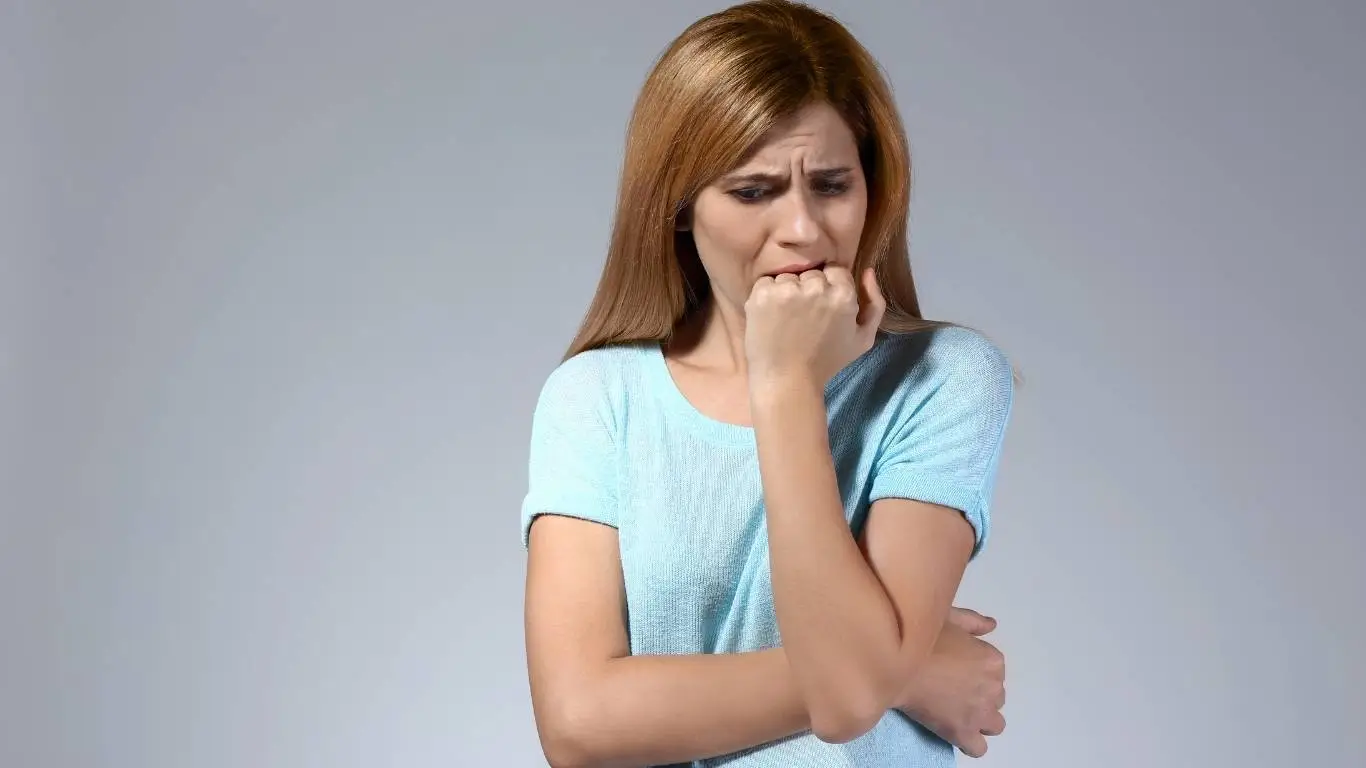
If you’ve ever had someone say, “Just get over it,” when you expressed a fear, you’re not alone. Phobias are often dismissed or joked about—until they interfere with daily life. But for many of us, they’re not just inconvenient. They’re life-limiting.
For me, it wasn’t just flying. It was the days leading up to a flight—chest tightness, restless nights, obsessive Googling of airline safety records. I’ve had friends with phobias of driving who haven’t been behind the wheel in years, or others who plan their entire lives around avoiding bridges, crowds, or enclosed spaces. This isn’t drama. It’s real, consuming anxiety.
Common Life-Disrupting Phobias
- Arachnophobia: Fear of spiders—can trigger panic even with small images.
- Acrophobia: Fear of heights—often linked to vertigo or dizziness.
- Claustrophobia: Fear of confined spaces—makes elevators, subways, and MRI machines a nightmare.
- Aerophobia: Fear of flying—can block travel, family visits, career opportunities.
- Emetophobia: Fear of vomiting—drastically impacts food choices, social eating, and travel.
These aren’t minor quirks. Left untreated, they can cause avoidance behaviors that slowly shrink your world. That’s exactly where exposure therapy can make a massive difference.
How Exposure Therapy is Structured in Real Life

The beauty of exposure therapy is that it’s tailored. You don’t just dive into the deep end. You work with a therapist (or sometimes a structured program) to build something called a fear hierarchy—basically a list of situations that range from mildly uncomfortable to full-blown terrifying.
Example: Fear Hierarchy for Someone With Social Phobia
- Making eye contact with a stranger
- Starting a conversation with a coworker
- Asking a store clerk a question
- Joining a small group chat
- Speaking up in a meeting
- Giving a short presentation
- Attending a networking event
You start at the bottom—just enough discomfort to feel a little stretch, but not total panic. Once that level becomes manageable, you move to the next. Over time, your nervous system recalibrates. You gain evidence that you’re more capable than your fear would have you believe.
It’s not always linear. Sometimes you move forward and then take a step back. That’s normal. What matters is consistency, self-compassion, and keeping your eye on the bigger picture: freedom.
Why Exposure Therapy Isn’t About Forcing Yourself

A lot of people worry that exposure therapy is harsh or too intense. That couldn’t be further from the truth—at least when done right. It’s never about pushing someone past their breaking point. It’s about building trust in your own ability to face discomfort, with support and structure.
In fact, good exposure therapy respects your pace. It might include relaxation techniques, mindfulness, or grounding strategies to help you stay regulated as you move through discomfort. The goal isn’t just to “survive” a fear—it’s to rewrite your relationship with it.
Whether you’re afraid of open spaces or public bathrooms, it doesn’t matter how irrational it seems to others. What matters is how much it impacts your daily life. And that’s something worth addressing with care and strategy.
If you’re just beginning your journey with managing anxiety or exploring therapeutic tools, it helps to first understand how anxiety can secretly control your daily life. It’s a solid foundation before diving into exposure techniques.
For a broader understanding of therapeutic approaches for phobias and anxiety, you may also find this helpful: Anxiety Disorders Psychotherapy & Counseling—a great resource for anyone ready to take the first step toward emotional freedom.
I wish I could say exposure therapy was this smooth, linear path where every session felt like a win. But it’s not like that. It’s messy, sometimes uncomfortable, occasionally awkward—but it works. What made the difference for me wasn’t powering through—it was learning how to ride the wave of anxiety instead of fighting it. That shift changed everything. Part two of this journey is where the real transformation starts: applying what you’ve built inside the therapy room to your actual, unpredictable life.
Real-Life Results of Exposure Therapy for Phobias

Let’s talk outcomes. One of the most misunderstood things about exposure therapy is the belief that it “gets rid of fear.” It doesn’t. It helps you build tolerance to fear. Over time, that tolerance turns into confidence. Not fake bravado—but the quiet kind that lets you do things you once thought were off-limits.
After a few months of structured exposure therapy for my fear of flying, I took a short domestic flight without medication. Was I nervous? Absolutely. Did I survive it with way less panic than I expected? Yep. That win gave me back freedom—something fear had stolen from me for years.
Common Breakthroughs Reported by People in Exposure Therapy
- Public speaking without panic—not just surviving it, but actually participating
- Driving again after years of avoidance, even on highways or bridges
- Using elevators, escalators, or public transport without frozen dread
- Facing animals or environments once avoided like dogs, needles, or crowds
- Improved self-trust—the biggest long-term benefit most people don’t expect
It’s not magic. It’s your brain re-learning safety through experience. Every exposure becomes evidence that the fear doesn’t have to be in charge anymore.
Setbacks in Exposure Therapy and How to Handle Them

Let’s be honest—setbacks happen. You might go through a solid stretch where things are improving, and then BAM, something triggers an old response and you feel like you’ve regressed. That happened to me after a rough flight with turbulence. My next session felt like starting over. But here’s what I learned: setbacks are not failures. They’re part of the process.
Tips for Managing Exposure Therapy Setbacks
- Don’t skip the next session: Avoidance only reinforces the fear. Show up, even if it’s hard.
- Talk about it: Process the setback with your therapist—it often holds useful insights.
- Revisit your hierarchy: There’s no shame in stepping back to an easier level for a bit.
- Track your wins: Keep a journal of moments you handled fear—it’s easy to forget progress when anxiety flares up.
- Practice grounding techniques: Breathing exercises, body scans, or anchoring phrases can help calm spikes in fear.
Most people don’t talk about this part. But it’s real. And knowing it’s normal helps you stay the course instead of bailing out when things feel shaky.
How Exposure Therapy Impacts Relationships and Independence

Something unexpected happened once I started exposure therapy—my relationships got stronger. I used to rely on others to “buffer” my fears. I’d make someone else check the locks, handle phone calls, drive me to places I avoided. When I started facing those fears myself, my independence returned. And with it, a new dynamic in my relationships: respect over rescue.
Positive Shifts That Happen When You Reclaim Confidence
- Reduced resentment: You stop feeling dependent or guilty for needing help all the time.
- Improved communication: You explain your process, your progress, and your needs more clearly.
- Shared growth: Partners or friends often feel inspired seeing your courage in action.
- Healthy boundaries: You become better at saying what’s supportive—and what’s not.
It also changes how you show up in new relationships, at work, and in public. You carry yourself differently when fear isn’t pulling all the strings.
Combining Exposure Therapy With Other Approaches

Exposure therapy is powerful on its own, but it works even better when paired with other modalities. For me, combining it with cognitive behavioral therapy (CBT) helped me challenge the thoughts that fueled my phobias. Meditation added calm. Journaling brought clarity. Nutrition even played a role—anxiety lives in the body, not just the mind.
Helpful Add-Ons That Support Exposure Work
- Cognitive Behavioral Therapy (CBT): Helps challenge and reframe fear-based thinking
- Mindfulness and breathing practices: Keep your nervous system regulated during exposures
- Support groups: Talking to others going through similar experiences can normalize the journey
- Lifestyle changes: Sleep, exercise, and diet all influence how much fear takes hold
If you’re just exploring these angles, this overview of lifestyle and self-help strategies for anxiety disorders offers a grounded place to start building your own mix.
Freedom Doesn’t Mean Fear Disappears

I won’t claim exposure therapy cured every ounce of fear I have. But it gave me something better—agency. I can get on a plane. I can step into an elevator. I can give a presentation. Fear still shows up sometimes, but now I know I don’t have to obey it. That’s the win. That’s the freedom exposure therapy offers.
You don’t have to be fearless to live fully. You just have to learn how to move forward, one small exposure at a time. And if you’re already feeling stuck or unsure where to begin, let this be your sign: You’re not alone. You’re not broken. And you’re more capable than your fear would ever let you believe.

Camellia Wulansari is a dedicated Medical Assistant at a local clinic and a passionate health writer at Healthusias.com. With years of hands-on experience in patient care and a deep interest in preventive medicine, she bridges the gap between clinical knowledge and accessible health information. Camellia specializes in writing about digestive health, chronic conditions like GERD and hypertension, respiratory issues, and autoimmune diseases, aiming to empower readers with practical, easy-to-understand insights. When she’s not assisting patients or writing, you’ll find her enjoying quiet mornings with coffee and a medical journal in hand—or jamming to her favorite metal band, Lamb of God.