How Hormone Changes Can Make Eye Floaters Worse Over Time
When I hit my mid-40s, I started noticing odd little specks drifting across my vision. At first, I chalked them up to dust or screen fatigue—nothing a good eye rub couldn’t fix. But they didn’t go away. If anything, they became more noticeable during certain parts of the month. That’s when I started suspecting something hormonal might be at play. Turns out, I wasn’t imagining things. Hormonal changes can have a surprisingly powerful effect on eye health—particularly when it comes to those frustrating little floaters.
How Hormonal Changes Impact Eye Health
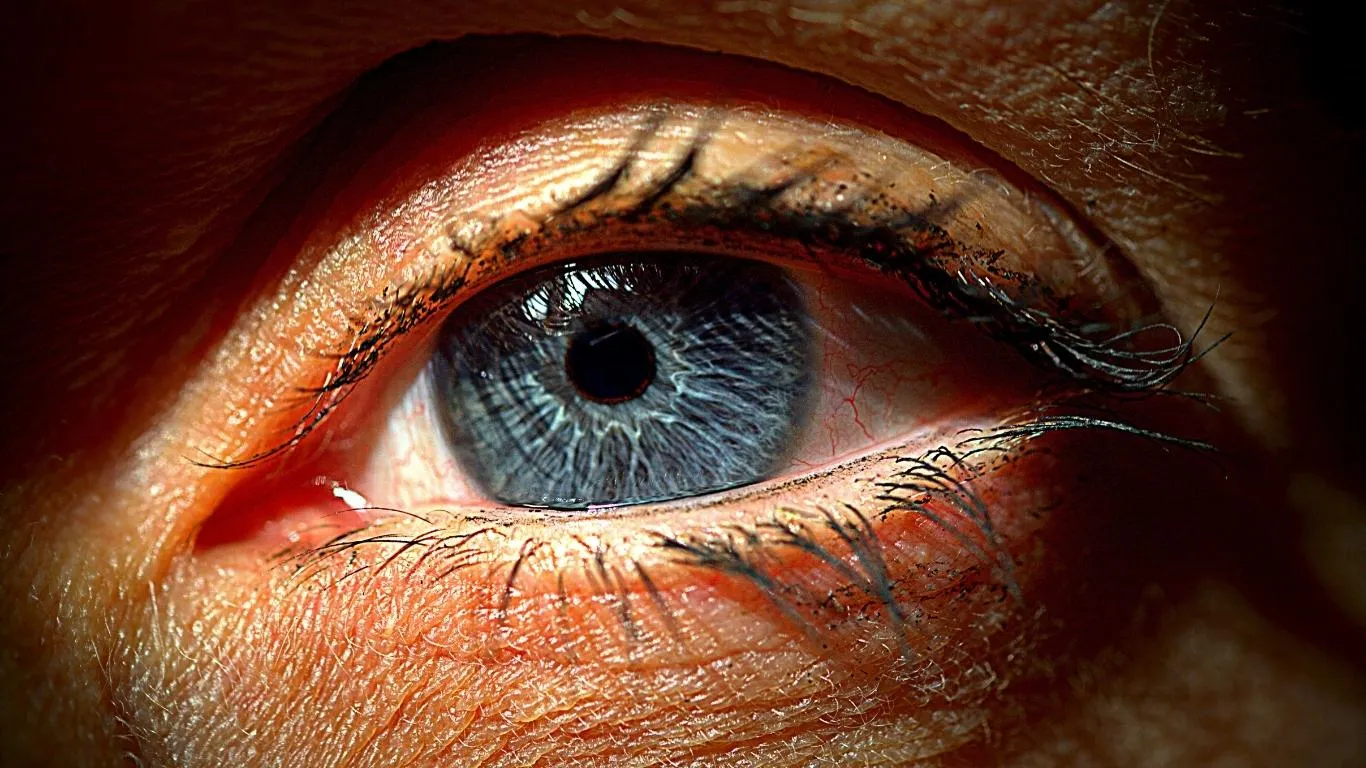
We often talk about hormones in the context of mood swings, hot flashes, or skin changes—but rarely do people mention the eyes. Yet your eyes are incredibly hormone-sensitive. Estrogen, progesterone, testosterone, thyroid hormones—they all play a role in keeping your vision stable.
When these levels fluctuate—especially during menopause, perimenopause, pregnancy, or even sudden drops caused by health conditions—your eyes can react in ways you wouldn’t expect. One of the lesser-known but common symptoms tied to this disruption? Yep, eye floaters.
Estrogen and the Vitreous Connection
Estrogen helps maintain the structural integrity of collagen-rich tissues. Guess what the vitreous—the gel-like substance inside your eye—is made of? Primarily water and collagen. As estrogen levels decline, especially during menopause, that gel can become less stable. The collagen fibers start clumping together, creating the shadows we perceive as floaters.
- Increased estrogen fluctuation = destabilized vitreous
- Breakdown of collagen leads to visible floaters
- Dryness and vision fatigue may intensify symptoms
Eye Floaters During Menopause
When I started entering perimenopause, I noticed my floaters were worse on some days. There wasn’t a pattern I could pinpoint at first. But after speaking to an eye specialist, they confirmed that many women report a surge in floaters right around major hormonal milestones—especially menopause. This isn’t just anecdotal. Several clinical studies point to the vitreous degeneration linked with estrogen withdrawal.
If you’re navigating this stage of life and noticing weird little shapes drifting across your field of vision, it’s worth checking if hormones are playing a role. It’s not uncommon for women to experience increased floaters after menopause. And sometimes, they’re persistent.
Is it Just Hormones or Something More?
While hormone changes can explain a lot, don’t rule out more serious causes. For instance, a sudden influx of floaters could indicate a retinal tear or detachment. That’s why it’s crucial to consult a specialist if your floaters come with flashes of light or vision loss.
Hormones and Floaters During Pregnancy
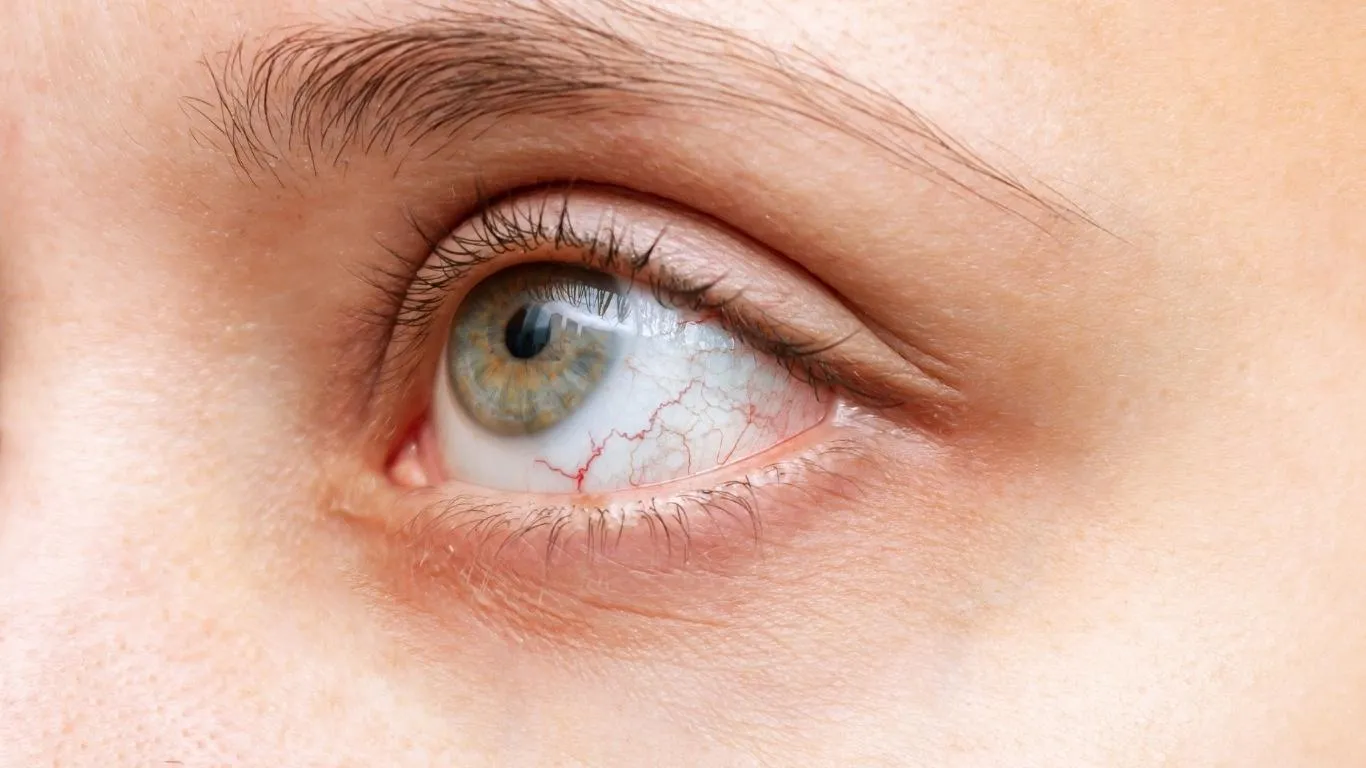
Floaters during pregnancy? Yep, been there too. Hormones surge, fluid retention increases, and your eyes can feel like they’re along for the ride. In my second trimester, I remember staring at my computer screen and thinking, “Wait—was that a bug or another floater?” Spoiler: it was a floater.
These symptoms are generally harmless, but they can be unnerving. According to ophthalmologists, this is often due to increased blood volume and hormonal shifts causing minor changes in the retina and vitreous body.
Still, in rare cases, persistent floaters in pregnancy could hint at conditions like preeclampsia or gestational hypertension. Keep your doctor in the loop—better safe than sorry.
Can Thyroid Hormones Cause Floaters?
Absolutely. Thyroid issues, especially hyperthyroidism or Hashimoto’s, can alter your vision. I once had a friend who noticed her floaters got worse whenever her thyroid meds were adjusted. Turns out, thyroid-related floaters are a thing.
Thyroid disorders can lead to inflammation, increased eye pressure, and collagen degradation—all of which can trigger or worsen floaters. If you’re managing a thyroid condition and noticing changes in your vision, bring it up at your next appointment.
Other Hormonal Factors That Can Trigger Floaters
- Hormonal contraceptives: Changes in estrogen-progesterone balance may increase risk of floaters for some users. Learn more here.
- PCOS: Women with polycystic ovary syndrome often experience chronic inflammation and fluid retention, which may impact vitreous health.
- Adrenal imbalances: Cortisol, the stress hormone, can influence intraocular pressure and collagen breakdown over time.
On top of that, conditions like lupus or autoimmune thyroiditis may link directly to hormonal instability and eye symptoms. You’ll find a great breakdown on autoimmune-related floaters in this resource.
What You Can Actually Do About It
Let’s be real—floaters are annoying. But once you’ve ruled out the scary stuff, managing them becomes more about awareness than panic. In my case, reducing screen time during hormone-heavy days helped a lot. So did drinking more water (simple, but it worked).
Some women also explore natural remedies like hyaluronic acid supplements or antioxidant-rich diets. These won’t “cure” floaters, but they may improve overall eye health over time. Of course, always clear supplements with your doctor first—especially if you’re taking hormonal medications.
If floaters persist or worsen, some consider procedures like laser vitreolysis or vitrectomy. Those are bigger decisions and best discussed with an eye care professional. There’s a solid breakdown on treatment choices in this pillar article, and the main overview on eye floaters is here.
How Hormonal Shifts Make Floaters More Noticeable
One thing I didn’t expect was just how much more noticeable floaters became during certain hormonal cycles. For me, it was usually right before my period—when estrogen and progesterone took a nosedive. The floaters would suddenly seem darker, more defined, and more intrusive. I’d catch myself blinking, rubbing, even tilting my head to “shake” them off my retina (don’t do that, by the way).
This heightened visibility happens because hormones don’t just influence the vitreous—they also affect blood flow, hydration levels, and the retina’s sensitivity. During low-estrogen windows, your eyes may dry out, your focus may shift, and your awareness of those floaters becomes magnified.
There’s also the role of cortisol, your body’s stress hormone. Elevated cortisol levels (especially from chronic stress or hormonal imbalance) can impact intraocular pressure and accelerate vitreous changes. If you’re noticing more floaters during stressful weeks, you’re not imagining it.
When You Should Worry
Hormonal floaters are typically harmless, but here’s when you should take action:
- Sudden increase in number or size of floaters
- Flashes of light in your peripheral vision
- A curtain or shadow moving across your field of vision
These could indicate posterior vitreous detachment or worse—retinal tears. These situations go beyond hormonal fluctuation and need immediate evaluation.
How I Manage Floaters Triggered by Hormones
After months of tracking and tweaking, I found a few habits that help minimize the irritation and frequency of floaters tied to my cycle:
- Hydration is non-negotiable: I aim for at least 2.5 liters of water daily. I noticed on low-hydration days, my floaters felt more intrusive.
- Cutting back screen time: Especially a few days before my cycle. Less eye strain, less awareness of floaters.
- Supplement smart: I personally take lutein, omega-3s, and vitamin C. There’s a great breakdown of supportive options in this supplement guide.
- Eye yoga and palming: These relaxation techniques may not “fix” floaters, but they do ease tension and improve focus.
I also started journaling when floaters felt worse, and surprise—they often lined up with hormone dips. Recognizing that rhythm helped me stay less anxious when they flared up.
Why You Shouldn’t Ignore Hormonal Clues
Your body doesn’t operate in silos. Hormonal changes affect everything—mood, metabolism, and yes, even the gelatinous fluid in your eyeballs. Floaters may be the first visible clue that something’s shifting beneath the surface. Instead of brushing them off, consider them part of a bigger pattern. Are you sleeping less? Stressed more? Noticing cycle changes?
Floaters triggered by hormone changes often travel with stress-related floaters or even sleep-related vision issues. It’s rarely just “one thing.”
If you’re approaching menopause or managing a thyroid condition, these shifts might be more dramatic. And if you’re using hormone-based therapies or contraceptives, those changes could be amplified. It’s worth discussing floaters with your gynecologist or endocrinologist—not just your eye doctor.
What Experts Say
Several ophthalmologists agree that hormones don’t just influence mood—they affect the collagen matrix throughout the body. According to the American Academy of Ophthalmology (https://www.aao.org), menopause is one of the leading systemic events that can accelerate vitreous syneresis—the breakdown that leads to floater formation.
Meanwhile, organizations like the Endocrine Society (https://www.endocrine.org) have published findings linking estrogen deficiency to accelerated aging in connective tissues—including the eye.
This supports what many women (myself included) have already felt: the floaters aren’t random. They’re part of a hormone-driven chain reaction.
When to Explore Treatment Options
Most hormone-related floaters are a nuisance—not a medical emergency. But for some, the visual disturbances affect reading, driving, and even mental health. If you’re at that point, you’re not alone. I considered treatment myself after months of frustration.
Options include:
- Laser vitreolysis: Uses laser energy to break up large floaters. Usually done in-office.
- Pars plana vitrectomy: Surgical removal of the vitreous, typically reserved for extreme cases.
While I haven’t pursued these yet, I bookmarked this comprehensive guide to eye floater treatments to discuss with my doctor. If you’re thinking about going that route, this is the most balanced overview I’ve found.
Wrapping It All Together
Here’s what I wish more people knew: if you’re dealing with floaters and can’t figure out why they’re worse at certain times, hormones might be the missing puzzle piece. Don’t ignore your cycle, thyroid labs, or mood swings. It’s all connected. And the good news is—once you know the “why,” managing floaters becomes a lot less frustrating.
If you’re ready to explore floaters in more detail, including how to recognize them and how they differ from other eye problems, check out this deep dive on floater comparisons. And for the big picture on symptoms, causes, and when to take them seriously, the main pillar article on what causes eye floaters is a solid place to begin.

Camellia Wulansari is a dedicated Medical Assistant at a local clinic and a passionate health writer at Healthusias.com. With years of hands-on experience in patient care and a deep interest in preventive medicine, she bridges the gap between clinical knowledge and accessible health information. Camellia specializes in writing about digestive health, chronic conditions like GERD and hypertension, respiratory issues, and autoimmune diseases, aiming to empower readers with practical, easy-to-understand insights. When she’s not assisting patients or writing, you’ll find her enjoying quiet mornings with coffee and a medical journal in hand—or jamming to her favorite metal band, Lamb of God.