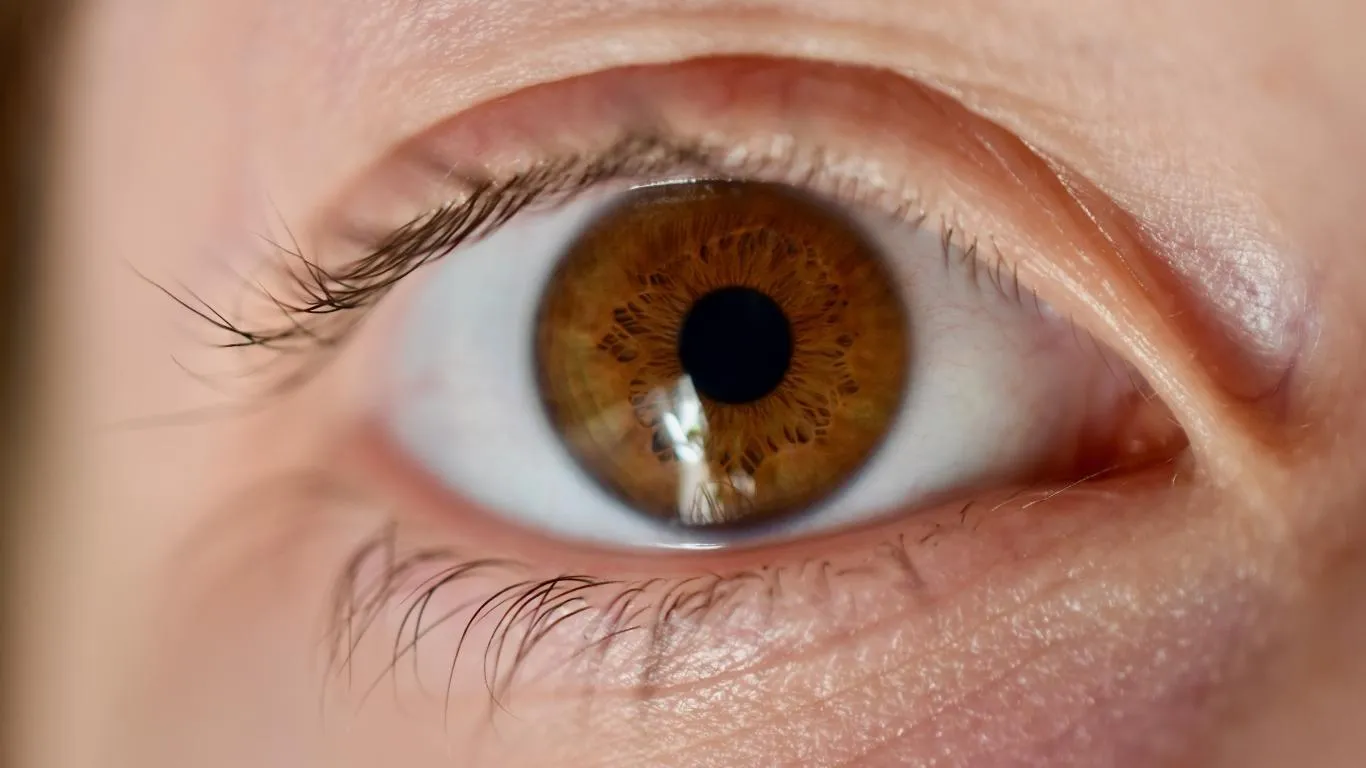
How to Reduce Floaters Post Eye Infection and Improve Vision
About two years ago, after battling a particularly nasty viral eye infection, I thought the worst was over. My vision cleared up, the redness faded, and I tossed out the antibiotic drops with a silent cheer. But then came the floaters — tiny threads and dark specks dancing across my field of vision like they had signed a lease in my eyeball. At first, I thought it was a temporary thing. Turns out, post-infection floaters are a bit more stubborn than I expected. If you’ve recently recovered from an eye infection and noticed these unwelcome floaty guests, you’re definitely not alone.
Understanding Floaters After an Eye Infection
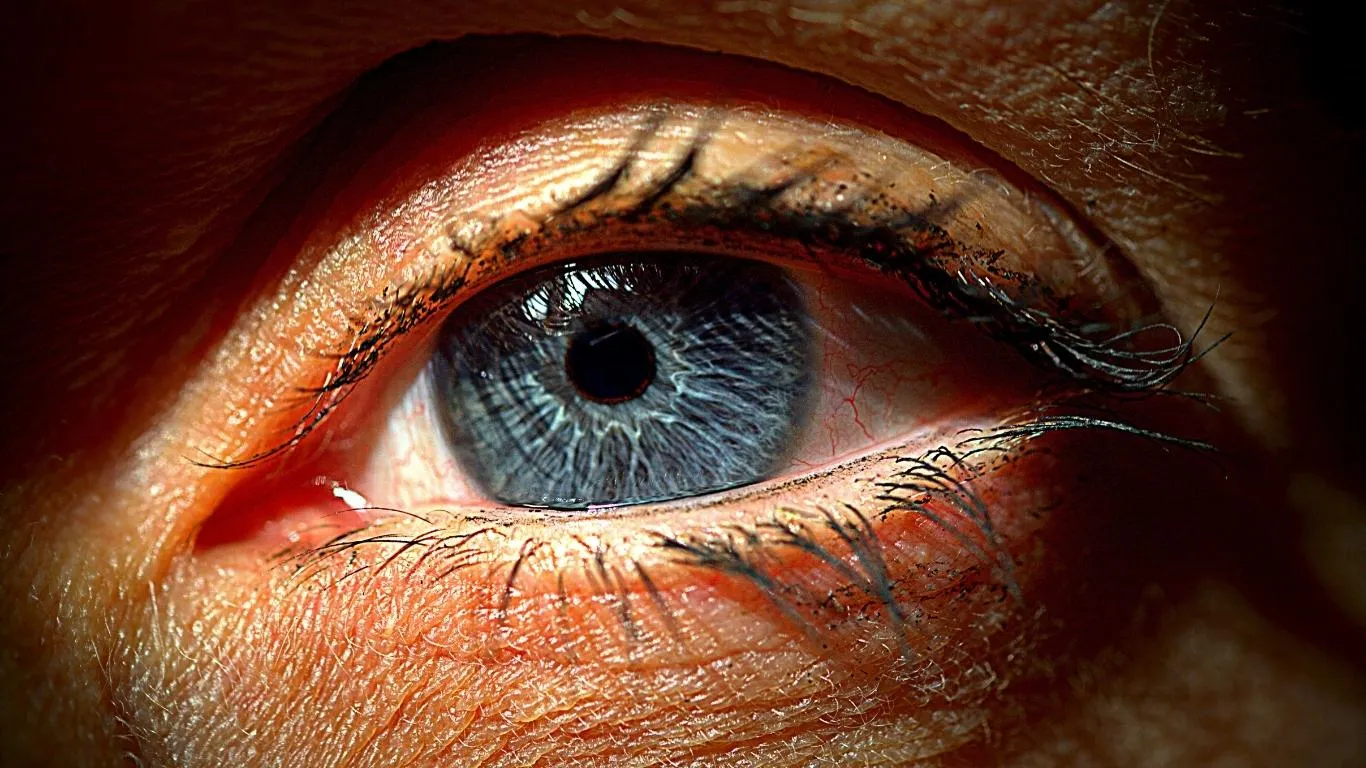
Floaters post eye infection treatment aren’t just annoying — they can be genuinely alarming, especially if you’ve never experienced them before. These floaters are typically caused by small clumps or strands forming in the vitreous — the jelly-like substance inside your eye — as a response to inflammation or trauma from the infection.
Some people experience sudden floaters, while others gradually notice them over days or weeks. The key thing to remember? It’s not always a sign something is wrong again, but it does warrant attention if the floaters come with flashes of light or worsening vision.
Why Do Floaters Appear After an Eye Infection?
Your eye goes through a lot during an infection. Whether it’s viral, bacterial, or fungal, the inflammation can stir up debris or even trigger microscopic changes to the vitreous. This is especially true for conditions like viral eye infections, where the immune response can be quite aggressive.
- Inflammation: This can create protein clumps or dead cells that float in your vision.
- Residual damage: Infections can sometimes scar the retina or vitreous, especially if not treated early.
- Vitreous detachment: If the infection triggers vitreous pulling away from the retina, floaters can follow fast.
According to the American Academy of Ophthalmology, sudden onset floaters following eye trauma or infection should always be evaluated to rule out more serious issues like retinal tears.
What You Can Expect During Recovery
One thing I quickly learned: patience is part of the process. Floaters from an eye infection may linger for weeks, sometimes months. In most cases, they gradually become less noticeable as your brain learns to ignore them.
Timeline of Symptom Resolution
- Week 1-2: Floaters may increase slightly as inflammation settles.
- Week 3-6: They may start shifting or moving less erratically.
- After 2 Months: Many people report a reduction in size or frequency.
But — and this is important — if floaters worsen, become dense, or come with pain or photopsia (light flashes), that’s a red flag. It could indicate a more serious condition like posterior vitreous detachment or even a retinal tear.
Practical Strategies to Manage Floaters Naturally
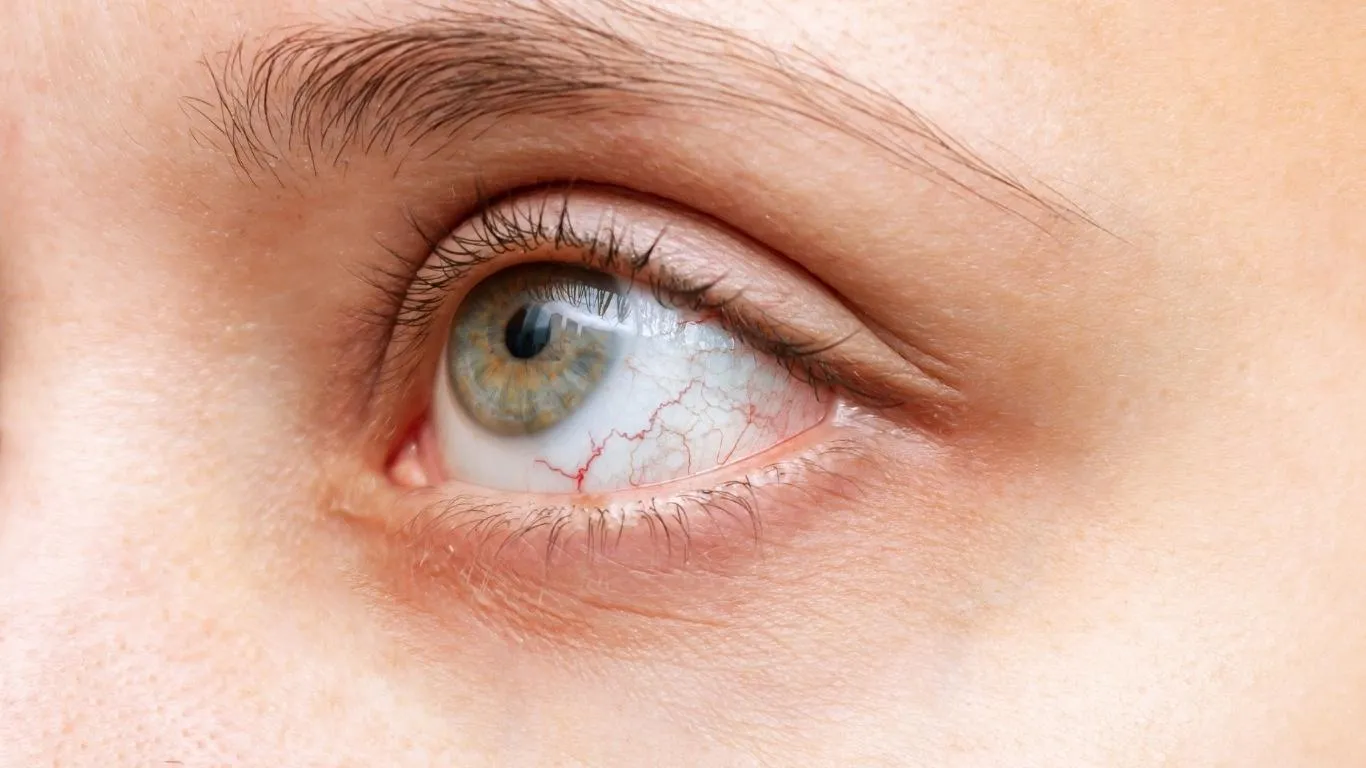
I tried everything short of chanting in the mirror to banish my floaters. And while there’s no miracle cure, some methods helped ease my frustration — and my floaters felt less intrusive.
Here’s what actually helped:
- Hydration: Staying hydrated seemed to help. Dehydration can make floaters more noticeable, according to this overview on floaters and dehydration.
- Screen breaks: Too much time staring at screens made the floaters more prominent. Short, frequent breaks helped me a lot.
- Good lighting: I avoided very bright or very dark environments. Balanced lighting reduces contrast with floaters.
- Eye exercises: I know it sounds weird, but slow eye movements side to side or up and down helped shift floaters temporarily out of view.
While some people swear by supplements like lutein or omega-3s, the scientific backing is still mixed. But I added more greens, fatty fish, and citrus fruits into my diet — no harm, and maybe some benefit.
When Medical Intervention Is Needed
If you’re like me and the floaters stick around longer than they should, a trip to the ophthalmologist is your next move. They’ll usually do a dilated eye exam to rule out retinal problems or lingering inflammation.
In rare cases where floaters severely impact daily vision or quality of life, procedures like vitrectomy or YAG laser vitreolysis may be considered. But these are typically last-resort options. Most floaters do not need surgical intervention — they need time, and a bit of patience.
Consider these questions before seeking intervention:
- Are the floaters increasing rapidly?
- Do you see flashes of light?
- Are you having difficulty with everyday tasks like reading or driving?
Be sure to also check out our complete breakdown of treatment options for floaters if your symptoms persist beyond what feels reasonable.
And if you’re still navigating what all these floaters mean long-term, I highly recommend starting with this comprehensive guide to floaters as your foundation. For more on recognizing the symptoms that might be tied to post-infection changes, dive into common floater symptoms you shouldn’t ignore.
Long-Term Vision Care After Eye Infections
Once the infection is long gone and floaters become less of a distraction, it’s easy to forget your eyes went through a war. But ignoring long-term care is one of the fastest ways to end up back in that exam chair. I didn’t fully grasp how sensitive the eye is until I experienced a secondary inflammation flare-up — trust me, it wasn’t fun.
Here’s what I wish I had done sooner:
- Routine checkups: Even if everything seems fine, annual eye exams help catch subtle post-infection changes early.
- Protective eyewear: Sunglasses with UV protection are a must — not just for floaters but for overall retinal health.
- Anti-inflammatory diet: I began prioritizing foods rich in antioxidants like spinach, blueberries, and nuts to support my ocular health.
Sometimes, an eye infection can weaken ocular immunity or alter the vitreous environment long-term. That’s where maintaining strong overall eye health matters more than ever.
Floaters vs. Other Post-Infection Visual Disturbances
During recovery, I occasionally saw little flashes or shimmering patches, and of course I panicked — “Are the floaters getting worse? Is it something new?” But not all visual weirdness is related to floaters. Here’s what I’ve learned from my eye specialist and way too many hours Googling:
- Floaters: Appear as moving shadows, strands, or spots. They drift as your eye moves and are especially noticeable against bright backgrounds.
- Flashes (photopsia): Quick bursts of light, often due to vitreous tugging on the retina — can be a warning sign.
- Visual snow or static: Often neurological and not related to floaters. Usually persistent and uniform across vision.
- Blurred zones or dark spots: These may indicate retinal swelling or macular issues and need immediate medical evaluation.
If you’re noticing something unusual beyond floaters, don’t self-diagnose. Here’s how to tell floaters apart from other eye conditions.
When Floaters Are a Sign of Something More Serious
Let’s get real — while most floaters are benign and annoying at worst, there are situations where they can signal a bigger issue. The mistake I almost made was ignoring new floaters after a second minor eye infection. Good thing I booked that follow-up.
Red flags that require immediate attention:
- Sudden shower of floaters
- Floaters accompanied by light flashes
- Loss of peripheral vision
- Dark shadows or curtain-like effect across vision
- Pain, redness, or pressure behind the eye
These could be symptoms of retinal detachment, hemorrhage, or other serious issues. One particularly overlooked cause is uveitis — an inflammatory condition that often follows infections and can lead to chronic floaters if untreated.
Psychological Impact of Persistent Floaters
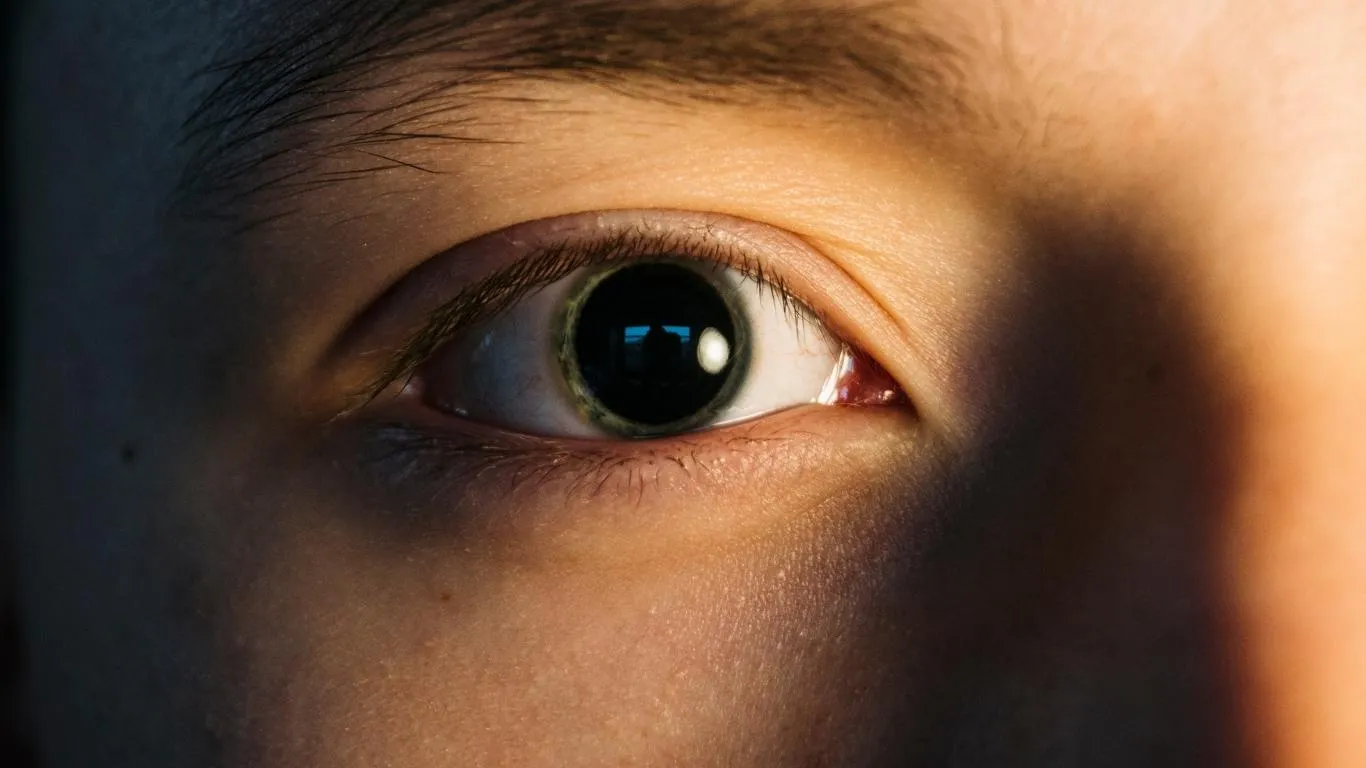
Here’s the side of floaters post eye infection treatment that doesn’t get talked about enough: the mental toll. I was obsessing over every tiny speck, checking if they’d grown or multiplied every morning. It got exhausting.
Floaters can mess with your mind. Constant visual disturbances may trigger anxiety, distract you at work, and make it hard to enjoy daily activities. I personally struggled with “vision fatigue” — my eyes felt constantly strained because I was hyper-aware of every little movement.
What helped me manage it:
- Mindfulness and relaxation techniques
- Talking to an eye care professional — sometimes just hearing “this is common and manageable” helped reduce stress
- Joining online vision health communities for support
Over time, I trained myself to shift my focus — quite literally — away from the floaters and onto the bigger picture (pun intended).
Supporting Your Eyes Holistically Post-Infection
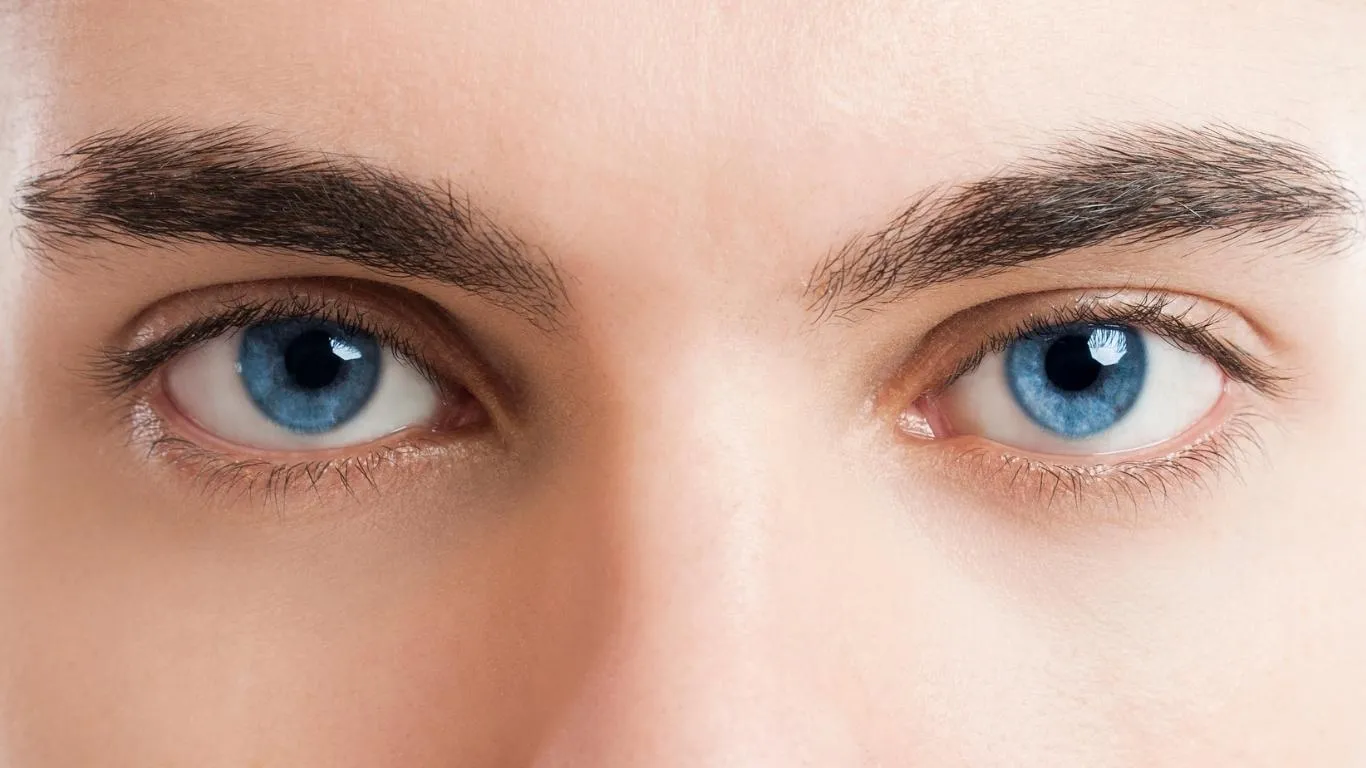
In hindsight, I treated the infection, but ignored the recovery process. It took me a while to realize that floaters don’t exist in isolation — they’re part of a bigger picture of overall eye health. So I started supporting my vision in more holistic ways.
Changes I made that actually helped:
- Omega-3s and hydration: Noticed fewer flare-ups when I stayed consistent.
- Reduced screen time in the evenings: My floaters were less visible in the morning.
- Sleep hygiene: Good sleep seemed to reset my visual stress — eyes felt calmer.
- Cutting sugar: Might be anecdotal, but I had less visual ‘noise’ after adjusting my diet.
If you’re looking to understand other potential links, like if conditions such as diabetes may affect your floaters, check out how diabetes can be a factor in floaters.
Floaters post infection might not go away entirely, but they don’t have to control your visual experience either. I’ve learned to adapt, monitor, and make smarter choices — and now they barely phase me.
Need a refresher on how floaters start, what causes them, and why they happen after conditions like infections? Make sure you’ve read this foundational guide to eye floaters. And for those unsure whether post-infection floaters are harmless or a sign of more, you can always revisit when floaters may indicate something serious.

Camellia Wulansari is a dedicated Medical Assistant at a local clinic and a passionate health writer at Healthusias.com. With years of hands-on experience in patient care and a deep interest in preventive medicine, she bridges the gap between clinical knowledge and accessible health information. Camellia specializes in writing about digestive health, chronic conditions like GERD and hypertension, respiratory issues, and autoimmune diseases, aiming to empower readers with practical, easy-to-understand insights. When she’s not assisting patients or writing, you’ll find her enjoying quiet mornings with coffee and a medical journal in hand—or jamming to her favorite metal band, Lamb of God.