How Uveitis Triggers Eye Floaters and What You Should Know
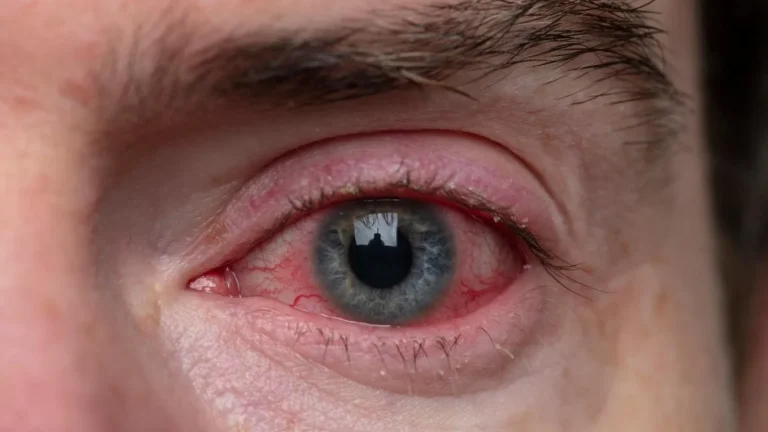
It started with a dull ache behind my right eye, followed by what looked like squiggly threads drifting across my vision. I brushed it off—too much screen time, maybe. But within a few days, those shadows intensified. Turns out, I was dealing with something more serious than tired eyes: uveitis, and it was the reason I suddenly had a swarm of floaters clouding my sight.
What Is Uveitis and Why It Matters for Eye Floaters?
Uveitis is the inflammation of the uvea, the middle layer of your eye. It sounds simple, but this condition can have a profound impact on your vision—especially when it’s left untreated. What makes it worse? When uveitis messes with the delicate gel-like substance in your eye called the vitreous, it can stir up a visual mess of floaters.
Floaters are those pesky spots, cobwebs, or shadows that seem to drift across your line of sight. In cases of posterior uveitis, these floaters can become dense and persistent, making day-to-day tasks frustrating.
This isn’t just an old-age problem. I was barely in my 30s when it hit. And while uveitis isn’t exactly common, it’s a sneaky culprit behind eye floaters—especially when inflammation lingers in the back of the eye.
How Uveitis Causes Floaters in the First Place
When the uvea becomes inflamed, inflammatory cells and proteins can spill into the vitreous. This material doesn’t just disappear—it lingers, and your brain interprets it as floaters. If the inflammation is severe, it can even lead to scarring or damage to nearby tissues, which worsens the visual disturbances.
Types of Uveitis Most Commonly Linked to Floaters
- Posterior uveitis: This targets the back of the eye and is the top troublemaker when it comes to floaters. The inflammation often hits the retina and vitreous, leading to persistent floaters and even blurred vision.
- Intermediate uveitis: Affects the vitreous directly and often causes numerous floaters that can suddenly appear or worsen over time.
Interestingly, anterior uveitis (which affects the front of the eye) rarely causes floaters unless it spreads. So if you’re seeing floaters and have uveitis, chances are it’s impacting deeper structures.
Symptoms That Shouldn’t Be Ignored
Eye floaters from uveitis don’t usually come alone. They’re often joined by other uncomfortable signs. In my case, it wasn’t just floaters—I also noticed sensitivity to light, some blurriness, and a strange feeling of pressure deep in my eye socket.
Watch out for these symptoms:
- Sudden or increased number of floaters
- Blurred or cloudy vision
- Eye pain or redness
- Light sensitivity (photophobia)
- Dark spots in your field of vision
These aren’t just annoying—they’re signs that your eye might be undergoing real damage. Inflammation needs to be managed quickly to avoid complications like permanent floaters, retinal damage, or even vision loss.
When to See an Eye Specialist
If floaters are suddenly appearing and you’ve been diagnosed with or suspect uveitis, don’t wait. I learned the hard way that hoping it would “just go away” only made it worse. A dilated eye exam can quickly confirm if inflammation is brewing in the vitreous or retina.
Depending on the cause—whether it’s autoimmune, infection-based, or idiopathic (no known cause)—your doctor might recommend steroid eye drops, oral medication, or even injections to calm the inflammation.
Treatment Options to Manage Uveitis Floaters
Managing floaters from uveitis starts by calming the inflammation. Once that’s under control, floaters may gradually fade—but some can linger long-term.
Medical options include:
- Topical or oral corticosteroids: These are the go-to for reducing inflammation. However, they need to be carefully managed due to side effects like increased eye pressure.
- Immunosuppressive drugs: Used when uveitis is chronic or linked to autoimmune diseases like lupus or sarcoidosis.
- Anti-infective treatments: If uveitis stems from infections like toxoplasmosis or herpes viruses, specific antimicrobial therapy is essential.
And for stubborn floaters that won’t go away even after inflammation resolves, vitrectomy surgery might be an option—though it’s usually reserved for severe cases due to its risks.
For a deeper dive into treatment strategies, this guide on eye floater treatment options explores everything from conservative care to surgery.
Understanding the Bigger Picture
Uveitis isn’t just about floaters—it can damage multiple parts of the eye if not addressed early. The floaters may be your first warning sign. They were mine. Getting the inflammation under control was key to saving my vision and reducing the frustrating fog that clouded my sight.
To better understand how floaters relate to other eye conditions and when they’re truly a sign of something serious, check out this comprehensive guide: What Are Eye Floaters? Causes, Symptoms, and Treatments.
How Long Do Uveitis-Related Floaters Last?
One of the first things I asked my ophthalmologist was, “When will these floaters go away?” The answer, as frustrating as it may sound, was: it depends. The duration of floaters caused by uveitis varies widely based on several factors—how severe the inflammation is, how quickly it’s treated, and whether any permanent changes occurred in the vitreous or retina.
If uveitis is treated early, floaters can begin to fade in a matter of weeks. In mild cases, they may disappear entirely. But if the inflammation has been active for a while, or if scarring has occurred, some floaters may linger for months—or longer. In chronic or recurrent uveitis, the floaters can become a persistent part of daily life.
My own experience? The worst floaters faded after about three months. A few still dance around now and then, but they’re far less intrusive—more like background noise than visual interference.
Are These Floaters Dangerous?
Not all floaters are dangerous. But floaters from uveitis carry a different weight than the ones we develop naturally as we age. Inflammatory floaters are often a red flag for active disease or retinal complications. The most worrisome risks include:
- Retinal swelling (macular edema)
- Scar tissue formation on the retina or vitreous
- Retinal detachment if inflammation weakens structures within the eye
While floaters alone may seem harmless, they’re often your body’s warning system. If they’re associated with pain, redness, or vision changes, it’s time to act. Delayed care increases the risk of irreversible vision damage. That’s why having them evaluated by an eye professional is critical—especially if you have a history of autoimmune disorders, infections, or prior eye inflammation.
Natural Approaches – Do They Work?
I’ll admit—I was tempted by all the “natural eye floater cures” floating around the internet. Eye exercises, herbal teas, and supplements like turmeric or lutein? Tried them. While they didn’t make my floaters vanish overnight, some lifestyle shifts helped reduce inflammation flare-ups.
Helpful natural habits include:
- Anti-inflammatory diet: Omega-3 rich foods (like salmon), leafy greens, and berries can support eye health.
- Hydration: Keeping your body (and eyes) hydrated helps maintain the vitreous’ structure.
- Limiting screen time: Digital strain can worsen floaters or make them more noticeable.
- Supplements: Some people report benefits from lutein, zeaxanthin, and zinc—but results are mixed, and always consult your doctor first.
For those curious about the validity of natural remedies, the article Natural Ways to Manage Eye Floaters: Fact or Fiction? dives deeper into what’s worth trying (and what’s just hype).
What Happens If You Ignore Uveitis Floaters?
Floaters might seem harmless at first, but ignoring them—especially when they stem from uveitis—can lead to serious outcomes. Chronic inflammation can quietly erode your retinal health, and by the time symptoms become obvious, damage may already be done.
Some of the long-term risks include:
- Persistent vitreous opacities (permanent floaters)
- Vision distortion from retinal scarring
- Increased intraocular pressure (which may lead to glaucoma)
Trust me, you don’t want to take the “wait and see” approach here. Early diagnosis and proactive treatment made all the difference for me—and spared me from the complications I could’ve faced.
Living with Floaters After Uveitis
Even after the inflammation clears, some floaters might stick around. They don’t always mean something is wrong—but they do take some mental adjustment. Over time, your brain learns to tune them out. I barely notice mine anymore unless I look at a bright screen or the sky.
Here’s what helped me adapt:
- Using darker backgrounds on screens
- Wearing sunglasses outdoors to reduce contrast
- Practicing eye relaxation techniques like palming and blinking routines
Acceptance doesn’t mean ignoring symptoms. It just means knowing when to relax—and when to seek help again. And if you’ve experienced a similar struggle, connecting with others going through uveitis or floaters can be surprisingly empowering.
Preventing Future Flare-Ups

If there’s one thing I wish I’d known sooner, it’s how much control I actually had. While you can’t always prevent uveitis—especially if it’s autoimmune—you can reduce your risk of flare-ups.
Prevention tips that worked for me:
- Regular checkups, even when things “feel fine”
- Taking medications as prescribed, and not skipping doses during symptom-free periods
- Wearing protective eyewear in dusty or high-risk environments
- Managing underlying conditions like Crohn’s disease or rheumatoid arthritis
Consistency and communication with your specialist are key. Uveitis isn’t a one-and-done kind of issue—it often needs long-term management.
Recognizing the Signs Early Can Save Your Sight
It’s easy to shrug off floaters as annoying but harmless. But in the context of uveitis, they’re a visual alarm bell. Knowing the difference between benign floaters and those caused by inflammation can protect your vision and give you a head start on treatment.
And if you’re ever unsure, refer to this essential guide on how to tell the difference between floaters and other vision problems: Eye Floaters vs Other Eye Problems.

Camellia Wulansari is a dedicated Medical Assistant at a local clinic and a passionate health writer at Healthusias.com. With years of hands-on experience in patient care and a deep interest in preventive medicine, she bridges the gap between clinical knowledge and accessible health information. Camellia specializes in writing about digestive health, chronic conditions like GERD and hypertension, respiratory issues, and autoimmune diseases, aiming to empower readers with practical, easy-to-understand insights. When she’s not assisting patients or writing, you’ll find her enjoying quiet mornings with coffee and a medical journal in hand—or jamming to her favorite metal band, Lamb of God.