

Migraines and Headaches Explained: Causes, Symptoms, Relief Tips
When I first started experiencing migraines, I mistook them for just another bad headache. It wasn’t until I found myself regularly retreating to a dark room, avoiding conversations, and even canceling plans that I realized this wasn’t ordinary. Migraines are far more than pain—they’re a full-body disruption. Whether you’ve just begun your journey or have struggled with them for years, understanding migraines is the first step toward managing life around them.
Understanding Migraines: More Than Just a Headache

A migraine isn’t your average headache. It’s a complex neurological condition that affects over 1 billion people worldwide, according to World Health Organization. What makes migraines particularly frustrating is their unpredictability and the range of symptoms they bring.
What Exactly Is a Migraine?
Migraines are typically described as intense, throbbing pain on one side of the head, but they can also be accompanied by visual disturbances or aura, nausea, vomiting, and sensitivity to light and sound. Some people even experience numbness or tingling sensations.
The Four Phases of a Migraine
Most migraines occur in distinct phases, though not everyone experiences them all:
- Prodrome: Subtle warning signs such as mood swings, food cravings, or fatigue, occurring hours or even days before the migraine.
- Aura: A phase that may include visual symptoms (flashing lights, zigzag lines), difficulty speaking, or sensory changes.
- Attack: The actual migraine pain, typically lasting 4 to 72 hours.
- Postdrome: Often referred to as the “migraine hangover,” this phase can leave you feeling drained or confused.
Learn more about the stages of a migraine for deeper insight into how each phase affects the body.
Common Migraine Triggers

One of the most frustrating aspects of managing migraines is figuring out what causes them. For me, stress and certain processed foods were big offenders. Everyone’s triggers are different, but some patterns do emerge.
Typical Trigger Categories
- Hormonal shifts: Especially common in women during menstruation, pregnancy, or menopause. See our article on hormonal migraine triggers.
- Food and drink: Aged cheeses, red wine, and foods with MSG or nitrates are frequent culprits. See the list of migraine-triggering foods.
- Environmental factors: Changes in weather, strong odors, or bright lights. Curious about weather sensitivity? Here’s how weather can trigger migraines.
- Stress and anxiety: Emotional upheaval can not only trigger a migraine but worsen its duration.
- Sleep disturbances: Both too little and too much sleep can wreak havoc. Learn more about migraine and sleep habits.
Journaling your migraine occurrences with a migraine diary can help pinpoint your unique triggers.
Recognizing Migraine Symptoms

Migraine symptoms go well beyond the headache itself. Some of the lesser-known signs can actually be the most disruptive to daily life.
Physical Symptoms
- Throbbing or pulsing pain, usually on one side
- Nausea or vomiting
- Sensitivity to light, sound, and even smells
- Fatigue and dizziness
- Blurred vision or eye floaters
Neurological Symptoms
- Speech difficulty
- Confusion or cognitive fog
- Temporary loss of vision (during aura)
- Unusual body sensations like tingling or numbness
For a deeper breakdown of the full range of symptoms, visit our Migraine Symptoms Cluster page.
Why Early Diagnosis Matters

I delayed seeing a specialist for far too long, assuming I could “tough it out.” That was a mistake. Getting an early diagnosis not only helped me find the right medication but also validated what I was experiencing—something that often gets dismissed by others.
How Migraines Are Diagnosed
Diagnosis often involves a detailed medical history, a neurological exam, and tracking symptoms over time. Some cases may require an MRI or CT scan to rule out other conditions.
Learn more about the diagnosis process in our detailed article on How Migraines Are Diagnosed.
When to See a Specialist
- If headaches become more frequent or severe
- If over-the-counter medication stops working
- If symptoms begin to interfere with your work or relationships
- If you notice early warning signs before a migraine sets in
Sometimes a general practitioner isn’t enough. Consider speaking with a neurologist if you’re not getting answers.
Explore More from the Migraine Hub

- Learn about common triggers and how to avoid them
- Discover evidence-based treatments including medication and alternative therapies
- Explore natural remedies like yoga, magnesium, or essential oils
- Find out how different groups experience migraines in the Populations cluster
- Browse migraine-related devices in the tools and devices cluster
And of course, you can always return to our Migraine & Headache Pillar to access every resource in one place.
Effective Migraine Treatments That Actually Work

I remember how exhausting it was bouncing from one remedy to another before finding what worked. Treating migraines isn’t one-size-fits-all—it’s trial, error, and persistence. Thankfully, modern medicine and integrative approaches offer a wide variety of options.
Over-the-Counter (OTC) Solutions
- Ibuprofen and Naproxen: NSAIDs often help if taken early, though they may cause stomach upset with frequent use.
- Acetaminophen: Gentler on the stomach but may be less effective for severe migraines.
- Explore our guide on OTC migraine medications for safe usage tips.
Prescription Medications
- Triptans: Work by narrowing blood vessels and blocking pain pathways. They’ve helped me cut down migraine duration significantly.
- Ergotamines: Less commonly used but effective for prolonged attacks.
- Anti-nausea meds: Often prescribed with migraine treatments to manage queasiness.
- Read our full list of prescription migraine drugs.
Innovative Medical Treatments
- Botox injections: FDA-approved for chronic migraines, usually administered every 12 weeks. See how Botox helps migraine sufferers.
- CGRP inhibitors: Target a specific protein involved in migraine attacks. They’ve been a game-changer for many. More on CGRP inhibitors.
If conventional routes fail, consulting a neurologist might uncover underlying patterns or conditions contributing to your attacks.
Natural Migraine Remedies Worth Trying

Not everyone wants to rely solely on medication—and honestly, I don’t blame them. For me, incorporating natural remedies alongside prescriptions helped cut my attack frequency in half.
Herbal and Nutritional Approaches
- Magnesium: This mineral supports nerve function and may reduce migraine frequency. Learn about magnesium’s role in migraines.
- CoQ10: An antioxidant that may improve mitochondrial function. Read more on CoQ10 for migraine.
- Vitamin B2 (Riboflavin): In clinical studies, it’s been shown to reduce attacks. Here’s how vitamins support relief.
- Herbal remedies: Like butterbur and feverfew, though you should consult a healthcare provider first. Details in our herbal migraine guide.
Complementary Therapies
- Acupuncture: Stimulates nerves and muscles, offering pain relief. Discover how acupuncture can help.
- Biofeedback: Teaches body awareness and relaxation to reduce stress-related attacks. See our article on biofeedback techniques.
- CBT (Cognitive Behavioral Therapy): Especially useful if migraines are tied to anxiety or depression. Learn about CBT and migraines.
These therapies often work best when customized to your unique pattern and symptoms, ideally with guidance from a licensed provider or functional medicine practitioner.
Preventing Migraines Through Lifestyle Changes

After tracking migraines for years, I’ve noticed they hate consistency—in your routine. Surprisingly, adding rhythm and routine to your lifestyle might be your strongest defense.
Sleep and Stress Management
- Stick to consistent sleep hours—even on weekends
- Avoid oversleeping; aim for 7–8 hours
- Use guided meditation or journaling to reduce emotional stress
- Check our article on best sleep positions for migraine support
Diet and Hydration
- Stay hydrated—dehydration is a common trigger (see the link)
- Eat balanced meals at regular times to avoid blood sugar dips
- Work with a nutritionist for migraine-safe diet plans
Movement and Exercise
Moderate, regular exercise may reduce migraine frequency—but overdoing it can backfire. I started slow with yoga and light walking.
- Start with 20–30 minutes, 3x a week
- Explore our tips on the exercise-migraine connection
Helpful Tools, Devices, and Apps

Technology has become a surprisingly helpful companion in migraine care. I use both a migraine app and a wearable device, and I genuinely notice the difference in how I manage early signs.
Wearables and Relief Devices
- Cefaly: An FDA-cleared neurostimulator worn on the forehead. My personal favorite for stopping migraines early. Read our Cefaly review.
- Nerivio: Smartphone-controlled device that delivers remote electrical neuromodulation. Full details in this review.
- Other tools: Blue light glasses, noise-canceling earplugs, cooling wraps—see all options in our device roundup.
Tracking and Management Apps
- Migraine Buddy, N1-Headache: Help log triggers, intensity, treatments, and more
- Smartwatches: Some offer heart rate or sleep tracking that can signal pre-migraine patterns. Read more about using smartwatches for migraine support
Need help finding the right app? Explore our full list of migraine tracking apps.
Continue exploring our Migraine Hub for more insights tailored to your unique journey.
Migraines Across Life Stages: A Shifting Experience

Something I didn’t expect was how my migraines evolved over time. They looked different in my twenties than they do now. That’s one of the many things that makes migraines so tricky—they don’t play fair, and they certainly don’t stay the same.
Childhood Migraines
Children can get migraines too, though they’re often underdiagnosed. The pain may last for a shorter time and sometimes presents as abdominal pain more than head pain. If you’re a parent, check out our resource on childhood migraines for signs and coping strategies.
Teen Triggers
Hormonal changes, academic stress, and erratic sleep are just a few teen-specific triggers. Learn how to navigate this in our article on teen and school-related migraine triggers.
Pregnancy and Menstrual Migraines
Hormonal fluctuation during pregnancy can worsen or surprisingly reduce migraine episodes. Personally, I had fewer attacks during pregnancy but more severe ones postpartum. Read our full guides on menstrual migraines, pregnancy-related migraines, and the effects of birth control on migraines.
Migraines in Older Adults
Seniors may experience fewer migraine attacks but more comorbid symptoms like neck pain or balance issues. It’s essential to distinguish these from other neurological conditions. Learn more in our piece on senior migraines.
Living—and Working—With Migraines

Living with migraines is about far more than finding treatment. It’s about learning to exist within their unpredictability. From work adjustments to managing social plans, migraine sufferers often live with invisible limitations.
Migraine-Friendly Workspaces
- Use anti-glare screens and adjustable lighting
- Take scheduled screen breaks every 20–30 minutes
- Consider blue light glasses—explore options in our guide
- For noise-sensitive individuals, find the best migraine earplugs
If you need help advocating for your needs at work, read our practical advice on working while managing migraines.
Daily Life Hacks for Migraine Management
- Keep hydration reminders on your phone
- Stick to consistent meal and sleep schedules
- Use cooling eye masks or heated neck wraps for relief
- Have a “migraine bag” ready: meds, water, earplugs, tinted glasses
Whether you’re commuting, parenting, or managing projects, small changes make a massive difference in comfort and control. Travel often? Don’t miss our travel tips or what to expect when flying with migraines.
Influencers, Experts & Support Communities
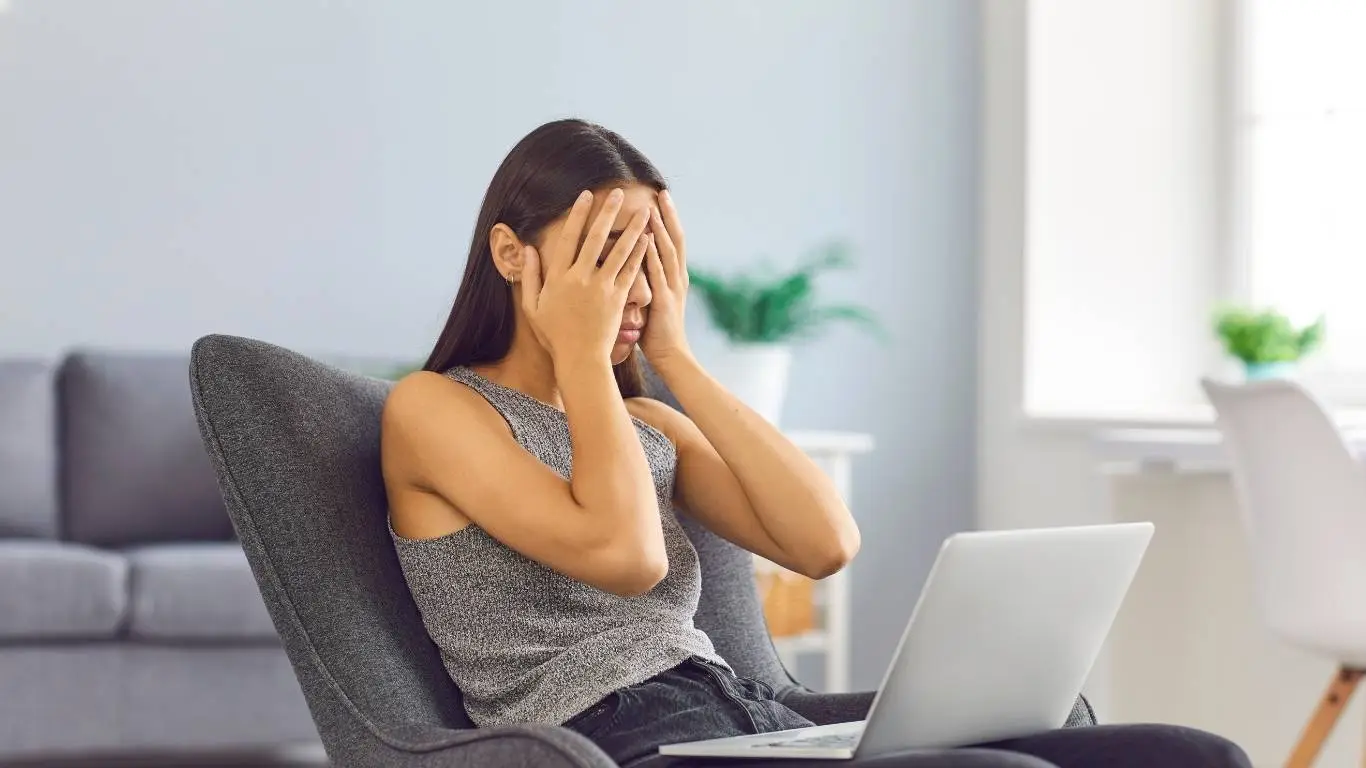
One of the things that helped me most was hearing from others who’ve been there. Online communities, expert interviews, and even influencers sharing their routines gave me validation—and tips that worked.
Follow Trusted Migraine Influencers
There are creators who specialize in migraine-friendly cooking, lifestyle, and wellness. We’ve curated some of the most insightful ones in our list of migraine influencers to follow.
Join Migraine Communities
Whether it’s through Reddit, Facebook Groups, or nonprofit-backed forums like American Migraine Foundation, connecting with others can reduce the emotional toll. You’re not alone, and someone out there has navigated what you’re facing today.
When to Seek Expert Input
If your migraines evolve or become disabling, it’s time to seek professional input. Don’t wait. Specialized care and diagnostic support are available through institutions like Mayo Clinic.
Your Migraine Hub Starts Here

Migraines aren’t just about pain—they touch every part of your life. From diagnosis to treatment to building a lifestyle that supports your brain health, every small step you take is progress. You’ve just explored a comprehensive overview of migraines—and there’s more waiting for you.
- Ready to dive into causes? Visit our section on Migraine Triggers.
- Need help with managing ongoing symptoms? Explore Migraine Treatment.
- Want to try natural support? Read about Natural Remedies for Migraines.
- Understand how your age or condition may affect migraines? Visit the Populations cluster.
You can always return to the main Migraine & Headache hub to browse everything in one place. This journey is uniquely yours—but you don’t have to walk it alone.