

Best Earplugs for Migraine Sensitivity That Actually Help
If you’ve ever tried to work in a noisy café or attempted to sleep through a neighbor’s renovation project while fighting a migraine, you’ll know just how critical sound sensitivity can get. For people like me—those who experience migraines that come with a painful throb and a side dish of sound hypersensitivity—earplugs are more than just a noise blocker. They’re a layer of protection, and sometimes, a lifeline.
Understanding Migraine-Related Noise Sensitivity

Noise sensitivity, or phonophobia, is one of the more under-discussed symptoms associated with migraines. While throbbing pain and nausea grab the headlines, it’s the discomfort caused by even normal conversation levels that can turn a manageable migraine into something unbearable.
Studies from sources like ncbi.nlm.nih.gov have found that up to 80% of migraine sufferers experience sound sensitivity during attacks. For some, that sensitivity persists even between episodes. From personal experience, even the gentle hum of a ceiling fan can become intolerable. That’s where the right pair of earplugs comes in—and not just any foam roll-ups will do.
Why Traditional Earplugs May Not Be Enough
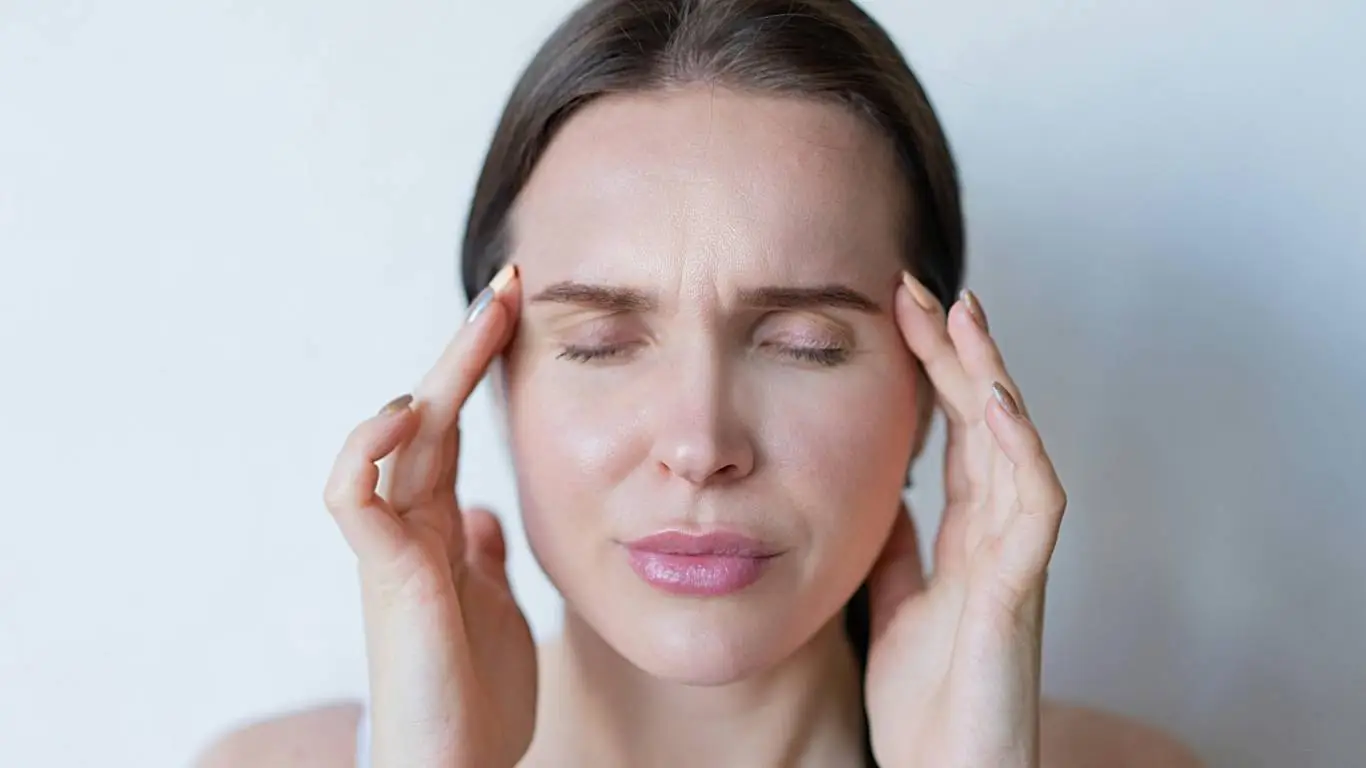
The cheap foam plugs you grab at the airport are designed for general noise reduction, like snoring or construction work. But for migraine sufferers, it’s not just volume we’re trying to avoid—it’s frequency, pressure, and sound distortion.
For example, traditional earplugs can muffle sound so much that they make you feel isolated or off-balance—both of which can trigger more symptoms. Personally, I’ve found that using the wrong kind of plug sometimes made my nausea worse or induced a strange inner ear pressure that was just as bad as the noise itself.
What to Look For in Earplugs for Migraine Sensitivity
- Filtered Noise Reduction: Instead of blocking all noise, the best earplugs for migraine sufferers filter out harsh frequencies while preserving clarity of voice.
- Low-Pressure Design: Plugs that expand too much inside the ear can cause physical pressure, which may worsen headaches.
- Hypoallergenic Materials: Silicone or medical-grade plastic is ideal, especially if you have sensitive skin or use earplugs daily.
- Discreet Fit: For those using earplugs in professional or public settings, look for transparent or low-profile options.
Top Earplug Types for Migraine Sufferers

1. High-Fidelity Earplugs
These earplugs use an acoustic filter that reduces volume without distorting sound. They’re great for social settings where you want to maintain conversations without harsh environmental noise. I use these when traveling—especially during flights or airport layovers where unexpected announcements can spike migraine pain. You can read more about how flying affects migraines here.
2. Moldable Silicone Plugs
Ideal for sleep, these earplugs mold to the shape of your ear. They don’t apply internal pressure and are gentle on the ear canal. If nighttime noise or sleeping next to someone who snores worsens your condition, this is a game changer.
3. Electronic Noise-Canceling Earbuds
Though more expensive, ANC (Active Noise Cancellation) earbuds offer dynamic control of background noise. I’ve used them in office environments and during migraine-triggering weather shifts—learn more about weather-triggered migraines here. ANC buds also allow soothing audio or white noise playback, which can help with relaxation.
Real-World Use Cases and Considerations

If you’re navigating a full-time job, public transport, or parenting young kids, wearing earplugs all day might not be practical—or socially easy. But strategic use makes a huge difference. I keep a soft case of filtered plugs in my bag at all times. Whether I’m in a crowded meeting or walking through a busy street, they’re my subtle escape plan.
It’s also worth noting that chronic noise sensitivity could be a sign of an underlying issue. You can explore diagnostic approaches in our migraine diagnosis guide or visit our main migraine hub for a full breakdown of migraine types and management strategies.
And remember: not all earplugs are created equal. Much like migraine treatments themselves, personalization is key. Some of my friends swear by musician-style plugs, while others go high-tech. There’s no one-size-fits-all—but with a bit of trial and error, there’s definitely a right fit for you.
Recommended Earplugs for Migraine Sufferers: Tried and Tested

After testing over a dozen earplug options and collecting input from fellow migraine warriors, I’ve narrowed down a few standouts. Everyone’s ears—and triggers—are different, but these options have consistently worked for people sensitive to noise during attacks or postdrome phases.
Eargasm High Fidelity Earplugs
- Best for: Events, office settings, public transport
- Noise reduction: 16–21dB without muffling voices
- Materials: Hypoallergenic soft silicone
I first used these during a wedding, of all places. Loud music, chatter, clinking glasses—yet I could still follow conversations without triggering pain. The balance of clarity and protection is a rare combo.
Mack’s Pillow Soft Silicone Putty Earplugs
- Best for: Sleep, lying on your side
- Noise reduction: Up to 22dB
- Reusable: Yes (for several nights)
They mold gently to your outer ear rather than deep insertion. A lifesaver when migraine hits at 3 AM. I’d also suggest adjusting your sleep routine to match your body’s triggers—these earplugs complement good sleep hygiene beautifully.
Loop Experience Pro
- Best for: High-sensitivity environments, crowded spaces
- Noise reduction: 18–20dB with acoustic filtering
- Style: Sleek, wearable design for all-day use
Loop’s discreet design is perfect for when you don’t want to call attention to your condition. The pressure-relieving fit is gentle enough to wear for hours, whether you’re at work or in transit. I’ve even worn them while doing yoga—read more on how yoga can reduce migraine intensity.
Devices and Accessories That Complement Earplugs

Earplugs alone can go a long way, but pairing them with supportive devices enhances the overall relief experience—especially if you’re managing frequent or chronic migraines.
- Eye Masks: Blocking light while minimizing sound creates a calm, cocoon-like environment. Some migraine eye masks also apply cool or warm therapy.
- White Noise Machines: These help mask abrupt, piercing sounds while promoting better rest.
- Smart Wearables: Devices like Nerivio or Cefaly offer non-invasive migraine relief when used alongside ear protection.
You’ll find more of these options covered in our dedicated devices and tools guide.
When to Use Earplugs—and When Not To

While earplugs can be a critical tool, they’re not always appropriate for every setting. Prolonged use in overly quiet environments can increase your sound sensitivity over time—something called *auditory gain*. I experienced this during lockdown: I wore earplugs all day, every day, and found myself startled by minor noises after a few weeks.
Use earplugs when:
- You’re exposed to unavoidable triggers (e.g., travel, live events, loud coworkers)
- You need short-term sound protection during recovery
- You’re meditating, sleeping, or relaxing
Avoid constant use when:
- You’re in quiet environments already
- You notice worsening sensitivity after taking plugs out
- You feel off-balance or pressure buildup in the ears
Natural Remedies That Support Migraine Noise Relief
In my personal experience, noise control is most effective when combined with holistic approaches. I use magnesium supplements and lavender essential oil alongside filtered earplugs during early migraine onset. For a full breakdown of these options, check our cluster on natural migraine remedies.
You can also explore how diet impacts migraine triggers and recovery. See our nutritional guides like best foods for migraines and advice from a migraine nutritionist to help you create a personalized plan.
Final Thoughts: Small Tools, Big Relief
Living with migraines means becoming hyper-aware of your body, your environment, and your triggers. Earplugs may seem like a small accessory, but in my journey, they’ve been one of the most empowering tools I’ve discovered. From packed subway stations to chaotic holiday dinners, they’ve offered me control in situations that used to feel impossible.
If you’re exploring tools to build your migraine relief toolkit, start with sound. The right pair of earplugs could be your quietest—and most powerful—ally.
Explore more ways to manage migraine symptoms on our treatment cluster or return to our main migraine hub for more evidence-backed insights.