

How Birth Control Triggers Migraines and What You Can Do
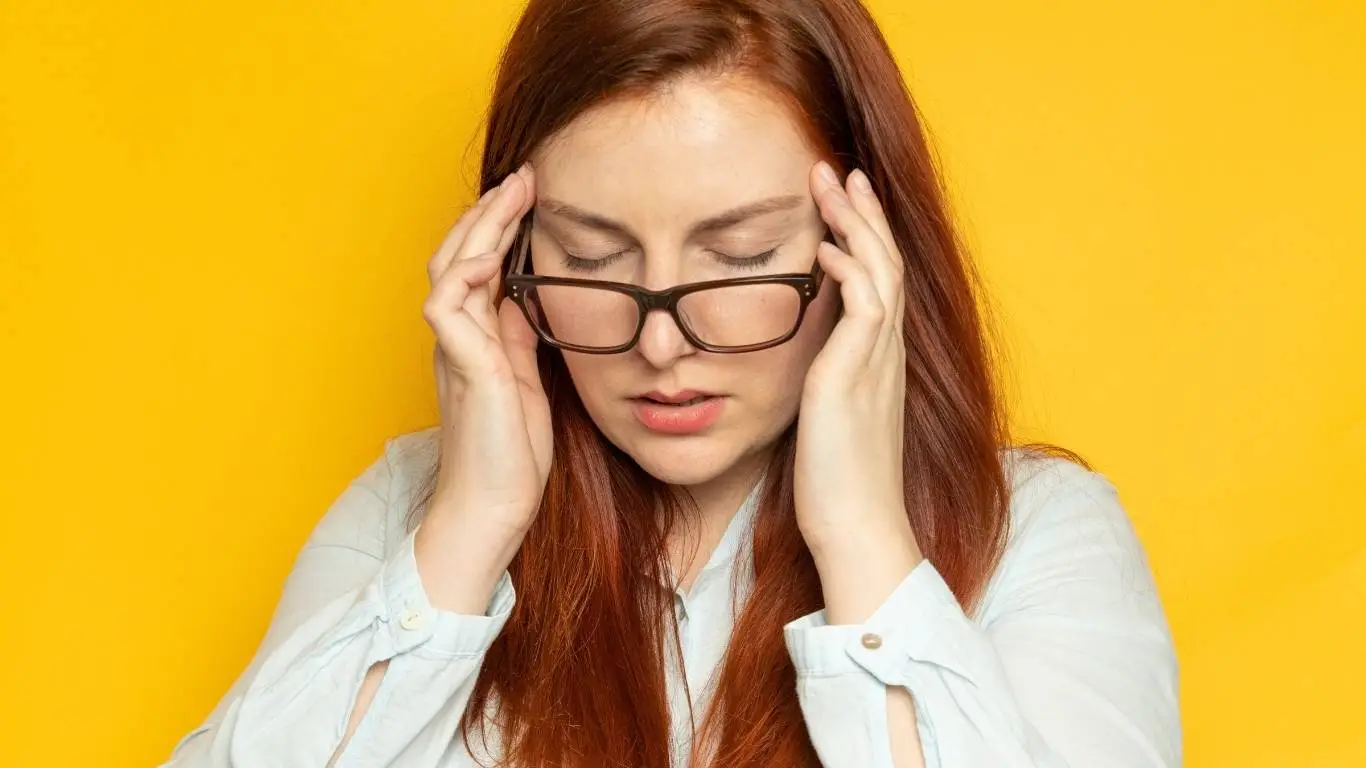
It caught me off guard the first time—head pounding a few days into starting birth control pills. I had just switched to a new oral contraceptive and hadn’t expected a migraine that intense. At first, I assumed it was just stress, but when it happened again during the second month, I started digging. Turns out, I’m far from alone. Hormonal fluctuations triggered by birth control are a common—and often overlooked—culprit for migraines in women.
Can Birth Control Really Cause Migraines?

Absolutely. Hormonal contraceptives, especially those containing estrogen, can influence how frequently and severely migraines occur. The link lies in how estrogen affects brain chemistry and vascular function. For some women, higher or fluctuating estrogen levels can sensitize the brain to pain stimuli, triggering migraine episodes. This connection is so clinically relevant that healthcare providers often screen for a history of migraines—especially migraines with aura—before prescribing combination birth control pills.
Understanding the Role of Estrogen in Migraine Patterns

Many women already notice a pattern in their migraines around their menstrual cycles, which is a direct result of natural estrogen withdrawal. Birth control mimics this pattern—or intensifies it—depending on the formulation. For example:
- Monophasic pills deliver a steady dose of hormones, but withdrawal during the placebo week can still trigger migraines.
- Triphasic pills adjust hormone levels across the cycle, which may exacerbate sensitivity to estrogen changes.
- Progestin-only pills (the “mini pill”) usually don’t influence migraines the same way but are not without side effects.
If you’ve noticed that migraines strike like clockwork during your placebo week, it might be due to that sudden estrogen drop. According to NIH, these hormone shifts are among the most consistent triggers for menstrual migraines, making birth control a double-edged sword.
Who’s Most at Risk?

Not all women experience migraines with birth control, but several factors increase the likelihood:
- History of migraines with aura – Estrogen-containing contraceptives can raise stroke risk in this group, so they’re usually advised to avoid them entirely.
- Family history of migraines – Genetics may amplify sensitivity to hormonal shifts.
- Adolescents or those newly menstruating – Their hormonal axis is still stabilizing, which may intensify reactions to birth control.
- Perimenopausal women – Hormone changes are already volatile, and adding synthetic hormones can further complicate things.
Your provider will likely ask whether you’ve had visual disturbances, speech difficulties, or tingling sensations before a migraine. These are red flags for migraine with aura and may impact what kind of contraceptives are safe for you.
How to Choose the Right Contraceptive When You Have Migraines
It’s all about minimizing hormonal swings. Options worth exploring include:
- Progestin-only methods like the mini pill, IUD, or implant – These often have a lower risk of triggering migraines.
- Continuous or extended-cycle pills – By skipping the placebo week, you may prevent estrogen withdrawal migraines altogether.
- Non-hormonal methods – Copper IUDs or barrier methods can eliminate hormone-related migraines completely.
Choosing a birth control method when you have migraines isn’t about one-size-fits-all. For instance, I personally switched from a combination pill to a progestin-only IUD, and not only did my migraines lessen, but they became more predictable. While that may not work for everyone, it’s a good reminder that the “right” method may take some trial and error.
Make sure to bring up your migraine history during consultations, and don’t hesitate to ask for alternatives if your symptoms get worse. A collaborative decision with your gynecologist or neurologist can reduce risks and improve overall quality of life.
When to Be Concerned: Red Flags with Birth Control and Migraines

While some migraines are just a nuisance, others can be downright dangerous—especially when paired with birth control. It’s critical to know when a migraine signals something more serious.
Warning signs include:
- New or worsening migraines shortly after starting hormonal birth control
- Migraines with aura, especially if accompanied by vision loss, numbness, or speech difficulties
- Sudden onset headaches that feel different from your usual pattern
These may indicate a vascular issue or even increase your risk of stroke. The CDC has clear guidelines suggesting that women with migraines with aura avoid combined hormonal contraceptives altogether.
If you fall into this category, it’s worth exploring other articles on migraine treatment or understanding common triggers that might interact with hormonal shifts. You can also explore our main migraine and headache guide for more insights into types, causes, and management options.
How to Manage Migraines Linked to Birth Control

If you’re staying on hormonal contraception, managing migraines becomes about precision. That means tracking, adjusting, and anticipating. For me, keeping a migraine diary completely changed how I approached my symptoms. I logged triggers, cycle days, severity, and what I ate. Patterns emerged. That one glass of wine during the placebo week? Always a mistake.
Keeping tabs on when migraines strike can help you and your doctor adjust timing, switch to continuous cycling, or explore supplements. You might even want to use tools like a migraine diary or a digital app to streamline it.
Medical Treatments to Consider
- NSAIDs: Some women start these a couple of days before the hormone drop and continue through the placebo week. It can blunt the migraine response.
- Triptans: Reserved for moderate to severe migraines, these are fast-acting and often used when symptoms come on suddenly.
- CGRP inhibitors: These are newer medications designed specifically for migraine prevention and may be suitable if symptoms persist despite contraceptive changes.
More details on these approaches are explained in our full guide to prescription migraine drugs, including how they interact with hormones.
Lifestyle Adjustments That Actually Make a Difference

If your migraines flare up only during hormone fluctuations, even small lifestyle changes can help stabilize your internal environment. It’s not about chasing perfection—it’s about creating routines that don’t tip your hormonal balance too far. What helped me the most? Regular sleep and magnesium.
Key Lifestyle Strategies:
- Maintain a sleep routine – Inconsistent sleep patterns can increase estrogen sensitivity and trigger migraines. Explore our article on migraine sleep habits for more tips.
- Try magnesium – Research suggests magnesium may reduce the frequency of menstrual and hormonal migraines. Learn more on magnesium for migraine.
- Hydrate religiously – Even mild dehydration can worsen migraines. See our breakdown on the dehydration-migraine link.
- Stay active – Moderate physical activity like walking or yoga can regulate hormones and reduce migraine severity. Gentle routines are covered in our yoga guide.
Natural Remedies and Holistic Care Options

I wasn’t always a fan of supplements or alternative medicine, but when prescription options weren’t enough, I started exploring. Turns out, there’s legitimate science behind some of it.
If you’re hesitant about taking additional medication, certain natural approaches might offer relief:
- Riboflavin (Vitamin B2) – Often recommended as a preventive supplement. Check out the role of Vitamin B2 for migraine relief.
- Herbal supplements – Butterbur and feverfew are often discussed in the context of hormonal migraines. See what we’ve covered in herbal remedies.
- Essential oils – Peppermint oil or lavender may provide mild relief during attacks. Details are shared in this overview.
For non-invasive pain relief, many also turn to acupuncture or even temperature-based therapy. While these may not replace medical treatment, they’re worth discussing with your provider.
When to Talk to a Neurologist

If birth control-related migraines are becoming disruptive or harder to manage, you don’t have to go it alone. A neurologist can offer tailored insights based on your migraine pattern, hormone profile, and overall health. Particularly if:
- Your migraines are worsening over time
- You’ve experienced migraines with aura while on hormonal contraceptives
- Over-the-counter medications are no longer effective
A specialist may recommend transitioning off hormonal birth control entirely or using preventive therapies more aggressively. They can also assess for comorbid conditions like fibromyalgia, anxiety, or even mild epilepsy that might worsen migraine response.
For those exploring technology-supported solutions, tools like Cefaly or Nerivio can be a helpful adjunct. Learn more about our favorite migraine relief devices for women navigating hormonal triggers.
You deserve more than just “deal with it” advice. If hormonal birth control is causing or worsening your migraines, you have options—safe, effective, and personalized. For a comprehensive overview of migraine-related insights and tools, start from our main migraine hub.