

How Blue Light Glasses Help Reduce Migraine Attacks
After spending countless hours in front of screens—between deadlines, video calls, and the occasional late-night binge-watching—I started noticing a familiar, creeping pressure behind my eyes. It wasn’t long before that subtle strain would evolve into a full-blown migraine. If you’ve ever felt that sharp, pulsing ache after long exposure to your laptop or phone, you’re not alone. Many migraine sufferers, including myself, have started turning to blue light glasses not as a gimmick, but as a genuine tool in our migraine prevention arsenal.
How Blue Light Affects Migraine Sufferers

Blue light is a high-energy visible (HEV) light emitted by digital devices, LED lighting, and even the sun. While it helps regulate our circadian rhythm, excessive exposure—especially from screens—can contribute to eye strain, disrupted sleep, and in some individuals, trigger migraines.
According to research published by American Academy of Ophthalmology, there’s growing evidence that blue light exposure can exacerbate photophobia, a common migraine symptom. For me, it wasn’t just about sensitivity to brightness—it was the unique flicker and sharpness of screen light that seemed to set my migraines into motion.
What Are Blue Light Glasses and How Do They Work?
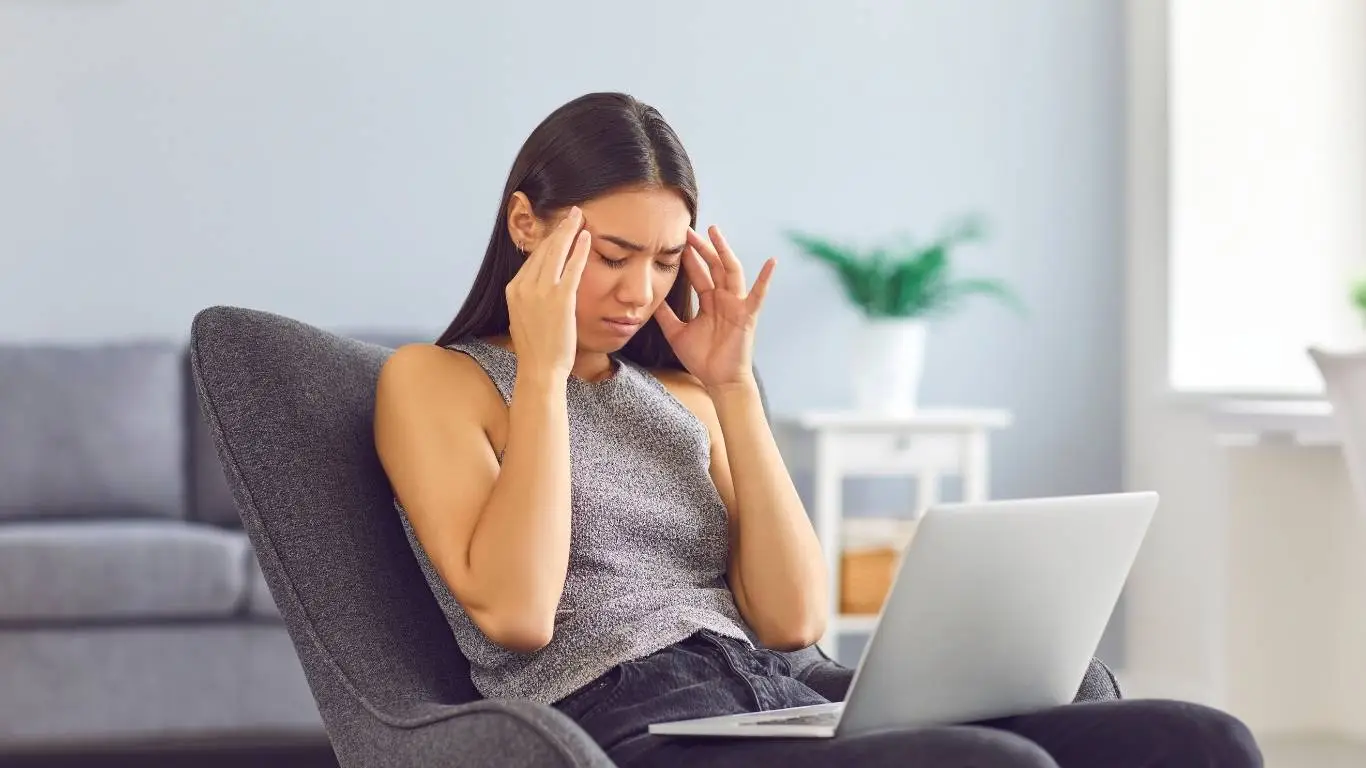
Blue light glasses are specially designed eyewear that filters out a portion of the blue spectrum emitted by screens. Some lenses have a subtle yellow or amber tint, while others use clear filters with anti-reflective coatings. The goal is to reduce the amount of HEV light reaching your eyes, lowering your risk of digital eye strain and, for migraine-prone individuals, potentially preventing an attack.
From my experience, wearing blue light glasses during long editing sessions has noticeably reduced the frequency of screen-induced migraines. It’s not a miracle cure, but it adds a crucial layer of defense—especially when paired with good screen habits.
Key Benefits for Migraine Management
- Reduces digital eye strain: Less strain often equals fewer triggers.
- Improves sleep quality: Lower blue light exposure in the evening helps melatonin production.
- Enhances focus and comfort: Especially during long computer sessions.
When to Use Blue Light Glasses

Timing plays a significant role. Here’s when I’ve found them most helpful:
- During peak screen time: Work hours, video calls, digital meetings.
- In the evening: Particularly 2–3 hours before bed to protect your sleep cycle.
- While gaming or streaming: Even recreational screen time adds up.
If you’re someone who also suffers from migraine with aura, you may find this particularly beneficial, as visual disturbances can be intensified by screen glare. Wearing blue light glasses adds a preventive buffer, reducing the likelihood that visual triggers will lead to a full-blown attack.
What the Science Says (and Where It’s Still Evolving)

While anecdotal evidence—like mine and that of many in migraine forums—is overwhelmingly positive, scientific consensus is still evolving. Some studies, like those discussed on NCBI, suggest filtered lenses may improve comfort and reduce headache intensity, especially for patients with light sensitivity.
However, it’s also clear that effectiveness may vary based on individual sensitivity, usage habits, and the lens technology used. Some users may benefit more from tinted migraine glasses specifically designed for photophobia, while others find standard blue light filters sufficient for daily use.
Choosing the Right Glasses
When selecting a pair, consider:
- Lens technology: Some use advanced coatings that block both blue and UV light.
- Tint intensity: Slight tints are good for all-day wear; darker lenses are better for intense sensitivity.
- Frame comfort: Lightweight, pressure-free designs reduce the risk of triggering tension headaches.
Brands with clinical testing or recommendations from optometrists are a safe bet. I’ve personally tried multiple pairs, and the difference in comfort was dramatic—especially under harsh office lighting.
Other Complementary Tools for Light Sensitivity

Blue light glasses work best when combined with other strategies. You might also consider:
It’s also helpful to keep a migraine diary to track which environments and screen times coincide with migraine onset.
And of course, the central resource for anyone navigating migraine prevention and lifestyle adjustments remains the main migraines & headaches hub. You’ll find everything from triggers to advanced treatment options, structured under trigger management and migraine tools.
My Experience Testing Top Blue Light Glasses Brands

I’ve personally tested over a dozen pairs—from budget Amazon finds to premium models endorsed by optometrists. What stood out most wasn’t just the blue light filtering—it was the comfort level and how wearable they were throughout the day. Some left pressure marks on my temples and triggered one-sided headaches, while others felt like I wasn’t wearing anything at all.
In particular, models with lightweight TR-90 frames and adjustable nose pads made the biggest difference during my 8+ hour workdays. A few brands even offered lenses that gradually darkened depending on ambient light, which helped during sunny commutes or meetings near windows.
Key Features That Actually Help
- Anti-glare coating: Reduces screen reflection and prevents eye fatigue.
- Amber-tinted lenses: Especially helpful if you’re prone to light-triggered migraines.
- UV + Blue light protection: Full-spectrum filtering offers additional comfort under LED lighting.
What surprised me is how some of the more affordable options performed nearly as well as high-end ones. However, proper fit and coating durability were still better with reputable brands. As always, consult a licensed optometrist if you’re unsure, especially if you have other visual conditions overlapping with migraines.
Tips to Reduce Blue Light Exposure Without Glasses
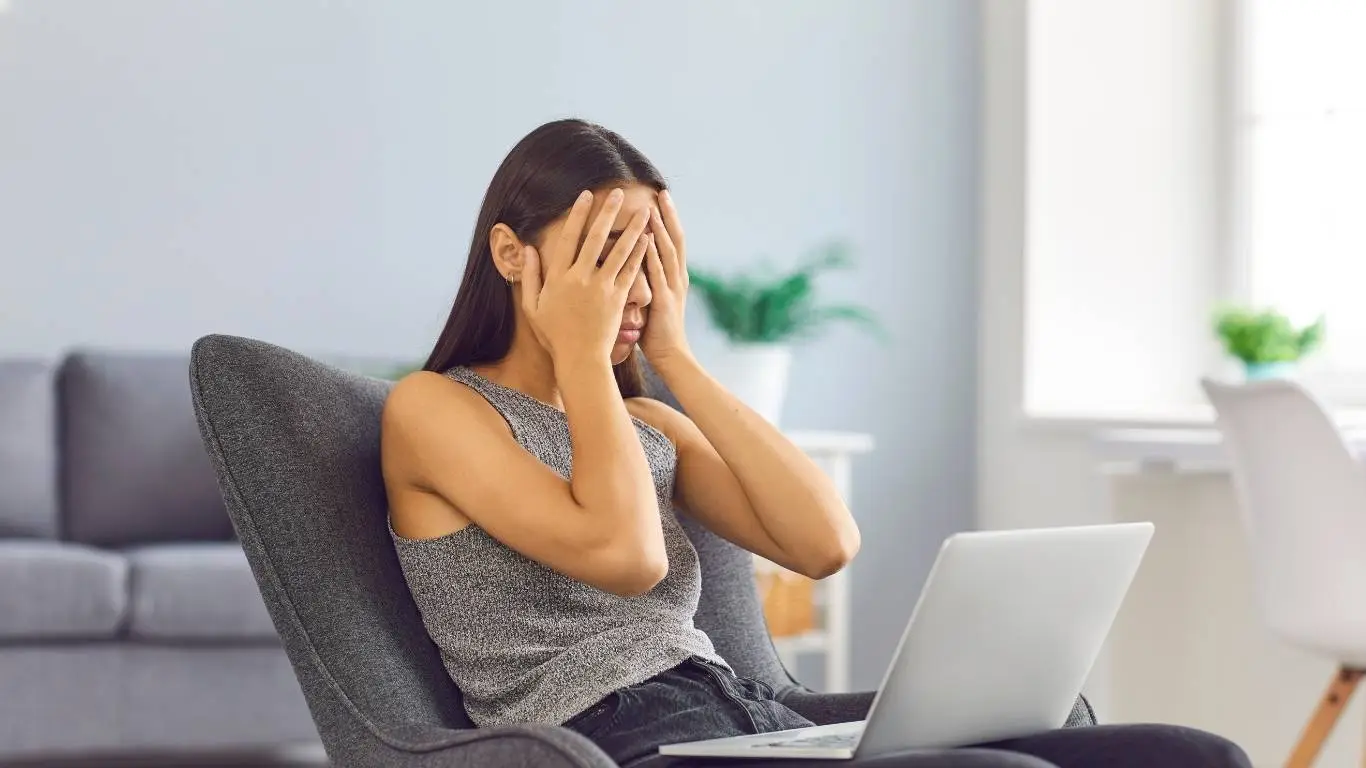
Blue light glasses are helpful, but they work best as part of a larger digital hygiene strategy. Over time, I developed habits that significantly improved my migraine response:
- Enable night shift or warm display settings on all devices.
- Use screen dimmer apps like f.lux or integrated blue light filters.
- Keep screens at eye level to prevent neck strain, which often aggravates headaches.
- Limit device use 1–2 hours before sleep to encourage natural melatonin production.
During periods of intense screen time, I also apply the 20-20-20 rule—every 20 minutes, look at something 20 feet away for 20 seconds. It’s simple, but it helps relieve both visual and cognitive strain.
Workplace Adjustments for Migraine Sufferers

One of the most impactful changes for me was modifying my workstation. After several episodes where migraines derailed my productivity, I started advocating for a migraine-friendly workspace. This included requesting softer lighting, installing an anti-glare monitor filter, and placing blackout blinds near my desk.
If you experience light and sound sensitivity during migraines, a quiet room with adjustable LED lights (not overhead fluorescents) can make a world of difference. I’ve even seen colleagues benefit from using discreet earplugs during intense work periods to block out triggering sounds.
Also worth trying:
- Cefaly neurostimulation device for quick relief sessions.
- Migraine-tracking smartwatches to monitor stress levels.
- Blue-light blocking monitor overlays or desk lamps with tunable warmth.
Pairing these tools with blue light glasses makes a measurable impact, especially for those who work in digital-heavy professions or remote setups.
When to See a Specialist

Although glasses and ergonomic tweaks go a long way, they’re not a replacement for medical intervention. If you experience worsening migraine patterns, visual aura disruptions, or new symptoms like numbness or weakness, it’s essential to consult a specialist.
Many neurologists now incorporate digital light sensitivity into their migraine evaluations. You can also explore advanced treatments outlined in our Migraine Treatment Cluster, which includes options like Botox injections and CGRP inhibitors.
Even non-pharmaceutical approaches like cognitive behavioral therapy (CBT) and biofeedback are being used in conjunction with lifestyle changes, including screen-time adjustments. The synergy is key—when glasses are one layer of defense, they’re more effective in a larger migraine strategy.
Staying Ahead of Your Triggers

Ultimately, understanding your own triggers is essential. For me, using blue light glasses wasn’t just a reactive measure—it became part of an overall mindset shift. I started logging light exposure, stress levels, and sleep patterns in my migraine diary and noticed clear patterns over time.
Whether your migraines are influenced by weather changes, stress overload, or hormonal fluctuations, addressing screen-related triggers is low-hanging fruit—and it can make a real difference.
For a complete overview of migraine causes, types, and treatment frameworks, return to our main migraine hub. You’ll also find detailed pathways to manage screen strain under the tools & devices cluster that complements this article.